

Key Takeaways
- Solar irrigation systems use solar panels to power water pumps, reducing electricity costs significantly.
- These systems are ideal for remote areas with limited access to electricity, offering reliable irrigation solutions.
- By harnessing renewable energy, solar irrigation systems reduce reliance on fossil fuels and lower carbon emissions.
- Farmers can expect long-term savings and increased crop yields, making the initial investment worthwhile.
- Technological advancements like mobile monitoring and automation enhance the efficiency of solar irrigation systems.
Introduction to Solar Irrigation Systems: A Game-Changer for Farmers
Imagine a world where farmers can water their crops without worrying about the high costs of electricity or the limitations of fossil fuels. This isn’t just a dream; it’s the reality that solar irrigation systems are bringing to the agricultural community. By harnessing the sun’s power, these systems provide a sustainable and cost-effective solution for irrigation, transforming the way we approach farming.
Overview of Solar Irrigation Systems
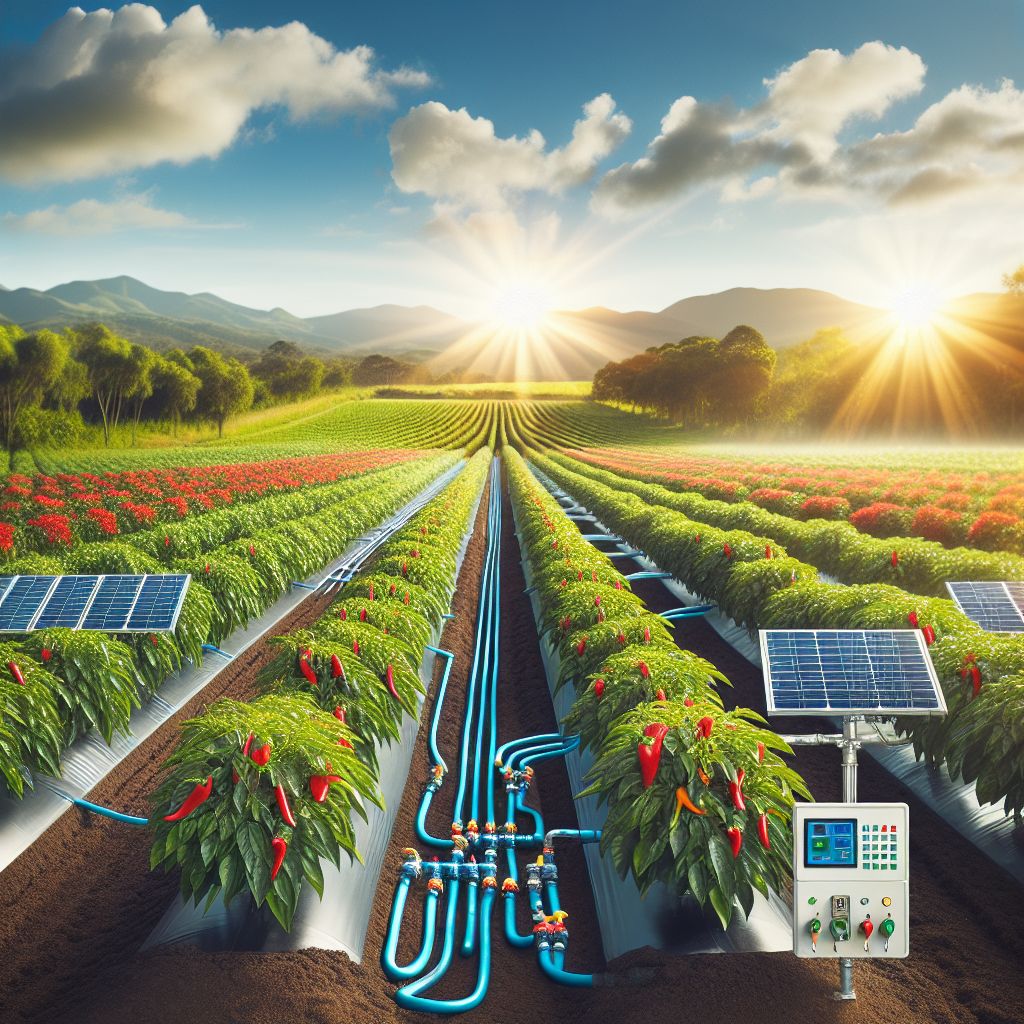
At its core, a solar irrigation system uses solar panels to convert sunlight into electricity. This electricity powers water pumps that draw water from sources like wells or reservoirs, delivering it to crops through an irrigation network. This system operates independently of the grid, making it particularly beneficial for remote areas.
The components of a solar irrigation system are simple yet effective. They include solar panels, a pump, a reservoir for water storage, and an irrigation network to distribute the water. Together, these components create a seamless process that ensures crops receive the water they need, when they need it.
Significance for Sustainable Agriculture
Sustainability in agriculture is more crucial than ever. With climate change and resource scarcity threatening food security, farmers must adopt practices that conserve resources and minimize environmental impact. Solar irrigation systems offer a way to achieve this by reducing dependency on fossil fuels and decreasing carbon emissions.
Brief on Environmental and Economic Benefits
Switching to solar irrigation brings numerous benefits. Environmentally, it reduces the carbon footprint of farming operations, contributing to the fight against climate change. Economically, it cuts down on energy costs, allowing farmers to reinvest savings into their operations. These systems also increase the reliability of water supply, leading to improved crop yields and financial stability for farmers.

Components and Functionality of Solar Irrigation Systems
Understanding how solar-powered irrigation systems work can empower farmers to make informed decisions about adopting this technology. Let’s dive into the key components and their roles in the system.
Solar Panels: The Power Source
Solar panels are the heart of the system. They capture sunlight and convert it into electricity, which powers the entire irrigation process. The efficiency of solar panels has improved significantly over the years, making them a viable option for powering agricultural operations. To learn more about the benefits and uses of solar panels in agriculture, visit our detailed guide.
Here’s a table comparing the different solar panel you can use to power an irrigation systems on a farm:
|
Solar Panel Type |
Efficiency |
Cost per Watt |
Pros |
Cons |
|---|---|---|---|---|
|
Monocrystalline |
17-22% |
$1.00 – $1.50 |
– Highest efficiency. 1, 3 |
– Most expensive option. 1, 3 |
|
Polycrystalline |
13-17% |
$0.90 – $1.20 |
– Lower cost than monocrystalline. 1, 3 |
– Slightly lower efficiency. 1, 3 |
|
Thin-Film |
10-13% |
$0.70 – $1.00 |
– Lowest cost. 1, 3 |
– Lowest efficiency. 1, 3 |
Monocrystalline panels are highly efficient and durable, making them ideal for high-performance irrigation systems that require consistent power output. Their higher cost is often offset by their superior performance in the long run 3.
Polycrystalline panels offer a good balance between cost and efficiency, making them suitable for medium-scale irrigation projects. They perform well in most conditions and are a popular choice for many agricultural applications 3.
Thin-film panels, while less efficient, are more affordable and flexible. They can be a good option for portable irrigation systems or installations where weight is a concern. Their lower efficiency means you may need more panels to achieve the same power output as crystalline options 3.
Pumps and Their Role in Water Distribution
Pumps are crucial in moving water from the source to the crops. In a solar irrigation system, the pump is powered by the electricity generated from the solar panels. These pumps can draw water from various sources, including wells, rivers, and reservoirs, and deliver it to the fields efficiently. For more information on how solar panels can increase farm efficiency, check out the benefits and methods of using solar technology in agriculture.
Reservoirs and Water Storage Solutions
Reservoirs play a vital role in ensuring a consistent water supply. They store water that can be used during periods of low sunlight or high demand. This ensures that crops receive adequate water, even when solar energy production is low.
Irrigation Networks for Effective Water Delivery
The irrigation network is the final component, distributing water to the crops. This network can include drip irrigation systems, which deliver water directly to the plant roots, minimizing waste and maximizing efficiency. By using precise delivery methods, farmers can ensure their crops get exactly what they need to thrive.
Economic and Environmental Benefits
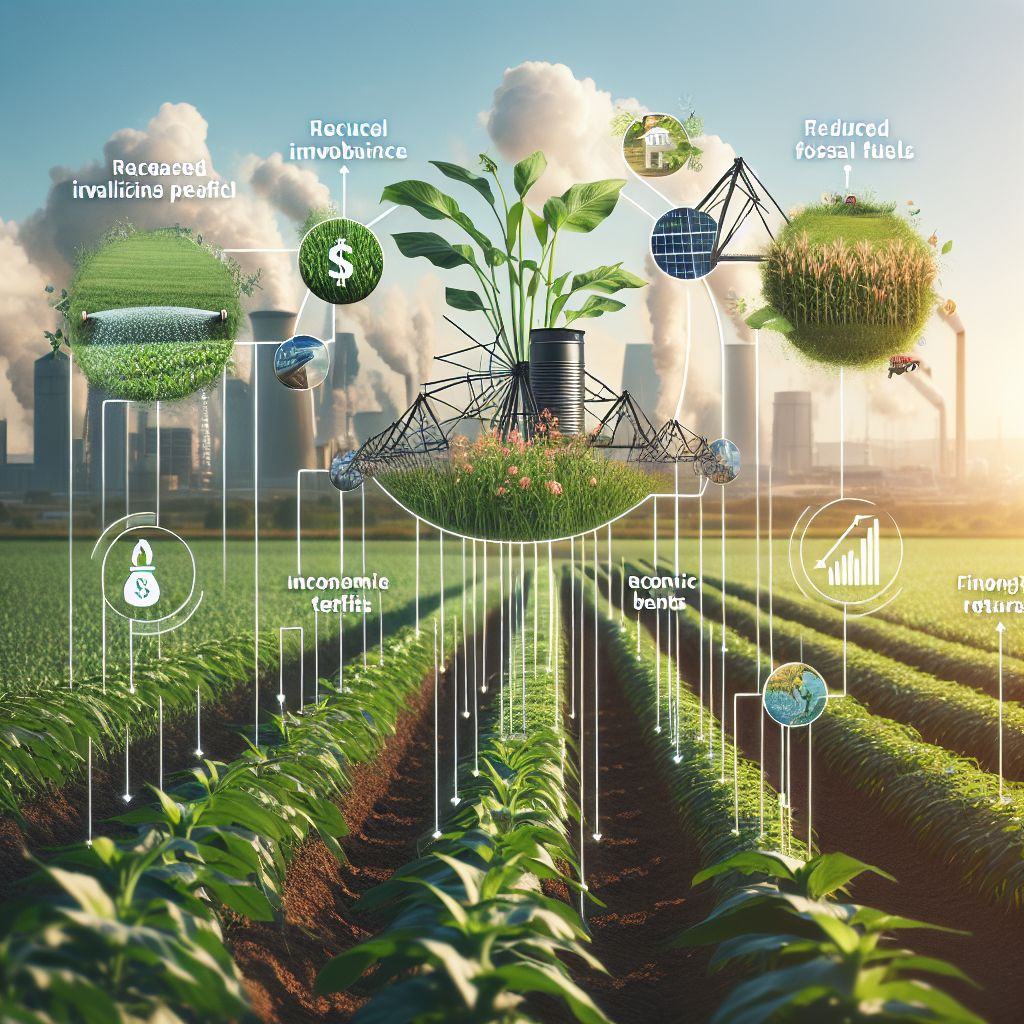
Solar irrigation systems aren’t just about watering crops—they’re a strategic investment in the future of farming. By leveraging the sun’s energy, these systems provide both economic and environmental advantages that can transform agricultural practices.
Increase Crop Efficiency and Health
When it comes to crop health, consistent and efficient water delivery is key. Solar irrigation systems ensure that crops receive the right amount of water at the right time. This not only boosts growth but also enhances the overall health of the plants, leading to higher yields. Healthy crops are more resilient to pests and diseases, reducing the need for chemical interventions.
Cost Savings from Reduced Energy Bills
Traditional irrigation systems can be expensive to run, especially when relying on diesel or grid electricity. Solar irrigation systems drastically cut these costs by using free, renewable solar energy. Farmers can save hundreds or even thousands of dollars annually, depending on the size of their operations and local energy prices. These savings can be reinvested into the farm, improving productivity and profitability.
Decreased Dependency on Fossil Fuels
Fossil fuels are not only costly but also harmful to the environment. By switching to solar-powered systems, farmers reduce their reliance on these non-renewable resources. This transition helps decrease greenhouse gas emissions and combats climate change, contributing to a healthier planet.
Lower Carbon Footprint and Environmental Impact
Solar irrigation systems have a significantly lower carbon footprint compared to traditional methods. By harnessing clean energy, they minimize environmental impact and promote sustainable farming practices. This shift not only benefits the environment but also aligns with global efforts to reduce carbon emissions and combat climate change.
Long-Term Financial Returns for Farmers
Although the initial investment in solar irrigation systems can be substantial, the long-term financial returns are impressive. With reduced energy costs and increased crop yields, farmers can expect to recoup their investment within a few years. Moreover, the system’s durability and low maintenance requirements ensure continued savings and profitability over time.

Technological Advancements and Smart Features
Incorporating technology into farming is no longer optional; it’s essential for maximizing efficiency and productivity. Solar irrigation systems are at the forefront of this technological revolution, offering features that make farming smarter and more effective.
One of the most exciting advancements is the integration of smart technology. With sensors and mobile connectivity, farmers can monitor and control their irrigation systems remotely. This capability allows for precise water management, reducing waste and optimizing crop growth. For more information on how these systems work, check out Understanding Solar-Powered Irrigation Systems.
Integration of Sensors for Precision Agriculture
Sensors play a crucial role in precision agriculture by providing real-time data on soil moisture, weather conditions, and crop health. This information enables farmers to make informed decisions about when and how much to irrigate. By using data-driven insights, farmers can improve water efficiency and crop yields, making their operations more sustainable and profitable. For a deeper understanding of how technology is transforming farming, explore smart farming tools and techniques.
Mobile Monitoring and Control
With mobile apps and internet connectivity, farmers can monitor and control their irrigation systems from anywhere. This flexibility is particularly valuable for large farms or those in remote areas. Farmers can adjust settings, receive alerts, and access data on their smartphones or tablets, ensuring optimal irrigation at all times.
This level of control not only saves time but also enhances the precision of water delivery. By making adjustments based on real-time data, farmers can prevent overwatering or underwatering, both of which can negatively impact crop health.
Automation and Efficiency Enhancements
Automation is a game-changer for irrigation systems. Automated systems can adjust water delivery based on pre-set parameters or real-time data, reducing the need for manual intervention. This not only saves labor but also ensures consistent and efficient water use.

Challenges and Considerations
While solar irrigation systems offer numerous benefits, there are challenges and considerations that farmers need to address. Understanding these factors is crucial for making an informed decision about adopting this technology.
Initial Investment Costs and Funding Options
The upfront cost of installing a solar irrigation system can be a barrier for some farmers. However, it’s important to view this as a long-term investment. There are also various funding options available, including government subsidies, grants, and loans, that can help offset the initial costs.
Researching and applying for these financial aids can make solar irrigation systems more accessible to farmers of all sizes. Additionally, partnering with local agricultural organizations can provide valuable resources and support.
Technical Support and Maintenance Needs
Implementing a solar irrigation system requires ongoing technical support and maintenance to ensure optimal performance. Regular maintenance involves cleaning solar panels to remove dust and debris that can reduce efficiency. It’s also important to inspect the system for any signs of wear or damage, especially the pumps and irrigation lines.
Technical support is crucial for troubleshooting issues and making necessary adjustments. Many solar irrigation providers offer service packages that include regular check-ups and emergency support. It’s wise to choose a provider with a strong support network to minimize downtime and keep your system running smoothly.
Farmers should also familiarize themselves with the basic operation and maintenance of their systems. This knowledge empowers them to perform minor repairs and adjustments, reducing dependency on external support and ensuring the system’s longevity.
Feasibility in Various Geographical Locations
Solar irrigation systems are highly adaptable and can be implemented in various geographical locations. However, the system’s feasibility depends on factors like sunlight availability, water sources, and land topography. Regions with abundant sunlight and accessible water sources are ideal for solar irrigation.
In areas with less sunlight, farmers may need to incorporate additional storage solutions or hybrid systems that combine solar power with other energy sources. It’s crucial to conduct a thorough site assessment to determine the best configuration for your location.

Real-World Applications and Success Stories
Solar irrigation systems have been successfully implemented in numerous real-world scenarios, demonstrating their effectiveness and benefits for farmers across the globe.
Case Study: Solar Irrigation in Remote Areas
In a remote village in India, farmers struggled with unreliable electricity and high diesel costs for irrigation. By installing solar irrigation systems, they reduced their energy expenses and increased their crop yields. The system’s reliability and cost savings transformed their farming practices, leading to greater financial stability and improved livelihoods.
This success story highlights the potential of solar irrigation to empower farmers in remote areas, providing them with a sustainable solution for their irrigation needs.
Impact on Crop Yield and Water Management
Solar irrigation systems have been shown to improve crop yields by providing consistent and efficient water delivery. In regions with water scarcity, these systems enable farmers to manage their water resources more effectively, reducing waste and maximizing productivity. The precise water management offered by solar irrigation ensures that crops receive the optimal amount of water, enhancing growth and resilience.
Examples from Different Countries
In Kenya, solar irrigation has revolutionized small-scale farming, allowing farmers to grow crops year-round and increase their income. The adoption of solar technology has led to improved food security and economic development in rural communities.
In Australia, large-scale farms have embraced solar irrigation to reduce their environmental impact and energy costs. The country’s abundant sunlight makes it an ideal location for solar-powered agriculture, and farmers have seen significant financial benefits from the transition.
These examples illustrate the global impact of solar irrigation systems and their potential to transform agriculture in diverse settings.
“Solar Irrigation Systems for Growing …” from growingsolarmist.com and used with no modifications.
Future of Solar Irrigation Systems
The future of solar irrigation systems looks promising, with ongoing advancements in technology and growing awareness of sustainable farming practices. As more farmers recognize the benefits of solar power, adoption rates are expected to increase, driving further innovation and market growth.
Governments and private investors are also playing a crucial role in supporting the expansion of solar irrigation systems, offering subsidies and funding for research and development.
Trends in Solar Technology Adoption
Solar technology is becoming more affordable and accessible, making it a viable option for farmers worldwide. The trend towards renewable energy sources is driven by the need to reduce carbon emissions and combat climate change. As a result, more farmers are considering solar irrigation as a sustainable solution for their agricultural needs.
Technological advancements, such as improved solar panel efficiency and smart irrigation systems, are further enhancing the appeal of solar irrigation. These innovations provide farmers with more control and precision, increasing the overall effectiveness of their operations.
Potential Innovations and Market Growth
The solar irrigation market is poised for significant growth, with potential innovations in areas like battery storage, automation, and data analytics. These advancements will enable farmers to optimize their irrigation systems, reducing waste and improving productivity.
As the market expands, we can expect to see more competitive pricing and a wider range of products, making solar irrigation accessible to even more farmers.
Opportunities for Government and Private Investment
Government and private investment play a critical role in the development and adoption of solar irrigation systems. By providing financial incentives and support for research and development, these entities can help drive the growth of the solar irrigation market.
Investments in infrastructure, training, and education will also be essential to ensure that farmers have the resources and knowledge needed to implement and maintain solar irrigation systems effectively.
Frequently Asked Questions (FAQ)
Many farmers have questions about solar irrigation systems and their implementation. Here are some common queries and their answers.
How long does it take to recoup the investment in a solar irrigation system?
The time it takes to recoup the investment in a solar irrigation system varies depending on factors like system size, energy savings, and crop yields. On average, farmers can expect to recover their investment within 3 to 5 years, thanks to reduced energy costs and increased productivity.
In some cases, government subsidies and incentives can further shorten the payback period, making solar irrigation an even more attractive option.
Can solar irrigation systems work in cloudy or rainy weather?
Yes, solar irrigation systems can still function in cloudy or rainy weather, although their efficiency may be reduced. Solar panels can generate electricity from diffuse sunlight, but the output will be lower compared to bright, sunny days.
Are there government subsidies available for solar irrigation?
Many governments offer subsidies and incentives for adopting solar irrigation systems. These financial aids can help offset the initial investment costs, making solar irrigation more accessible to farmers. It’s essential to research available programs in your area and apply for any applicable subsidies. Additionally, integrating solar panels into agricultural practices can further increase farm efficiency and reduce operational costs.
By taking advantage of these incentives, farmers can reduce their upfront costs and accelerate their return on investment.
What maintenance is required for solar irrigation systems?
Regular maintenance is essential to ensure the optimal performance of a solar irrigation system. This includes cleaning the solar panels, inspecting the pumps and irrigation lines, and checking for any signs of wear or damage.
How do I determine the right system size for my farm?
Determining the right system size for your farm involves assessing factors like water requirements, crop types, and available sunlight. It’s crucial to conduct a thorough site assessment and consult with a solar irrigation expert to design a system that meets your specific needs.
By tailoring the system to your farm’s unique conditions, you can maximize efficiency and ensure the best possible outcomes.

Leave a Reply