

Key Takeaways
- Solar irrigation systems significantly reduce energy costs, saving farmers up to 30% on electricity expenses.
- These systems help in reducing the carbon footprint by minimizing reliance on fossil fuels.
- Farmers can increase water efficiency by 20% through precise water delivery using solar-powered systems.
- The initial investment for solar irrigation can be high, but payback is typically achieved within 7 years.
- Solar irrigation systems require minimal maintenance, making them reliable for long-term use.
Immediate Impact of Solar Irrigation Systems on Agriculture
Solar irrigation systems are transforming agriculture by offering a sustainable and efficient way to water crops. These systems tap into the abundant energy of the sun, making them an eco-friendly alternative to traditional irrigation methods. By doing so, they provide several immediate benefits to farmers and the environment alike.
Reducing Dependence on Fossil Fuels
One of the most significant advantages of solar irrigation systems is their ability to reduce reliance on fossil fuels. Traditional irrigation systems often depend on electricity or diesel, both of which contribute to greenhouse gas emissions. Solar systems, on the other hand, harness the sun’s energy, a clean and renewable resource.
Enhanced Water Management and Conservation
Besides reducing energy consumption, solar irrigation systems excel in water management. They employ advanced sensors and controllers to optimize water use. By delivering the right amount of water at the right time, these systems can increase water efficiency by up to 20%. This not only conserves water but also ensures that crops receive the optimal amount of hydration.
Moreover, solar irrigation systems can be tailored to different crop needs. For instance, some crops may require more frequent watering, while others need less. With solar-powered technology, farmers can customize irrigation schedules based on specific crop requirements, leading to healthier plants and improved yields.
Cost Efficiency Over Time
While the initial setup cost of solar irrigation systems can be high, the long-term savings are substantial. Farmers can expect to see a reduction in energy costs by up to 30%. The payback period for the investment typically ranges from 5 to 7 years, after which the system essentially pays for itself.
For instance, a farmer in California installed a 200kW solar array to power his irrigation system. Within the first year, he reported a 30% reduction in energy expenses and a 20% increase in water efficiency. This example highlights the economic viability of solar irrigation systems.
“A 200kW solar array powers both the irrigation pumps and controls, resulting in a 20% increase in water efficiency and a 30% reduction in energy costs. The farmer expects to recoup their investment in the solar system within 7 years.”
The Impact on Crops
Solar irrigation systems not only save costs but also have a direct impact on crop health. By providing consistent and precise water delivery, these systems ensure that crops receive the necessary hydration for optimal growth. This leads to healthier plants and higher yields, benefiting farmers and consumers alike.

Key Components of a Solar Irrigation System
Understanding the components of a solar irrigation system is essential for anyone considering this sustainable technology. Each part plays a crucial role in ensuring efficient operation and optimal performance.
Solar Panels: Powers the Whole System
Solar panels are the heart of any solar irrigation system. They capture sunlight and convert it into electricity, which powers the entire system. The size and number of panels required depend on the energy needs of the farm and the irrigation system.
It’s important to choose high-quality solar panels that can withstand various weather conditions. Durable panels ensure a longer lifespan and consistent energy production, which is critical for reliable irrigation.
Here’s a table comparing the different solar panel you can use in with an irrigation system on a farm:
|
Solar Panel Type |
Efficiency |
Cost per Watt |
Pros |
Cons |
|---|---|---|---|---|
|
Monocrystalline |
17-22% |
$1.00 – $1.50 |
– Highest efficiency. 1, 3 |
– Most expensive option. 1, 3 |
|
Polycrystalline |
13-17% |
$0.90 – $1.20 |
– Lower cost than monocrystalline. 1, 3 |
– Slightly lower efficiency. 1, 3 |
|
Thin-Film |
10-13% |
$0.70 – $1.00 |
– Lowest cost. 1, 3 |
– Lowest efficiency. 1, 3 |
Monocrystalline panels are highly efficient and durable, making them ideal for high-performance irrigation systems that require consistent power output. Their higher cost is often offset by their superior performance in the long run 3.
Polycrystalline panels offer a good balance between cost and efficiency, making them suitable for medium-scale irrigation projects. They perform well in most conditions and are a popular choice for many agricultural applications 3.
Thin-film panels, while less efficient, are more affordable and flexible. They can be a good option for portable irrigation systems or installations where weight is a concern. Their lower efficiency means you may need more panels to achieve the same power output as crystalline options 3.
Inverter: Converts the Solar Power to Usable Power
The inverter is responsible for converting the direct current (DC) generated by the solar panels into alternating current (AC), which is used by most irrigation pumps and controllers. A high-efficiency inverter is essential for maximizing energy conversion and minimizing losses.
Controllers: Regulates the Power to the Pump
Controllers play a vital role in regulating the power supply to the irrigation pump. They ensure that the pump receives the right amount of energy to function efficiently. Advanced controllers can also integrate with sensors to monitor soil moisture and weather conditions, allowing for precise water delivery.
Pumps: Moves the Water
The pump is a critical component of a solar irrigation system, responsible for moving water from the source to the fields. Solar-powered pumps are specially designed to operate efficiently with the variable power supply provided by solar panels. These pumps ensure that water is delivered consistently, even when sunlight availability fluctuates throughout the day.
Irrigation System: This Feeds the Crops
The irrigation system is where the magic happens. It distributes the water to the crops, ensuring they receive the precise amount needed for optimal growth. There are various types of irrigation systems, such as drip irrigation and sprinkler systems, each suited for different types of crops and farming practices.
Drip irrigation, for example, is highly efficient as it delivers water directly to the roots of the plants, minimizing evaporation and runoff. This method is particularly beneficial in arid regions where water conservation is crucial. Sprinkler systems, on the other hand, are more suited for crops that require overhead watering.
- Drip irrigation conserves water by targeting the roots directly.
- Sprinkler systems are ideal for crops needing overhead watering.
- Choose the system that best fits your crop type and water availability.

Functionality of Solar Irrigation Systems
Understanding how solar irrigation systems function is key to appreciating their efficiency and sustainability. These systems are designed to harness solar energy, convert it into electricity, and use it to power irrigation pumps and controllers. This seamless integration of components ensures reliable water delivery to crops.
Let’s break down how these components work together:
Key Components: Solar Panels, Pumps, and Controllers
Each component of a solar irrigation system plays a vital role in its functionality. Solar panels capture sunlight and convert it into electrical energy. This energy powers the pump, which moves water from the source to the crops. Controllers regulate the energy flow, ensuring the pump operates efficiently and the water is delivered precisely.
“Solar panels capture sunlight, convert it into electricity, and power the pump to move water from the source to the crops.”
By using advanced sensors, these systems can adjust water delivery based on soil moisture levels and weather conditions. This adaptability enhances water efficiency and ensures crops receive the right amount of hydration.
How Solar Energy Powers Irrigation
- Solar panels convert sunlight into electrical energy.
- The inverter changes DC to AC power for the pump.
- Controllers manage energy flow and water delivery.
These steps illustrate the seamless operation of solar irrigation systems. The solar panels absorb sunlight, and the inverter converts the direct current (DC) into alternating current (AC) that powers the pump. Controllers ensure the system operates efficiently by managing the energy flow and adjusting water delivery based on crop needs.
Therefore, solar irrigation systems are not only environmentally friendly but also highly efficient in water management. By using renewable energy, these systems reduce reliance on traditional energy sources and minimize operational costs. Learn more about how solar irrigation systems help farmers.
Water Distribution Mechanisms
The water distribution mechanism is a crucial part of the irrigation system. It determines how water is delivered to the crops, impacting both water efficiency and crop health. Solar irrigation systems can be integrated with various distribution mechanisms to suit different farming needs.
For instance, drip irrigation systems are ideal for precise water delivery, reducing waste and enhancing crop growth. Sprinkler systems, meanwhile, are more suited for larger areas where overhead watering is necessary. Choosing the right distribution mechanism depends on the type of crops being grown and the specific water requirements of the farm.

Environmental Benefits of Solar Irrigation
Solar irrigation systems offer numerous environmental benefits, making them an attractive option for sustainable farming. By reducing reliance on fossil fuels and improving water management, these systems contribute to a healthier planet.
Let’s explore some of these benefits in more detail:
- Reduces greenhouse gas emissions by using renewable energy.
- Conserves water through efficient delivery mechanisms.
- Minimizes soil erosion by providing consistent water delivery.
Minimizing Carbon Footprint
By harnessing solar energy, these systems significantly reduce the carbon footprint of agricultural operations. Traditional irrigation systems often rely on diesel or electricity, both of which contribute to greenhouse gas emissions. Solar irrigation systems, on the other hand, utilize clean energy, helping to mitigate climate change.
This reduction in carbon emissions is particularly important in the context of global efforts to combat climate change. By adopting solar irrigation, farmers can play a crucial role in reducing their environmental impact.
Preserving Local Ecosystems
Solar irrigation systems help preserve local ecosystems by minimizing water wastage and reducing the need for chemical fertilizers. Efficient water delivery ensures that crops receive just the right amount of water, reducing runoff and the risk of contaminating nearby water sources.
Impact on Soil Health and Erosion Control
Consistent and precise water delivery helps maintain soil health by preventing both overwatering and underwatering. This balance is crucial for promoting healthy root systems and preventing soil erosion, which can degrade farmland over time.
Economic Advantages for Farmers
Beyond the environmental benefits, solar irrigation systems offer significant economic advantages for farmers. By reducing energy costs and improving water efficiency, these systems can enhance farm profitability and sustainability.
Let’s delve into some of these economic benefits:
Long-Term Savings on Energy Costs
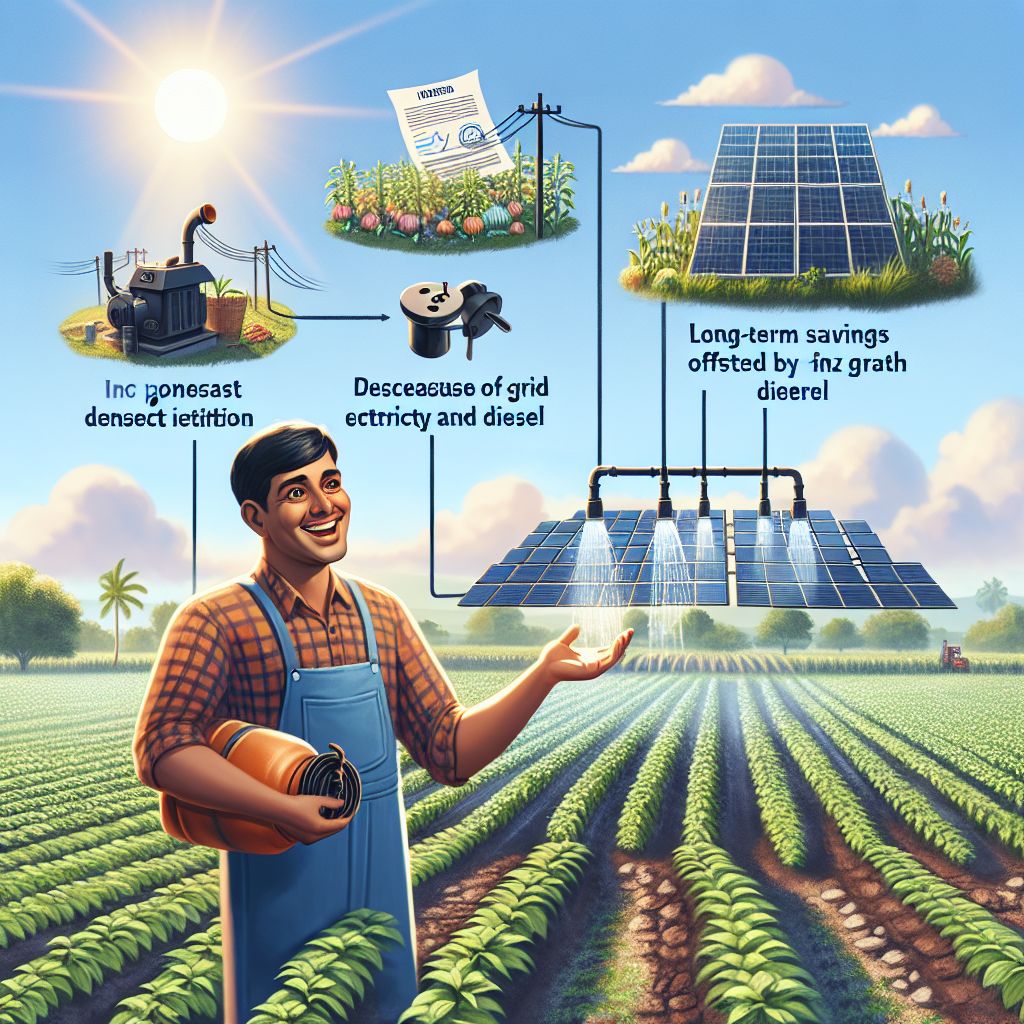
One of the most compelling reasons to adopt solar irrigation is the potential for long-term savings on energy costs. Farmers can reduce their reliance on grid electricity or diesel, both of which can be costly and subject to price fluctuations. By using free solar energy, farmers can significantly lower their operational expenses.
Moreover, the initial investment in solar irrigation systems is often recouped within a few years, thanks to these energy savings. This makes solar irrigation a financially sound choice for farmers looking to reduce costs and increase profitability.
Financial Incentives and Grants for Adoption
Many governments and organizations offer financial incentives and grants to encourage the adoption of solar irrigation systems. These incentives can help offset the initial investment costs, making it more feasible for farmers to transition to sustainable irrigation methods.
Enhancing Crop Yield and Farm Productivity
By providing consistent and precise water delivery, solar irrigation systems can enhance crop yield and overall farm productivity. Healthier crops mean higher yields, which translates to increased revenue for farmers. To learn more about the financial advantages, check out the cost savings for farmers using solar panels.
In addition, the efficiency of solar irrigation systems allows farmers to optimize their water usage, ensuring that every drop counts. This not only benefits the environment but also boosts the farm’s bottom line.
Technological Innovations in Solar Irrigation
As technology continues to advance, solar irrigation systems are becoming even more sophisticated and efficient. Innovations in automation, sensors, and remote monitoring are enhancing the capabilities of these systems, making them more accessible and effective for farmers.
Role of Sensors and Automation in Solar Irrigation System
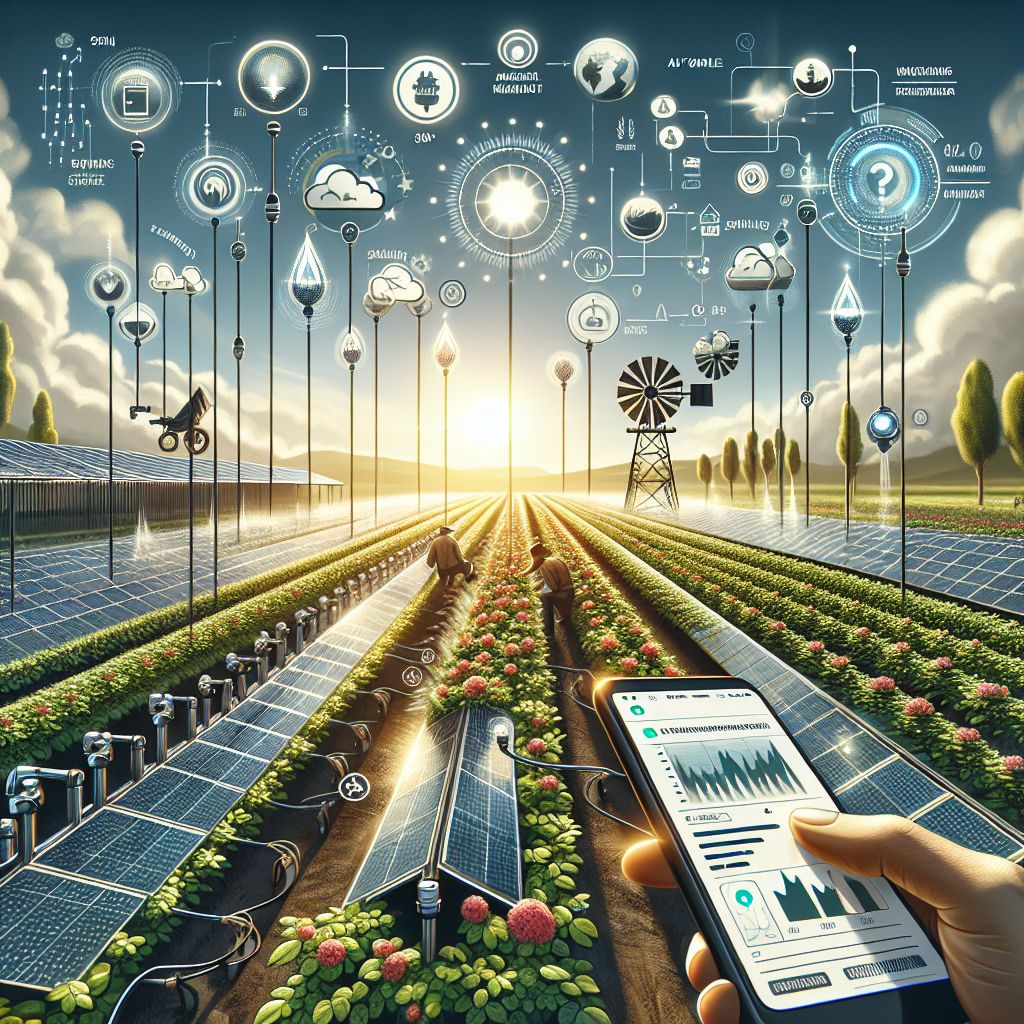
Sensors and automation play a crucial role in modern solar irrigation systems. These technologies allow for precise monitoring and control of water delivery, ensuring that crops receive the optimal amount of hydration. By integrating sensors with irrigation systems, farmers can monitor soil moisture levels, weather conditions, and crop health in real-time.
This data-driven approach enables farmers to make informed decisions about water management, ultimately improving efficiency and crop yield. Automation also reduces the need for manual intervention, saving time and labor costs.
In the final part, we’ll explore the challenges and considerations of adopting solar irrigation systems, as well as the future prospects for this sustainable technology.
Advancements in Automation and Smart Technology
Solar irrigation systems have seen significant advancements in automation and smart technology. These innovations are making systems more efficient and user-friendly. Automation allows farmers to set irrigation schedules based on real-time data, ensuring crops receive water precisely when needed.
Smart technology integrates sensors and controllers, enabling the system to adjust water delivery automatically. This reduces the need for manual intervention and ensures that water use is optimized for maximum efficiency.
Besides that, smart systems can alert farmers to potential issues, such as pump failures or low water levels, allowing for quick intervention and minimizing downtime.
Integration with Mobile and Remote Monitoring
- Farmers can monitor systems from anywhere using mobile apps.
- Remote access allows for real-time adjustments to irrigation schedules.
- Alerts and notifications keep farmers informed of system status.
With mobile and remote monitoring, farmers have unprecedented control over their irrigation systems. They can make adjustments from their smartphones, ensuring that crops receive water even when they are not on-site. This flexibility is particularly beneficial for large farms or operations with multiple locations. Additionally, integrating solar panels in agriculture can further enhance efficiency and reduce costs.
Moreover, remote monitoring enhances system reliability by providing real-time alerts. Farmers can receive notifications about system performance, such as energy production levels or potential malfunctions, allowing them to address issues promptly.
These technological advancements are making solar irrigation systems more accessible and effective, paving the way for broader adoption among farmers worldwide.
Challenges and Considerations
Despite the numerous benefits, there are challenges and considerations to keep in mind when adopting solar irrigation systems. Understanding these factors is crucial for making informed decisions and ensuring a successful transition to sustainable irrigation.
Initial Investment Costs
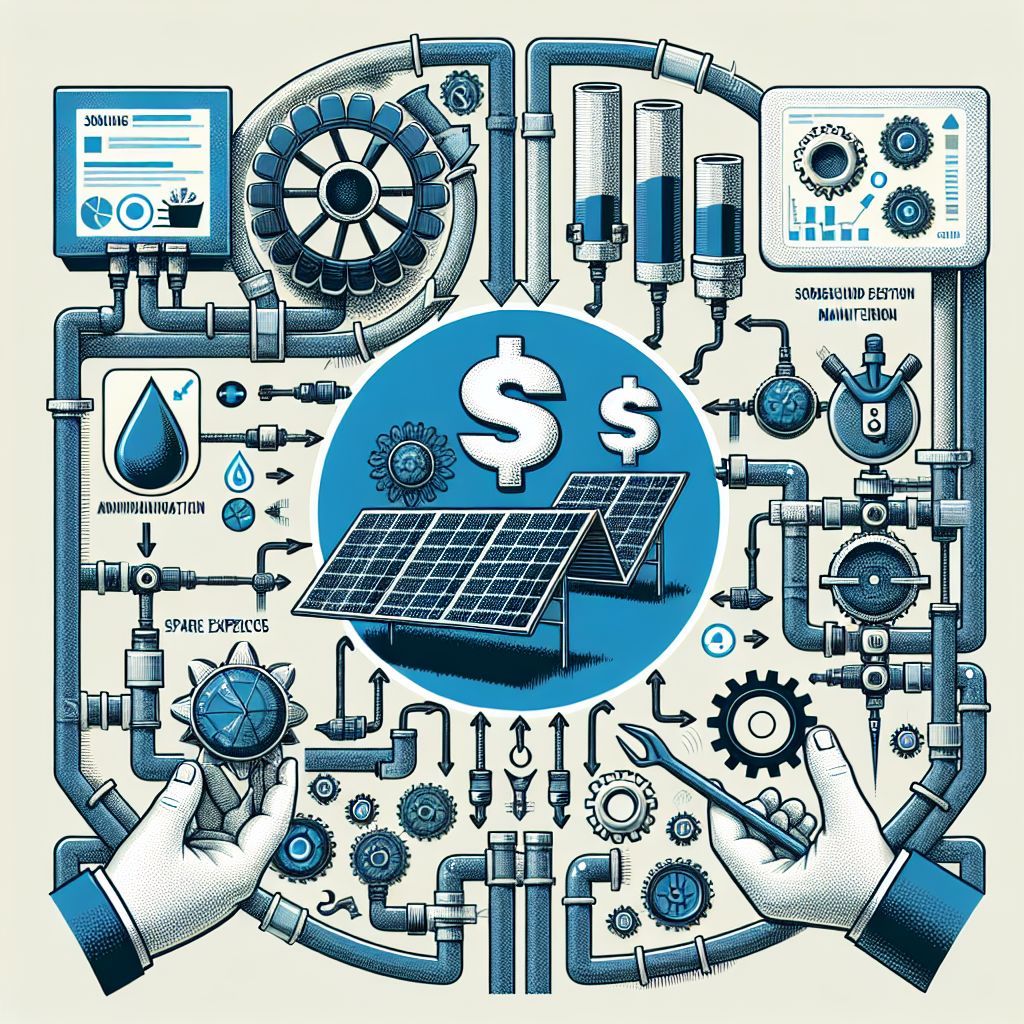
The initial investment for solar irrigation systems can be significant. The cost of solar panels, inverters, pumps, and installation can add up, making it a substantial upfront expense for farmers.
However, it’s important to consider the long-term savings on energy costs, which can offset the initial investment over time. Financial incentives and grants can also help reduce the burden of upfront costs, making solar irrigation more accessible to farmers.
Technical Expertise and Maintenance Needs
Adopting solar irrigation systems requires some level of technical expertise. Farmers need to understand how the system works and how to maintain it to ensure optimal performance. Regular maintenance is essential to keep the system running efficiently and to prevent potential issues.
Access to Resources and Support Systems
Access to resources and support systems is another consideration. Farmers need access to technical support, spare parts, and maintenance services to keep their systems operational. Building relationships with suppliers and service providers can ensure that farmers have the support they need when they need it.
Conclusion and Future Prospects
Solar irrigation systems represent a significant leap forward in sustainable agriculture. By harnessing the power of the sun, these systems offer a clean, efficient, and cost-effective way to manage water resources and enhance crop production.
Encouraging Wider Adoption and Innovation
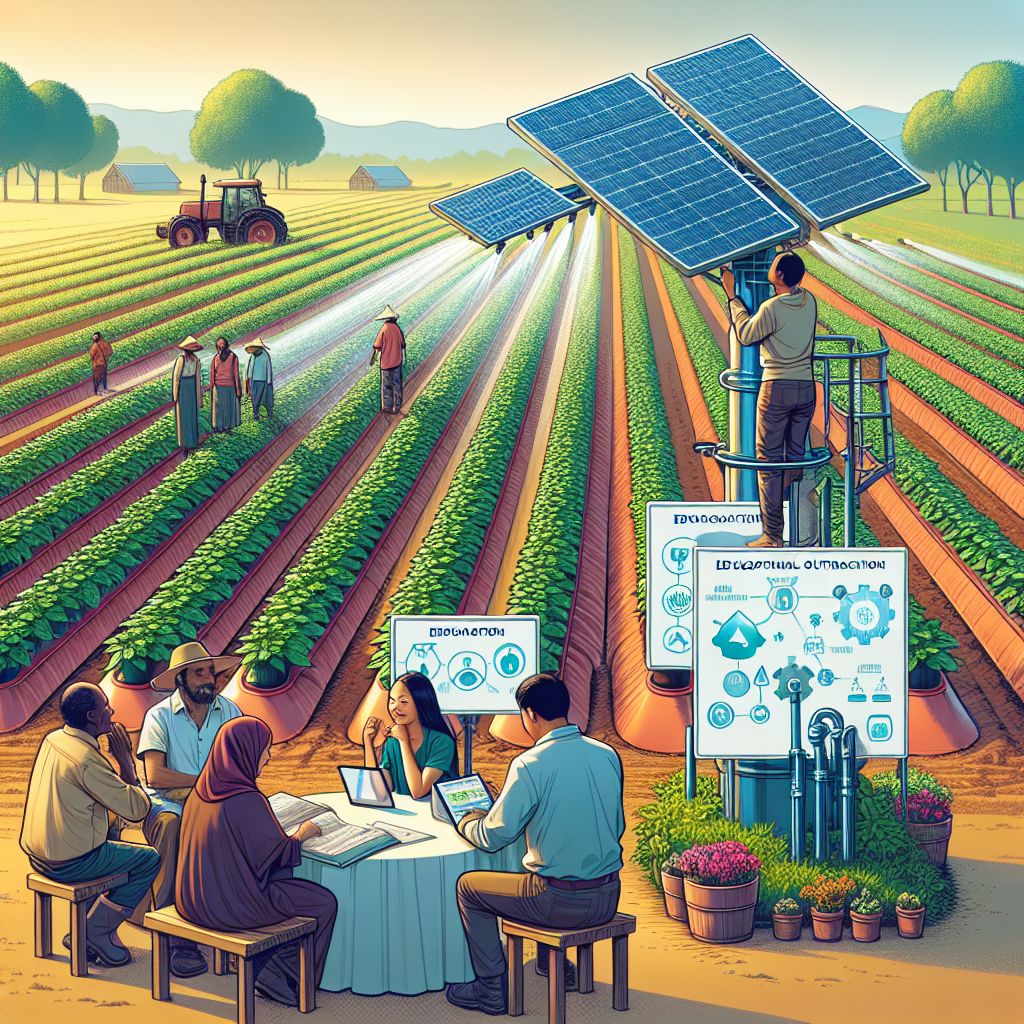
Encouraging wider adoption of solar irrigation systems is essential for promoting sustainable farming practices. Education and outreach efforts can help raise awareness of the benefits and encourage more farmers to make the transition.
Potential for Global Impact in Agriculture
Solar irrigation systems have the potential to transform agriculture on a global scale. By reducing reliance on fossil fuels and improving water management, these systems can help address some of the most pressing challenges facing agriculture today. Learn more about how solar irrigation systems help farmers.
Moreover, the environmental benefits of solar irrigation systems can contribute to global efforts to combat climate change and promote sustainable development.
Is a Solar Irrigation System worth the Investment for the Farmer
For many farmers, the investment in a solar irrigation system is worth it. The long-term savings on energy costs, coupled with the environmental benefits and increased crop yields, make it a sound financial decision.
Farmers should carefully consider their specific needs and circumstances, and weigh the potential benefits against the initial costs. With the right planning and support, solar irrigation systems can be a valuable asset for sustainable farming.
Frequently Asked Questions
As farmers consider adopting solar irrigation systems, they may have questions about how these systems work and what to expect. Here are some common questions and answers to help guide their decision-making process.
What Makes Solar Irrigation Systems Sustainable?
Solar irrigation systems are sustainable because they use renewable solar energy, reducing reliance on fossil fuels and minimizing greenhouse gas emissions. They also optimize water use, conserving this precious resource and promoting environmental stewardship.
How Do Sensors Improve Water Efficiency?
Sensors in solar irrigation systems monitor soil moisture levels, weather conditions, and crop health. This data allows the system to adjust water delivery automatically, ensuring that crops receive the right amount of water at the right time. This precision reduces water waste and enhances crop growth.
For example, a solar irrigation system with soil moisture sensors can detect when the soil is adequately hydrated and pause irrigation, preventing overwatering and conserving water.
“Sensors in solar irrigation systems monitor soil moisture levels, allowing for precise water delivery and reduced waste.”
What Are the Initial Costs of Setting Up a Solar System?
The initial costs of setting up a solar irrigation system can vary depending on the size and complexity of the system. On average, farmers can expect to pay between $10,000 and $30,000 for a complete system, including solar panels, inverters, pumps, and installation.
However, financial incentives and grants are often available to help offset these costs, making solar irrigation more affordable for farmers.
- Solar panels: $5,000 – $15,000
- Inverter: $1,000 – $3,000
- Pumps: $2,000 – $5,000
- Installation: $2,000 – $7,000
It’s important to consider the long-term savings on energy costs when evaluating the initial investment. With proper planning and support, solar irrigation systems can be a worthwhile investment for sustainable farming.
Can Solar Irrigation Work in Low Sunlight Areas?
Solar irrigation systems can work in low sunlight areas, but their efficiency may be reduced. In such areas, it may be necessary to install additional solar panels or use battery storage to ensure a consistent energy supply.
Farmers should assess their specific location and sunlight availability when planning a solar irrigation system. Consulting with experts can help determine the best configuration for optimal performance.
What Are the Longevity and Maintenance Requirements?
Solar irrigation systems are designed for long-term use, with a typical lifespan of 20 to 25 years. Regular maintenance is essential to ensure optimal performance and prevent potential issues.
“Solar irrigation systems have a typical lifespan of 20 to 25 years, with regular maintenance ensuring optimal performance.”
Maintenance tasks may include cleaning solar panels, checking connections, and replacing worn parts. With proper care, solar irrigation systems can provide reliable service for many years.
Solar irrigation systems are revolutionizing the way farmers manage their water resources. These systems utilize solar panels to power pumps that draw water from sources like rivers, lakes, or underground wells. This method not only reduces dependency on traditional energy sources but also significantly lowers operational costs. Farmers can also benefit from various government incentives aimed at promoting sustainable agricultural practices. By harnessing the power of the sun, solar irrigation systems provide a reliable and eco-friendly solution for efficient water management.







Leave a Reply