

Embracing solar power is not just about saving the planet; it’s about saving money and boosting the bottom line for farmers. By harnessing the sun’s energy, farmers can significantly reduce their energy costs and increase their farm’s overall profitability. Let’s explore how solar power can be a game-changer for your farm.
Key Takeaways
- Installing solar panels can reduce or eliminate your farm’s electricity bill, saving thousands annually.
- Federal and state incentives can cover up to 80% of the installation costs, making solar power more affordable.
- Net metering allows you to sell excess energy back to the grid, providing an additional income stream.
- Solar installations can increase the value of your farm, making it more attractive to future buyers.
- With proper maintenance, solar panels can last over 25 years, ensuring long-term energy savings.
Immediate Financial Benefits of Solar Power for Farmers
Switching to solar power can bring immediate financial benefits to farmers. One of the most significant advantages is the reduction in energy costs. By generating your own electricity, you can drastically cut down on your monthly utility bills. For many farms, this means saving thousands of dollars each year.
How Does Solar Power Work on Farm
Solar power works by converting sunlight into electricity using photovoltaic (PV) panels. These panels are installed on rooftops or open land, capturing the sun’s rays and transforming them into usable energy for your farm’s operations.
Most importantly, the energy produced by solar panels can be used to power everything from irrigation systems to refrigeration units, making it a versatile solution for farms of all sizes. By utilizing solar energy, farmers can achieve greater energy independence and reduce reliance on fossil fuels.
In addition to generating electricity, solar power systems can be paired with battery storage to ensure a steady supply of energy, even when the sun isn’t shining. This means that your farm can continue to operate efficiently, regardless of weather conditions. For more insights on how solar energy can transform your farm, check out this article on solar energy benefits for farms.
- Install solar panels on unused land or rooftops to maximize space.
- Consider battery storage to ensure a consistent energy supply.
- Monitor energy production to optimize usage and savings.
Reduction in Energy Costs
By switching to solar power, farmers can experience a significant reduction in their energy costs. Traditional electricity prices are often volatile, but solar power offers a stable and predictable energy source. This stability can help farmers better manage their budgets and plan for the future.
Moreover, solar power can completely eliminate electricity bills in some cases. Once your solar panels are installed and operational, the energy they produce is essentially free. This means that any savings you make on your electricity bill can be reinvested back into your farm, helping to boost your bottom line.
Loan and Financing Options for Solar Installation
While the initial cost of installing solar panels can be high, there are several loan and financing options available to make it more affordable for farmers. Many financial institutions offer loans specifically designed for solar installations, with favorable interest rates and flexible repayment terms. For farmers considering different solar technologies, exploring options like off-grid vs. on-grid solar power can also be beneficial.
Additionally, some solar companies offer leasing options, allowing farmers to install solar panels with little to no upfront cost. Under a lease agreement, the solar company retains ownership of the panels, and the farmer pays a monthly fee for the energy produced. This can be a cost-effective way to access solar power without a significant initial investment.
Example: A dairy farm in California installed solar panels through a leasing agreement. The farm now saves over $10,000 annually on energy costs, with no upfront expenses.
Tax Incentives and Rebates
To further reduce the cost of solar installations, farmers can take advantage of various tax incentives and rebates. Federal and state governments offer a range of programs designed to encourage the adoption of renewable energy, making solar power more accessible and affordable.
Return on Investment Timeline
- Most solar installations pay for themselves within 4-7 years.
- After the initial payback period, farmers can enjoy free electricity for the lifespan of the panels.
- Proper maintenance ensures panels remain efficient and extend their lifespan.
With these incentives, farmers can significantly reduce the upfront cost of installing solar panels. In some cases, these programs can cover up to 80% of the total project cost, accelerating the return on investment timeline and making solar power a financially viable option for farms.
This table below is taking a look at the Immediate Financial Benefits of Solar Power for Farmers
|
Immediate Financial Benefit |
Description |
Source(s) |
|---|---|---|
|
Reduced Electricity Bills |
Solar panels can lower farm energy costs by up to 75%, providing immediate savings on operational expenses. | |
|
Additional Revenue (Net Metering/Selling Excess Energy) |
Farmers can earn income by selling surplus electricity back to the grid, sometimes up to $3,000 annually, or receive credits on their utility bills. | |
|
Tax Incentives and Credits |
Federal Investment Tax Credit (ITC) allows a 30% deduction on installation costs; other state and local incentives may apply. | |
|
Grants and Financial Assistance |
USDA REAP and other grants can cover a significant portion of installation costs, reducing upfront financial barriers. | |
|
Stabilized Energy Costs |
Solar energy protects farmers from utility price fluctuations, providing predictable and consistent energy expenses. | |
|
Low Maintenance Costs |
Solar systems have minimal ongoing maintenance expenses, typically around $200 annually for a 10-kW system. | |
|
Increased Property Value |
Farms with solar installations often see an increase in property value, making them more attractive to buyers or renters. | |
|
Energy Independence |
Producing on-site electricity reduces reliance on external energy providers, enhancing farm resilience and financial security. |
These immediate financial benefits make solar power an attractive investment for farmers, offering both cost savings and new income opportunities from day one.

Practical Steps to Implement Solar Power
Farming is a demanding business, heavily reliant on energy for everything from irrigation and livestock management to powering farm equipment and lighting barns. As energy costs continue to rise, and environmental consciousness grows, solar power presents a compelling solution for farmers seeking energy independence, reduced operating expenses, and a smaller carbon footprint.
Implementing solar power on your farm is a strategic investment that can provide long-term benefits, including reduced energy costs, increased energy independence, and a more sustainable farming operation. By carefully selecting the right system, employing cost-effective installation strategies, and implementing a robust maintenance plan, you can harness the power of the sun to energize your farm for years to come. Embrace the opportunity to become a more environmentally responsible and economically resilient farmer.
Selecting the Right Solar System for Your Farm
Choosing the right solar system for your farm is crucial for maximizing savings and efficiency. Start by assessing your farm’s energy needs. Consider the size of your operations, the types of equipment you use, and your average energy consumption. This will help you determine the capacity of the solar system required to meet your needs.
Once you have a clear understanding of your energy requirements, consult with solar energy experts to explore different options. There are various types of solar panels and configurations available, each with its own set of advantages and disadvantages. By working with professionals, you can select a system that aligns with your farm’s unique needs and budget.
Besides that, consider the placement of the solar panels. Ideally, they should be installed in a location that receives maximum sunlight throughout the day. Rooftops and open fields are common choices, but make sure to avoid shaded areas that could reduce the system’s efficiency.
Cost-Effective Installation Strategies
Installing solar panels can be a significant investment, but there are several cost-effective strategies to consider. First, take advantage of government incentives and rebates to reduce upfront costs. Many programs are designed to make solar installations more affordable for farmers.
Another strategy is to explore bulk purchasing options. By joining forces with other local farmers or agricultural cooperatives, you can negotiate better prices on solar panels and installation services. This collective approach can lead to significant savings.
Additionally, consider phased installation. If your budget is limited, you can start by installing a smaller solar system and gradually expand it as funds become available. This allows you to begin reaping the benefits of solar power without breaking the bank.
Maintenance Tips for Optimal Performance
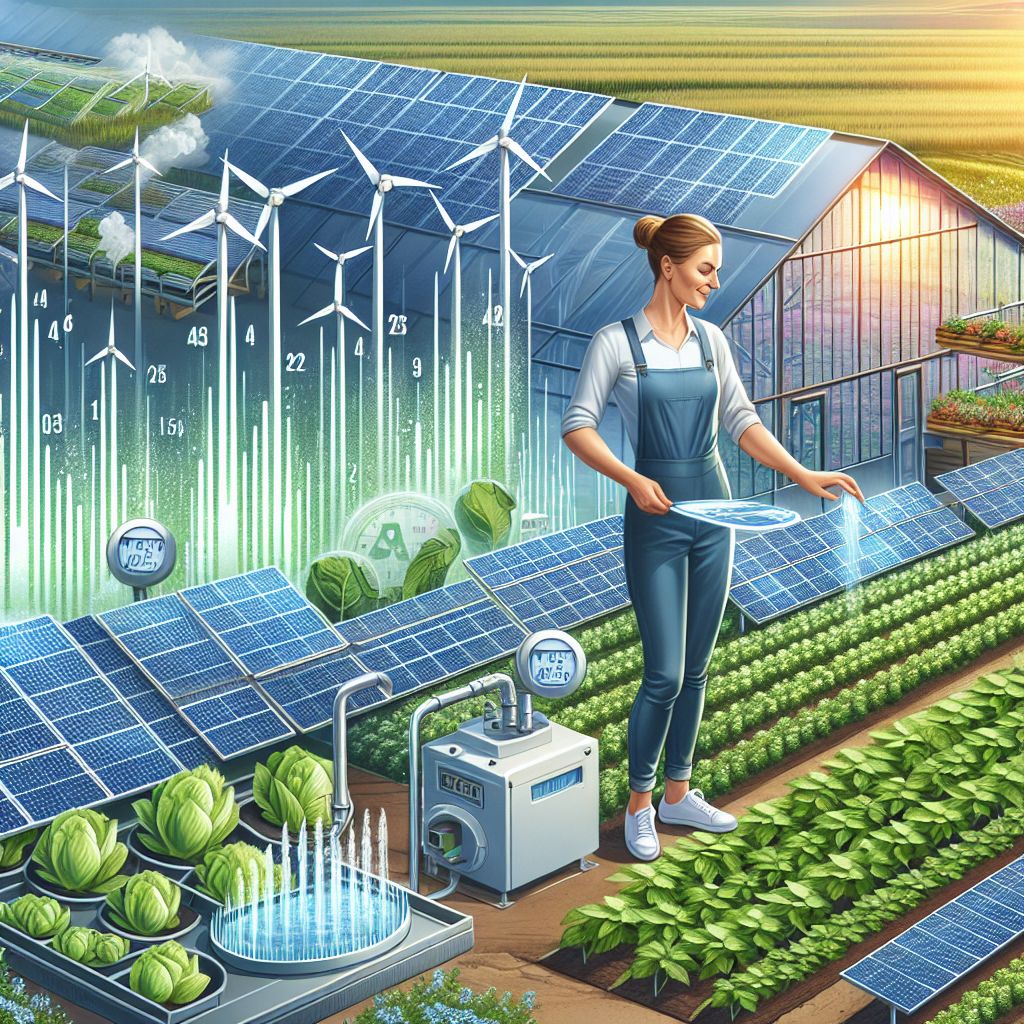
To ensure your solar system operates efficiently, regular maintenance is essential. Start by keeping the solar panels clean. Dust, dirt, and debris can accumulate on the panels, reducing their ability to capture sunlight. Clean them periodically using water and a soft brush or hire a professional cleaning service.
Regularly inspect the system for any signs of damage or wear. Check the wiring, connections, and mounting structures to ensure everything is in good condition. Address any issues promptly to prevent further damage and maintain optimal performance.
Most importantly, monitor the system’s energy production. By tracking the output, you can identify any drops in efficiency and address them promptly. Many solar systems come with monitoring tools that allow you to track performance in real-time.
Diversifying Income Streams with Solar Power
Beyond saving money, solar power offers opportunities to diversify your farm’s income streams. One such opportunity is selling excess energy through net metering. Net metering allows you to feed surplus energy back into the grid, earning credits or payments from your utility company.
This additional income can help offset the cost of the solar installation and provide a steady revenue stream. It’s a win-win situation: you contribute to a sustainable energy grid while boosting your farm’s profitability.
Selling Excess Energy through Net Metering
Net metering is a straightforward process. When your solar system produces more energy than your farm needs, the excess is sent to the grid. Your utility company tracks this surplus and compensates you, either through credits on your bill or direct payments.
To take advantage of net metering, you’ll need to ensure your solar system is connected to the grid and that you have an agreement in place with your utility provider. This arrangement can vary depending on local regulations, so it’s important to familiarize yourself with the specific requirements in your area.
Integrating Solar into Crop Management
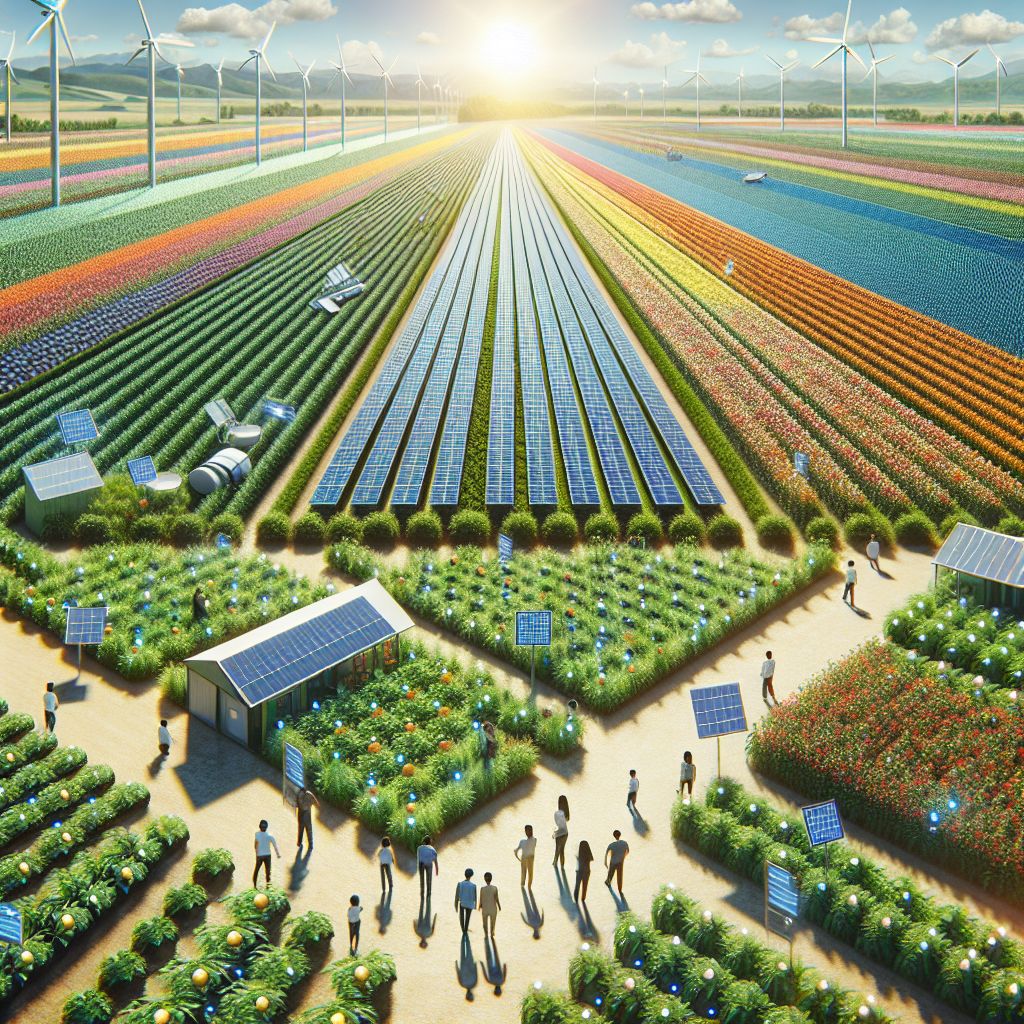
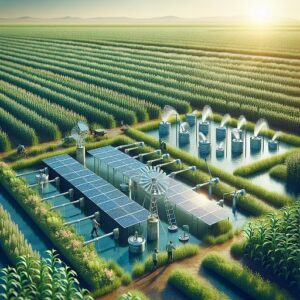
Solar power can also be integrated into your farm’s crop management practices. For instance, you can use solar energy to power irrigation systems, reducing the reliance on traditional energy sources. This not only saves money but also ensures a more sustainable water management approach. To explore more about suitable solar options, consider learning about thin-film solar panels and their benefits for farm operations.
Furthermore, solar-powered greenhouses can extend the growing season and improve crop yields. By maintaining optimal temperatures and lighting conditions, you can create an ideal environment for plant growth, regardless of external weather conditions.
Environmental and Competitive Advantages
Adopting solar power provides significant environmental benefits. By reducing reliance on fossil fuels, your farm can decrease its carbon footprint and contribute to a healthier planet. This aligns with the growing consumer demand for sustainable and eco-friendly products.
Moreover, being an eco-conscious farm can enhance your marketability. Consumers are increasingly choosing products from sustainable sources, and solar power can help you stand out as a leader in environmentally responsible farming.
Eco-Friendly Farming Practices
Solar power aligns with eco-friendly farming practices by reducing greenhouse gas emissions and conserving natural resources. By transitioning to renewable energy, your farm can minimize its impact on the environment while promoting biodiversity through off-grid solar solutions.
Additionally, solar energy can support sustainable farming methods such as precision agriculture. By utilizing solar-powered sensors and monitoring equipment, you can optimize resource use, improve efficiency, and reduce waste.
- Reduce carbon footprint with renewable energy.
- Enhance farm’s marketability as a sustainable producer.
- Leverage solar power for precision agriculture and resource optimization.
Enhanced Marketability as a Sustainable Producer
Using solar power doesn’t just benefit your farm’s bottom line; it also enhances your marketability as a sustainable producer. Consumers today are more conscious of the environmental impact of the products they purchase. By adopting solar energy, you can align your farm with these values, attracting a broader customer base.
Example: A local farm in Vermont increased its customer base by 20% after switching to solar power. Their commitment to sustainability resonated with eco-conscious consumers, boosting sales and enhancing their brand image.
Besides that, being a sustainable producer can open up new market opportunities. Many retailers and wholesalers prefer to partner with suppliers who demonstrate a commitment to environmental responsibility. Solar power positions your farm as a leader in sustainable agriculture.
Most importantly, this shift towards sustainability isn’t just about meeting consumer demand; it’s about future-proofing your farm. As environmental regulations become stricter, having a renewable energy source like solar can give you a competitive edge in the market.
Competitive Edge in Lower Production Costs
Lower production costs are another significant advantage of adopting solar power. By reducing or eliminating electricity expenses, you can allocate resources more efficiently, investing in other areas of your farm that need improvement.
For example, the savings from solar energy can be used to upgrade equipment, purchase better quality seeds, or invest in more advanced technology. These improvements can enhance your farm’s productivity and profitability, giving you a competitive edge over other producers who rely on traditional energy sources.
Closing Thoughts on Solar Investments
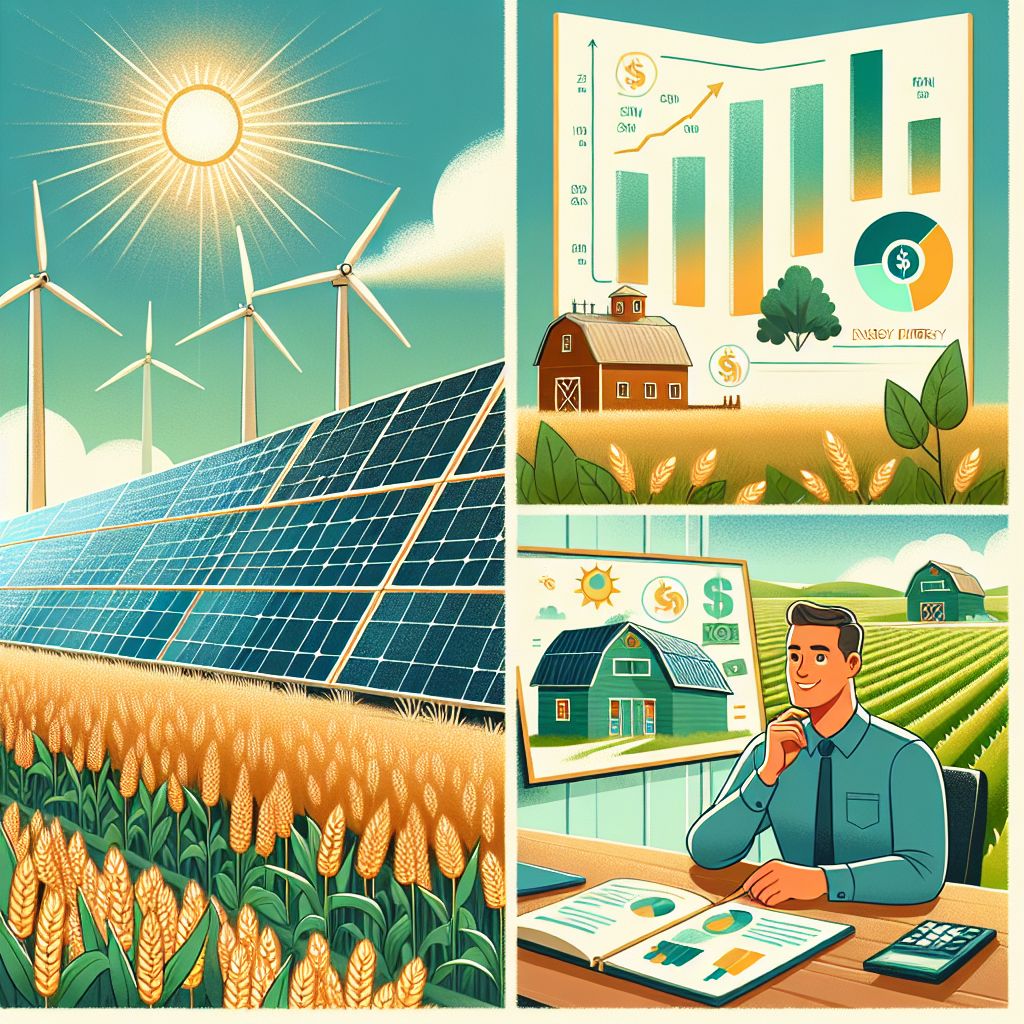
Investing in solar power is a strategic move for any farmer looking to save money and secure their farm’s future. The financial benefits are clear: reduced energy costs, potential income from net metering, and increased farm value. But the advantages extend beyond the financial realm.
Solar power empowers farmers with energy independence, reducing reliance on external energy sources and shielding them from fluctuating electricity prices. This independence allows for better financial planning and resource allocation, contributing to long-term farm sustainability.
Moreover, by adopting solar power, farmers can play a vital role in promoting environmental sustainability. Reducing carbon emissions and conserving natural resources are critical steps toward a healthier planet. As stewards of the land, farmers have the opportunity to lead by example, showcasing how sustainable practices can benefit both the environment and the economy. For more insights, explore the benefits of polycrystalline solar panels for farm efficiency.
Long-Term Financial Stability
Example: A grain farm in Kansas installed solar panels five years ago. The initial investment was recouped in just four years, and the farm now enjoys over $15,000 in annual savings, contributing to its long-term financial stability.
Solar power provides a path to long-term financial stability for farmers. By reducing energy costs and creating new revenue streams, solar installations can transform your farm and strengthen your farm’s financial foundation. This stability allows for better planning, investment, and growth opportunities.
Furthermore, solar power’s predictable energy costs make it easier to manage budgets and financial forecasts. Unlike traditional energy sources, which are subject to price fluctuations, solar energy provides a consistent and reliable cost structure.
Ultimately, the financial stability offered by solar power can ensure the continued success and sustainability of your farm for generations to come.
Empowerment Through Energy Independence
Energy independence is a powerful benefit of solar power. By generating your own electricity, you are no longer at the mercy of utility companies and fluctuating energy prices. This independence allows you to take control of your farm’s energy needs, ensuring a reliable and consistent power supply.
Frequently Asked Questions (FAQ)
As farmers consider the transition to solar power, several common questions arise. Here, we address some of the most frequently asked questions to provide clarity and guidance.
How long does it take to recoup the initial investment for solar installation on a farm?
The payback period for solar installations on farms typically ranges from 4 to 7 years. This timeline can vary based on factors such as the size of the installation, available incentives, and local electricity rates.
Once the initial investment is recouped, farmers can enjoy free electricity for the lifespan of the solar panels, which can exceed 25 years with proper maintenance.
What maintenance is required for farm solar panels?
Regular maintenance is essential to ensure optimal performance of solar panels. This includes keeping the panels clean, inspecting for damage, and monitoring energy production. Most solar systems come with monitoring tools to help track performance.
Cleaning should be done periodically to remove dust and debris that can reduce efficiency. Inspections should be conducted regularly to identify and address any issues promptly.
Are there specific programs for farmers to help with the cost of solar panels?
Yes, there are several programs available to help farmers with the cost of solar panels. Federal and state incentives, such as tax credits and rebates, can significantly reduce the upfront cost of solar installations.
Additionally, some local programs and agricultural grants may provide additional financial assistance to support renewable energy projects on farms. Learn more about how solar energy can transform your farm.
Can solar power operate farm equipment effectively?
Yes, solar power can effectively operate farm equipment. By generating electricity on-site, solar panels can power a wide range of equipment, from irrigation systems to refrigeration units, ensuring efficient farm operations.
How does solar energy affect a farm’s resale value?
Solar energy can positively impact a farm’s resale value. Properties with solar installations are often more attractive to buyers, as they offer reduced energy costs and align with sustainable practices.
Increased property value can provide a return on investment beyond energy savings, making solar power a smart choice for farmers considering future resale.
- Solar installations can enhance farm marketability and attract eco-conscious buyers.
- Energy savings from solar power can be reinvested into farm improvements.
- Government incentives and rebates make solar installations more affordable.
- Regular maintenance ensures solar panels remain efficient and extend their lifespan.
- Solar power contributes to environmental sustainability and energy independence.
By embracing solar power, farmers can save money, boost their bottom line, and contribute to a sustainable future. The benefits are clear, and the time to act is now.


Leave a Reply