
Key Takeaways
- Solar panel theft has increased by 87% on agricultural properties in the last three years, with the average farm losing $25,000-40,000 per incident.
- Thieves target farm solar installations due to their remote locations, high resale value, and the difficulty in tracking stolen panels.
- Implementing specialized mounting hardware and security fasteners can reduce theft risk by up to 70%.
- Farm operations relying on solar-powered irrigation systems can face catastrophic crop losses if panels are stolen during critical growing periods.
- SolarGuard Security Systems offers comprehensive protection plans specifically designed for agricultural solar installations.
The Rising Epidemic of Solar Panel Theft on Farms
Solar panel theft is quietly devastating farm operations across the country. As more agricultural businesses invest in renewable energy to power irrigation systems, monitoring equipment, and daily operations, thieves have taken notice of these valuable, often unprotected assets. The problem has grown so severe that in some counties, farms are reporting multiple thefts per month, with losses totaling hundreds of thousands of dollars annually.
What makes this trend particularly alarming is how quickly and efficiently these thefts occur. Professional thieves can strip a small solar array in under 20 minutes, often arriving with specialized tools and transportation to make off with panels worth thousands. For farm operations that have become dependent on solar power, the consequences extend far beyond the replacement cost of the equipment.
SolarGuard Security Systems has been tracking this troubling trend through their extensive network of agricultural clients. Their data shows that farms located more than five miles from the nearest neighbor face a 340% higher risk of solar theft than those in more populated areas. This isolation, combined with predictable patterns when farmers are away from the property, creates a perfect opportunity for thieves.
- Solar panels are typically stolen at night or during known harvest periods when farmers are busy elsewhere
- Thieves often scout locations multiple times, looking for security vulnerabilities
- Most stolen panels are either resold domestically at steep discounts or shipped overseas
- The average theft takes less than 30 minutes from arrival to departure
- Less than 5% of stolen farm solar equipment is ever recovered
Why Thieves Target Farm Solar Panels
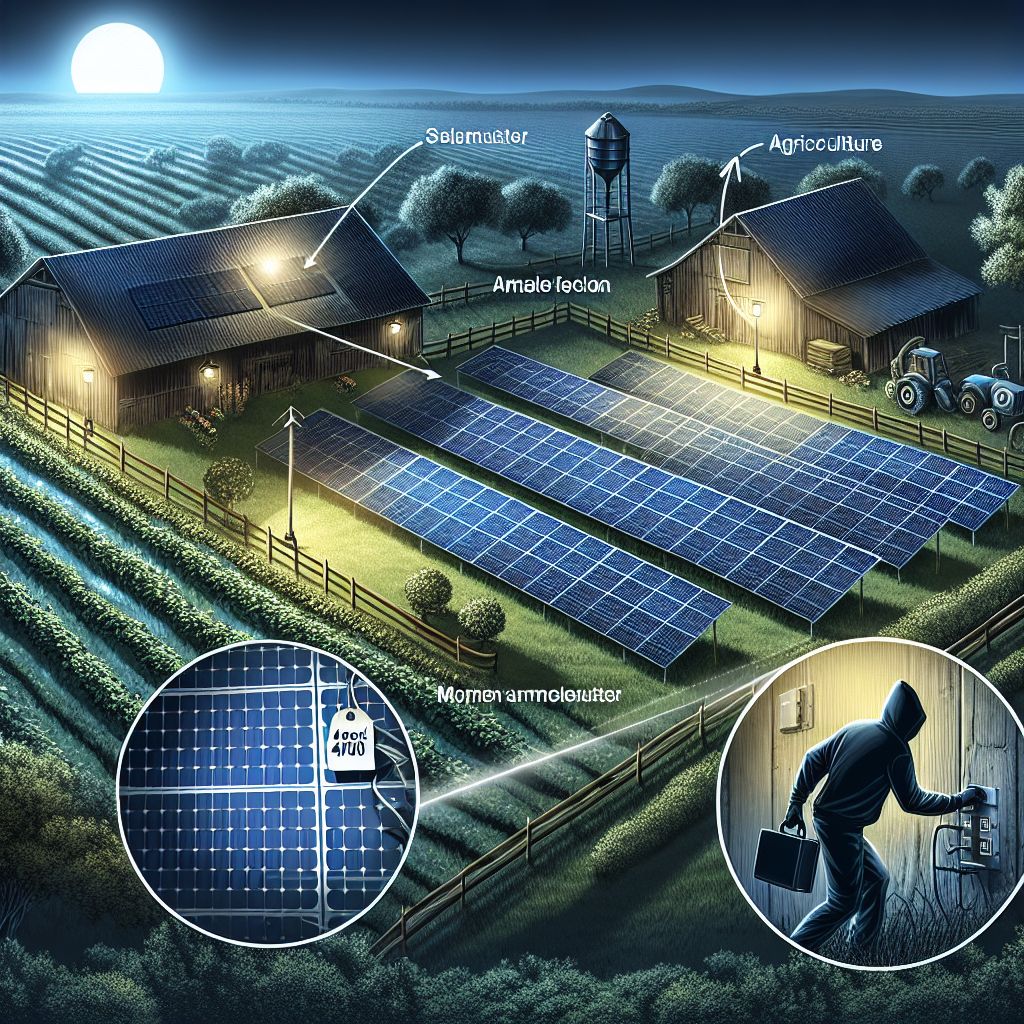
Understanding why thieves specifically target agricultural solar installations is crucial to developing effective prevention strategies. Unlike residential or commercial installations, farm solar arrays often combine high value with minimal security in remote locations. This combination has created a lucrative opportunity for organized theft rings specifically targeting rural properties.
High Resale Value in Underground Markets
A single 400-watt solar panel can fetch $150-300 in underground markets, with specialized models bringing even higher prices. Thieves targeting larger farm installations can easily steal 20-40 panels in a single operation, representing a significant payday. The secondary market for these panels has expanded dramatically, with stolen equipment often making its way to remote construction sites, off-grid communities, or international buyers where tracking becomes nearly impossible.
Remote Locations Make Easy Targets
The isolated nature of most farm operations creates perfect conditions for thieves. Many agricultural solar installations are positioned in remote fields, powering irrigation systems far from the main farm buildings and residential areas. This isolation means thieves can operate without witnesses, often having hours before anyone notices the theft. Seasonal farming operations are particularly vulnerable, as equipment may go unchecked for days or weeks during off-seasons.
Lack of Serial Numbers for Tracking
While solar panels do have serial numbers, many farmers fail to document this critical information. Without recorded serial numbers, identifying stolen panels becomes nearly impossible for law enforcement. Even when farmers do maintain proper records, the lack of a central database for checking serial numbers means thieves can easily resell panels with minimal risk. This documentation gap represents one of the most significant challenges in recovering stolen equipment and prosecuting thieves. For more insights on how farmers can improve their solar panel security, check out these tips and solutions.
Thieves target solar panels on farms for several interrelated reasons. The factors can be organized as follows:
|
Factor |
Description |
Source(s) |
|---|---|---|
|
High Resale Value |
Solar panels themselves are valuable on the second-hand market, especially where demand outpaces supply. Even damaged panels fetch significant prices. | |
|
Value of Metals (Copper, etc.) |
Cabling and components contain high-value metals like copper, which have seen sharp price increases. Cables are often stripped and sold for scrap. | |
|
Remote Location |
Farms and solar installations are often in isolated, rural areas, making them easier targets due to lack of nearby witnesses, slow police response, and minimal monitoring. | |
|
Minimal Security |
Many solar farms lack comprehensive security systems, relying on basic fencing and minimal surveillance, leaving assets exposed and vulnerable. | |
|
Ease of Access & Removal |
Panels are large, visible, and distributed across wide open fields, making them easy for thieves to spot and remove quickly, especially at night or with off-road vehicles. |
9, |
|
Difficulty of Tracing |
Most panels and copper cabling lack unique identification or effective tracking, making stolen items difficult for law enforcement to recover and for owners to prove ownership. | |
|
Opportunistic & Organized Crime |
Organized crime rings target farms for large hauls, while individuals seize opportunistic thefts due to the low risk of getting caught in remote areas. | |
|
Black Market & Online Sales |
Online marketplaces allow for easy resale of stolen panels and components, bypassing the checks that legitimate businesses use. | |
|
Impact Aggravated by Dependence |
The theft doesn’t just cause the loss of the panel—it can halt power supply, disrupt farm operations (like irrigation), and cause major economic damage. |
These vulnerabilities combine to make farm-based solar panels highly attractive targets for theft, with criminals motivated by the high financial return, low risk, and ease of executing the crime. Demand for solar and scrap metals, particularly copper, further amplifies the incentive for theft.
Real Costs of Solar Panel Theft
The true impact of solar panel theft extends far beyond the initial replacement costs. When thieves target farm solar installations, they trigger a cascade of financial and operational consequences that can cripple agricultural operations for months. Understanding these multilayered impacts helps illustrate why prevention must be a priority for every farm using solar energy.
Immediate Financial Losses
The direct replacement cost of stolen solar equipment typically ranges from $15,000 to $100,000 depending on the system size and type. This financial blow comes without warning and rarely aligns with planned capital expenditures. Most farm operations run on tight margins with carefully managed cash flow, making unexpected five-figure expenses potentially devastating. Even with insurance, deductibles and coverage limitations often leave farmers bearing substantial costs.
Beyond the panels themselves, thieves frequently damage mounting systems, inverters, and wiring during hasty removal. These additional components can add 30-40% to the total replacement expense, yet are often overlooked when calculating losses. The specialized nature of many agricultural solar systems also means replacement parts may have significant lead times, extending the period of disruption.
Operational Disruptions to Critical Farm Systems
For farms that have transitioned to solar-powered irrigation, livestock watering systems, or climate control in growing facilities, the operational impact of theft can be catastrophic. A single day without power during critical growing periods can result in crop damage or loss that dwarfs the cost of the stolen equipment. The timing of these thefts often compounds the damage – criminals tend to strike during peak growing seasons when systems are most active and farmers are busiest with other operations.
The ripple effects continue throughout the farm ecosystem. Without power for security systems, farms become more vulnerable to additional theft. Monitoring systems for soil moisture, temperature control, and automated feeding systems all fail when solar power is compromised. This cascade of operational failures can quickly transform a successful farm operation into a crisis management scenario.
Insurance Complications and Coverage Gaps
Many farmers discover too late that standard farm insurance policies have significant limitations when covering solar equipment. Policy language often categorizes solar panels differently than traditional farm equipment, resulting in lower coverage limits or higher deductibles. Some policies exclude coverage entirely if certain security measures weren’t in place at the time of theft, creating painful surprises during the claims process.
Insurance claims for solar theft typically require extensive documentation that many farmers don’t maintain – including original purchase receipts, installation records, maintenance history, and serial numbers. Without these records, claims may be denied or significantly reduced. Even when claims are approved, the reimbursement schedule rarely aligns with the urgent replacement timeline needed to maintain operations.
Long-Term Production Impacts
Perhaps most concerning are the long-term production impacts that ripple through seasonal farm operations. Disruption during key growing periods can’t simply be made up later – those critical windows of opportunity are permanently lost. For specialty crop operations with precise timing requirements, solar theft can effectively eliminate an entire growing cycle or season. These losses extend to contracts with buyers, potentially damaging long-established business relationships and future marketing opportunities.
The psychological impact on farm operators shouldn’t be underestimated either. The violation of security and sudden operational crisis creates significant stress during already demanding periods. This stress can impair decision-making precisely when clear thinking is most needed, potentially leading to cascading mistakes that compound the damage.
Physical Security Measures That Actually Work
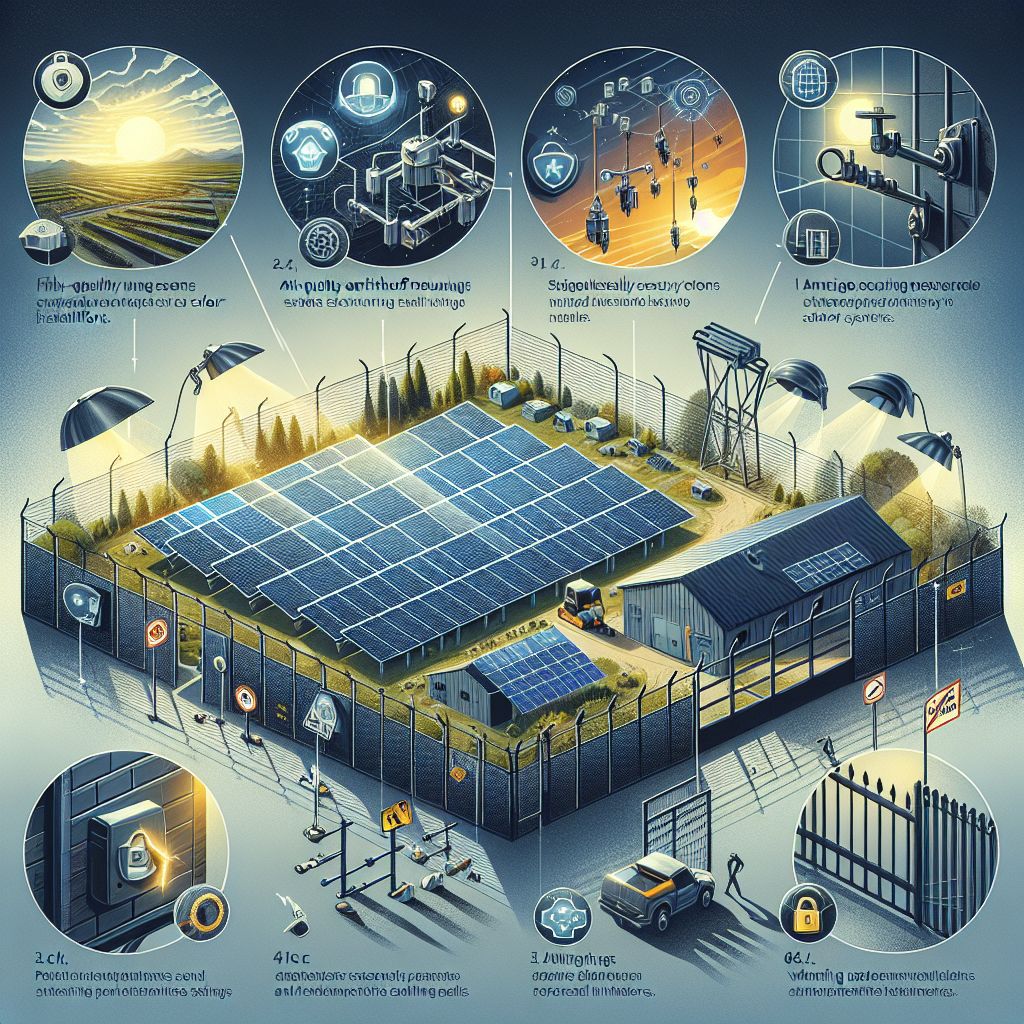
While no security system is completely theft-proof, implementing multiple layers of physical security can significantly reduce risk. The most effective approach combines several complementary measures that make your solar installation a less attractive target compared to unprotected systems. SolarGuard Security’s agricultural specialists recommend a comprehensive approach that addresses multiple vulnerability points.
1. Anti-Theft Mounting Systems
Modern anti-theft mounting hardware represents the first line of defense against solar panel theft. These specialized systems use one-way bolts, security fasteners with unusual head patterns, and tamper-evident connections that significantly slow down removal attempts. Look for systems featuring hardened steel construction and welded connections rather than standard bolts. Some advanced systems include breakaway sections that render panels unusable if improperly removed, eliminating their resale value. For more insights into how solar power is transforming modern farming, explore various applications and innovations in the field.
The most effective mounting systems incorporate integrated security features directly into their design rather than adding them as afterthoughts. These systems typically cost 15-20% more than standard mounting hardware but can reduce theft risk by over 60%. When evaluating options, prioritize designs that require specialized tools for disassembly – tools that typical thieves are unlikely to carry. For more information on solar power applications, check out these practical examples and activities.
2. Security Fasteners and Locks
Specialized security fasteners provide an essential second layer of protection, particularly for existing installations where complete mounting system replacement isn’t practical. These fasteners replace standard hardware with security alternatives that require uncommon tool patterns for removal. Options range from one-way screws and bolts to fasteners with proprietary head patterns that conventional tools cannot grip. For maximum effectiveness, use multiple security fastener types throughout your installation rather than standardizing on a single pattern.
Supplementing security fasteners with high-quality locks adds another crucial protective element. Case-hardened chains and padlocks securing panel frames to mounting structures create significant additional work for thieves operating under time pressure. The most effective approach combines cable-style locks running through panel frames with traditional padlocks on access points, creating redundant security layers that must be defeated separately.
3. Perimeter Fencing Options
Strategic perimeter protection creates a critical buffer zone around solar installations that forces thieves to overcome additional barriers before accessing panels. Agricultural-grade security fencing should stand at least 8 feet tall with anti-climb features like rolled tops or angled extensions. Consider using expanded metal mesh rather than chain link where possible – expanded metal cannot be easily cut with standard bolt cutters and offers fewer handholds for climbing.
Enhance fencing effectiveness by incorporating natural barriers like thorny hedgerows or drainage ditches that make vehicle access more difficult. These natural elements blend with the agricultural landscape while creating additional obstacles. For remote installations, consider “defense in depth” with multiple fencing layers – an outer perimeter fence around the broader area and an inner security fence directly surrounding the panel array.
4. Security Lighting Placement
Strategic lighting transforms dark, secluded solar installations into highly visible, high-risk targets for potential thieves. Motion-activated LED flood lighting provides the most effective deterrent, particularly when positioned to eliminate shadows and blind spots around the entire installation. For more tips on securing your solar panels, check out these solar panel security solutions. Mount lights high enough to prevent tampering (minimum 12 feet) and protect power supplies and wiring inside locked, tamper-resistant enclosures.
Consider solar-powered security lighting with battery backup for remote installations – these self-contained units continue functioning even if thieves attempt to cut power. Position primary lighting to illuminate access points and mounting hardware specifically, making any tampering attempts immediately visible. For maximum effectiveness, supplement fixed lighting with roving pattern lights that create unpredictable illumination patterns, making it difficult for thieves to identify and plan around consistent dark areas. For more tips on securing your solar panels, explore anti-theft strategies.
5. Warning Signs and Deterrents
While seemingly simple, properly deployed warning signage significantly enhances overall security by establishing clear consequences for intrusion. Post visible security warnings that specifically mention surveillance, alarms, and notification of authorities. Signs should be weather-resistant, positioned at eye level, and include both text and universal symbols for maximum impact regardless of language barriers. For a deeper understanding of how solar power is transforming modern farming, you can explore this informative article.
Enhance signage effectiveness with visible security props that suggest comprehensive monitoring – even if full systems aren’t yet implemented. Dummy cameras with blinking indicator lights, prominent junction boxes with security company branding, and sensor-looking devices create uncertainty for potential thieves conducting initial site assessments. The goal is creating sufficient doubt about the security measures in place to encourage thieves to seek easier targets elsewhere.
Technology Solutions for Solar Panel Protection
While physical barriers create essential first-line defenses, modern technology provides advanced detection and response capabilities that complement traditional security measures. Today’s smart security systems offer farm operators unprecedented visibility and control, even from miles away. These technological solutions create multiple layers of protection that work in harmony to detect, deter, and document potential theft attempts.
Motion-Activated Surveillance Systems
Advanced motion-activated camera systems provide both deterrence and documentation for rural solar installations. Unlike urban environments where false triggers are common, agricultural settings allow for precise calibration that ignores wildlife while immediately alerting to human presence. The most effective systems combine visible deterrent cameras with concealed units that continue recording even if obvious cameras are disabled. Modern agricultural security cameras feature extended battery life, cellular connectivity, and sophisticated motion detection algorithms specifically calibrated for farm environments. For more information on how solar power is transforming modern farming, explore this comprehensive guide.
Position primary cameras to capture clear views of both access points and the panels themselves, ensuring facial recognition quality imagery is possible. Supplement these with wide-angle overview cameras that document the entire scene, providing context and capturing vehicles or accomplices that might otherwise remain out of frame. For maximum effectiveness, ensure recorded video is automatically uploaded to cloud storage in real-time, preventing thieves from eliminating evidence by stealing recording equipment.
GPS Tracking Devices
Concealed GPS tracking devices represent a game-changing technology in solar panel security. These compact transmitters can be hidden within panel frames, junction boxes, or mounting systems, making them invisible to thieves during hasty removal. Modern agricultural-grade trackers feature extended battery life measured in months rather than days, weatherproof construction, and multiple reporting frequencies that activate when movement is detected. Some advanced models include geofencing capabilities that trigger immediate alerts when panels move outside predetermined boundaries.
The most effective deployment strategy involves multiple trackers distributed throughout the installation rather than relying on a single device. This redundancy ensures tracking continues even if thieves discover and disable some units. When selecting tracking systems, prioritize solutions specifically designed for outdoor agricultural applications, as these offer the durability and signal strength necessary for remote farm locations where cellular connectivity may be limited. For more information on solar applications, check out these practical examples of solar power in agriculture.
Alarm Systems That Alert Your Phone
Modern agricultural alarm systems extend far beyond traditional sirens, providing immediate smartphone notifications that allow for rapid response regardless of your location. These systems integrate multiple sensor types – including vibration detectors that register panel removal attempts, perimeter breaches that detect fence cutting, and motion sensors that identify unauthorized presence. The most effective configurations create multiple trigger zones that provide specific information about which section of your installation is being targeted, allowing for more precise response. Learn more about solar power applications for a farm to enhance your security measures.
When selecting alarm systems for solar installations, prioritize platforms offering redundant communication paths that continue functioning if primary connections are compromised. The best systems utilize combinations of cellular, radio frequency, and satellite connectivity rather than relying solely on potentially vulnerable internet connections. For maximum effectiveness, ensure your system includes automatic escalation protocols that notify secondary contacts if the primary user doesn’t acknowledge alerts within a predetermined timeframe. For more insights on solar technology, explore the workings of solar panels.
Farm Community Approaches to Prevent Theft
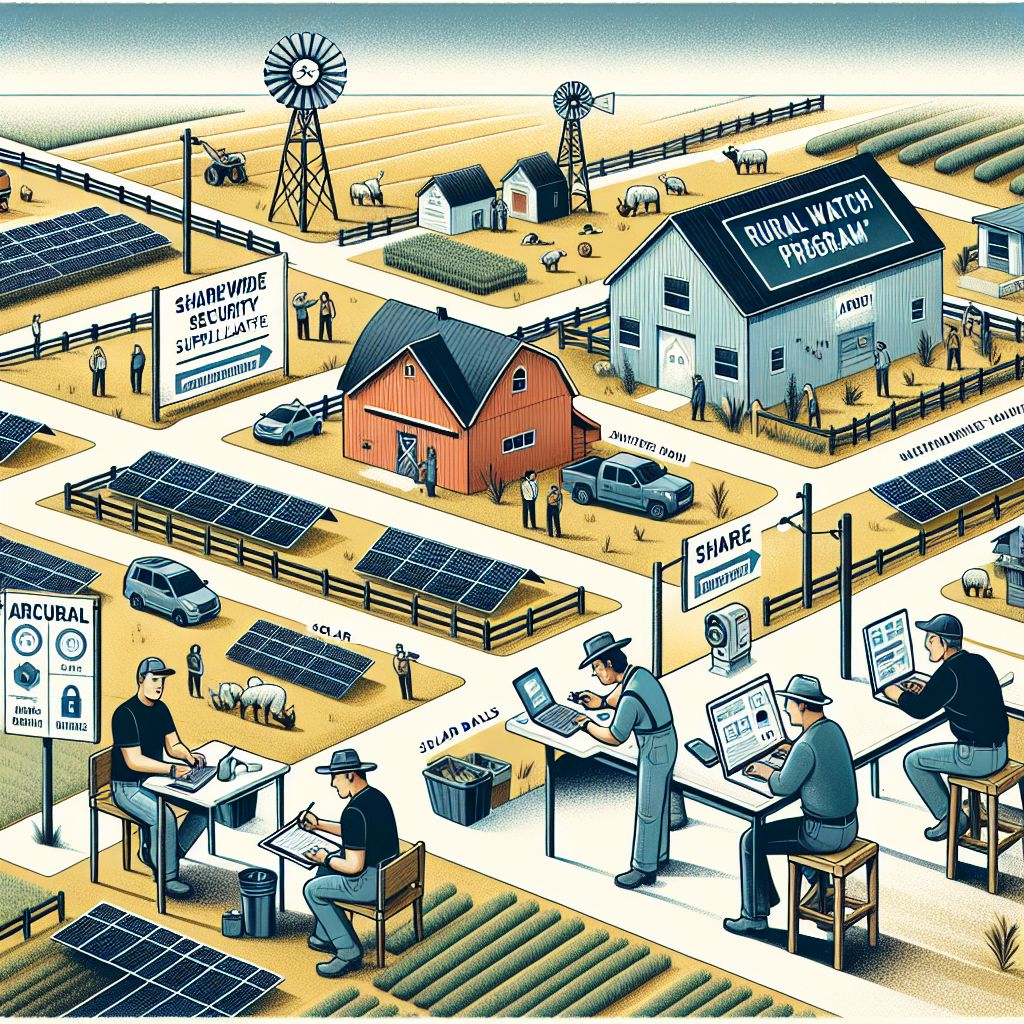
Individual security measures gain significant power when reinforced through community collaboration. Rural farm networks provide natural security frameworks that, when properly organized, create powerful theft deterrents across wide geographic areas. These collaborative approaches cost little to implement yet dramatically increase security effectiveness through shared vigilance and coordinated response. For more on how solar technology can benefit farm operations, explore solar power applications for a farm.
Establishing Rural Watch Programs
Structured rural watch programs transform isolated farms into connected security networks with minimal investment. The most effective programs establish regular communication protocols between neighboring operations, creating consistent information sharing about suspicious activities or vehicles. Consider implementing shared security signage across multiple properties that announces area-wide surveillance and coordinated monitoring, expanding the perceived security envelope beyond individual farm boundaries. For additional strategies to enhance farm security, explore practical examples of solar power applications in farm operations.
Modern rural watch programs leverage technology through group messaging platforms that allow instant alerts to all members. These digital networks enable real-time sharing of security camera images, license plate numbers, and detailed descriptions that help identify potential threats. For maximum effectiveness, establish clear activation criteria and response protocols so all members understand when and how to share information or contact authorities. The psychological impact on potential thieves knowing multiple property owners are watching and communicating cannot be overstated.
Immediate Steps After a Theft Occurs
Despite the best preventive measures, theft can still occur. Having a predetermined response plan significantly improves recovery chances and minimizes operational disruption. The first 48 hours following theft are critical – actions taken during this window often determine whether equipment is recovered and operations quickly restored or whether losses become permanent. For more on how solar technology is impacting agriculture, explore how solar power is transforming modern farming.
Proper Documentation for Insurance Claims
Thorough documentation immediately following theft discovery directly impacts insurance claim outcomes. Begin by photographing the entire scene, including damaged mounting hardware, cut wires, fence breaches, and tire tracks or footprints. Document serial numbers of stolen equipment from your maintenance records, along with purchase dates, model numbers, and distinguishing features. Maintain a detailed timeline noting when systems were last confirmed operational and when theft was discovered, as this information helps establish the crime timeframe.
Contact your insurance provider within hours rather than days, initiating the claims process before evidence degrades. Most agricultural insurance policies have specific reporting timeframes that, if missed, can complicate claims. Prepare comprehensive documentation packages including original purchase invoices, installation contracts, maintenance records, and any security footage available. The most successful claims typically include affidavits from neighboring property owners who might have witnessed unusual activity, reinforcing your timeline and circumstances. For more information on how solar power is transforming modern farming, explore additional resources.
Working With Law Enforcement
Effective collaboration with law enforcement significantly improves recovery prospects when solar equipment is stolen. Request an on-site investigation rather than simply filing a report by phone – physical evidence at the scene often provides crucial investigative leads. Provide officers with complete serial number lists, photographs of the stolen equipment, and any security camera footage, regardless of how insignificant it might seem. Be prepared to identify distinguishing features that make your panels recognizable, such as farm identification markings, stickers, or specific wear patterns.
Maximize recovery potential by immediately notifying recycling centers, solar installation companies, and online marketplace monitors within a 200-mile radius of your farm. Thieves typically sell stolen panels quickly, often within 24-48 hours of theft. Law enforcement can distribute serial numbers to these potential resale points, creating an early warning network that has proven effective in identifying stolen equipment before it disappears permanently. For more information on how solar power is transforming modern farming, explore our detailed article.
Temporary Power Solutions
Maintaining critical farm operations while replacing stolen solar equipment requires immediate implementation of temporary power alternatives. For irrigation systems, consider rapidly deployable generator solutions that can bridge the power gap until permanent systems are restored. Many agricultural equipment rental companies now offer solar emergency response kits specifically designed for farms experiencing theft, featuring portable panel arrays that can be deployed within hours rather than days.
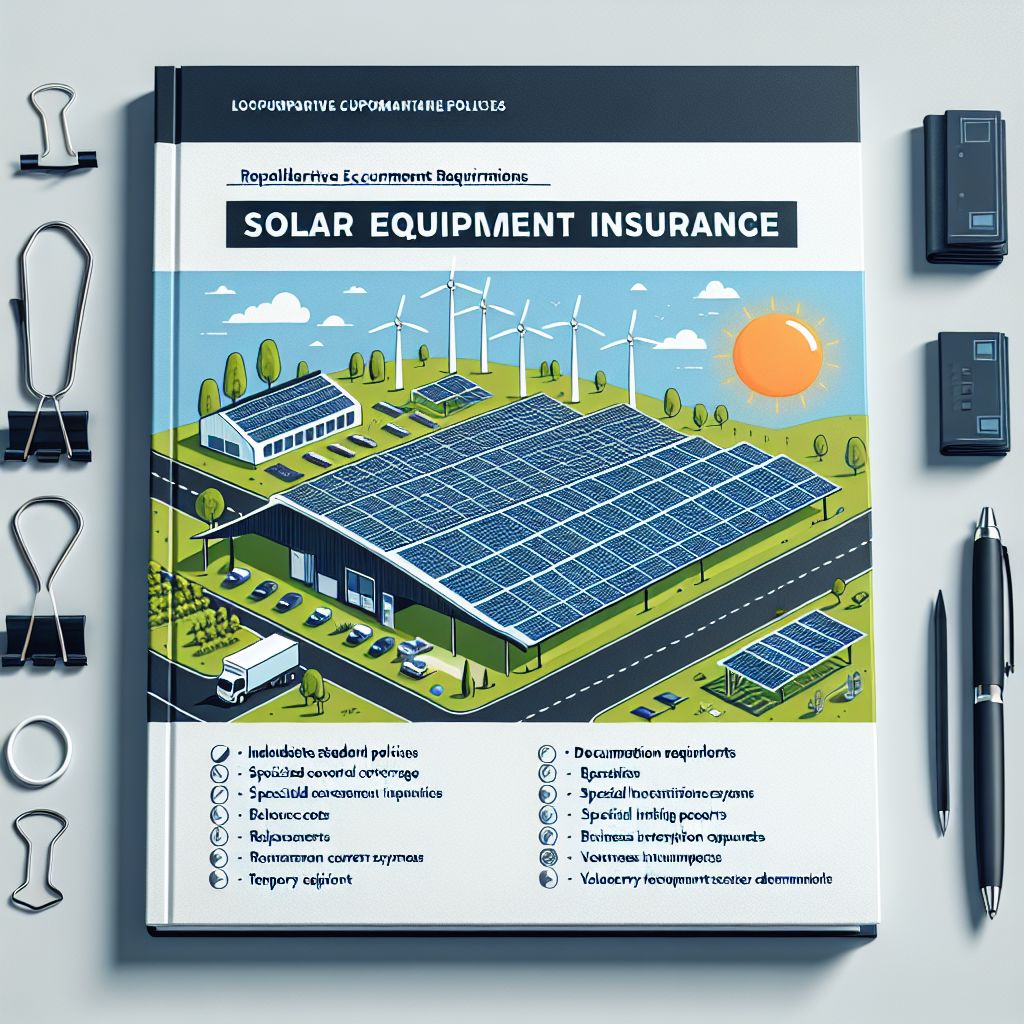
Insurance Options for Solar Equipment
Standard farm insurance policies often provide inadequate coverage for solar equipment, creating devastating financial surprises when theft occurs. Specialized coverage options designed specifically for renewable energy systems offer significantly better protection and should be considered essential for any substantial solar investment. Review your current policy immediately – most farmers discover coverage gaps only after experiencing a loss.
Special Riders for Renewable Energy Systems
Specialized insurance riders designed specifically for agricultural solar installations provide comprehensive protection beyond standard policy limits. These riders typically offer replacement cost coverage rather than depreciated value, ensuring complete system restoration regardless of age. The most effective policies include business interruption coverage that compensates for lost production during the replacement period – particularly valuable for operations where solar powers essential growing systems. When evaluating riders, prioritize those offering immediate access to temporary equipment during the claims process, minimizing operational disruption.
Documentation Requirements
Successful insurance claims require thorough documentation maintained well before theft occurs. Create comprehensive equipment inventories including serial numbers, model numbers, purchase dates, and installation details for all system components. Photograph your entire installation from multiple angles, documenting not just panels but also mounting systems, inverters, and security measures. Store this documentation both onsite in secure locations and offsite or cloud-based systems that remain accessible even if farm buildings are compromised.
Establish regular documentation update protocols that capture system modifications, repairs, or expansions as they occur rather than attempting to reconstruct these details after a theft. The most successful claims include maintenance records demonstrating proper system care, security measure implementation evidence, and regular value assessments that reflect current replacement costs rather than original purchase prices. This documentation investment typically requires just hours of effort but can save tens of thousands in claim disputes.
Protect Your Farm’s Energy Future
The transition to solar energy represents a crucial advancement for modern agriculture, delivering operational efficiency, environmental benefits, and long-term cost stability. Don’t let security vulnerabilities undermine these advantages. By implementing comprehensive physical security, leveraging modern technology, engaging your farming community, and maintaining proper insurance coverage, you can effectively protect your solar investment from increasingly sophisticated theft threats. Remember that security is never completed but continuously improved – regular assessment and enhancement of your protection measures ensures your farm’s energy future remains secure for years to come. For custom security assessments tailored to your specific agricultural operation, SolarGuard Security Systems offers free consultations to identify and address your unique vulnerabilities.
Frequently Asked Questions
These questions represent the most common concerns farmers express when developing solar security strategies. Understanding these fundamental issues helps create more effective protection for your renewable energy investments.
How quickly can thieves remove solar panels from a farm?
Experienced thieves can remove unprotected solar panels with alarming efficiency. Professional theft operations typically strip 20-30 panels in under 30 minutes, with some sophisticated teams completing removal in as little as 15 minutes per array. This rapid timeline emphasizes why delayed notification systems alone provide insufficient protection – by the time alerts are received and responded to, thieves have often completed removal and left the property. Multiple security layers that physically slow removal attempts create crucial intervention windows that make immediate response possible.
What time of day do most solar panel thefts occur?
The vast majority of agricultural solar thefts (87%) occur between 11 PM and 4 AM, with the peak window between 1 AM and 3 AM when farm operations are typically at their quietest and neighboring properties least active. Secondary risk periods include mid-morning hours (9 AM to 11 AM) when many farmers are working fields furthest from main buildings. Seasonal patterns show increased theft activity during harvest periods when farmers maintain predictable field schedules away from central operations. These timing patterns highlight why 24-hour monitoring systems with immediate alerts are essential components of effective security strategies.
Are DIY solar installations more vulnerable to theft?
Statistics clearly show that DIY solar installations experience 340% higher theft rates compared to professionally installed systems. This vulnerability stems primarily from two factors: DIY systems typically utilize standard mounting hardware rather than security-enhanced alternatives, and self-installed systems often lack integrated security planning that professional installers provide. If pursuing DIY installation, allocate 15-20% of your total project budget specifically for security enhancements including specialized mounting hardware, monitoring systems, and perimeter protection. Consult with agricultural security specialists to review your installation plans before purchasing components, as security modifications are significantly less expensive when incorporated during initial installation rather than retrofitted later.
Can I claim stolen solar panels on my farm insurance?
Most standard farm insurance policies provide limited coverage for solar equipment, typically treating panels as either structures or equipment depending on specific policy language. This classification distinction creates significant coverage variations – structural classification often limits replacement to depreciated value while equipment classification may provide full replacement cost. Review your specific policy immediately, paying particular attention to coverage sublimits that cap reimbursement regardless of actual loss value. If your policy lacks specific renewable energy provisions, consider adding specialized riders designed for agricultural solar installations. These riders typically increase premiums by only 5-10% while providing comprehensive protection including business interruption coverage for operations dependent on solar power.
Be aware that most insurers require documentation showing reasonable security measures were implemented prior to theft. Claims are frequently reduced or denied when basic security precautions like specialized mounting hardware, locked access points, or monitoring systems were absent. Document all security measures with photographs and maintenance records, storing this information with your policy documents for immediate access following any incident. For more insights on safeguarding your farm’s solar investments, explore solar power applications for a farm.
How do I identify if someone is casing my farm for solar theft?
Professional thieves typically conduct detailed reconnaissance before attempting solar panel theft, creating recognizable patterns vigilant farmers can detect. Watch for unfamiliar vehicles making multiple slow passes along property boundaries, particularly those stopping briefly to photograph or observe solar installations. Legitimate service vehicles typically arrive directly at main farm buildings rather than circling remote installation areas. Be particularly alert for visitors asking unusually specific questions about your solar system, including installation dates, panel types, or when the property is unoccupied.
Suspicious activity often increases in the days immediately preceding theft attempts. This includes drones flying over installations, unexpected service vehicles claiming to perform maintenance without proper documentation, or unknown individuals walking property boundaries while appearing to use their phones. Modern theft operations frequently deploy small tracking devices on installations during reconnaissance visits, allowing them to confirm patterns of activity before committing to theft. Regular physical inspection of your panels and mounting hardware can identify these devices before they enable larger crimes. For more information on how solar panels improve farm operations, consider exploring additional resources.
Document all suspicious activities with photographs, video, and detailed notes including dates, times, vehicle descriptions, and license plates when possible. Share this information with neighboring farms and local law enforcement immediately rather than waiting for patterns to develop. This collaborative vigilance significantly increases the likelihood of identifying and disrupting theft operations before losses occur.
Consider deploying trail cameras in concealed locations overlooking access routes to your solar installations. Unlike obvious security cameras that sophisticated thieves may avoid, these hunting tools capture high-quality images while remaining virtually invisible. Position them to capture vehicle approaches and clear driver images, checking and relocating them regularly to maintain their effectiveness against repeat visitors conducting site assessments. For more insights on protecting your solar assets, explore solar power applications for a farm.







Leave a Reply