
Key Takeaways
- Solar panels generate electricity through the photovoltaic effect, converting sunlight directly into usable electrical energy without moving parts or emissions.
- The heart of solar power generation is the silicon solar cell with its P-N junction, which creates an electric field that forces electrons to flow in one direction.
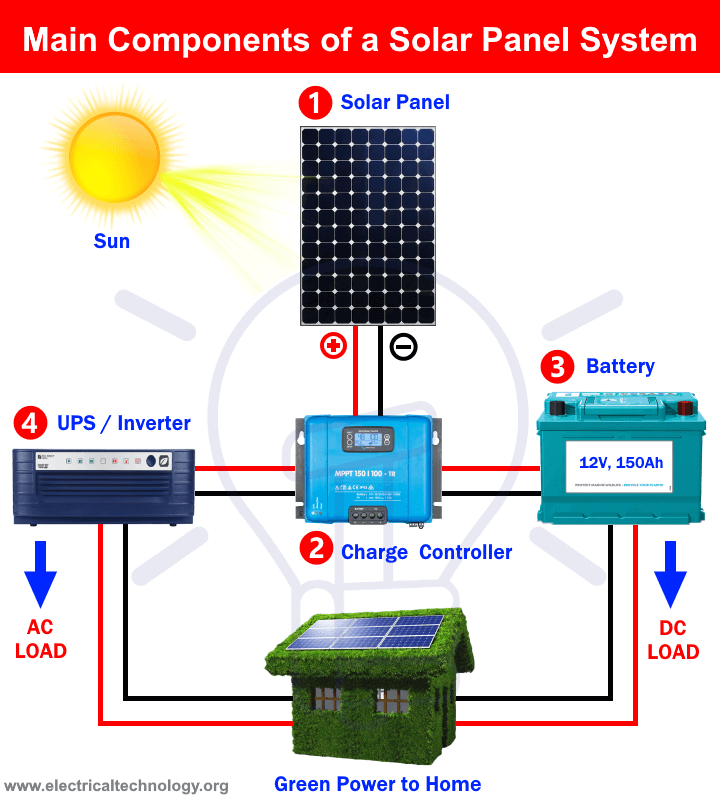
- A complete solar power system includes panels, inverters to convert DC to AC electricity, and often batteries for energy storage.
- Modern solar panels can operate even in cloudy conditions, though at reduced efficiency, making them viable for most geographical locations.
- Growing Solar Mist provides comprehensive solar solutions that can help homeowners reduce their electricity bills while contributing to environmental sustainability.
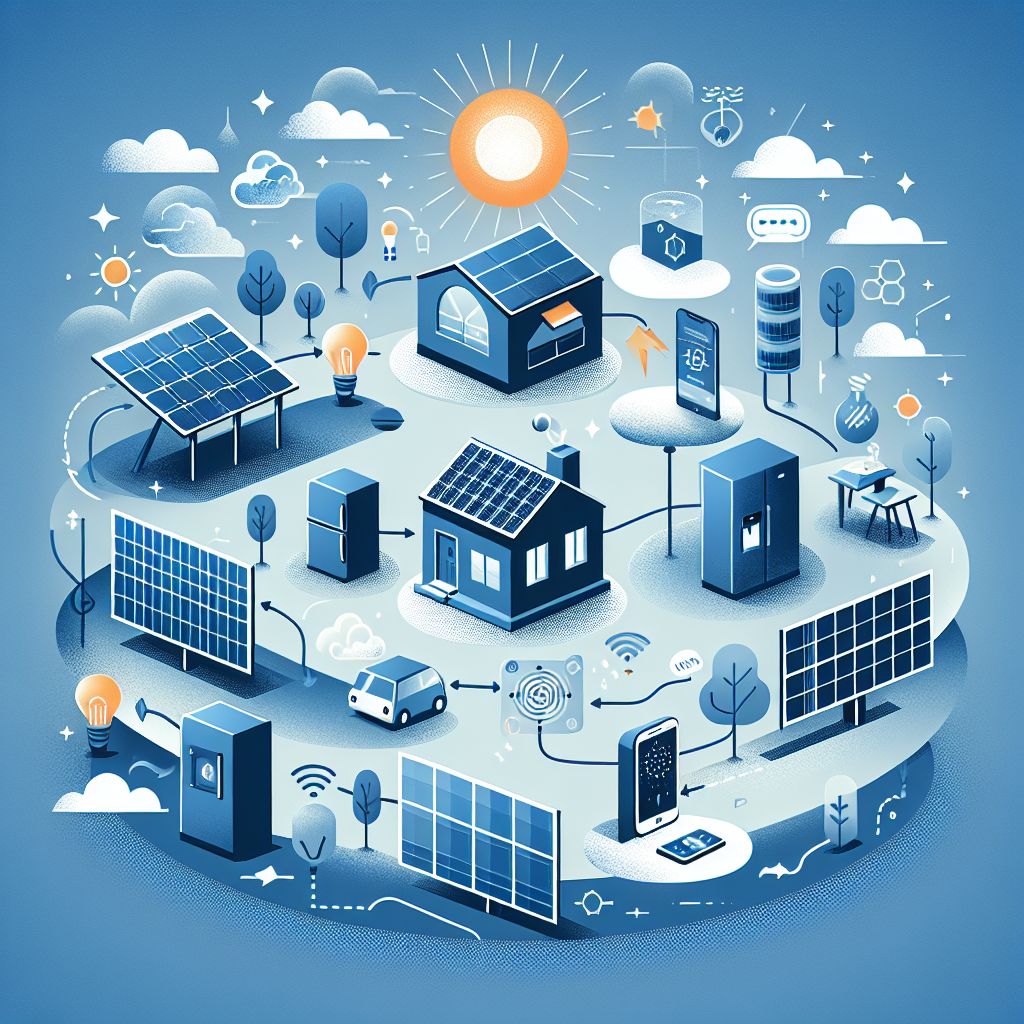
The science behind solar energy is both fascinating and surprisingly straightforward. When sunlight hits a solar panel, a silent, invisible process begins that eventually powers your lights, refrigerator, and smartphone. Let’s demystify how these sleek blue panels transform sunshine into the electricity that runs through your home. Growing Solar Mist has been at the forefront of making this renewable technology accessible to homeowners who want to understand exactly what they’re investing in.
The journey from sunbeam to socket involves physics principles discovered over a century ago, refined into today’s efficient energy systems. Unlike fossil fuels that require constant extraction and combustion, solar panels work without moving parts, fuel consumption, or emissions – silently converting abundant sunshine into clean electricity right on your rooftop.

The Sun-to-Socket Journey: What Solar Panels Actually Do
Solar panels perform one fundamental task: they convert sunlight into electricity. This process happens instantly and continuously whenever light hits the panel surface. Unlike traditional power generation that requires turbines, generators, and fuel, solar panels create electricity through a direct conversion process with no intermediary mechanical steps.
This direct conversion is what makes solar energy so elegant and reliable. There are no moving parts to wear out, no fuel to replenish, and no water consumption required. The panels simply sit on your roof or in your yard, silently producing electricity whenever the sun shines – even on cloudy days, though with reduced output. For more details on this technology, you can explore how solar panels work effectively.
Modern solar technology has advanced tremendously since the first practical solar cells were developed in the 1950s. Today’s panels can convert between 15-22% of the sunlight they receive into usable electricity, with premium models pushing even higher. While this might sound modest, consider that sunlight is free and abundant – the average home rooftop receives many times more solar energy than the household consumes in electricity.
Inside a Solar Panel: The Photovoltaic Magic
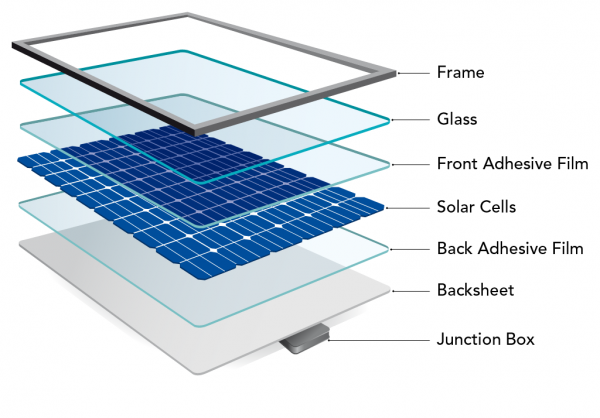
The real magic happens at the microscopic level inside each solar panel. A typical residential solar panel contains 60-72 individual solar cells, each about 6 inches square. These cells work together, like batteries in series, to produce useful voltage and current levels. The panel itself provides protection, electrical connections, and structural support for these delicate cells.
When you look closely at a solar panel, you’ll notice a grid of thin metal lines on the surface. These are electrical conductors that collect the electricity generated by the silicon beneath them. The dark blue or black surface you see is specially treated silicon that has been optimized to absorb maximum sunlight while minimizing reflection.
Silicon Cells: The Heart of Solar Power
Silicon is the second most abundant element in Earth’s crust, making it an ideal material for solar cells. In its pure form, silicon is a poor conductor of electricity, but through a process called “doping,” manufacturers add tiny amounts of other elements to create the semiconductor properties needed for solar energy conversion. This treated silicon forms the foundation of most solar panels used today.
The silicon in solar cells is arranged in a crystal lattice structure, with atoms precisely aligned. This crystalline structure is crucial for the efficient movement of electrons when light energy is absorbed. Depending on how the silicon crystals are formed, we get different types of solar panels – monocrystalline (single crystal) panels offer higher efficiency but cost more, while polycrystalline (multiple crystal) panels provide a more affordable option with slightly lower efficiency.
How Sunlight Becomes Electricity
The conversion of sunlight to electricity happens through the “photovoltaic effect” – a term that combines “photo” (light) and “voltaic” (electricity). When photons (particles of light) strike the silicon solar cell, they transfer their energy to electrons in the silicon atoms. If this energy is sufficient, it knocks electrons loose from their normal positions, allowing them to move freely within the material.
However, free electrons alone don’t create usable electricity – we need directed flow. This is where the clever design of solar cells comes into play. Solar cells are constructed with two layers of silicon that have been treated differently: one layer (N-type) has extra electrons, while the other layer (P-type) has electron “holes” or spaces where electrons can fit. Where these layers meet – called the P-N junction – an electric field forms.
This electric field acts like an invisible one-way valve, forcing freed electrons to move in a single direction. When we connect an external circuit, these electrons flow through it, creating the electric current that powers our homes. The electrons eventually return to the solar cell to complete the circuit, ready to be energized by sunlight again.
The Role of the P-N Junction
The P-N junction is where the photovoltaic magic truly happens. This microscopic boundary between differently-treated silicon layers creates an electric field that’s essential for solar electricity generation. When the N-type silicon (containing extra electrons) meets the P-type silicon (containing electron “holes”), electrons naturally flow across the boundary until equilibrium is reached, creating what engineers call a “depletion zone.”
This depletion zone functions like a one-way valve for electrons. When sunlight strikes the cell and knocks electrons loose, this electric field pushes them in a single direction, preventing random movement. Without this fundamental mechanism, solar cells would simply heat up rather than generate usable electricity. The strength and quality of this junction directly affects the efficiency of the entire solar panel.
The Complete Solar Power System
While solar panels are the most visible components, a complete solar power system consists of several crucial parts working together. Understanding this entire system helps clarify how the electricity generated by your panels becomes usable power for your home. Each component plays a specific role in ensuring efficient, safe, and reliable electricity production.
Solar Panels: Capturing Sunlight
The solar panels themselves are the primary energy collectors, mounted on rooftops or ground structures to maximize sun exposure. These panels are connected in strings or arrays to achieve the desired voltage and current output for your specific energy needs. Most residential installations use between 15-25 panels, though this varies based on energy consumption and available space.
Modern panels are remarkably durable, designed to withstand decades of weather exposure including hail, snow, and high winds. The glass covering protects the delicate silicon cells while allowing maximum light transmission, and the aluminum frame provides structural integrity. Quality panels also include bypass diodes that minimize production loss when portions of panels are shaded. For those interested in maximizing efficiency in limited spaces, monocrystalline panels offer a premium solution.
Inverters: Converting DC to AC Power
Solar panels generate direct current (DC) electricity – the same type that batteries provide. However, household appliances and the power grid operate on alternating current (AC). Inverters bridge this gap by converting the DC electricity from your panels into AC electricity your home can use. This conversion is critical – without it, solar power would remain isolated from your existing electrical system.
Two primary inverter types dominate the market: string inverters and microinverters. String inverters convert power from multiple panels at once and are more affordable, while microinverters attach to individual panels for optimized performance and better monitoring capabilities. Hybrid systems that incorporate battery storage often use specialized inverters that can manage both grid connection and battery charging/discharging.
Batteries: Storing Energy for Later
While not required for grid-tied systems, batteries allow homeowners to store excess electricity for use when the sun isn’t shining. This energy independence is particularly valuable during power outages or in areas with time-of-use utility rates. Modern lithium-ion battery systems have revolutionized home energy storage with improved capacity, longer lifespans, and smaller footprints compared to older lead-acid batteries.
Battery storage transforms solar from a daytime-only power source to a 24/7 energy solution. During peak sunshine hours, your panels can simultaneously power your home and charge batteries, then during evening hours or cloudy days, this stored energy keeps essential systems running. Many homeowners size their battery systems to cover overnight usage or maintain critical loads during extended outages.
Net Metering: Sending Excess Power to the Grid
For grid-connected systems without batteries, net metering allows homeowners to feed excess electricity back to the utility grid. Your electric meter actually runs backward when your system produces more than you’re using, creating credits with your utility company. These credits typically offset electricity you draw from the grid at night or during high-demand periods.
Net metering policies vary significantly by location, affecting the financial return on your solar investment. Some utilities offer full retail-rate credits, while others use avoided-cost rates or implement monthly connection fees. Understanding your local net metering rules is essential when calculating the payback period for your solar installation.
Different Types of Solar Panels
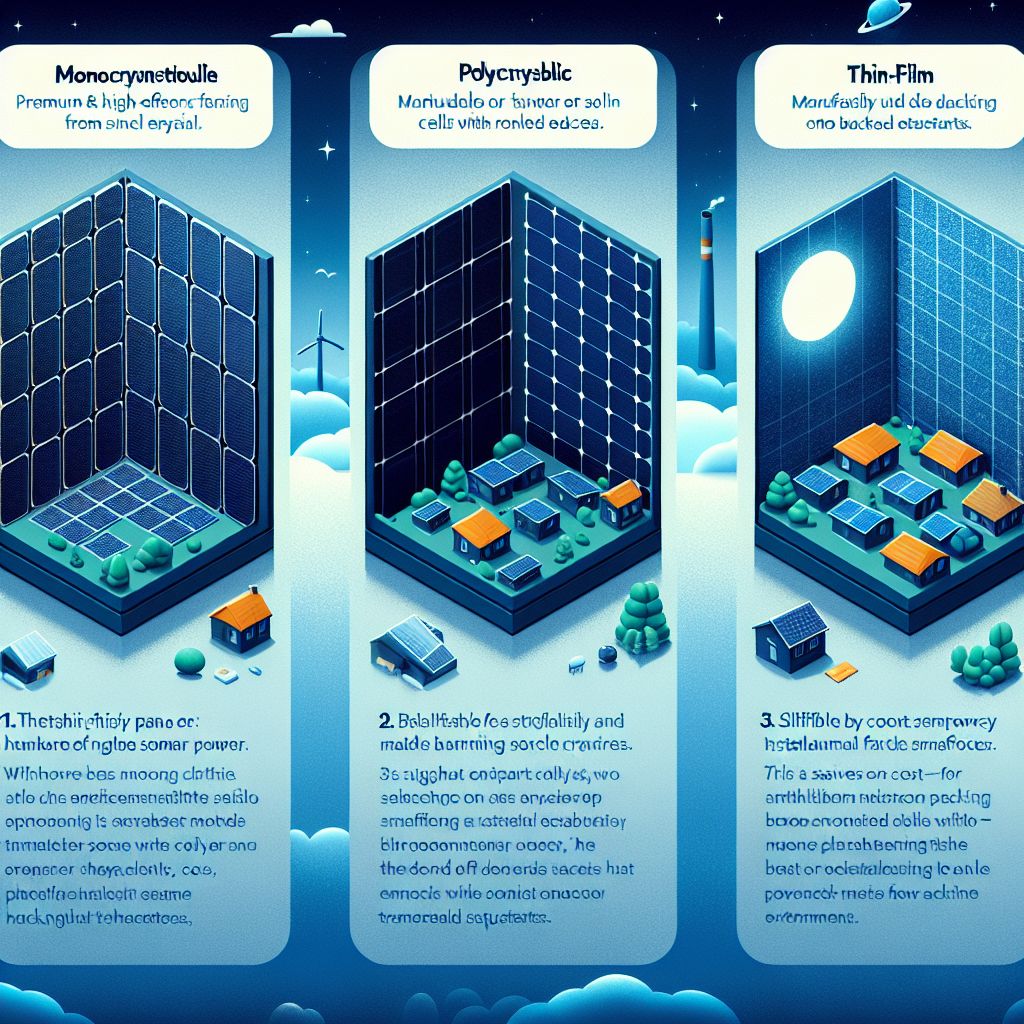
Solar technology isn’t one-size-fits-all, and today’s market offers several distinct panel types to match different priorities and installation environments. Each technology represents a different balance of efficiency, cost, appearance, and suitability for specific applications. The right choice depends on your unique property characteristics, energy goals, and budget considerations.
Monocrystalline: High Efficiency for Limited Space
Monocrystalline panels represent the premium tier of solar technology, featuring cells made from single silicon crystals. These panels are easily recognizable by their uniform dark appearance and rounded edges. Their main advantage is superior efficiency – typically 17-22% – meaning they generate more electricity per square foot than other types. This space efficiency makes them ideal for installations with limited roof area or high energy requirements.
Polycrystalline: Budget-Friendly Options
Polycrystalline panels are manufactured using multiple silicon crystal fragments melted together, giving them a distinctive blue, speckled appearance. While slightly less efficient (typically 13-17%) than their monocrystalline counterparts, they’re more affordable to produce. This cost advantage makes polycrystalline panels an excellent middle-ground option for homeowners with adequate installation space who want to maximize their return on investment.
The manufacturing process for polycrystalline panels produces less silicon waste and requires less energy, contributing to their lower price point. For many residential installations, the slight efficiency difference between poly and mono panels can be offset simply by adding one or two additional panels, still resulting in overall system savings.
Thin-Film: Flexible and Lightweight
Thin-film panels represent a fundamentally different approach to solar technology. Instead of using crystalline silicon wafers, thin-film panels deposit semiconductor materials like amorphous silicon, cadmium telluride, or copper indium gallium selenide onto backing substrates. The result is an incredibly thin, lightweight, and sometimes flexible panel that opens up installation possibilities on non-traditional surfaces. Though less efficient (typically 10-13%) than crystalline options, thin-film technology excels in high-temperature environments and can be integrated into building materials like roofing shingles.
Choosing the right type of solar panel for your system is crucial. Consider the specific needs of your operations, the available space, and your budget. This below table will help you choose the right one:
|
Type of Solar Panel |
Advantages |
Disadvantages |
|---|---|---|
|
Monocrystalline Solar Panels | ||
|
– Performance drops slightly in extreme heat. 1 | ||
|
– Performs well in low-light conditions (cloudy days, mornings). 1, 2 | ||
|
Polycrystalline Solar Panels |
– Cost-effective option, suitable for large-scale installations. 1, 3 |
– Lower efficiency (13-17%) compared to monocrystalline panels. 1, 3 |
|
– Durable and handles heat well. 3 |
– Requires more space for the same energy output as monocrystalline panels. 3 | |
|
– Affordable initial investment, often offset by government incentives. 3 | ||
|
Thin-Film Solar Panels |
– Lightweight, flexible, and easy to install on unconventional surfaces (e.g., curved roofs)1, 5, 7 |
– Lowest efficiency (10-13%) among the options, requiring more space for equivalent output.5, 7 |
|
– Performs well in high temperatures and low-light conditions, ideal for diverse climates. 5, 7 |
– Shorter lifespan (10-20 years) compared to crystalline panels. 5, 7 | |
|
– Cost-effective with lower production and installation costs. 5, 7 |
– Bulkier installations needed for larger-scale energy production. 5 |
This table provides a comparison of solar panel options for farmers, highlighting their suitability based on efficiency, cost, durability, and space requirements. Farmers should consider their specific energy needs, budget, and available installation area when making a decision.
When and Where Solar Panels Work Best
Understanding the ideal conditions for solar panels helps set realistic expectations for your energy production. While solar technology continues to improve in all environments, certain factors significantly impact performance. Location plays a major role in solar potential, but even homes in less sunny regions can benefit substantially from properly designed systems.
Ideal Weather Conditions
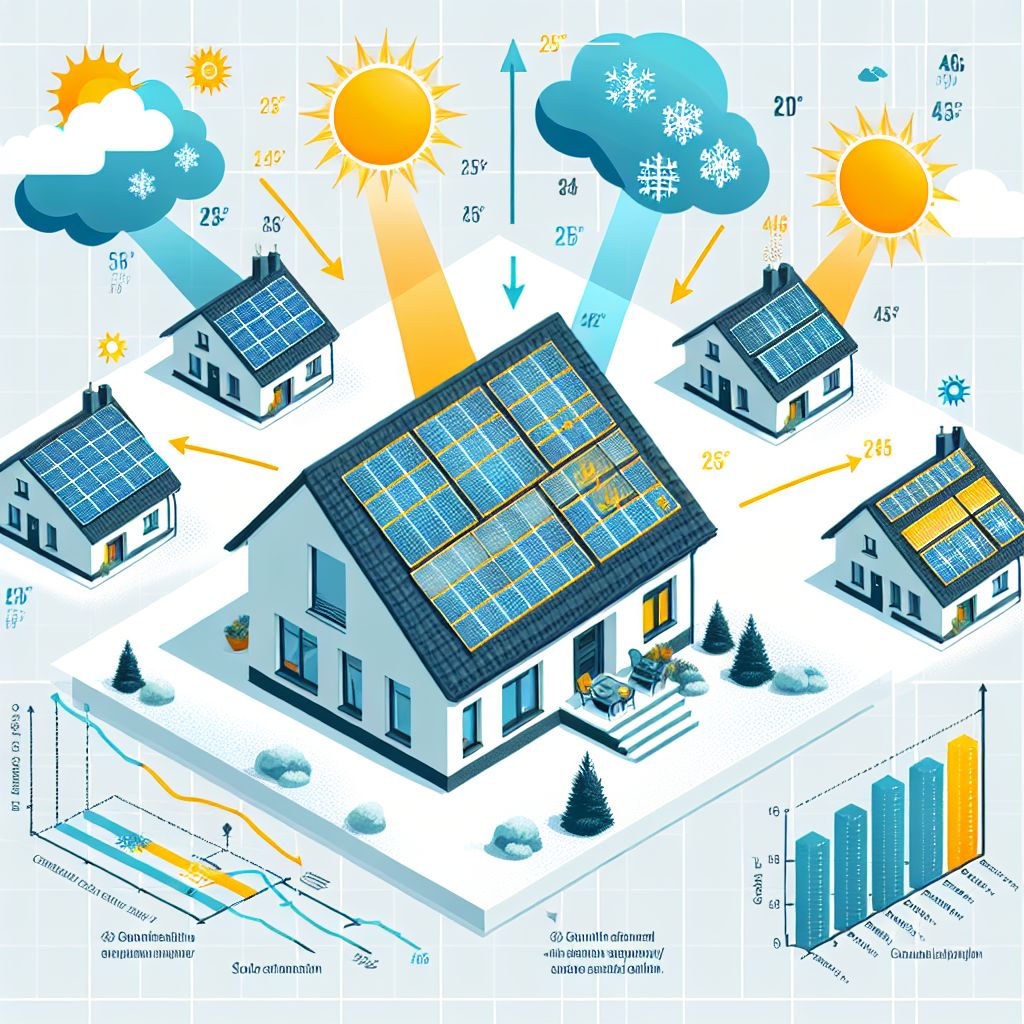
Contrary to popular belief, extremely hot weather isn’t ideal for solar panels. While sunlight intensity directly increases energy production, high temperatures actually reduce panel efficiency. Most solar panels perform best in bright, cool conditions – think sunny spring days with temperatures around 60-70°F (15-21°C).
Panel efficiency typically decreases by 0.3-0.5% for every degree Celsius above their rated temperature (usually 25°C/77°F). This explains why desert installations, despite abundant sunshine, require careful thermal management. Conversely, cold, sunny winter days can produce surprisingly high output, as the clear air and reflective snow can combine with the cooler temperatures to optimize performance. In fact, some farmers are adding solar panels to fields to take advantage of these conditions and improve efficiency.
Optimal Positioning and Angles
In the Northern Hemisphere, south-facing installations capture the most sunlight throughout the year. However, east-west orientations are becoming increasingly popular as they provide more consistent energy production throughout the day rather than a midday peak. The ideal tilt angle roughly matches your latitude – homes further from the equator benefit from steeper panel angles to capture lower-angle sunlight.
Seasonal adjustments to panel angles can increase annual energy production by 5-10% in some regions, though most residential systems use fixed mounting for simplicity and durability. Some high-end installations incorporate automatic tracking systems that follow the sun’s path, increasing daily energy harvest by 25-45% compared to fixed systems, though these add complexity and maintenance requirements.
How Shade Affects Performance
Shade is the nemesis of solar performance, with even partial shading causing disproportionate power reductions. When cells within a panel are shaded, they can become resistors rather than generators, creating “hot spots” that reduce output and potentially damage equipment. Traditional string inverter systems are particularly vulnerable, as one shaded panel can drag down the performance of the entire string.
Modern solutions include microinverters or power optimizers that isolate the impact of shading to individual panels rather than affecting the entire system. Additionally, professional installers use sophisticated shading analysis tools to predict seasonal shading patterns from trees, chimneys, and neighboring structures, allowing them to design systems that minimize these impacts. For farmers, drones can help optimize solar panel efficiency by providing precise data on shading and positioning.
Real-World Performance of Solar Panels Used by Farmers
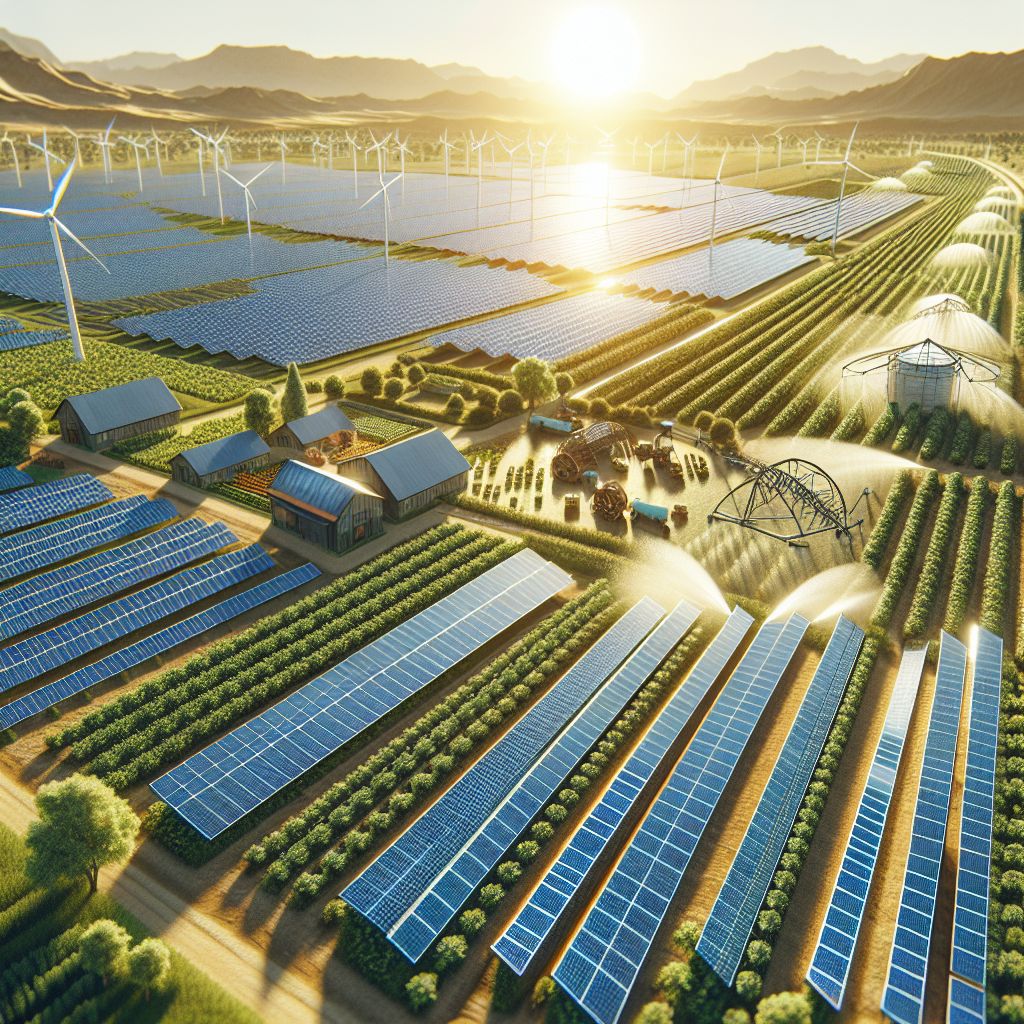
Agricultural applications represent one of the fastest-growing sectors for solar adoption. Farmers face unique energy challenges with seasonal equipment usage, irrigation requirements, and often remote locations with limited grid reliability. Solar power offers a compelling solution, providing predictable energy costs and reducing dependence on fluctuating utility rates. For more insights on the financial benefits, explore how solar panel systems benefit farmers.
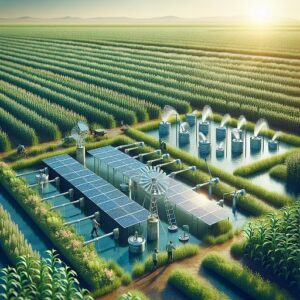
Many farms find solar particularly valuable for powering irrigation systems, which demand significant electricity precisely when solar production peaks in summer months. This natural alignment between energy production and consumption patterns enhances the economics of agricultural solar investments. Additionally, solar installations can be configured to allow continued agricultural use of the land beneath and between panel arrays, maximizing land productivity.
Efficiency Ratings Explained
Solar panel efficiency – the percentage of sunlight converted to electricity – ranges from 15% to over 22% for commercially available panels. This might seem low, but considering the sun delivers about 1,000 watts per square meter at peak conditions, even a 20% efficient panel produces substantial power. High-efficiency panels generate more electricity from the same space, making them valuable for constrained installation areas.
Laboratory prototypes have achieved efficiencies exceeding 47%, but these use specialized materials and manufacturing techniques not yet economically viable for mass production. For most homeowners, the sweet spot balances efficiency with cost – typically 19-21% efficient panels offer excellent performance without the premium price of cutting-edge technology.
Lifespan and Degradation Facts
Quality solar panels experience remarkably slow performance degradation, typically losing just 0.5-0.7% of their output capacity annually. This means a premium panel might still produce 85% of its original output after 25 years of continuous operation. This gradual, predictable decline allows for accurate long-term energy production forecasts and return-on-investment calculations.
The physical durability of solar panels often exceeds their performance warranty periods. Many systems installed in the 1980s continue functioning today, though at reduced efficiency. Most manufacturers guarantee at least 25 years of production, with premium panels offering 30-year warranties. The inverter typically requires replacement before the panels themselves, with most string inverters lasting 10-15 years and microinverters often warranted for 25 years.
Environmental factors affect degradation rates, with panels in extreme climates experiencing slightly faster performance declines. Regular cleaning and inspection can minimize these effects, especially in dusty agricultural environments where soil accumulation can reduce light transmission to the cells.
Maintenance Requirements
One of solar energy’s greatest advantages is minimal maintenance needs. Without moving parts, most systems require only periodic cleaning and visual inspection to maintain optimal performance. In rainy climates, natural precipitation often provides sufficient cleaning, while drier regions may benefit from quarterly panel washing to remove dust and pollen.
Professional maintenance checks typically include electrical connection inspection, inverter performance verification, and mounting system evaluation. These annual services help identify potential issues before they affect system output or safety. Many modern systems include monitoring capabilities that alert owners to performance anomalies, enabling proactive maintenance.
For agricultural installations, maintenance considerations include ensuring vegetation doesn’t create shading and checking for damage from equipment, livestock, or wildlife. Ground-mounted systems may require more frequent attention than roof installations, as they’re more accessible to animals and susceptible to ground-level debris accumulation.
The simplicity of solar maintenance contrasts sharply with traditional generators and other power equipment commonly used on farms, which require regular fuel, oil changes, and mechanical servicing. This operational simplicity translates to lower lifetime costs and greater reliability.
- Clean panels 2-4 times annually in dusty/pollen-heavy environments
- Inspect mounting hardware and electrical connections yearly
- Monitor system performance through provided apps/portals
- Clear snow accumulation only if safe and practical
- Schedule professional inspection every 5 years
Beyond Traditional Solar: Advanced Technologies
The solar industry continues to innovate beyond conventional flat panels. Emerging technologies promise increased efficiency, improved aesthetics, and expanded application possibilities. These advancements are expanding solar viability to previously challenging scenarios and integration with modern agricultural practices.
Bifacial Solar Panels
Bifacial panels capture light from both sides, harvesting direct sunlight on the front face while absorbing reflected light on the rear surface. This dual-sided design can increase energy production by 5-30% depending on installation conditions and ground reflectivity. White gravel, light-colored roofing, or snow cover significantly enhance bifacial performance by reflecting more light to the panel undersides.
For agricultural applications, bifacial panels offer particularly compelling advantages when mounted at height to allow continued farming beneath them. This “agrivoltaic” approach maintains land productivity while simultaneously generating electricity, maximizing the value of each acre. Some crops even benefit from the partial shading these elevated systems provide, reducing water requirements and heat stress during summer months.
Solar Tiles and Building-Integrated Photovoltaics
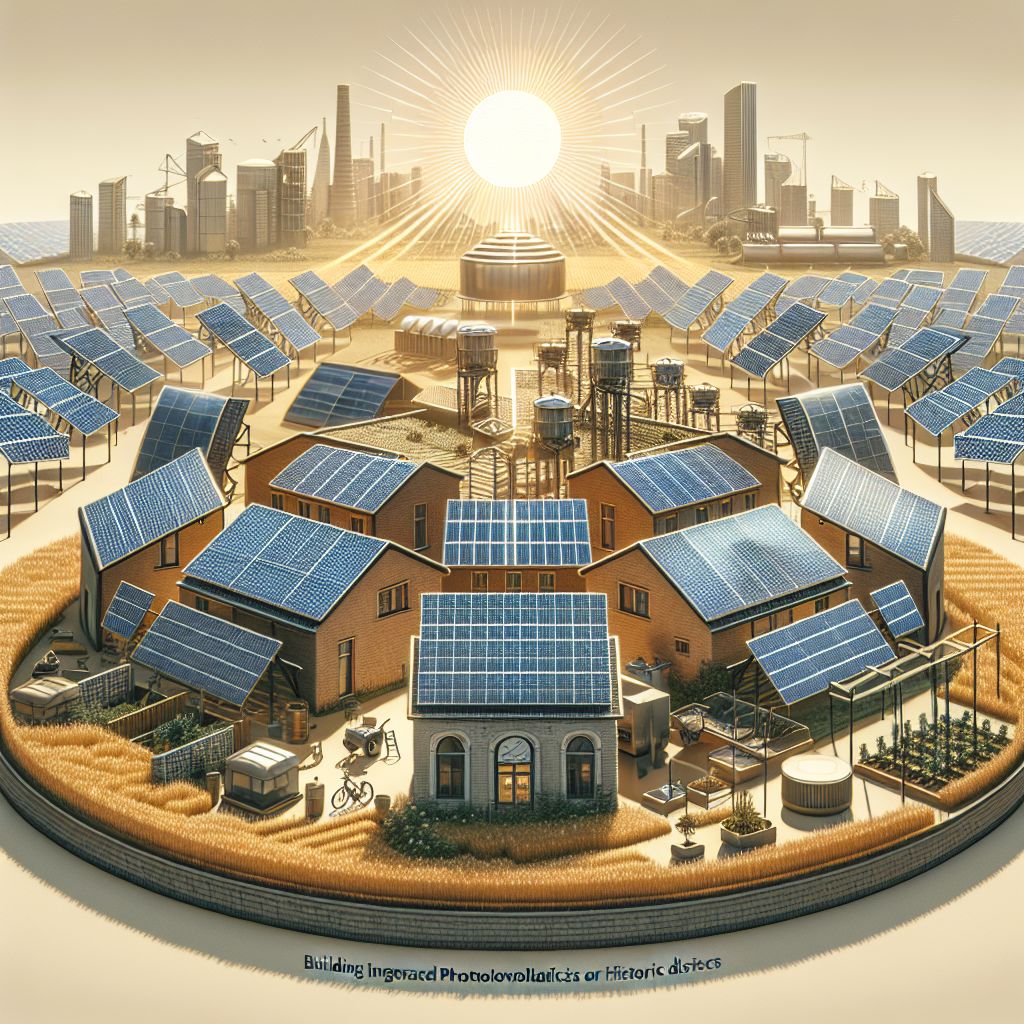
Building-integrated photovoltaics (BIPV) seamlessly incorporate solar generation into architectural elements like roofing materials, windows, and facades. Solar roof tiles represent the most mature BIPV technology, replacing conventional roofing while generating electricity. Though typically more expensive than traditional panels, these integrated solutions eliminate separate mounting systems and offer aesthetic advantages that appeal to homeowners in visually sensitive neighborhoods or historic districts.

“Solar Panels Impact Farm Profit …” from growingsolarmist.com and used with no modifications.
Making the Switch to Solar Power for a Farmer is Smart
Agricultural operations face unique energy challenges that make solar particularly advantageous. From irrigation pumps to climate-controlled storage facilities, farms require reliable, affordable electricity to remain competitive. Solar power provides predictable energy costs for decades, insulating agricultural businesses from utility rate increases while reducing environmental impact. With specialized agricultural grants, tax incentives, and financing options available specifically for farm solar installations, the economic case for agricultural solar has never been stronger.
Frequently Asked Questions
As solar technology becomes mainstream, homeowners naturally have questions about performance, economics, and practical considerations. Understanding these common concerns helps potential solar adopters make informed decisions based on facts rather than misconceptions. For those interested in agriculture, exploring solar panels in farming might offer additional insights into the benefits and reasons for integrating solar technology.
The economics of solar power depend on several variables including local electricity rates, available incentives, and installation costs. In most regions, residential solar systems reach payback within 7-12 years while continuing to produce power for decades beyond. This makes solar both an environmental choice and a sound long-term investment.
Installation complexity varies with system size, roof characteristics, and local permitting requirements. While the physical installation might require just a few days, the complete process including design, permitting, utility approval, and inspection typically spans 2-3 months. Working with experienced installers simplifies this process considerably.
- Federal tax incentives currently offer 30% credit on total system cost
- Many states provide additional rebates and performance incentives
- Agricultural operations may qualify for USDA REAP grants
- Solar panels increase property values in most markets
- Battery storage adds resilience but increases system cost
Beyond the frequently asked questions below, many homeowners wonder about more specific concerns related to their property or energy situation. A professional solar evaluation addresses these individual considerations by analyzing your unique energy usage patterns, structural characteristics, and local regulations.
How much electricity can one solar panel produce?
A typical residential solar panel (approximately 400 watts) generates between 1.2 and 1.8 kilowatt-hours (kWh) of electricity daily, depending on location and conditions. This translates to 400-650 kWh annually per panel. To put this in perspective, the average American home uses about 30 kWh daily, meaning a typical residential system requires 15-25 panels to offset most household electricity consumption.
Do solar panels work during cloudy days or winter?
Yes, solar panels continue producing electricity during cloudy weather and winter months, though at reduced output. On overcast days, panels typically generate 10-25% of their clear-sky capacity, capturing diffuse light that penetrates cloud cover. Winter production varies significantly by location – northern regions experience shorter days but benefit from snow reflection and better panel efficiency in cooler temperatures, often balancing the reduced daylight hours.
How long do solar panels typically last?
Quality solar panels reliably produce electricity for 25-35 years, with manufacturers typically guaranteeing at least 80% of rated output at the 25-year mark. The actual physical lifespan often extends well beyond warranty periods, with many systems from the 1980s still functioning today, albeit at gradually reduced efficiency. For more insights on maintaining solar panels’ efficiency, explore how drones are being utilized.
The production decline follows a predictable pattern, with most degradation occurring in the first few years before stabilizing to a very gradual annual decrease. Premium panels experience slower degradation rates, making their higher initial cost potentially worthwhile for long-term installations.
While panels themselves rarely fail catastrophically, system components like inverters typically require replacement after 10-15 years. Building this replacement into your financial calculations provides a more accurate lifetime cost assessment.
“We installed our first solar array in 2006, and those original panels are still producing at about 82% of their initial capacity after 16 years of continuous operation. The inverter was replaced once, but the panels themselves have been completely reliable through multiple severe weather events.”
— Robert Kingsfield, Sunnyvale Farm
Can I install solar panels myself?
While DIY solar installation is technically possible for those with electrical and construction experience, most homeowners benefit from professional installation. Professional installers handle complex aspects including structural engineering, electrical code compliance, utility interconnection, permit acquisition, and incentive paperwork. They also provide warranties covering both equipment and workmanship. For agricultural applications particularly, professional design ensures proper sizing and configuration to match specialized farm energy needs and takes advantage of agricultural-specific incentive programs.
Are solar panels worth the investment for a Farmer?
For agricultural operations, solar investments typically deliver exceptional returns due to high daytime energy usage, available land for ground-mounting, and specialized agricultural incentives. Farms with irrigation systems, dairy operations, or climate-controlled buildings often see payback periods of 4-8 years, significantly faster than typical residential installations. Additionally, predictable energy costs help stabilize operating expenses, while battery-backed systems provide critical operational resilience during grid outages.
- Agricultural solar systems can offset 70-100% of farm electricity costs
- USDA REAP grants can cover up to 25% of system costs
- Accelerated depreciation provides significant tax advantages
- Solar installations can be designed to allow continued land use beneath panels
- Battery storage ensures critical systems remain operational during outages
Understanding how solar panels convert sunlight to electricity reveals both the elegance and practicality of this renewable energy source. The photovoltaic effect that powers today’s solar revolution represents a direct, efficient pathway from abundant solar energy to useful electricity without the environmental consequences of fossil fuels. As panel efficiency increases and costs continue falling, solar power increasingly represents not just an environmental choice but a compelling economic one.
Solar technology’s remarkable durability, minimal maintenance requirements, and predictable performance make it uniquely valuable for long-term energy planning. Whether mounted on residential rooftops, integrated into agricultural operations, or deployed in utility-scale installations, the fundamental physics remain the same – photons striking semiconductors, creating electron flow that powers our modern world.
As you consider your own energy future, remember that today’s solar technology represents decades of scientific advancement transformed into practical, reliable systems that can provide decades of clean electricity. The sun delivers more energy to Earth in a single hour than humanity uses in an entire year – harvesting just a small fraction of this abundant resource can transform how we power our homes, businesses, and farms.
Growing Solar Mist is committed to helping homeowners and farmers harness this incredible resource with expertly designed, professionally installed systems tailored to your specific needs and location.

Leave a Reply