

Key Takeaways
- Solar power systems can reduce agricultural energy costs by 50-80%, with payback periods now under 7 years for most farm installations.
- Beyond cost savings, solar power provides farmers with energy independence and resilience against power outages and rising utility rates.
- Modern agricultural solar applications include irrigation systems, livestock water pumping, greenhouse climate control, and electric farm equipment charging.
- Agrivoltaics—growing crops underneath solar panels—creates dual-use farming land that can increase overall productivity per acre.
- Government incentives, including USDA REAP grants and federal tax credits, make solar more accessible than ever for farms of all sizes.
Farming operations are being revolutionized by an unexpected source from above—the sun. As energy costs continue to rise and climate concerns grow, farmers across the country are turning their faces skyward and discovering the transformative potential of solar power. The marriage between agriculture and solar energy isn’t just environmentally sound—it’s becoming an economic necessity for modern farming operations.
Today’s agricultural sector consumes massive amounts of electricity for irrigation, climate control, processing, and equipment operation. FarmingSolar, a leading provider of agricultural solar solutions, has documented how this energy burden often represents one of the largest operational expenses for farmers. By harnessing solar power, producers are finding ways to slash these costs while building more resilient and sustainable operations.
How Do Solar Panels Work
Solar panels convert sunlight directly into electricity through the photovoltaic effect. When sunlight hits the semiconductor materials in solar cells (typically silicon), it knocks electrons loose, creating an electric current. This direct current (DC) electricity is then converted to alternating current (AC) by an inverter, making it usable for farm equipment and buildings. Modern agricultural solar systems can be mounted on rooftops, installed as ground arrays, or even designed as dual-use systems that allow farming to continue underneath the panels.

How Solar Panels Are Revolutionizing Farm Operations
The integration of solar technology into agricultural settings represents one of the most significant technological advances in modern farming. Unlike traditional energy sources that require constant fuel inputs and create ongoing expenses, solar power systems provide decades of reliable energy after the initial investment. This fundamental shift from consumable to renewable energy is changing the economic equation for farmers who have traditionally been at the mercy of fluctuating energy prices.
Energy Cost Savings of 50-80% for Most Farms
The financial impact of solar adoption on farm operations can be dramatic and immediate. Most agricultural operations that implement appropriately sized solar systems see their electricity bills drop by 50-80% in the first year. A 100-acre vegetable operation in California reported annual energy savings of $47,000 after installing a 75kW system to power their irrigation pumps and cold storage facilities. For dairy operations, which use substantial electricity for milk cooling, ventilation, and lighting, the savings can be even more significant. A 200-cow dairy farm in Wisconsin eliminated over $35,000 in annual electricity costs with their solar installation.
Increased Resilience Against Power Outages
Beyond direct cost savings, solar power provides farmers with critical operational resilience. Power outages can be devastating to agricultural operations, particularly those with livestock or temperature-sensitive products. When California’s utility companies implemented rolling blackouts during wildfire seasons, farms with solar-plus-storage systems maintained critical operations while neighboring farms scrambled for diesel generators. This operational continuity is invaluable for maintaining animal welfare, preserving harvested crops, and keeping irrigation schedules on track during grid disruptions.
Solar systems with battery backup capabilities can power essential farm functions for days during grid outages. For livestock operations where ventilation systems are literally a matter of life and death for animals, this independence from the grid provides both economic security and peace of mind. As extreme weather events become more common, this resilience factor is increasingly driving solar adoption in agricultural communities.
Reducing Carbon Footprint While Improving Profitability
The environmental benefits of solar power align perfectly with the stewardship values held by many in the agricultural community. A typical 100kW farm solar system prevents approximately 150 tons of carbon dioxide emissions annually—equivalent to taking 30 cars off the road. This reduction helps farms meet sustainability goals while simultaneously creating marketing advantages for environmentally conscious consumers.
What’s particularly compelling about solar adoption in agriculture is that environmental benefits don’t come at the expense of profitability—they enhance it. Farms that highlight their renewable energy use often command premium prices for their products in certain markets. A survey of organic produce consumers found that 73% were more likely to purchase from farms sing renewable energy, and 28% were willing to pay a premium for such products.
How Solar Panels Are Revolutionizing Farm Operations for the Farmer
|
Revolutionizing Aspect |
Description |
Benefits to the Farmer |
Source(s) |
|---|---|---|---|
|
Reduced Energy Costs |
Solar panels generate electricity on-site, cutting reliance on grid power. |
Significantly lower monthly utility bills and energy costs, with some farms saving up to 75%. | |
|
Income Diversification |
Excess solar power can be sold back to the grid through net metering or leasing land for solar installations. |
New revenue stream and increased farm profitability. | |
|
Powering Farm Operations |
Solar energy runs irrigation systems, crop dryers, greenhouses, ventilation, and electric fences. |
Enhanced productivity and reliability, reduced diesel and maintenance expenses. | |
|
Water Management |
Solar-powered pumps and innovative panel designs collect and conserve water. |
Efficient, cost-effective, off-grid irrigation and lower water bills. | |
|
Improved Livestock & Crop Health |
Panels provide shade for livestock and can support agrovoltaics (growing crops beneath them). |
Better animal welfare, increased yields, drought mitigation, and reduced water evaporation. | |
|
Enhanced Sustainability |
Use of renewable energy reduces dependence on fossil fuels and lowers carbon footprint. |
Improved environmental stewardship and appeal to eco-conscious consumers. | |
|
Energy Independence & Flexibility |
Solar systems provide farmers with reliable power, even in remote areas or during outages. |
Greater operational security, less vulnerability to energy price spikes. | |
|
Government Incentives |
Programs and tax credits help offset solar installation costs. |
Lower upfront investment, faster return on investment. |
Additional Benefits
- Solar panels can be installed on rooftops, unused land, or even as floating systems, maximizing space efficiency for farms of all sizes. 2
- Solar technology scales to the size and needs of the operation, from small family farms to large agribusinesses. 2
By embracing solar power, farmers are modernizing their operations to be more cost-efficient, resilient, and sustainable—unlocking new opportunities for profitability and environmental leadership.
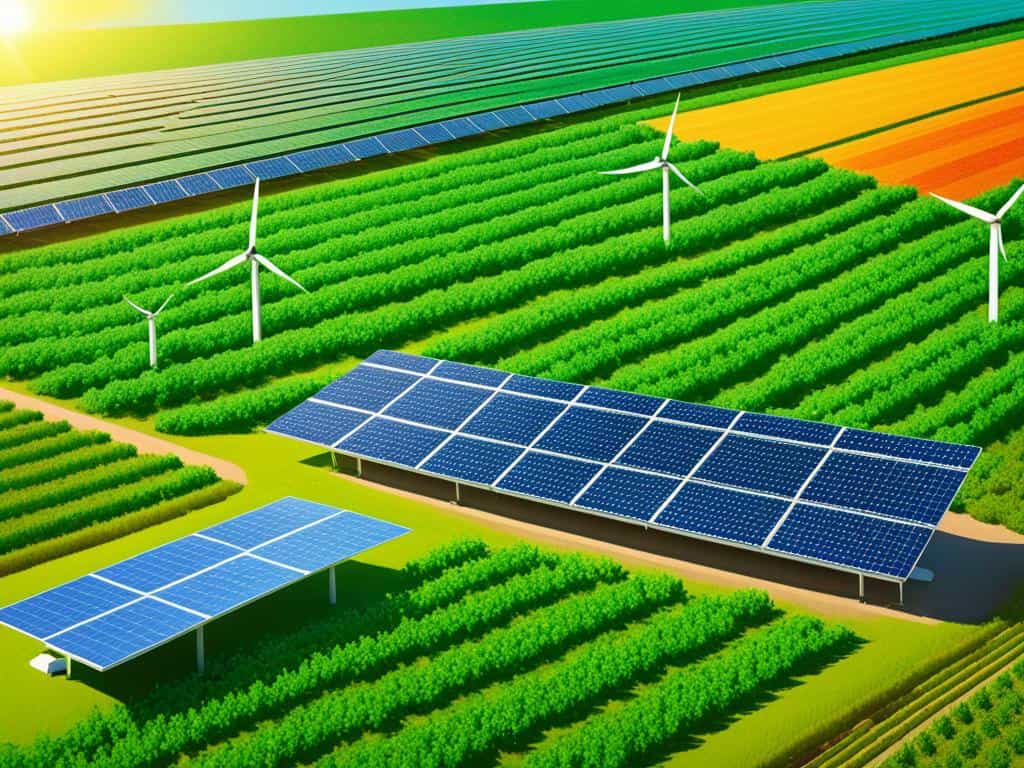
Economic Benefits That Make Solar a Smart Investment for Farmers
The financial case for solar power in agriculture has never been stronger. What was once considered an expensive luxury has transformed into a strategic investment that delivers reliable returns. For farmers operating on tight margins, solar power offers a rare opportunity to significantly reduce a major fixed cost while adding an asset that appreciates in value relative to rising energy costs.
Payback Periods Now Under 7 Years for Most Systems
The economics of agricultural solar installations have improved dramatically in recent years. System costs have dropped by more than 70% over the past decade, while efficiency and durability have improved substantially. Most farm solar installations now achieve payback periods between 5-7 years, with systems continuing to generate free electricity for 25+ years afterward. This timeline represents an annual return on investment of 15-20% for most agricultural operations—far exceeding returns from many traditional farm investments.
The long-term economics become even more compelling when considering that the alternative—continuing to pay utility bills—offers zero return and subjects the operation to ever-increasing rates. A 50kW system that costs $100,000 after incentives might save $15,000 annually in electricity costs, paying for itself in under 7 years and then generating $450,000+ in savings over its 30-year lifespan.
Available Tax Credits and USDA Grants
The financial equation for farm solar is further improved by substantial government incentives designed specifically for agricultural producers. The federal Investment Tax Credit currently allows farmers to deduct 30% of the total system cost from their taxes. For a $150,000 system, this represents $45,000 in direct tax savings. Additionally, accelerated depreciation benefits can provide significant tax advantages in the early years after installation.
Beyond tax incentives, the USDA’s Rural Energy for America Program (REAP) offers grants covering up to 25% of project costs and loan guarantees for the remainder. These REAP grants are specifically targeted at agricultural producers and rural small businesses, making them ideal for farm operations. State-level incentives often add another layer of financial support, with some states offering performance-based incentives that pay farmers for each kilowatt-hour their system produces.
Income Opportunities Through Net Metering
Many agricultural solar systems are designed to take advantage of net metering policies, which allow farmers to receive credit for excess electricity sent back to the grid. During peak production seasons when solar generation exceeds farm usage, these credits accumulate and offset costs during higher-consumption periods. For some operations, particularly those with seasonal energy needs, this arrangement effectively turns the utility into a “battery,” banking energy credits during low-use periods.
Some forward-thinking farmers are even designing oversized systems specifically to generate income through net metering. A vineyard in New York installed a system 40% larger than needed for their operations, creating an additional revenue stream that helps smooth out the seasonal fluctuations inherent in their business. This approach transforms energy from a pure expense into a diversification opportunity that increases farm resilience.
Protection Against Rising Utility Costs
Perhaps the most compelling economic argument for agricultural solar adoption is protection against the certainty of rising utility rates. Electricity costs have increased by an average of 3-5% annually in most agricultural regions, a trend expected to accelerate as utilities invest in grid modernization and face increasing regulatory requirements. By installing solar, farmers effectively lock in their electricity costs for decades, creating predictability in an otherwise volatile expense category.
This price stability has profound implications for long-term farm planning and profitability. A dairy operation that installs solar today will have essentially the same electricity costs in 2040 as they do now, while their non-solar competitors will likely see those costs double or triple. This competitive advantage compounds over time, potentially making the difference between profitability and loss in future years when margins tighten.

“Farm Solar Panel Uses: Power Equipment …” from growingsolarmist.com and used with no modifications.
Practical Solar Applications Transforming Daily Farm Activities
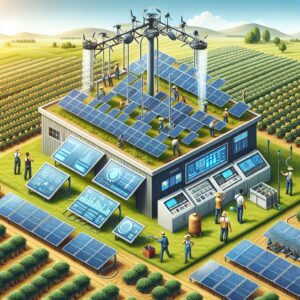
The versatility of solar power makes it applicable to virtually every aspect of farm operations. From field to barn to processing facility, solar technologies are being integrated into agricultural systems in ways that improve efficiency, reduce costs, and enhance sustainability. These practical applications demonstrate how solar isn’t just an energy source—it’s a farm management tool that solves real operational challenges.
Solar-Powered Irrigation Systems
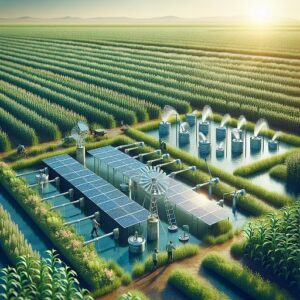
Irrigation represents one of the largest energy demands on many farms, particularly in arid regions where water must be pumped from deep wells or transported over long distances. Solar-powered irrigation systems eliminate this energy cost while providing water precisely when crops need it most—during sunny periods. These systems can be designed with battery storage to ensure consistent operation or can run directly off panels in simple direct-drive configurations ideal for remote locations.
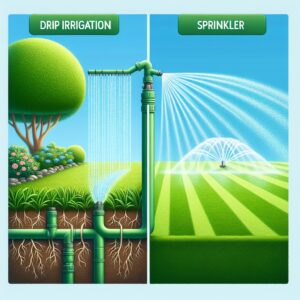
The latest solar irrigation technologies incorporate smart controllers that optimize water delivery based on soil moisture, weather forecasts, and crop needs. A California almond grower reported 40% water savings and 100% energy cost elimination after switching to a solar drip irrigation system with soil moisture sensors. For operations in areas without reliable grid access, solar irrigation eliminates the need for diesel generators, removing both fuel costs and the logistical challenges of fuel delivery.
Livestock Water Pumping Solutions
Providing reliable water access for livestock has always been a challenge for ranchers, particularly on expansive operations where animals graze far from power lines. Solar-powered watering systems solve this problem elegantly, pumping water to troughs or reservoirs whenever the sun shines. These systems are typically designed with storage capacity sufficient to provide water through cloudy periods, ensuring continuous availability.
The economic benefits extend beyond direct energy savings. By enabling rotational grazing in previously underutilized pastures, solar water pumps allow ranchers to improve land management and increase carrying capacity. A Montana cattle operation reported being able to utilize 300 additional acres of pasture after installing solar pumps, translating to capacity for 45 more cattle without purchasing additional land.
Greenhouse Climate Control
Greenhouse operations represent an ideal application for solar energy due to their consistent and predictable power requirements. Solar systems can power heating, ventilation, lighting, and automation systems that maintain optimal growing environments year-round. The synchronicity between peak solar production and peak cooling needs makes this application particularly efficient, as the most electricity is generated precisely when cooling demands are highest.
Advanced greenhouse operations are now implementing climate control systems that integrate solar production forecasts with growing requirements. These systems can automatically adjust temperature, humidity, and lighting based on available solar power, optimizing both plant growth and energy usage. A hydroponic lettuce operation in Pennsylvania reported 30% faster growth cycles after installing a solar-powered climate optimization system that maintained more consistent growing conditions than their previous grid-dependent setup.
Electric Farm Equipment Charging
The rapid development of electric tractors, UTVs, and other farm equipment is creating new opportunities for solar integration. Farmers can now power their equipment directly from the sun, eliminating both diesel costs and maintenance issues associated with internal combustion engines. Solar charging stations positioned strategically around the farm ensure that equipment can be recharged where it’s used, reducing downtime and improving operational efficiency. For more insights, discover how farmers are adding solar panels to fields to enhance sustainability and efficiency.
Electric equipment paired with solar generation offers compelling economic advantages. A vineyard operation in Oregon calculated that their electric UTV powered by solar costs approximately $0.60 per operational hour, compared to $4.25 for an equivalent gasoline model. Multiply this across multiple vehicles and thousands of operational hours, and the savings become substantial.
Crop Drying and Processing
Post-harvest processing is energy-intensive and often occurs during peak solar production seasons, creating a perfect alignment for solar power. Solar thermal systems can provide heat for grain drying, reducing propane or natural gas consumption. Meanwhile, photovoltaic systems can power mechanical processing equipment like mills, separators, and packaging lines.
Solar-powered cold storage represents another high-value application, particularly for fruit and vegetable producers. By cooling harvested crops with solar power, farmers can extend shelf life and market windows without incurring prohibitive refrigeration costs. A berry farm in Michigan reduced post-harvest losses by 35% after installing a solar-powered cold room that allowed them to cool produce immediately after picking, even during peak summer harvests when grid electricity costs were highest.
Alarm Systems and All the Lighting for the Farm
Security systems, outdoor lighting, and monitoring equipment benefit tremendously from solar power. These systems often need to operate in remote locations where running utility lines would be prohibitively expensive. Solar-powered security cameras, motion sensors, and lights can be installed anywhere on the property without trenching for electrical lines, providing protection for livestock, equipment, and structures.
The reliability factor is particularly important for security applications. Solar-powered systems with battery backup continue functioning during grid outages, maintaining protection when farms might be most vulnerable. For operations in areas prone to power interruptions, this continuity of security provides invaluable peace of mind beyond mere cost savings.
The Farmers House
Many agricultural solar installations are designed to power both farm operations and the farmer’s residence, creating a comprehensive energy solution. This approach maximizes incentive benefits while simplifying system design and maintenance. A properly sized system can eliminate electricity bills for both home and farm, creating substantial household savings alongside operational benefits.
The residential component often becomes the most personally satisfying aspect of farm solar adoption. Farmers report significant quality-of-life improvements from knowing their homes are powered by clean, self-generated electricity. During interviews with solar-adopting farmers, many cited the satisfaction of “energy independence” for their families as equally important as the financial benefits to their operations.
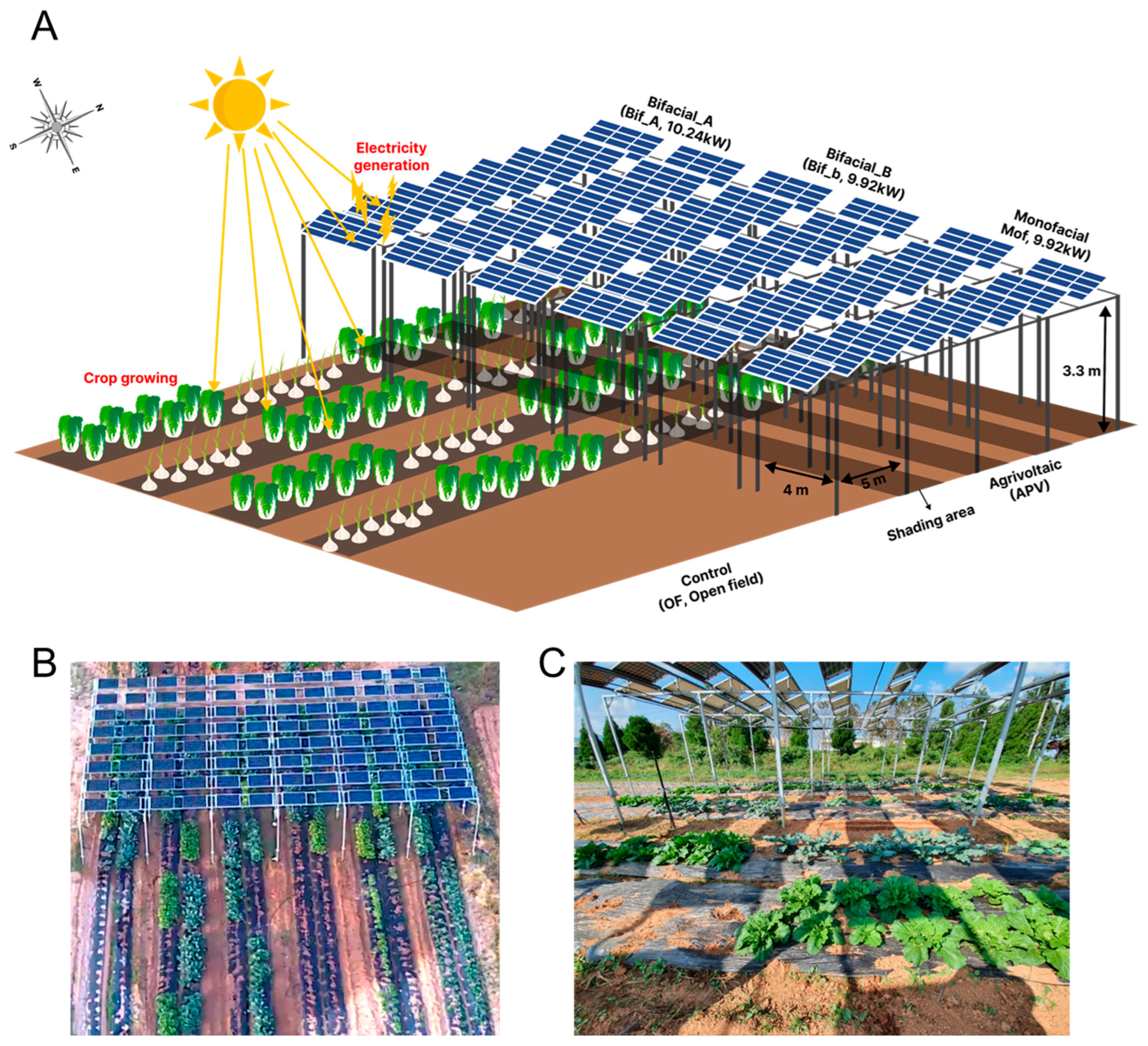
Agrivoltaics: Growing Crops and Generating Power on the Same Land
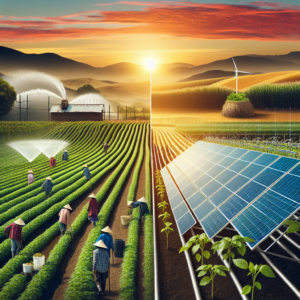
Perhaps the most exciting development in agricultural solar is the emergence of agrivoltaics—the practice of growing crops underneath and between solar panels. This dual-use approach maximizes land productivity by harvesting both food and energy from the same acreage. Early research indicates that certain crops actually perform better in the partial shade created by solar panels, particularly in hot, dry regions where reduced evaporation and sun stress improve plant outcomes. Discover the best crops that thrive under solar panels to optimize your agrivoltaic system.
Shade-Tolerant Crops That Thrive Under Panels
Not all crops are suitable for agrivoltaic systems, but many high-value specialty crops show excellent performance under partial shading. Leafy greens like lettuce, spinach, and kale often produce higher yields and better quality when grown under solar panels that provide 30-50% shade. Other successful crops include berries, herbs, and certain root vegetables that benefit from reduced soil temperature and moisture retention.
Research from the University of Arizona found that tomato production increased by 65% in agrivoltaic settings during extreme heat periods compared to conventional growing methods. The shade provided by panels protected plants from sun scald and reduced irrigation requirements by 40%, creating dual benefits. For farmers in hot climates, this approach can extend growing seasons and enable cultivation of crops that would otherwise struggle in full sun conditions.
Water Conservation Benefits
One of the most significant advantages of agrivoltaic systems is water conservation. The partial shade created by solar panels reduces soil evaporation rates substantially, allowing farms to produce the same yields with 20-40% less irrigation. In water-stressed regions, this benefit alone can justify the investment in solar infrastructure, as water availability often constrains agricultural production more than land or energy.
The panels themselves also contribute to water management by channeling rainfall in concentrated patterns that can be captured for irrigation. Advanced agrivoltaic designs incorporate rainwater harvesting systems that collect runoff from panels, storing it for use during dry periods. This holistic approach to resource management exemplifies how renewable energy integration can improve overall farm sustainability beyond mere electricity generation.
Livestock Grazing Between Panel Arrays
Livestock integration represents another promising application of agrivoltaics. Sheep grazing between and under solar panels creates a symbiotic relationship where animals maintain vegetation that would otherwise require mechanical control, while benefiting from shade during hot weather. This approach eliminates mowing costs for solar installations while providing grazing land that might otherwise be unavailable.
Poultry operations have also successfully integrated with solar installations, with chickens providing vegetation management and insect control while benefiting from predator protection offered by panels. Some innovative farmers have designed mobile chicken housing that follows the shade patterns created by panel arrays throughout the day, maximizing both animal comfort and solar generation efficiency.

Real-World Success Stories From Solar-Powered Farms
The theoretical benefits of agricultural solar become tangible through the experiences of farmers who have already made the transition. These case studies demonstrate the real-world impact of solar adoption across diverse agricultural operations and regions.
Dairy Farm Cuts Electricity Bill by 75%
Hillcrest Dairy in Wisconsin installed a 100kW solar array to offset the substantial electricity demands of their 400-cow operation. Milk cooling, vacuum pumps, and ventilation systems had previously generated monthly electric bills exceeding $4,000. After solar installation, those costs dropped to under $1,000 per month, representing a 75% reduction. The system’s $220,000 cost was offset by a $55,000 USDA REAP grant and a $66,000 federal tax credit, resulting in a net investment of $99,000 that will pay for itself in less than 5 years.
Beyond the direct savings, the dairy reports improved operational resilience during summer power fluctuations that had previously caused milk cooling issues. The battery backup component of their system ensures that critical cooling equipment continues functioning during grid outages, protecting milk quality and preventing potential product losses that had occurred during previous outages.
Vegetable Grower Extends Growing Season with Solar-Powered Climate Control
Fresh Start Farms in New Mexico transformed their growing operation with a comprehensive solar system that powers four high-tunnel greenhouses. The 30kW system runs irrigation, ventilation, and supplemental lighting that has extended their growing season by almost three months annually. This extension allows them to bring products to market when prices are highest, substantially increasing annual revenue while eliminating approximately $12,000 in annual electricity costs. Learn more about the key mounting considerations for agricultural solar panel systems.
The farm received technical assistance through their local agricultural extension service, which helped design a system optimized for their specific crops and climate conditions. The resulting installation qualified for both USDA funding and state-level agricultural sustainability grants that covered 60% of the total system cost. The owner reports that the system will pay for itself entirely within four years based on energy savings alone, not accounting for the revenue increases from extended production seasons.
Poultry Operation Achieves Energy Independence
Circle M Farms in Georgia installed a 200kW solar system to power their six poultry houses, which previously consumed over $36,000 in electricity annually for ventilation, lighting, and climate control. The system was designed with battery storage sufficient to maintain critical ventilation during grid outages—a crucial capability in a region prone to summer storms and power disruptions that can quickly become fatal for confined birds.
After incentives including REAP funding, accelerated depreciation, and tax credits, the net system cost of $280,000 is projected to pay for itself in 6.5 years. The farm owners report that beyond the financial benefits, the system provides “priceless peace of mind” knowing their flock is protected from power-related catastrophes. They’ve since expanded into agrivoltaics by pasturing free-range laying hens beneath ground-mounted portions of their array, creating an additional revenue stream from the same land footprint.

The Future of Solar in Agriculture
The integration of solar power into agriculture continues to evolve rapidly, with new technologies and approaches emerging regularly. Forward-thinking farmers are positioning themselves to benefit from these advancements, which promise to further improve the economics and functionality of agricultural solar systems.
Emerging Technologies for Increased Efficiency
Bifacial solar panels, which can capture reflected sunlight from the ground on their undersides, are showing particular promise for agricultural applications. These panels can increase energy production by 5-30% compared to traditional modules, improving returns on investment and enabling more power generation in limited spaces. For agrivoltaic systems, the ability to capture reflected light from crops or ground cover creates a complementary relationship between agricultural and energy production.
Tracking systems that allow panels to follow the sun throughout the day are becoming more affordable and reliable, increasing energy harvest by 20-40% compared to fixed installations. These systems are particularly valuable for farms with high daytime power requirements, as they produce more electricity during morning and afternoon hours when fixed systems generate less power. The latest designs require minimal maintenance and can withstand severe weather conditions, addressing previous durability concerns. For those interested in maximizing efficiency, exploring agricultural solar panel systems can provide key insights.
Integration with Smart Farming Systems
The convergence of solar power with precision agriculture technologies creates powerful synergies. Energy management systems can now communicate with irrigation controllers, climate systems, and equipment scheduling tools to optimize energy usage. These integrated systems can automatically shift non-critical electrical loads to times of peak solar production, maximizing self-consumption and minimizing grid dependence. Learn more about solar power systems in agriculture.
Data-driven farming approaches benefit tremendously from reliable, independent power sources. Remote sensors, monitoring equipment, and automated systems require consistent electricity that solar can provide even in distant fields where grid connections are impractical. As farms become more technologically sophisticated, the value of distributed, reliable power increases accordingly, making solar adoption a foundational element of modern precision agriculture.
Battery Storage Solutions for 24/7 Power
Battery technology improvements are rapidly enhancing the versatility and reliability of agricultural solar systems. Modern lithium-based storage systems can provide power during nighttime hours or cloudy periods, effectively transforming intermittent solar generation into consistent, dependable power. These systems have declined in cost by over 80% in the past decade, making 24/7 solar power economically viable for many farm applications.
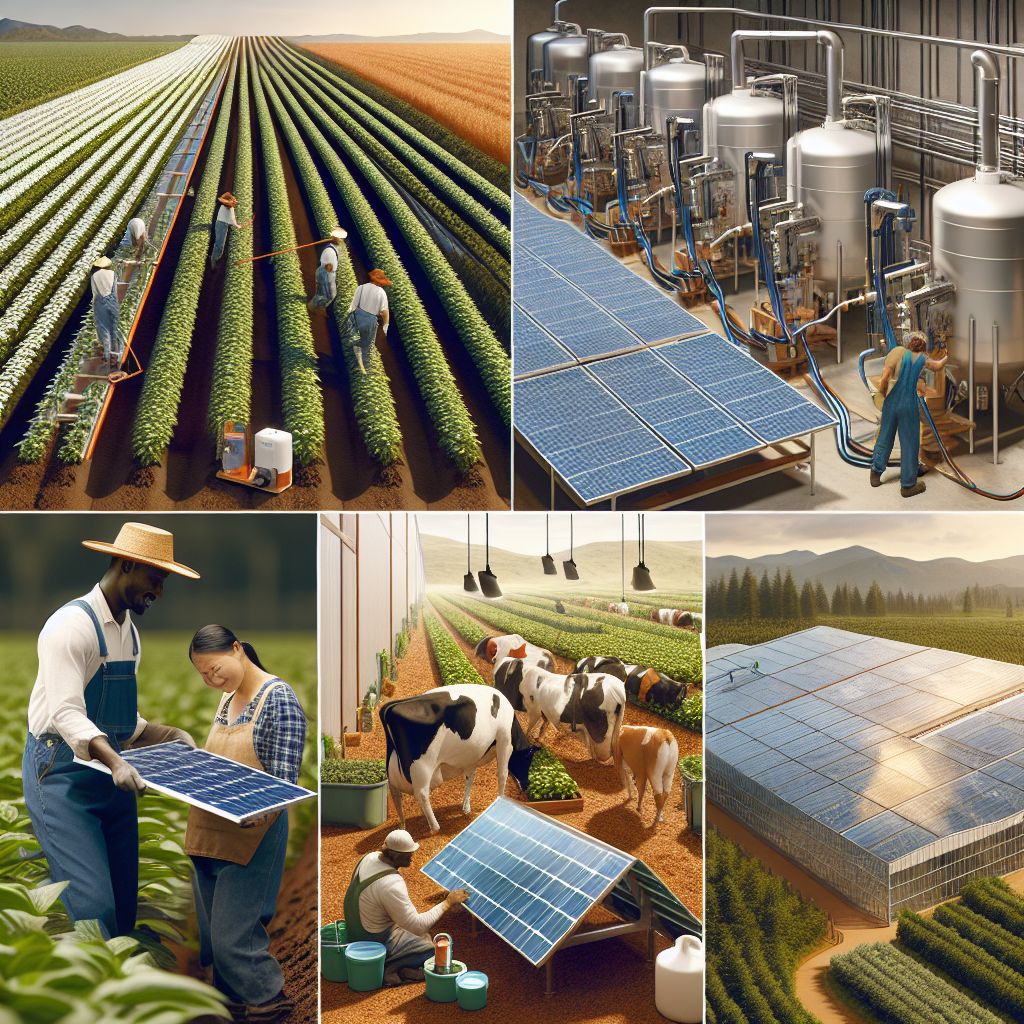
Making Solar Work for Your Specific Type of Farm
While the benefits of solar are universal, the optimal implementation varies significantly based on farm type, location, and operational needs. A customized approach that addresses specific energy requirements and physical constraints will yield the best results. Working with agricultural solar specialists rather than general solar installers often leads to systems better tailored to farm-specific needs.
Solutions for Row Crop Operations
Row crop farms typically have seasonally concentrated energy needs around planting, irrigation, and harvest periods. Solar systems for these operations often focus on offsetting irrigation pumping costs during growing seasons, with net metering credits accumulated during harvest to offset grain drying and processing energy needs. Ground-mounted systems positioned along field edges or in non-productive areas minimize impact on tillable acreage while providing convenient power access.
Strategic placement near irrigation infrastructure can eliminate expensive trenching costs while providing power exactly where it’s needed most. Some innovative row crop operations are experimenting with narrow-format “solar alleys” between crop rows that allow equipment passage while generating power, effectively creating production fields that generate both food and energy.
Livestock and Dairy Applications
Livestock operations benefit from solar systems designed to power ventilation, water pumping, and climate control systems that run consistently year-round. These applications typically prioritize reliability, with battery backup components ensuring critical systems remain operational during grid outages. Roof-mounted installations on barns and outbuildings are common, utilizing existing structures without consuming additional land.
Dairy operations in particular see excellent returns from solar investments due to their high, consistent electricity demand for milk cooling, vacuum pumps, and automated systems. The predictable nature of these loads makes system sizing straightforward, typically resulting in accurate payback projections. Many dairy farms also incorporate solar thermal systems for water heating needs, which can represent 15-20% of their energy consumption.
Grazing operations can implement dual-use approaches where solar arrays are installed at heights sufficient for animals to pass underneath, providing shade while maintaining land productivity. This approach is particularly valuable in hot climates where shade access improves animal welfare and performance. The cost of raising panels to livestock-compatible heights is often offset by reduced fencing and vegetation management expenses. For more insights on how solar power is reshaping agriculture, visit The Farming Insider.
Specialty Crop and Greenhouse Integration
Greenhouse and high-tunnel operations represent ideal candidates for solar integration due to their significant climate control requirements and the potential for building-integrated installations. Semi-transparent solar panels can be incorporated directly into greenhouse roofing, generating power while providing appropriate light filtration for crops below. These systems effectively transform the entire greenhouse structure into a power-generating asset while creating optimized growing conditions. For more insights, explore the best crops that thrive under solar panels.
Conclusion
- Solar power offers transformative economic and operational benefits for agricultural operations, with typical payback periods now under 7 years
- Modern applications extend far beyond basic electricity generation to include irrigation, processing, climate control, and equipment charging
- Agrivoltaics creates dual-use opportunities that can increase overall land productivity while conserving water
- Available incentives including USDA REAP grants and federal tax credits can offset 50-75% of system costs
- Battery storage and smart system integration are creating new possibilities for 24/7 renewable power that increases farm resilience
The integration of solar power into agricultural operations represents one of the most significant opportunities for modern farmers to simultaneously improve profitability, sustainability, and operational resilience. As system costs continue to decline and energy prices rise, the economic case becomes increasingly compelling. Forward-thinking producers who embrace this technology now are positioning themselves advantageously for a future where energy independence will likely become a critical competitive advantage.
Solar adoption in agriculture isn’t merely about saving money—though the financial benefits are substantial. It’s about reimagining farm energy from a perpetual expense to a one-time investment that yields returns for decades. It’s about creating operations that can continue functioning when the grid fails. And increasingly, it’s about telling a compelling story to consumers who value environmentally responsible production methods.
As climate challenges and energy uncertainties increase, the farms best positioned to thrive will be those with reliable, affordable, independent power sources. Solar energy isn’t just transforming how farms operate today—it’s securing their ability to operate successfully tomorrow.
Is Solar Panels a Worthy Investment for a Farmer to Power the Farms Operations
Yes, solar panels represent one of the most financially sound investments available to modern farmers. With payback periods typically ranging from 5-7 years, systems that continue producing free electricity for 25+ years afterward, and protection against rising utility rates, the return on investment consistently outperforms many traditional farm improvements. Beyond the direct financial returns, solar power increases operational resilience, reduces environmental impact, and can create marketing advantages with consumers. For most agricultural operations, the question is no longer whether solar makes financial sense, but rather how to optimize system design to maximize returns for their specific situation.
Frequently Asked Questions
As farmers consider solar adoption, certain questions consistently arise during the planning process. These answers address the most common concerns and provide practical guidance for producers evaluating solar investments.
Understanding these foundational aspects of agricultural solar systems helps farmers make informed decisions and set appropriate expectations for their renewable energy investments. Working with experienced agricultural solar providers rather than general residential installers typically results in systems better optimized for farm-specific needs and challenges.
How long do agricultural solar systems typically last?
Modern solar panels for agricultural applications typically carry 25-30 year power production warranties, but their actual functional lifespan often extends significantly longer. Many systems installed in the 1980s continue producing at 80%+ of their original capacity today. Inverters generally require replacement every 10-15 years, representing the main maintenance expense during a system’s lifetime. The mounting infrastructure, whether roof or ground-based, typically lasts 30+ years with minimal maintenance. With proper component selection and professional installation, farmers should expect their solar systems to continue generating valuable electricity for multiple decades, often outlasting many other farm infrastructure investments.
Can I install solar panels myself to save money?
While DIY installation is technically possible, it’s rarely advisable for agricultural systems due to their scale, complexity, and safety considerations. Farm systems typically operate at higher voltages than residential installations, require specialized interconnection equipment, and must meet specific utility and insurance requirements. Improper installation can create fire hazards, invalidate equipment warranties, disqualify the system from incentive programs, and create ongoing performance issues that eliminate potential savings. To learn more about solar power in agriculture, visit The Farming Insider.
The better approach for cost-conscious farmers is working with agricultural solar specialists to design systems that maximize incentive capture and focus on the highest-return applications first. Phased implementation that begins with the most energy-intensive operations often provides the best balance between upfront costs and quick returns. Many agricultural lenders now offer specific financing programs for renewable energy that can eliminate upfront costs entirely while keeping payments below previous utility bills.
Will my solar system work during power outages?
Standard grid-tied solar systems without battery storage will shut down during grid outages as a safety measure to prevent backfeeding that could endanger utility workers. However, systems designed with power outage resilience in mind can continue operating during grid failures. These systems fall into two categories: those with battery storage and those with specialized transfer switches that create an “islands” of power while remaining disconnected from the grid.
Battery-based systems offer the most seamless protection, automatically switching to stored power during outages without interruption. These systems can be designed to power only critical loads (irrigation pumps, ventilation, refrigeration) or entire operations, depending on battery capacity. For farms in areas with frequent or prolonged outages, this capability often justifies the additional investment in battery components.
- Critical load panels that automatically isolate essential equipment during outages
- Transfer switches that allow connection of portable generators alongside solar production
- Battery systems sized for hours, days, or even weeks of backup power depending on needs
- Smart energy management systems that automatically prioritize critical loads during limited power situations
The optimal backup configuration depends on outage frequency, duration, and which farm systems require continuous operation. A comprehensive energy resilience assessment should be part of any agricultural solar planning process.
What maintenance is required for farm solar installations?
Agricultural solar systems require minimal maintenance compared to most farm equipment. Panel cleaning represents the most frequent maintenance task, though its necessity varies by location. In dusty or high-pollen environments, quarterly cleaning maintains optimal production, while systems in areas with regular rainfall may need cleaning only annually. This typically involves simple water rinsing, though agricultural environments sometimes require more thorough approaches to remove stubborn residues from crop dust or bird droppings.
Beyond cleaning, maintenance consists primarily of annual electrical inspections to check connections, verify inverter operation, and ensure monitoring systems are accurately reporting production. Ground-mounted systems may require vegetation management to prevent shading and provide access, though many farms address this through grazing animals beneath panels. Snow removal is rarely necessary as panels are typically installed at angles that promote self-clearing, and the energy loss from occasional snow coverage is generally factored into production estimates.
How do seasonal changes affect solar power production on farms?
Solar production naturally varies throughout the year, with peak generation occurring during summer months when days are longest. This seasonal pattern often aligns well with agricultural needs, as irrigation, cooling, and ventilation demands typically peak during the same high-production periods. In northern climates, winter production may drop to 30-40% of summer levels due to shorter days, lower sun angles, and occasional snow coverage, though steeper panel mounting angles can mitigate some of these effects.
Successful agricultural solar implementations account for these seasonal variations during system design, often sizing systems to meet summer operational needs while using net metering to bank excess production for use in less productive seasons. Some farms with highly seasonal operations, such as irrigation-intensive crops or seasonal processing, intentionally oversize systems to generate significant credits during operational periods that offset energy costs during the remainder of the year.
Modern monitoring systems provide detailed production forecasts based on weather predictions, enabling farmers to plan energy-intensive activities during peak solar production periods. This production-aligned scheduling maximizes self-consumption and improves the overall economics of solar investments, particularly for operations with flexible timing for certain activities like water pumping or product processing.
The predictable nature of seasonal solar production allows for effective long-term planning and integration with farm operations. When properly designed and implemented, agricultural solar systems provide a reliable, consistent energy source that complements seasonal farm activities and provides decades of sustainable power for daily operations.
Looking to enhance your farm’s operations with solar power? FarmingSolar provides customized agricultural solar solutions that increase profitability while building energy independence for farms of all sizes.
The adoption of solar power in agriculture is revolutionizing how farmers manage energy consumption. By utilizing renewable energy sources, farmers can reduce their carbon footprint and lower operational costs. This shift is not only beneficial for the environment but also enhances the sustainability of agricultural practices. For more insights, read about how solar power is transforming agriculture.

Leave a Reply