

Key Takeaways
- Solar-powered center pivot irrigation systems can reduce operational costs by up to 70% compared to traditional electricity or diesel-powered systems.
- These sustainable irrigation systems provide consistent water delivery, resulting in potential yield increases of 20-30% for various crops.
- Farmers can access numerous incentives including federal tax credits, USDA programs, and state-specific grants that significantly offset installation costs.
- Modern solar irrigation systems feature smart technology integration allowing for precision watering and remote management from any location.
- With payback periods averaging 3-7 years depending on farm size, solar pivot systems offer long-term protection against rising energy costs.
The intersection of traditional farming practices and innovative renewable energy technologies has created a powerful solution for modern agricultural challenges. Solar-powered center pivot irrigation represents one of the most promising developments for farmers seeking sustainability without sacrificing productivity. By harnessing the sun’s energy to power irrigation systems, farmers are discovering a path to both environmental stewardship and improved profitability.
The High Cost of Traditional Irrigation: Why Farmers Need Better Solutions
Agriculture’s dependence on irrigation continues to grow as climate patterns become increasingly unpredictable. However, traditional irrigation methods come with significant financial and environmental burdens that threaten farm viability. The agricultural sector finds itself at a crossroads, needing reliable water delivery systems that don’t drain financial resources or deplete natural ones.
Rising Energy Expenses Eating into Farm Profits
The cost of powering traditional irrigation systems represents one of the largest operational expenses for modern farmers. Electricity rates continue their steady climb nationwide, with agricultural operations in some regions seeing annual increases of 5-8%. Diesel-powered systems fare even worse, with fuel costs subject to volatile market fluctuations that can devastate carefully planned farm budgets. For a typical 160-acre operation, conventional center pivot systems can consume $10,000-$15,000 annually in energy costs alone – representing up to 30% of operating expenses on water-intensive crops.
These rising costs arrive at a time when commodity prices remain unpredictable, creating a profit margin squeeze that threatens farm sustainability. Many agricultural operations report that irrigation-related energy expenses have doubled over the past decade, outpacing increases in crop values. The financial mathematics have become increasingly untenable, forcing farmers to seek alternative approaches that can stabilize this critical cost center.
Environmental Impact of Diesel and Grid-Powered Systems
Beyond financial considerations, conventional irrigation systems carry a heavy environmental footprint that raises both ethical and practical concerns. Diesel-powered pivot systems emit significant quantities of carbon dioxide and particulate matter, contributing to climate change and local air quality issues. A single diesel-powered center pivot operating throughout a growing season produces emissions equivalent to approximately 15 passenger vehicles.
Even grid-powered electric systems contribute substantially to environmental degradation when that electricity comes from coal or natural gas generation. The water-energy nexus becomes particularly problematic as power plants themselves require massive water inputs, creating a cyclical resource drain. Many agricultural regions already face water scarcity challenges, making this double consumption particularly problematic for long-term sustainability.
“I was spending over $12,000 annually on diesel just to keep my pivots running during the growing season. After switching to solar, my operational costs dropped by nearly 70% in the first year alone, and I’m no longer at the mercy of fuel price fluctuations.” – James Harrington, 4th-generation Nebraska corn farmer
Water Management Challenges in Modern Farming
Effective water management has become one of agriculture’s most pressing challenges. Climate change brings increasingly unpredictable precipitation patterns, requiring irrigation systems that can deliver precise amounts of water when and where needed. Traditional systems often lack the flexibility and precision required by modern agricultural operations.
Aquifer depletion in many agricultural regions compounds these challenges, with groundwater levels declining at alarming rates. This reality forces farmers to pump from greater depths, consuming even more energy and further escalating operational costs. The interconnection between water access, energy consumption, and farm profitability creates a complex challenge that conventional systems struggle to address effectively.
These converging pressures – financial, environmental, and resource management – create both necessity and opportunity for innovative approaches to agricultural irrigation. Solar-powered center pivot systems have emerged as a compelling solution that addresses multiple dimensions of these challenges simultaneously.

How Solar-Powered Center Pivot Systems Actually Work
The fundamental concept behind solar-powered center pivot irrigation combines two proven technologies into one integrated system. Traditional center pivot irrigation, with its rotating arm that distributes water in a circular pattern, remains unchanged in its basic mechanical function. The transformative difference lies in the power source – replacing grid electricity or diesel generators with photovoltaic solar arrays specifically sized to meet the system’s energy demands.
The Solar Panel Array: Size and Configuration Requirements
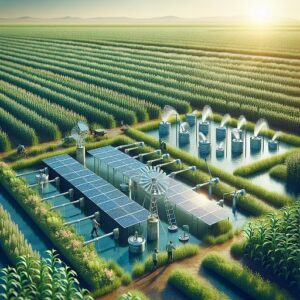
Properly sizing the solar array represents the most critical design consideration for an effective system. Most agricultural center pivots require between 10-30 horsepower pumps, translating to approximately 7.5-22 kilowatts of power. To meet these demands, farmers typically need 25-75 standard solar panels, depending on panel efficiency and local solar insolation rates. The array configuration can be ground-mounted near the pivot point, installed on tracking systems to maximize solar collection, or even distributed across multiple farm structures to utilize existing space efficiently.
Battery Storage Options for Night Operation
Modern solar irrigation systems incorporate battery storage solutions to overcome the fundamental challenge of nighttime operation. Lithium-ion battery banks, similar to those used in residential solar applications but scaled for agricultural demands, store excess daytime production for use during early morning or evening irrigation cycles. These storage systems typically provide 6-12 hours of operational capacity, allowing for optimal irrigation timing regardless of immediate sunlight availability.
Alternative approaches include hybrid systems that can automatically switch between solar, battery, and conventional power sources based on availability and demand. This flexibility ensures irrigation continuity during extended cloudy periods or when overnight watering is essential for certain crops or during critical growth stages.
Integration with Existing Irrigation Infrastructure
One major advantage of solar-powered center pivot systems is their compatibility with existing irrigation infrastructure. Farmers can often retrofit their current center pivot machinery rather than replacing entire systems. This integration typically requires adding a solar array, inverter system, and potentially battery storage, while maintaining the same water delivery mechanisms.
The conversion process usually begins with an energy audit to determine precise power requirements based on pump size, water lift requirements, and operational hours. System integrators then design custom solar arrays that connect to existing electrical control panels through specialized inverters that convert the DC power from solar panels to the AC power required by most irrigation motors. This approach minimizes disruption to farming operations while maximizing return on investment. For farmers looking to understand the cost benefits of solar panels, this method offers a practical solution.
Smart Controls and Remote Management Capabilities
Modern solar-powered center pivot systems incorporate sophisticated monitoring and control technologies that revolutionize irrigation management. Cloud-based software platforms allow farmers to monitor system performance, adjust watering schedules, and track energy production from anywhere using smartphones or computers. These smart systems can integrate with soil moisture sensors, weather forecasting data, and crop growth models to optimize irrigation timing and amounts. For more insights on solar solutions, explore solar panels as a good investment for farmers.
Advanced controllers also manage the interplay between solar production, battery storage, and irrigation demands. During peak sunlight hours, excess energy can be directed to battery storage or, in grid-connected systems, sold back to utility companies. The ability to program irrigation cycles to coincide with optimal solar production maximizes system efficiency while ensuring crops receive water when they need it most.
Real-time alerts notify operators of potential issues like pressure drops, flow problems, or energy production anomalies, allowing for prompt intervention before crop stress occurs. This combination of renewable energy with precision agriculture technology creates unprecedented control over one of farming’s most critical and historically unpredictable operations.
Real Cost Savings: Breaking Down the Numbers
The financial case for solar-powered center pivot irrigation becomes compelling when examining actual operational data from farms across diverse agricultural regions. While upfront costs remain higher than conventional systems, the long-term economics strongly favor solar adoption due to dramatically reduced operating expenses and increasing incentive programs. For more insights, explore the investment potential of solar panels for farmers.
70% Reduction in Operating Costs: How It’s Possible
The dramatic operational savings from solar-powered irrigation stems from essentially eliminating the largest ongoing expense: energy. Traditional electric or diesel-powered systems incur monthly utility bills or fuel costs that continue throughout the system’s lifetime, while solar systems generate free energy after the initial investment. For a typical 160-acre farm using center pivot irrigation, annual energy expenses range from $10,000-$15,000 with conventional power sources, compared to minimal or zero energy costs with properly sized solar systems.
Maintenance expenses also typically decrease with solar systems due to reduced mechanical wear on pumps. Traditional systems often experience voltage fluctuations and power surges from grid connections, leading to premature equipment failure. Solar power delivers clean, consistent electricity that extends pump life by an estimated 15-25%, representing additional savings beyond direct energy costs.
These operational advantages compound over time, with many farmers reporting cumulative savings of $100,000-$200,000 over a 20-year period for a single center pivot system. When scaled across multiple irrigation systems on larger operations, the economic impact becomes even more substantial, often transforming irrigation from a major cost center to a relatively minor operational expense. For more insights on how solar energy can lead to significant cost benefits, explore our guide on solar panels cost benefits.
Typical ROI Timeline for Different Farm Sizes
Return on investment timelines vary based on farm size, local solar conditions, existing infrastructure, and available incentives, but follow predictable patterns. Small operations (under 100 acres) typically see payback periods of 5-7 years, medium operations (100-500 acres) average 4-6 years, and large operations (500+ acres) can achieve full ROI in just 3-5 years due to economies of scale in solar installation costs.
These calculations assume current incentive programs remain available and energy costs continue their historical upward trajectory. As utility rates increase at an average of 2-3% annually, the payback period for solar systems actually shortens over time compared to initial projections. Many financial institutions have recognized this pattern and now offer specialized agricultural solar financing with terms structured around these predictable ROI timelines, further improving cash flow considerations for transitioning farms.
|
Farm Size |
Typical System Cost |
Annual Savings |
Payback Period |
20-Year Savings |
|---|---|---|---|---|
|
Small (50-100 acres) |
$45,000-$75,000 |
$8,000-$12,000 |
5-7 years |
$115,000-$165,000 |
|
Medium (100-500 acres) |
$75,000-$150,000 |
$15,000-$30,000 |
4-6 years |
$225,000-$450,000 |
|
Large (500+ acres) |
$150,000-$300,000+ |
$30,000-$70,000+ |
3-5 years |
$450,000-$1,100,000+ |
Protection Against Future Energy Price Hikes
- Energy independence shields farm operations from utility rate increases, which have averaged 2.5% annually over the past decade
- Elimination of exposure to volatile fuel markets, where price swings of 30-40% have occurred within single growing seasons
- Protection against potential carbon pricing or environmental compliance costs that may impact traditional energy sources
- Ability to accurately forecast irrigation costs for 25+ years, enabling more precise long-term business planning
The economic security provided by fixed energy costs cannot be overstated in an industry where input price volatility represents one of the greatest challenges to sustainable profitability. While neighboring farms may face difficult decisions about irrigation scheduling due to rising energy costs, solar-powered operations maintain optimal watering regimens regardless of external energy market conditions.
This energy independence also provides negotiating leverage with financial institutions. Many agricultural lenders now offer preferential loan terms for farms with solar infrastructure, recognizing the reduced operational risk profile these systems create. Some forward-thinking insurance providers have begun offering reduced premium rates for farms with renewable energy systems based on their improved disaster resilience and operational stability.
The long-term financial impact extends beyond direct cost savings to include enhanced property values. Agricultural properties with installed solar irrigation infrastructure typically command 5-10% higher market valuations due to their reduced operational costs and environmental benefits. This appreciation creates additional equity that can be leveraged for future farm improvements or expansion.
Crop Yield Improvements With Consistent Irrigation
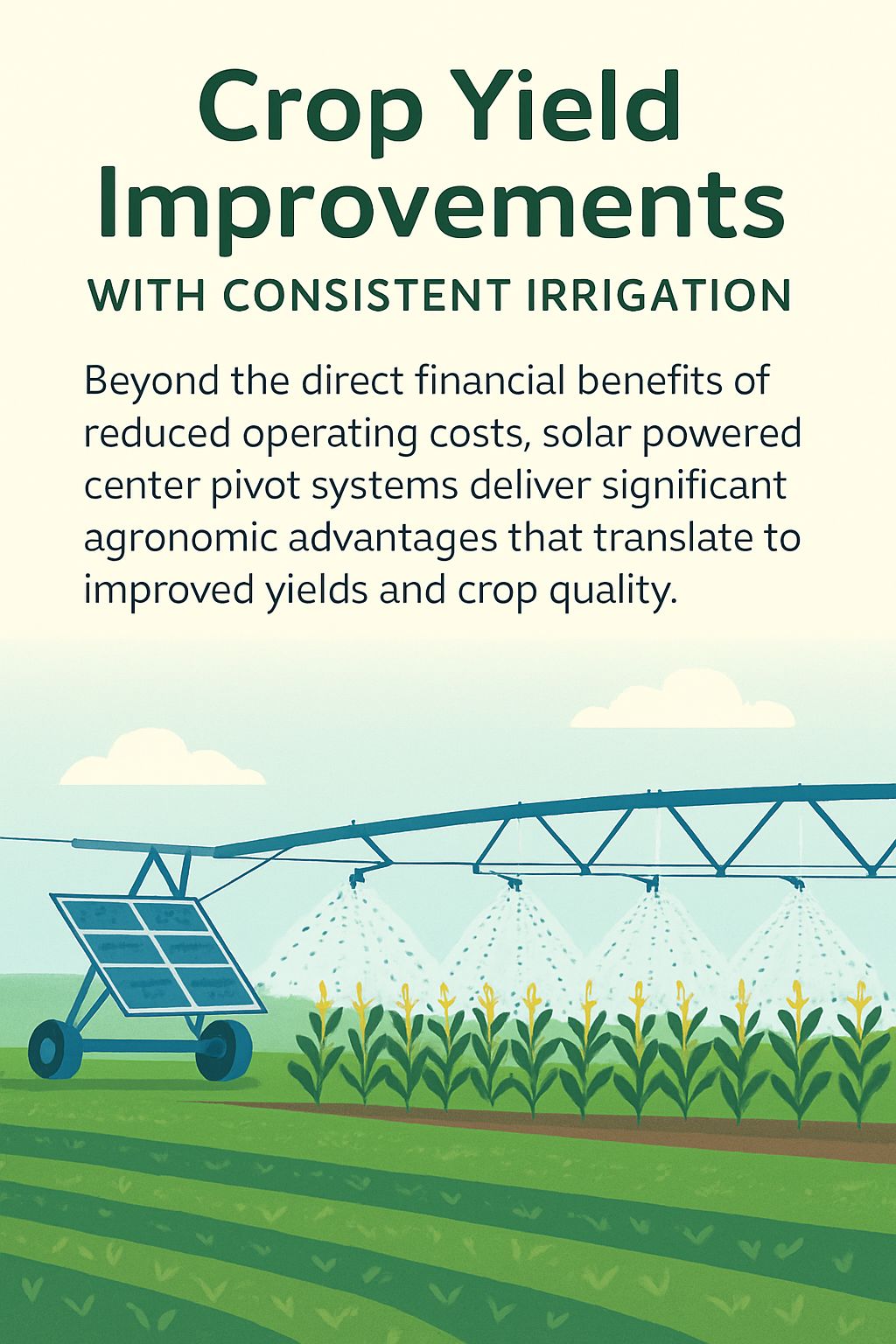
Beyond the direct financial benefits of reduced operating costs, solar-powered center pivot systems deliver significant agronomic advantages that translate to improved yields and crop quality. The relationship between reliable irrigation and productivity becomes particularly pronounced in regions experiencing climate volatility or during drought conditions when conventional systems might be limited by energy constraints or costs.
Research across multiple agricultural regions demonstrates that crops under solar-powered irrigation systems consistently outperform those relying on conventional power sources. This productivity difference stems not from the energy source itself, but from the operational flexibility and consistency that renewable energy provides, allowing farmers to optimize irrigation timing and quantity based solely on crop needs rather than energy considerations.
Why Solar Power Creates More Reliable Water Delivery
Solar-powered irrigation systems provide unparalleled reliability compared to conventional power sources. Grid electricity in rural areas is often subject to outages, especially during peak summer months when irrigation demands are highest. These disruptions can leave crops without water during critical growth periods, potentially reducing yields by 15-20% from a single ill-timed outage. Solar systems operate independently from the grid, continuing to function even when utility power fails.
The consistency of solar power also eliminates concerns about fuel delivery disruptions that plague diesel systems. During extreme weather events or supply chain issues, diesel-powered systems may face operational limitations when fuel cannot be delivered. Solar-powered systems continue functioning through these challenges, ensuring crops receive water when they need it most – particularly important during drought conditions when irrigation becomes even more critical.
This operational reliability translates directly to improved plant health and consistent growth patterns. Stress from irregular watering represents one of the most significant yield-limiting factors in modern agriculture. By eliminating this variable, solar-powered systems create optimal growing conditions throughout the season, allowing crops to achieve their full genetic potential.
Precision Watering Through Smart Technology
Modern solar-powered center pivot systems leverage advanced technology to deliver precisely the right amount of water exactly when crops need it. Variable frequency drives (VFDs) powered by solar arrays allow for dynamic adjustment of water flow rates based on real-time soil conditions, weather patterns, and crop requirements. Unlike conventional systems that often operate at fixed speeds regardless of conditions, these smart systems can fine-tune water application to match specific field zones. For more information on different types of solar-powered irrigation systems, check out this comprehensive guide.
Integration with soil moisture sensors placed at various depths throughout the field enables micro-zone management, where different sections of the same field receive customized irrigation treatments. This precision approach eliminates both over-watering and under-watering, optimizing water use efficiency while supporting ideal growing conditions. Some advanced systems incorporate thermal imaging to detect plant stress before visible symptoms appear, allowing for intervention before yield impacts occur.
The combination of renewable energy and precision application technology creates a virtuous cycle: reliable power enables sophisticated water delivery, which improves crop yields while simultaneously conserving water resources. This synergy represents one of the most significant advantages of solar-powered systems over conventional alternatives that typically lack such advanced capabilities due to power constraints or operational cost concerns.
Case Study: 30% Yield Increase on Nebraska Corn Farm
The Davis family farm in central Nebraska provides a compelling real-world example of yield improvements following solar irrigation implementation. After installing a solar-powered center pivot system on half their 320-acre corn operation in 2019, they maintained conventional power on the remaining acreage, creating a perfect side-by-side comparison under identical soil and weather conditions.
The solar-irrigated section produced an average yield of 228 bushels per acre compared to 176 bushels on the conventionally irrigated portion – a 30% improvement that translated to approximately $42,000 in additional revenue from a single growing season. Detailed analysis revealed that the yield difference stemmed primarily from more consistent soil moisture levels during critical tasseling and grain fill periods, when temporary power disruptions had impacted the conventional system.
Beyond total yield improvements, the Davis family reported higher quality metrics in their solar-irrigated corn, including improved test weights and reduced mycotoxin presence due to more consistent crop development. These quality improvements secured premium pricing from their grain buyers, further enhancing the financial benefits beyond simple yield calculations.
Available Incentives That Slash Installation Costs
The transition to solar-powered irrigation has become increasingly affordable due to a robust ecosystem of financial incentives designed specifically for agricultural applications. These programs significantly reduce upfront investment requirements, improving project economics and accelerating adoption across diverse farming operations.
Federal Tax Credits for Agricultural Solar Projects
The federal Investment Tax Credit (ITC) remains one of the most valuable incentives for agricultural solar projects, currently offering a 30% tax credit on the total system cost. For a typical center pivot solar installation costing $100,000, this represents an immediate $30,000 reduction in tax liability. Unlike tax deductions that merely reduce taxable income, this credit directly reduces the tax bill dollar-for-dollar, substantially improving project economics.
Equally important for many agricultural operations is the Modified Accelerated Cost Recovery System (MACRS), which allows for depreciation of the entire system cost (minus half the tax credit) over just five years. This accelerated depreciation schedule creates significant tax benefits during the early years of system operation, precisely when farmers are most focused on recouping their investment. When combined with the ITC, these federal programs can effectively reduce the net system cost by 45-55% for operations with sufficient tax appetite. For more information, you can explore the benefits and setup guide of solar-powered center pivot irrigation systems.
State-Specific Agricultural Sustainability Grants
Many states have implemented dedicated grant programs targeting agricultural sustainability, with solar irrigation frequently qualifying as a priority project type. California’s State Water Efficiency and Enhancement Program (SWEEP) provides grants up to $100,000 for projects that reduce both water consumption and energy use in irrigation. Colorado’s ACRE3 program offers similar funding specifically for agricultural energy projects, while Nebraska’s Energy Office provides low-interest loans combined with cash incentives for irrigation efficiency upgrades.
These state programs often require demonstration of both environmental benefits and economic viability, but solar-powered irrigation systems easily satisfy these criteria through their water conservation capabilities and clear financial returns. Application processes typically involve documenting current irrigation practices, projected improvements, and expected energy savings. Many state agricultural extension offices provide free assistance with these applications, significantly improving approval chances.
USDA Rural Energy Programs for Farmers
The USDA Rural Energy for America Program (REAP) offers both grants and loan guarantees specifically designed for agricultural energy projects. REAP grants can cover up to 25% of total project costs with maximum awards of $250,000 for renewable energy systems. The program also provides loan guarantees up to 75% of project costs, with maximum loan amounts of $25 million, allowing farmers to secure favorable financing terms even with limited credit history.
The Environmental Quality Incentives Program (EQIP) provides additional funding opportunities through the Natural Resources Conservation Service, offering cost-share assistance for practices that conserve both energy and water. EQIP can cover between 50-75% of implementation costs for qualifying solar irrigation projects, with higher rates available for beginning and socially disadvantaged farmers. These USDA programs can be combined with other incentives, creating powerful financial packages that dramatically reduce out-of-pocket expenses.
Local Utility Rebates and Net Metering Options
Many rural electric cooperatives and agricultural service providers have established their own incentive programs to encourage solar adoption among their agricultural customers. These local programs typically offer per-watt rebates ranging from $0.10 to $0.50, potentially adding thousands of dollars in direct savings to irrigation projects. Some utilities also provide energy efficiency audits at reduced or no cost, helping identify optimal system sizing and configuration before installation begins.
Net metering policies, where available, create additional value by allowing farmers to receive credit for excess power generated during non-irrigation periods. This arrangement effectively turns the utility grid into a battery, storing the value of surplus generation for later use. For operations with seasonal irrigation needs, net metering can transform a solar array from a dedicated irrigation power source into a year-round revenue generator, substantially improving the overall economics.
The combination of these diverse incentive programs can reduce effective system costs by 60-80% in many jurisdictions, transforming the economics from merely favorable to overwhelmingly compelling. Working with experienced agricultural solar developers ensures access to all available programs, as these specialists maintain current knowledge of the complex and ever-changing incentive landscape.
Common Challenges and Solutions
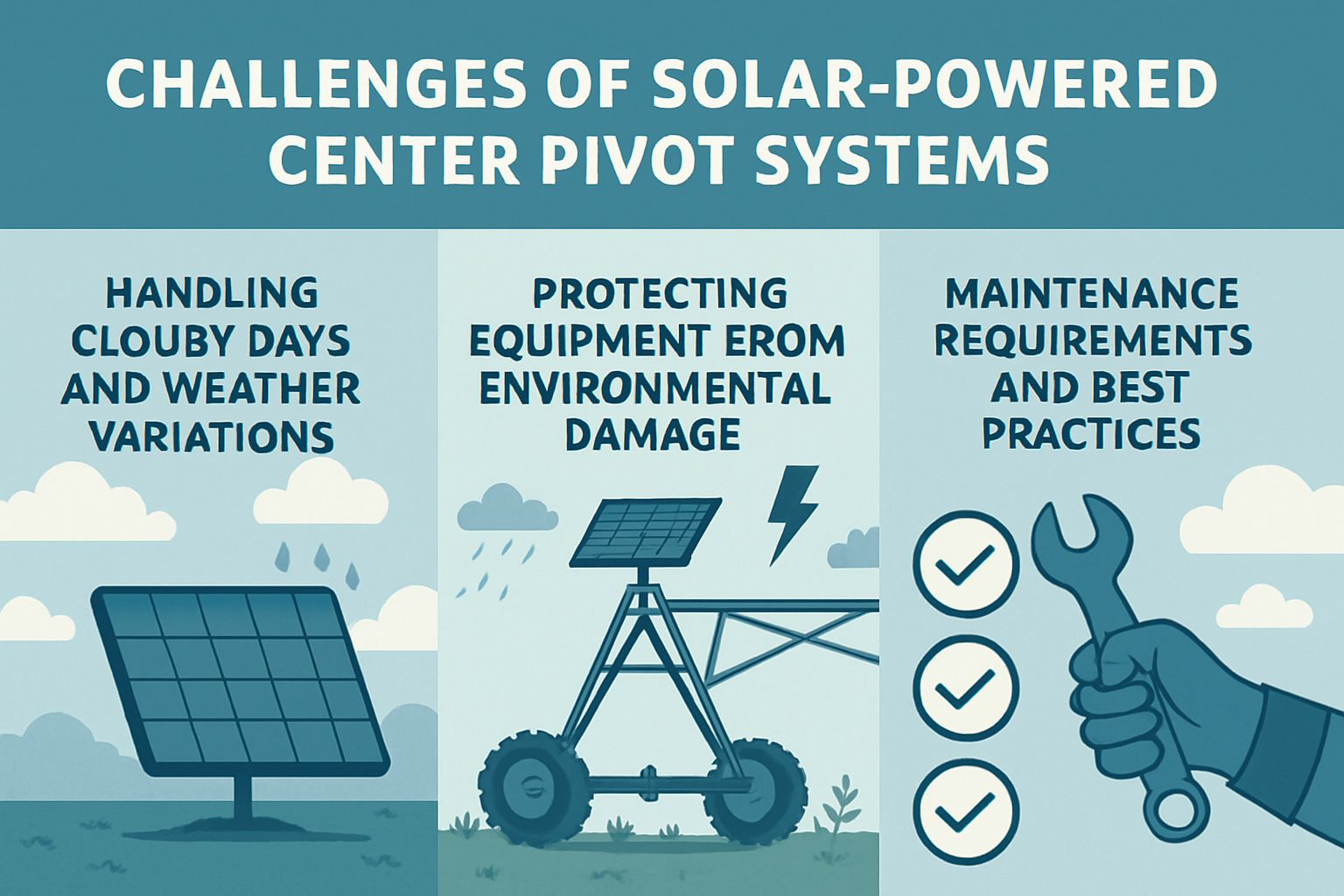
While solar-powered center pivot systems offer tremendous advantages, successful implementation requires addressing several common challenges. Understanding these potential obstacles and their solutions helps farmers navigate the transition effectively and maximize system performance. For instance, choosing the right type of solar panels is crucial, and polycrystalline solar panels can offer specific benefits for agricultural applications.
Handling Cloudy Days and Weather Variations
Intermittent solar production during cloudy periods represents one of the most frequently cited concerns for irrigation-dependent operations. Modern systems address this challenge through multi-faceted approaches tailored to specific farm needs and local weather patterns. Battery storage systems sized to provide 1-3 days of operational capacity ensure continuous irrigation through typical cloudy periods, while hybrid configurations that can automatically switch between solar and conventional power sources provide redundancy for extended low-production periods.
Strategic irrigation scheduling also helps mitigate weather challenges, with automated systems programmed to maximize watering during peak solar production hours and reduce operation during typical low-light periods. Advanced weather forecasting integration allows systems to “pre-irrigate” ahead of expected cloudy periods, maintaining optimal soil moisture even when solar production temporarily decreases. For regions with predictable seasonal weather patterns, system sizing typically includes additional capacity to account for these variations, ensuring sufficient power even during less-than-ideal conditions.
Water storage represents another effective strategy, with solar power used to pump water to elevated tanks or reservoirs during peak production periods, creating gravity-fed irrigation capacity that can operate independently of real-time solar generation. This approach effectively decouples the energy production schedule from the irrigation schedule, providing flexibility that conventional systems cannot match.
Protecting Equipment from Environmental Damage
Solar equipment deployed in agricultural environments faces exposure to dust, moisture, temperature extremes, and potential physical damage that can impact performance and longevity. Protective measures begin with proper panel mounting systems designed specifically for agricultural applications, typically featuring reinforced frames elevated sufficiently to allow equipment passage and resist wind damage. Many systems employ automatic panel cleaning technology that uses minimal water to maintain optimal performance without manual intervention. For more detailed information, you can explore this guide for farmers on solar panel systems in center pivot irrigation.
Strategic placement of electronic components in weatherproof enclosures with appropriate cooling and heating elements ensures reliable operation regardless of ambient conditions. Lightning protection systems, including proper grounding and surge suppression devices, protect sensitive equipment in areas prone to electrical storms. For regions with severe weather risks like hail or high winds, specialized panel designs with tempered glass and reinforced mounting systems provide enhanced durability, often backed by comprehensive insurance policies that cover weather-related damage.
Maintenance Requirements and Best Practices
While solar-powered systems generally require less maintenance than conventional alternatives, regular attention to key components ensures optimal performance and maximum lifespan. Most agricultural solar systems benefit from semi-annual panel cleaning to remove dust and pollen that can reduce efficiency, though this schedule varies based on local conditions. Annual electrical inspections identify potential issues before they impact performance, focusing on connection points, inverters, and control systems where problems most commonly develop. For more details on the types of solar systems used in agriculture, check out this guide on solar-powered irrigation systems.
Battery systems require specific maintenance protocols, including regular capacity testing and monitoring of charge/discharge cycles to identify degradation before it impacts irrigation capabilities. Center pivot components themselves benefit from the same maintenance routines used with conventional systems, including lubrication, alignment checks, and sprinkler head inspection. Many system providers now offer comprehensive maintenance packages that combine preventive care with real-time monitoring, alerting farmers to potential issues before they cause operational disruptions.
Developing simple maintenance protocols and integrating them into existing farm operations ensures these critical tasks aren’t overlooked during busy periods. Manufacturer training programs help farm staff understand system operation and basic troubleshooting, reducing dependence on external service providers and minimizing downtime when issues arise. Documentation of maintenance activities not only supports system performance but often satisfies requirements for warranty protection and insurance coverage.
Future-Proof Your Farm: What’s Next in Solar Irrigation
The integration of solar power with center pivot irrigation represents not just a current solution but a platform for ongoing innovation in agricultural water management. Forward-thinking farmers are positioning themselves to leverage emerging technologies that will further enhance efficiency, productivity, and sustainability over the coming decades.
As agriculture faces increasing challenges from climate change, resource constraints, and economic pressures, investments in adaptable infrastructure like solar-powered irrigation create operational resilience that extends well beyond immediate benefits. Understanding the technology roadmap helps farmers make implementation decisions that accommodate future enhancements without requiring complete system replacement.
Emerging Technologies to Watch
Artificial intelligence integration represents one of the most promising advancements for solar irrigation systems. Machine learning algorithms that analyze historical yield data, weather patterns, soil conditions, and crop development stages can optimize irrigation schedules with unprecedented precision. These AI systems continuously improve their recommendations based on observed results, creating truly adaptive irrigation management that maximizes both water efficiency and crop productivity.
Bifacial solar panels that generate electricity from both direct sunlight and reflected light from the ground are gaining traction in agricultural applications, increasing energy production by 10-30% compared to traditional panels. This technology is particularly valuable in regions with reflective soil types or where snow cover creates additional reflection during winter months. When combined with single-axis tracking systems that follow the sun’s daily movement, these panels can increase annual energy production by up to 40% without expanding the physical footprint.
Advanced energy storage solutions beyond traditional batteries are also emerging, with flow batteries and mechanical storage systems offering longer cycle lives and reduced environmental impact. Hydrogen production and storage represent another frontier, where excess solar energy produces hydrogen that can later power fuel cells when solar production decreases. These technologies promise to solve the intermittency challenges that have historically limited renewable energy applications in critical agricultural operations.
Scaling Your System as Farm Needs Grow
Designing solar irrigation systems with expansion capabilities ensures farms can adapt to changing operational requirements without starting from scratch. Modular approaches to both solar arrays and battery storage allow for incremental capacity increases as irrigation needs grow or as additional center pivots are added to the operation. Electrical systems with purposeful overcapacity in inverters and distribution equipment accommodate future expansion without requiring complete replacements.
Integration frameworks that allow new technologies to connect with existing infrastructure protect initial investments while enabling performance enhancements. Open-source control systems with standardized communication protocols ensure compatibility with emerging sensors, analytics platforms, and management tools regardless of manufacturer. This interoperability has become increasingly important as specialized agricultural technology developers introduce innovations that can significantly enhance system performance when properly integrated.
Financial planning for system evolution, including setting aside a portion of operational savings for future enhancements, ensures farms can continuously improve their capabilities without creating cash flow challenges. Many agricultural lenders now offer flexible financing programs specifically designed for phased renewable energy implementation, recognizing the value of strategic, incremental improvements aligned with farm growth and changing climate conditions.
Conclusion: Is Using a Solar Powered Center Pivot Irrigation a Good Investment for a Farmer
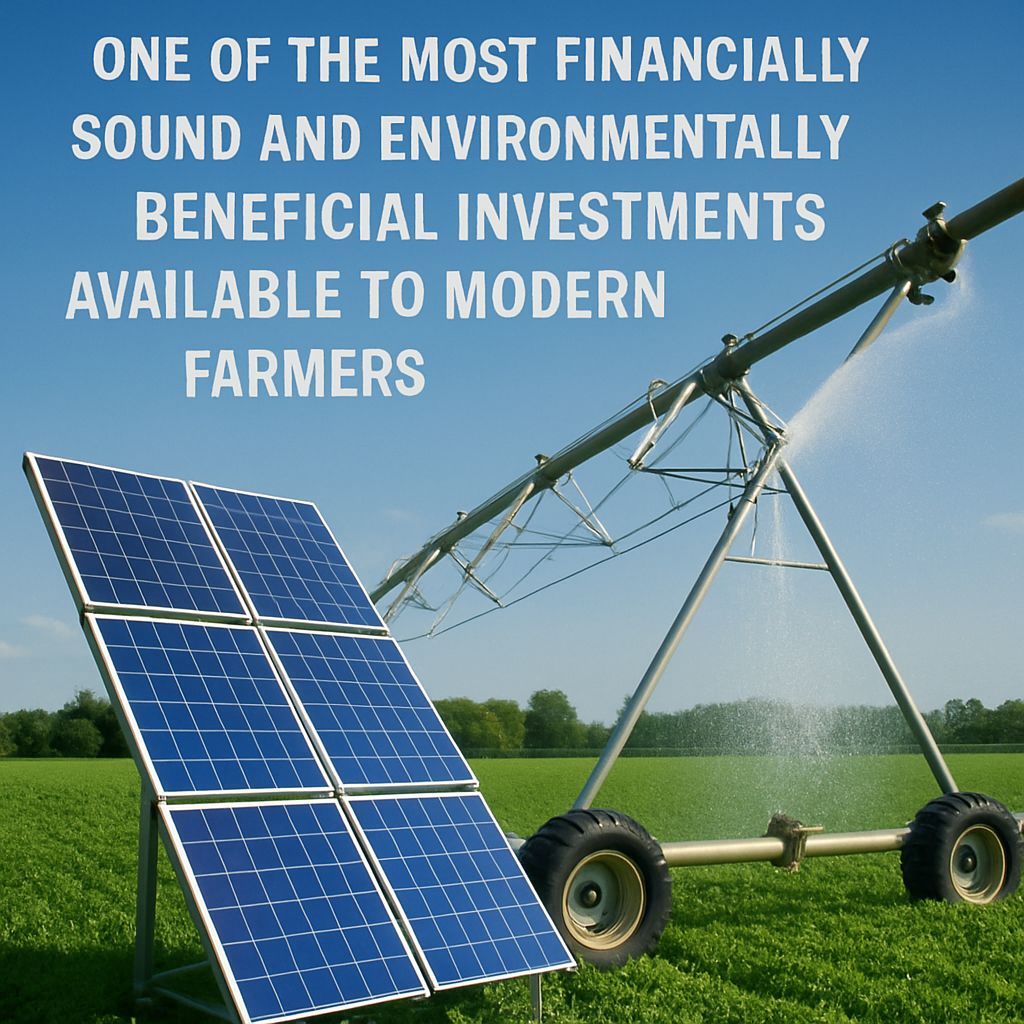
The evidence overwhelmingly supports solar-powered center pivot irrigation as one of the most financially sound and environmentally beneficial investments available to modern farmers. With operational cost reductions of up to 70%, yield improvements averaging 15-30%, and payback periods typically under 5-7 years, these systems deliver compelling returns while simultaneously building farm resilience against energy price volatility and climate challenges. When combined with available incentives that can reduce upfront costs by 60-80%, the economic case becomes nearly irrefutable for operations with suitable solar exposure. Beyond immediate benefits, these systems position farms for future technological integration that will further enhance performance and sustainability in an increasingly resource-constrained agricultural landscape. Visit GrowingSolarMist today to learn how our custom-designed solar irrigation solutions can transform your farm’s productivity while drastically reducing operational costs.
Frequently Asked Questions
The transition to solar-powered irrigation naturally raises questions about system capabilities, economics, and practical implementation. The following answers address the most common inquiries from farmers considering this technology.
These responses reflect real-world experience across diverse agricultural operations and climate conditions, providing practical guidance based on actual performance rather than theoretical projections.
How long do solar panels for irrigation systems typically last?
Agricultural-grade solar panels typically carry 25-30 year warranties guaranteeing at least 80% of their original production capacity throughout this period. In practice, many systems continue functioning well beyond this timeframe, with gradual efficiency declines rather than complete failure. The inverters that convert DC power to AC typically have shorter lifespans of 10-15 years and represent the most common component requiring replacement during the system’s lifetime. Battery storage systems, when included, generally need replacement every 7-10 years for lead-acid technologies or 10-15 years for lithium-ion systems, though these timelines continue improving with technological advancements.
Can solar-powered systems handle large acreage irrigation needs?
Solar systems can be scaled to meet irrigation requirements for operations of any size, from small specialty crop farms to extensive commodity production. Large operations typically employ multiple interconnected arrays that can power several center pivots from a centralized generation facility. For example, a 1,000-acre corn operation in Illinois successfully implemented a 300kW solar system that powers six center pivots while also providing electricity for grain drying and other farm operations. The modular nature of solar technology allows for precise sizing to match specific irrigation demands, with the ability to expand capacity as operational needs grow.
What happens to excess power generated by my solar array?
Management of excess power depends on system configuration and local utility policies. Grid-connected systems with net metering agreements receive credits for surplus energy fed back to the utility, effectively banking this value for future use during periods when irrigation demands exceed solar production. Off-grid systems typically direct excess power to battery storage for later use, or employ automatic load management systems that activate secondary equipment like water pumps for storage tanks, grain dryers, or workshop tools when excess capacity is available.
Some advanced systems incorporate variable frequency drives that automatically adjust pump speeds based on available solar power, optimizing water delivery while utilizing the maximum available energy. This approach ensures no solar production goes unused while maintaining efficient irrigation operations throughout varying production levels.
Do I need to completely replace my existing irrigation system?
Most solar conversions retain existing center pivot infrastructure while replacing or supplementing the power source. The mechanical components of modern center pivot systems – including the pivot point, span pipes, drive mechanisms, and sprinklers – typically remain unchanged during solar implementation. The primary modifications occur in the power delivery system, with solar arrays and associated electrical equipment replacing or supplementing conventional power sources. This approach minimizes disruption while maximizing financial returns, as farmers avoid replacing functional equipment while eliminating their largest operational expense.
How does solar irrigation perform in different climate regions?
Solar irrigation systems have demonstrated successful performance across diverse climate zones, from arid regions like Arizona and California to humid areas like Georgia and Missouri. System design adjustments accommodate regional solar patterns, with northern locations typically requiring larger arrays to compensate for lower solar intensity and shorter days. Areas with distinct rainy seasons often incorporate more substantial battery storage or hybrid power options to maintain reliability during extended cloudy periods. Even in regions not traditionally considered “sunny,” modern high-efficiency panels capture sufficient energy to power irrigation systems, though payback periods may extend slightly compared to areas with higher solar resources.
Climate-specific optimization strategies include panel angle adjustments to maximize seasonal production during peak irrigation months, snow-shedding mounting systems for northern regions, and enhanced cooling systems for inverters in hot climates. These adaptations ensure reliable performance regardless of geographic location, making solar irrigation viable for virtually any farming operation with irrigation needs.
For more information about how solar-powered center pivot irrigation can benefit your specific operation, contact GrowingSolarMist’s agricultural energy specialists for a customized assessment and system design tailored to your unique farming conditions.
Center pivot irrigation systems have become increasingly popular among farmers due to their efficiency and ability to cover large areas. With the integration of solar panels, these systems are now even more cost-effective. Many farmers are discovering the benefits of solar-powered irrigation systems, which not only reduce energy costs but also promote sustainable farming practices. By harnessing solar energy, farmers can irrigate their crops without relying heavily on traditional power sources, thus reducing their carbon footprint and operational costs.


Leave a Reply