
Key Takeaways
- Solar panels can reduce farmhouse and worker housing electricity costs by 50-70%, significantly improving farm profitability
- USDA REAP grants and federal tax incentives can cover up to 60% of installation costs for agricultural solar projects
- Properly sized solar systems typically provide return on investment within 5-10 years while offering 25+ years of energy generation
- Beyond immediate savings, solar installations increase property values and provide protection against rising utility rates
- Farms with worker housing can use solar power to reduce labor costs while providing improved living conditions
Farm energy costs are eating into your profits at an alarming rate. As utility rates continue to climb, especially in rural areas, finding sustainable ways to power your farmhouse and workers’ quarters has become essential for maintaining healthy margins. Solar panels offer a proven solution that can transform these energy expenses into a valuable investment while providing decades of reliable power.
8M Solar has been helping farmers across the country implement solar solutions that dramatically reduce operating costs while increasing property values. Our agricultural specialists understand the unique energy demands of farm living spaces and can design systems that maximize both immediate savings and long-term financial benefits.
Farm Energy Bills Are Draining Your Profits
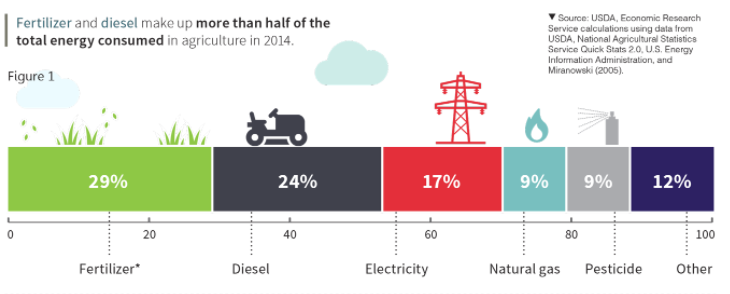
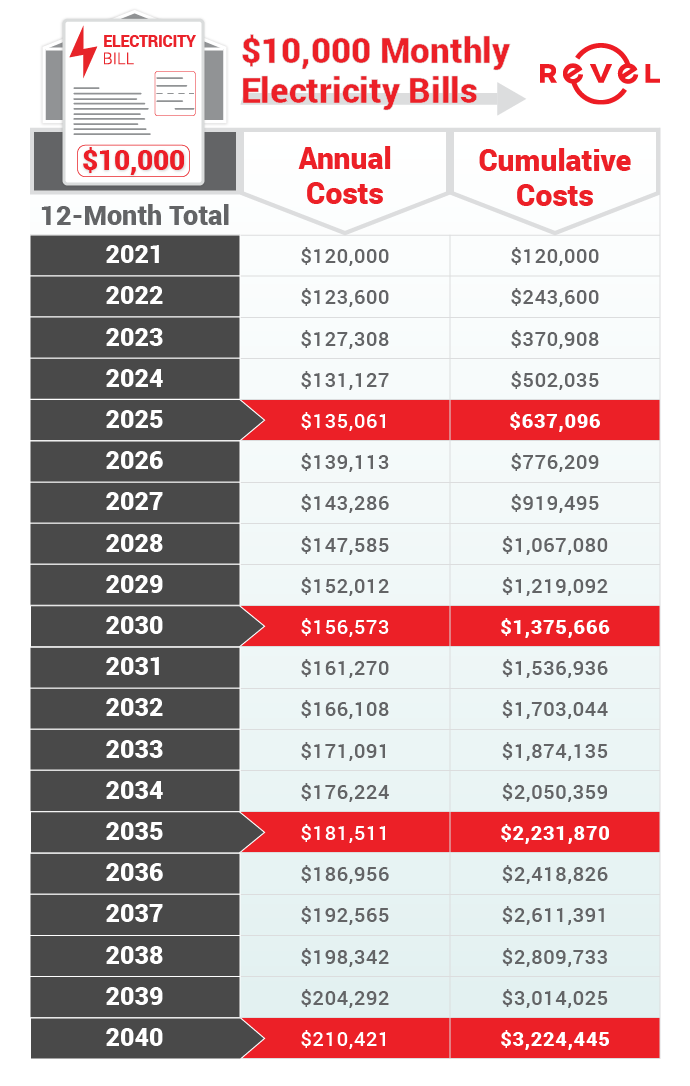
The rising cost of electricity is quietly eroding farm profitability across America. While most farmers closely monitor feed costs, equipment expenses, and commodity prices, energy often flies under the radar despite being a significant operational expense. For farms with residential buildings and worker housing, these energy costs can represent thousands of dollars annually that directly impact your bottom line.
Rising Electricity Costs in Rural Areas
Rural electricity rates have been increasing at an average of 3-5% annually over the past decade, outpacing inflation and putting additional pressure on farm operations. Many agricultural regions face even steeper increases due to aging infrastructure and the higher cost of service delivery to remote locations. For farmhouses and workers’ quarters that rely heavily on electricity for heating, cooling, and daily living, these rate increases translate to ever-growing expenses that can be difficult to control through conservation alone.
How Farmhouse Energy Consumption Impacts Your Bottom Line
Your farmhouse likely consumes significantly more energy than the average residential property. The combination of older construction, larger square footage, and constant activity creates substantial energy demands that directly affect profitability. A typical farm residence can use 30-50% more electricity than comparable urban homes, resulting in monthly bills that can exceed $300-500 during peak seasons. These costs are essentially fixed expenses that continue regardless of crop prices or production volumes, making them particularly challenging during market downturns. To mitigate these costs, consider exploring solar power benefits for agriculture as a sustainable energy solution.
The Hidden Cost of Powering Workers’ Quarters
Providing housing for farm workers comes with substantial energy expenses that many operations underestimate. Each additional housing unit can add $1,500-3,000 in annual electricity costs, depending on size, occupancy, and efficiency. These expenses directly impact labor costs and can make worker retention more challenging, especially when competing with operations offering housing with included utilities. As labor becomes increasingly scarce in agricultural communities, the ability to offer quality housing with predictable energy costs becomes a significant competitive advantage.
“After installing solar on our worker housing units, we reduced electricity costs by nearly 70% while providing more comfortable living conditions. Our seasonal workers now return year after year, partly because we can offer housing with reliable power at no additional cost to them.” – James Wilson, Willow Creek Farms
Solar Power: A Smart Investment for Farm Buildings
Converting your farmhouse and workers’ quarters to solar power represents one of the most straightforward ways to reduce fixed operating costs while building equity in your property. Unlike many farm investments that depreciate over time, solar installations typically increase in value as utility rates rise, providing both immediate savings and long-term financial benefits.
Immediate vs. Long-Term Savings
The financial benefits of solar power for farm buildings begin immediately upon installation and continue to grow over time. In the first year alone, properly sized solar systems typically reduce farmhouse electricity expenses by 50-70%, creating immediate positive cash flow even when financing the installation. For a farmhouse with a $300 monthly electric bill, this translates to $1,800-$2,500 in first-year savings that can be redirected to other farm needs. To understand more about how solar power is transforming agriculture, check out this article on solar power in modern farming.
Long-term savings accelerate as utility rates continue to increase while your solar production costs remain fixed. Over a 25-year period (the minimum performance warranty for quality solar panels), total savings for a single farmhouse can exceed $100,000 when accounting for rising energy costs. Systems covering multiple buildings or worker housing units can generate even more substantial returns, often becoming one of your farm’s most profitable investments on a percentage basis.
Typical Payback Period for Farmhouse Solar Systems
Most agricultural solar installations achieve complete payback within 5-10 years, depending on your current energy costs, available incentives, and system size. This payback period is significantly shorter than many other farm capital improvements, particularly when factoring in available agricultural grants and tax benefits. After reaching payback, your system effectively generates free electricity for the remainder of its 25-30 year lifespan, providing decades of predictable energy costs in an otherwise volatile expense category. For more information on how solar power benefits agriculture, explore additional resources.
The economic calculus becomes even more favorable when combining residential and agricultural buildings under a single solar array. By consolidating energy production, you can often qualify for larger incentives while reducing per-watt installation costs through economies of scale. Farms with substantial worker housing can see payback periods reduced to as little as 4-6 years by addressing these combined energy needs through a comprehensive solar solution.
How Much Can You Actually Save?
The savings potential for farm residential buildings varies based on current consumption patterns, local utility rates, and available solar incentives. For perspective, a typical 10kW system designed for a farmhouse and small worker quarters can generate approximately 14,000 kWh annually in average solar conditions. At today’s average rural electricity rates, this production represents about $2,100 in first-year savings, growing to over $2,800 annually by year ten as utility rates increase.
When factoring in the 30% federal solar tax credit and applicable USDA REAP grants (which can cover an additional 25% of costs), the net investment for this system might be $15,000-$18,000 after incentives. This creates a simple payback period of 7-8 years, after which the system generates essentially free electricity for the remainder of its 25+ year lifespan. The lifetime savings from this modest investment typically exceeds $75,000-$90,000, representing an exceptional return on investment compared to most farm capital improvements.
|
System Size |
Approximate Annual Production |
First Year Savings |
25-Year Savings |
Typical Payback Period |
|---|---|---|---|---|
|
8kW (Large Farmhouse) |
11,200 kWh |
$1,680 |
$65,000+ |
7-9 years |
|
15kW (Farmhouse + Small Worker Housing) |
21,000 kWh |
$3,150 |
$120,000+ |
6-8 years |
|
25kW (Multiple Residential Buildings) |
35,000 kWh |
$5,250 |
$200,000+ |
5-7 years |
Beyond Savings: Added Property Value
Solar installations significantly increase farm property values, creating equity that enhances your financial position even before considering energy savings. Recent studies indicate that solar-equipped properties typically command 4-6% higher valuations compared to similar properties without renewable energy systems. For a $500,000 farm property, this represents $20,000-$30,000 in immediate equity creation, often exceeding the net cost of installation after incentives.
This increased valuation provides additional borrowing capacity for farm operations while creating a valuable hedge against market fluctuations. Unlike many farm improvements that depreciate over time, solar systems maintain or increase their contribution to property value as energy costs rise, representing one of the few farm investments that appreciates rather than depreciates with age.
Practical Solar Solutions for Farm Living Spaces
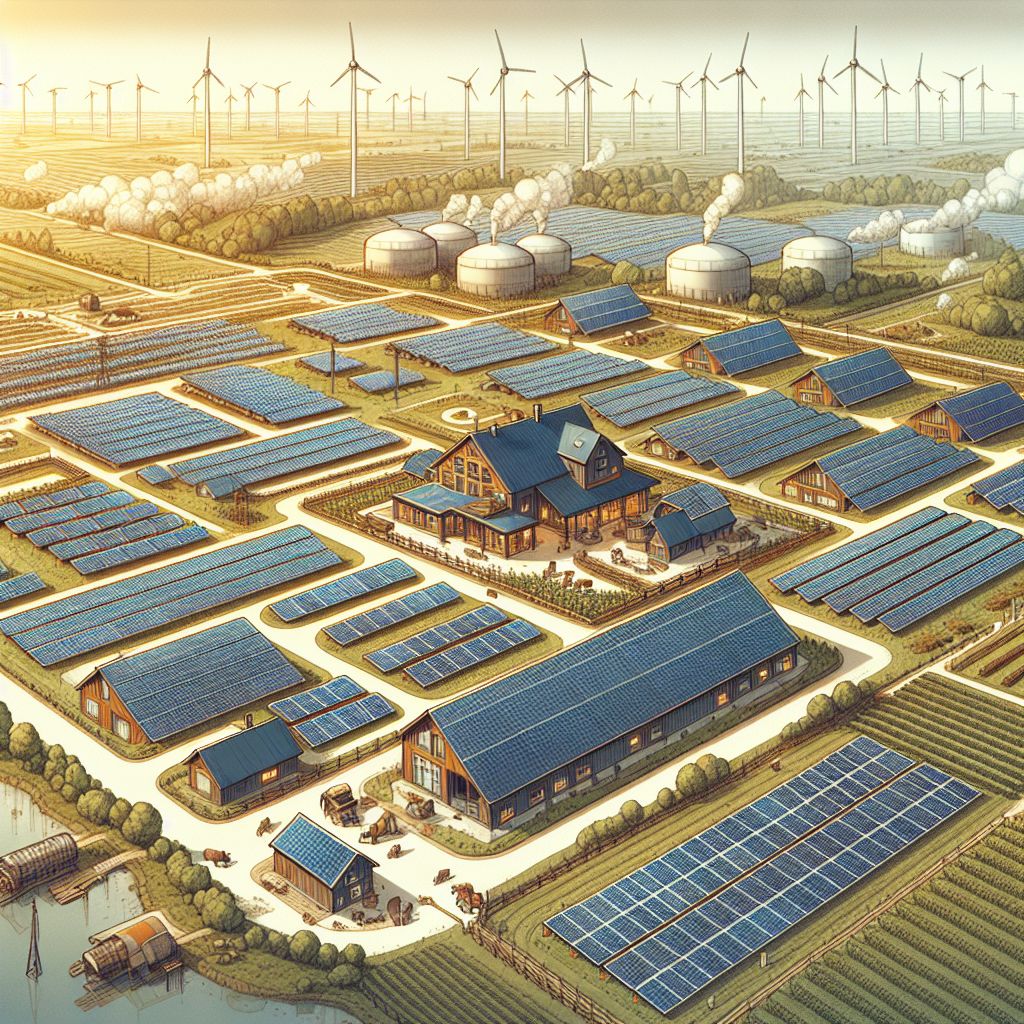
Implementing solar power for farm residences requires thoughtful planning to maximize both financial returns and system performance. The unique characteristics of agricultural properties often provide advantages not available to typical residential installations, including ample space for optimal panel placement and the ability to design systems that serve multiple buildings under a single installation. For more insights, explore how solar power is transforming modern farming.
Modern solar technology offers flexible solutions that can be tailored to specific farm needs, whether you’re powering a single farmhouse or multiple worker residences. Advances in panel efficiency, mounting systems, and energy storage have made solar increasingly practical for farms in virtually all geographic regions, regardless of climate conditions or property configuration. For more insights, explore how solar power impacts farmer bottom lines.
When evaluating solar options for farm buildings, it’s essential to consider both immediate needs and future expansion possibilities. A properly designed system should accommodate current energy requirements while providing the flexibility to expand as farm operations grow or energy needs increase. This forward-thinking approach ensures maximum long-term returns while minimizing the need for costly system modifications in the future.
Right-Sizing Your System for Multiple Buildings
Determining the optimal solar system size for farm residential needs requires analyzing energy consumption patterns across all living spaces. Start by collecting 12 months of electric bills for your farmhouse and any worker housing to identify seasonal variations and establish a baseline consumption level. This data enables precise system sizing that balances upfront investment with long-term savings potential.
For farms with multiple residential buildings, consolidating under a single larger system often provides better economics than separate installations. A 20kW system serving both a farmhouse and worker quarters typically costs 15-20% less per watt than two separate 10kW systems, while qualifying for better incentive rates and simplified interconnection. This approach also allows for strategic allocation of solar production across buildings based on occupancy patterns and seasonal needs. Learn more about solar power benefits in agriculture.
When sizing your system, consider future electrification plans like transitioning from propane to electric heating or adding electric vehicle charging stations. Building in 20-30% additional capacity can provide substantial long-term savings compared to expanding the system later. Most agricultural solar installations can be designed with expansion pathways that minimize future upgrade costs while maximizing current incentive eligibility.
Roof-Mounted vs. Ground-Mounted Options
Farms enjoy unique advantages when it comes to solar mounting options. While urban homeowners are often limited to rooftop installations, agricultural properties typically have ample space for ground-mounted arrays that offer superior performance and accessibility. Ground-mounted systems generally produce 10-15% more energy than comparable roof installations due to optimal angle positioning and better airflow for cooling panels.
For farmhouses with metal roofs in good condition, roof mounting remains an excellent option that minimizes land use while providing decades of reliable production. Metal roofs are ideal solar platforms with lifespans that align well with modern solar panels, often requiring no roof replacement during the system’s lifetime. When evaluating rooftop potential, consider orientation (south-facing is optimal), shading factors, and structural capacity to ensure maximum system performance. For more insights on how solar panels impact farm profit, explore the benefits and effects they offer.
The most cost-effective approach for many farms combines rooftop and ground-mounted elements to maximize production while minimizing costs. This hybrid approach allows optimal placement of panels based on specific site conditions while preserving valuable agricultural land for production. For properties with multiple residential buildings, centralized ground arrays with distribution to individual structures often provide the best long-term economics while simplifying maintenance requirements.
Battery Storage: Is It Worth the Extra Cost?
Battery storage systems add significant initial cost to farm solar installations but provide valuable benefits for properties with unreliable grid connections or frequent power outages. A basic battery backup system capable of powering essential residential loads during outages typically adds $10,000-$15,000 to installation costs, representing a substantial investment that should be carefully evaluated against your specific reliability needs. For more insights on how solar power is transforming agriculture, explore solar power applications for farms.
For farms in areas with time-of-use billing or limited net metering policies, batteries can enhance financial returns by storing excess daytime production for evening use. This approach maximizes self-consumption of solar energy rather than selling it back to the grid at reduced rates, potentially improving overall system economics. The financial calculation becomes particularly favorable for operations with high evening energy usage in worker housing or farm buildings.
“Adding battery storage to our farm’s solar system paid for itself faster than expected. We’ve eliminated the productivity losses from our frequent power outages, and worker housing now has reliable electricity regardless of grid conditions. The peace of mind alone has been worth the investment.” – Maria Rodriguez, Sunshine Valley Farm
Real Farmers, Real Savings: Success Stories
The financial impact of solar power on farm residential energy costs is best understood through real-world examples. Across diverse agricultural operations, solar installations are consistently delivering substantial savings while improving quality of life for farm families and workers. These case studies illustrate the practical benefits of transitioning farm buildings to renewable energy.
Dairy Farm Cuts Residential Energy Bills by 80%
Henderson Family Dairy in Wisconsin installed a 22kW solar array covering their farmhouse and two worker residences in 2020. The system reduced their residential electricity costs from over $4,800 annually to just $960 – an 80% reduction that improved cash flow even with financing payments. With REAP grant funding covering 25% of costs and the federal tax credit reducing expenses by another 30%, their out-of-pocket investment was just $21,000 for a system valued at $66,000.
The Hendersons report that their system has outperformed initial projections by approximately 8%, generating additional savings while providing reliable power during rural grid outages. With rising local utility rates, they now project complete payback within 6 years rather than the originally calculated 7.5 years. The system’s performance has been so impressive that they’re now planning a larger installation for their dairy operation.
How a Small Orchard Eliminated Electricity Costs
Westfield Orchards in upstate New York completely eliminated electricity bills for their 1890s farmhouse and seasonal worker cabins through a strategic 15kW solar installation. By combining energy efficiency upgrades with carefully sized solar production, they’ve achieved net-zero energy status despite their historic buildings and northern climate. Their $32,000 investment (after incentives) generates approximately $3,800 in annual electricity savings, creating a simple payback period of 8.4 years.
Beyond direct savings, the Westfield family reports significant quality-of-life improvements from reduced energy concerns. “We no longer worry about heating costs during harsh winters or cooling expenses during harvest season when worker housing is at capacity,” notes owner James Westfield. “The predictable energy costs have made budgeting significantly easier while freeing up resources for other farm improvements.” For more insights, explore how solar power impacts a farmer’s bottom line.
Worker Housing Upgrades That Improved Retention
Sunbelt Produce in Georgia transformed their worker housing energy situation through a comprehensive 35kW solar installation serving six residential buildings. Beyond the $7,200 annual electricity savings, they’ve experienced dramatically improved worker retention rates since implementing solar power. By eliminating energy curtailments during peak summer months and providing consistent climate control regardless of grid conditions, they’ve created more attractive housing that helps retain experienced seasonal workers.
The operation reports that worker retention rates have improved from 65% to over 90% since implementing solar power, creating substantial secondary savings through reduced training costs and increased productivity. “Our initial focus was purely on energy savings,” explains operations manager Sarah Johnson. “But the improvement in worker satisfaction and retention has actually delivered greater financial benefits than the direct electricity savings.”
Take Action Now to Secure Your Farm’s Energy Future
Taking control of your farm’s residential energy costs through solar power represents one of the most straightforward paths to improved profitability and operational stability. With agricultural electricity rates projected to continue rising faster than inflation, the financial case for solar investments grows stronger each year. The combination of federal tax incentives, USDA grants, and improving solar technology has created an unprecedented opportunity to convert a significant farm expense into a valuable asset.
Is it a Good Investment for a Farmer to Turn to Solar Power
For most farm operations with substantial residential energy consumption, solar power represents an excellent investment that delivers both immediate and long-term financial benefits. The combination of 30% federal tax credits, USDA REAP grants covering up to 25% of costs, accelerated depreciation benefits, and rising utility rates creates compelling economics that few other farm investments can match. When properly designed and installed, residential solar systems typically deliver returns exceeding 10-15% annually while providing fixed energy costs for decades.
|
Investment Metric |
Typical Farm Solar Results |
Comparison to Other Farm Investments |
|---|---|---|
|
Annual Return on Investment |
10-15% |
Superior to most equipment purchases |
|
Payback Period |
5-10 years |
Shorter than many infrastructure investments |
|
Useful Life |
25-30+ years |
Exceeds most farm equipment |
|
Impact on Property Value |
Increases 4-6% |
One of few farm investments that appreciates |
Beyond pure financial returns, solar power provides valuable risk management benefits by stabilizing a significant operational cost. While commodity prices, input costs, and weather conditions remain unpredictable, solar-powered buildings deliver consistent energy performance regardless of external factors. This predictability improves both short-term cash flow management and long-term financial planning, creating operational stability that extends beyond direct savings.
The decision to invest in solar should be approached with the same analytical rigor as other major farm investments. Begin with a professional site assessment that evaluates your specific energy usage patterns, available installation locations, and local incentives. This data-driven approach ensures your system is properly sized to maximize financial returns while addressing your unique operational needs. Most reputable agricultural solar providers offer free initial assessments that can help quantify potential savings without obligation. For more insights on how solar power can transform your farm operations, check out how solar power is transforming modern farming.
Agricultural solar adoption continues to accelerate as more farmers recognize both the immediate financial benefits and long-term strategic advantages of energy independence. By reducing fixed costs associated with residential buildings, solar power creates operational flexibility that can sustain farm viability through market fluctuations and economic challenges. The question for most operations is no longer whether solar makes financial sense, but rather how to implement it most effectively within your specific farm context. For a deeper understanding, explore how solar panels impact farm profit and their effects on overall benefits.
Frequently Asked Questions
As you consider solar power for your farm’s residential buildings, you likely have questions about implementation, economics, and practical considerations. These frequently asked questions address the most common concerns farmers raise when evaluating solar investments for their properties.
Understanding the practical aspects of solar implementation helps ensure your investment delivers maximum value while minimizing disruption to farm operations. Most agricultural solar installations proceed smoothly with minimal impact on day-to-day activities when properly planned and executed by experienced providers.
How long does it take to install solar panels on a farmhouse?
Most residential farm solar installations are completed within 2-5 days for the physical installation, though the entire process from contract signing to system activation typically spans 2-3 months. This timeline includes design finalization, permitting, equipment procurement, installation, and utility interconnection approval. Larger systems serving multiple farm buildings may require additional installation time, but the incremental increase is usually modest due to economies of scale. Experienced agricultural solar installers can often work around farm operational schedules to minimize disruption during busy seasons.
Can I install solar panels myself to save money?
While DIY solar installation is technically possible, it generally doesn’t make financial sense for farm applications when considering available incentives, warranty protection, and performance optimization. Most agricultural grants and many tax incentives require professional installation by certified providers, meaning self-installation often results in higher net costs despite lower initial expenses. Additionally, professional installers provide system warranties and performance guarantees that protect your investment while maximizing energy production. For farms seeking to reduce installation costs, participating in preparation work like mounting system installation can offer savings without compromising incentive eligibility or system performance.
What happens to excess energy my solar system produces?
Most farm solar systems connect to the utility grid through net metering arrangements that credit excess production against future consumption. During sunny periods when your system produces more electricity than your buildings consume, this excess flows back to the grid, effectively running your meter backward and generating credits. These credits then offset consumption during nighttime or cloudy periods, creating a balanced system that maximizes financial benefits. The specific value of excess production varies by state and utility, with most agricultural areas offering full retail credit for excess generation up to 100% of annual consumption.
Do solar panels work well in cloudy or cold climates?
Modern solar panels perform effectively in all agricultural regions of the United States, including areas with frequent cloud cover or cold winters. While production is reduced during cloudy periods, systems are sized to account for local weather patterns and still deliver excellent financial returns in regions like the Pacific Northwest and Northeast. Contrary to common misconception, solar panels actually perform more efficiently in cold weather, with output increasing as temperatures drop. Snow typically clears quickly from properly angled panels, particularly on the steep pitches common for farmhouse roofs, minimizing winter production losses in northern climates.
Most agricultural solar systems in cloudy regions achieve 70-80% of the production seen in sunnier areas when properly sized and configured. The economics remain compelling due to higher average electricity rates in these regions, which compensate for somewhat lower production. Professional system designers use sophisticated modeling tools that incorporate decades of local weather data to accurately predict performance and financial returns for your specific location.
How do I calculate the right solar system size for my farm buildings?
Determining optimal system size begins with analyzing 12 months of electricity bills for all buildings you plan to power with solar. This consumption history establishes your baseline energy needs while revealing seasonal variations that influence system design. Most residential farm systems are sized to offset 90-100% of annual electricity consumption, balancing maximum savings with optimal incentive utilization. For properties with substantial future growth plans or anticipated electrification of currently non-electric systems, building in 10-20% additional capacity often proves economical.
A simplified calculation method multiplies your average monthly kWh consumption by 12, then divides by your region’s solar production factor (typically 1,300-1,800 kWh per kW of installed capacity annually, depending on location). This provides a rough estimate of the system size needed to offset your current electricity usage. For example, a farmhouse using 1,000 kWh monthly (12,000 kWh annually) in a region with a production factor of 1,500 would require approximately an 8kW system for full offset.
For most accurate sizing, work with an agricultural solar specialist who can analyze your specific energy profile, available installation space, and local incentive structures to optimize your system design. These professionals use sophisticated modeling tools that account for local shading, optimal panel orientation, and seasonal production variations to maximize your financial returns.
- Review 12 months of electricity bills for all buildings
- Calculate your total annual kWh consumption
- Determine your region’s solar production factor
- Divide annual consumption by production factor
- Add 10-20% capacity for future needs if appropriate
- Verify design with professional site assessment
The initial investment in proper system sizing pays substantial dividends through optimized performance and maximum financial returns over your system’s multi-decade lifespan. Most agricultural solar providers offer free site assessments and system sizing recommendations based on your specific farm configuration and energy needs.
8M Solar specializes in designing custom solar solutions for agricultural properties that maximize both immediate savings and long-term returns. Our agricultural experts understand the unique energy needs of farm residences and can help you navigate available incentives to minimize out-of-pocket costs while creating decades of sustainable energy production.



Leave a Reply