
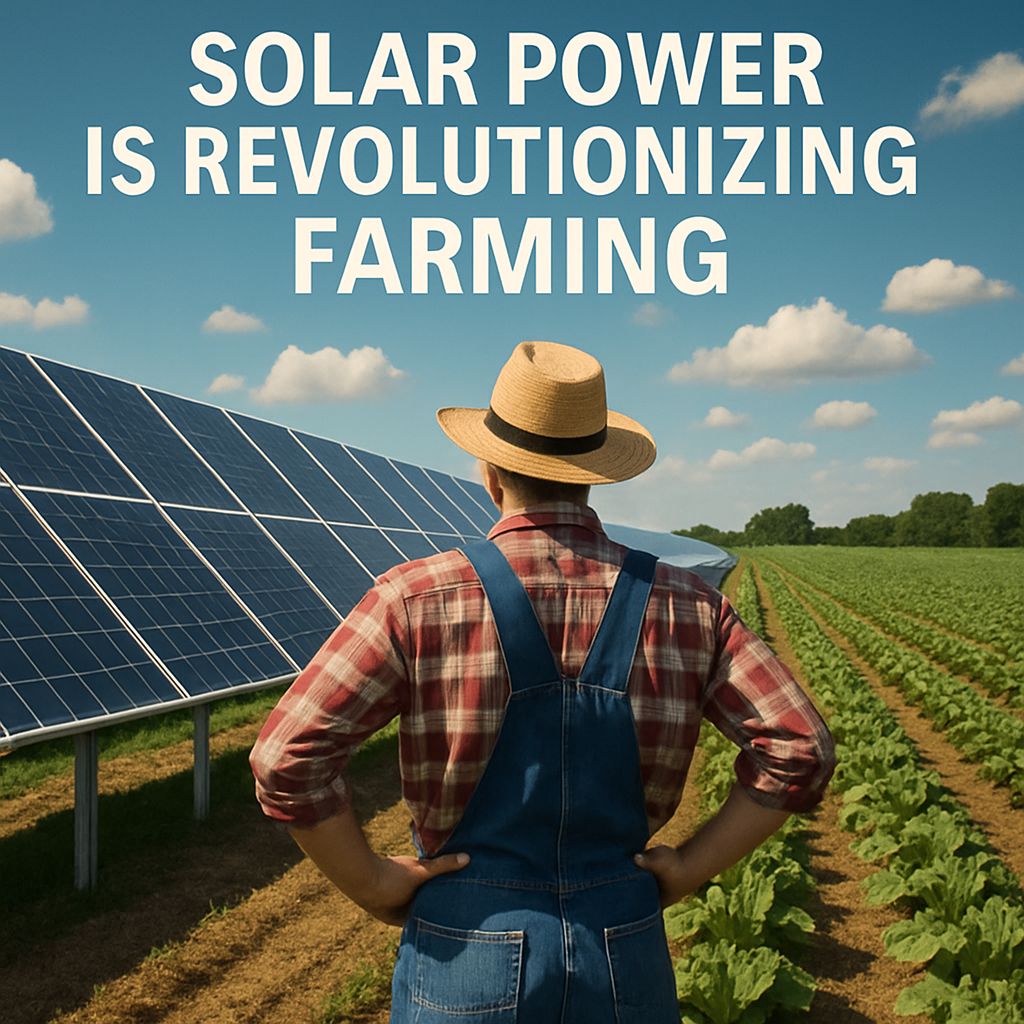
Key Takeaways: Transform Your Farm with Solar Energy
- Installing solar power systems can reduce farm energy costs by 50-90%, creating significant long-term savings despite initial investment
- Solar-powered irrigation systems improve water efficiency and provide reliable operation even in remote locations without grid access
- Farms can generate additional revenue streams by selling excess solar power back to the grid through net metering programs
- Modern solar applications extend beyond basic electricity to power precision agriculture equipment, climate control systems, and automated monitoring
- Cedar Creek Energy helps agricultural operations design custom solar solutions that maximize both energy efficiency and available tax incentives
The agricultural landscape is changing rapidly as farmers seek innovative ways to boost productivity while managing rising costs. Solar power has emerged as a game-changing technology that’s revolutionizing farm operations worldwide. From powering irrigation systems to running essential equipment, solar energy offers farmers a pathway to greater efficiency, sustainability, and financial stability.
High Energy Costs Are Draining Farm Profits
Energy expenses represent one of the largest operational costs for modern farms. As profit margins continue to tighten across the agricultural sector, controlling these expenses has become critical to maintaining viable farm businesses. Traditional energy sources not only strain farm budgets but also introduce significant vulnerabilities into agricultural operations.
The Shocking Rise in Agricultural Energy Expenses
Agricultural energy costs have climbed steadily over the past decade, outpacing inflation and creating significant financial pressure on farming operations of all sizes. Dairy farms, greenhouse operations, and facilities with climate-controlled environments are particularly vulnerable to these rising costs. Irrigation alone can account for 30% or more of a farm’s total energy consumption, making it a prime target for cost-saving measures. Many farmers find themselves caught in a cycle of increasing expenses with little ability to pass these costs on to consumers due to market constraints.
How Traditional Energy Sources Limit Farm Growth
Dependence on fossil fuels and grid electricity introduces considerable limitations for agricultural enterprises. Fuel price volatility makes financial planning exceptionally difficult, often forcing farmers to maintain larger cash reserves rather than investing in growth. Remote operations frequently face inadequate or unreliable grid infrastructure, restricting their ability to implement modern agricultural technologies that require consistent power. For operations in developing regions, the absence of reliable electricity can be the single greatest barrier to implementing efficiency improvements and modern farming techniques.
Many farms also face seasonal energy challenges, with peak demand periods during harvest or high irrigation seasons coinciding with the highest electricity rates. This misalignment of energy needs and costs creates a significant financial burden exactly when farm operations need reliability most.
The Hidden Costs of Grid Dependence for Farmers
“The average American farm spends between $2,000 and $10,000 annually on electricity costs alone, with irrigation-intensive operations often spending multiples of that amount. When factoring in fossil fuels for equipment, total energy expenses typically represent 10-15% of production costs for many agricultural operations.”
Beyond the direct costs shown on utility bills, grid dependence imposes hidden burdens on farm operations. Power outages during critical periods can lead to substantial crop losses or livestock stress. In remote areas, the costs of extending power lines to reach agricultural equipment can exceed $25,000 per mile, making some operational improvements economically unfeasible. These limitations become increasingly problematic as modern agriculture grows more technologically sophisticated and power-dependent.
Solar Power Systems Deliver Farm Energy Independence
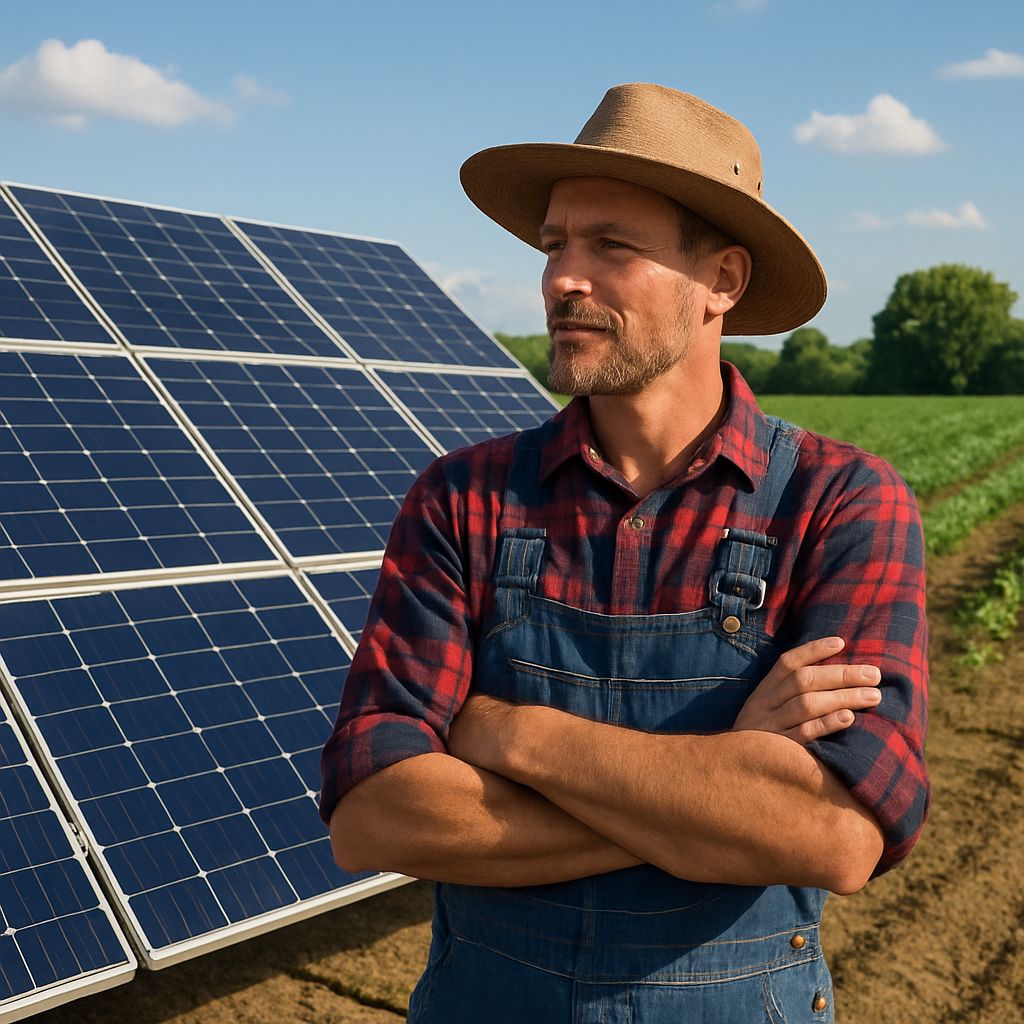
Solar energy offers farmers a path toward greater self-sufficiency and operational resilience. By generating power on-site, agricultural operations can reduce or eliminate their dependence on external energy sources, creating both immediate cost savings and long-term stability. Cedar Creek Energy specializes in designing solar solutions specifically tailored to agricultural needs, helping farmers achieve energy independence while maximizing available incentives. For instance, integrating solar-powered irrigation systems can further enhance farm efficiency and sustainability.
Take Control of Your Farm’s Energy Future
Agricultural operations that implement solar power gain unprecedented control over their energy resources. Unlike traditional grid electricity, which leaves farmers at the mercy of utility companies and market fluctuations, solar generation provides a predictable energy supply directly under the farmer’s management. This shift fundamentally changes the farm’s relationship with energy from an unpredictable expense to a manageable asset.
Modern solar arrays can be strategically positioned to maximize production during peak agricultural demand periods. For example, solar panels can be installed at angles that optimize summer production when irrigation demands are highest. This customization ensures farmers receive maximum value from their solar investment by aligning energy production with operational needs.
How On-Site Solar Generation Works Year-Round
Solar power systems continue functioning effectively throughout the agricultural calendar, with performance characteristics that often complement farming needs. During summer months when irrigation demands peak, longer daylight hours naturally increase solar production. Even during winter months, modern solar technology operates efficiently in cold temperatures, providing power for year-round operations like livestock facilities or equipment maintenance.
Contrary to common misconceptions, solar panels produce electricity even on cloudy days, generating 10-25% of their rated capacity during overcast conditions. This consistent energy production aligns perfectly with many agricultural operations that require continuous power regardless of weather conditions. For farmers in northern regions, snow reflection can actually boost panel performance during winter months by increasing the light hitting the panels.
Battery Storage Solutions for 24/7 Power Reliability
The integration of battery storage systems with solar arrays transforms intermittent solar generation into reliable round-the-clock power for critical farm operations. Modern agricultural battery systems store excess daytime solar production for nighttime use or during periods of peak demand when additional power is needed. This capability is particularly valuable for livestock operations requiring continuous ventilation, lighting, or temperature control.
Battery systems also serve as emergency backup during grid outages, protecting valuable livestock and preventing crop losses that might otherwise occur during power interruptions. The declining costs of battery technology have made these systems increasingly affordable for agricultural applications, with many farmers seeing complete return on investment within 5-7 years when combined with their solar installation.
Net Metering: Earn Credits When You Produce Excess Power
Net metering programs allow farmers to receive credit for excess electricity they feed back into the grid, essentially using the utility system as a virtual battery. For many agricultural operations, this means selling power during peak daylight hours when rates are highest and drawing from the grid during evening hours when rates are lower. This arrangement creates a powerful financial advantage beyond simple energy savings.
Farms with seasonal operations can benefit particularly from net metering, banking credits during low-usage periods to offset costs during high-demand seasons. This system effectively transforms solar panels into a revenue-generating asset during certain times of the year, further improving the overall return on investment. In some regions, special agricultural net metering rates provide even more favorable terms for farming operations.
5 Ways Solar Panels Cut Farm Operating Costs
The financial benefits of agricultural solar installations extend far beyond simple utility bill reduction. When properly implemented, solar power creates multiple streams of cost savings that compound over time to dramatically improve farm profitability and operational efficiency.
1. Slash Monthly Electricity Bills by 50-90%
The most immediate and visible benefit of solar installation comes in the form of dramatically reduced utility bills. Agricultural operations typically see their electricity costs drop by 50-90% after solar implementation, with the exact percentage depending on system size and energy consumption patterns. For large operations with substantial electricity demands, these savings can translate to tens of thousands of dollars annually. To learn more about the benefits of solar panels, check out this article on solar panel investment for farmers.
Energy-intensive processes like irrigation, refrigeration, and climate control see the most dramatic cost reductions when converted to solar power. Farms with substantial cooling needs during summer months benefit from perfect alignment between peak solar production and peak cooling demand, maximizing the financial advantage of solar investment. The cumulative savings over the 25+ year lifespan of a solar system typically exceeds the initial investment by 200-300%. Learn more about boosting agribusiness and farming efficiency with solar energy.
2. Qualify for Agricultural Solar Tax Incentives
Farmers installing solar energy systems qualify for numerous financial incentives specifically designed for agricultural operations. The federal Investment Tax Credit allows farms to deduct 30% of their solar system costs from their taxes, dramatically reducing the effective price of installation. Many states offer additional tax credits, rebates, and grant programs specifically targeting agricultural solar adoption.
Beyond tax credits, accelerated depreciation schedules allow farmers to deduct the value of their solar installation more quickly than other capital improvements. USDA programs like the Rural Energy for America Program (REAP) provide grants covering up to 25% of renewable energy project costs for agricultural producers. The combination of these incentives often reduces the effective cost of solar installation by 50% or more for qualifying farm operations.
3. Reduce Maintenance Costs of Energy Infrastructure
Solar power systems require minimal maintenance compared to conventional farm energy infrastructure. With no moving parts except optional tracking mechanisms, solar arrays typically only need annual inspections and occasional cleaning to maintain peak performance. This simplicity contrasts sharply with traditional farm energy systems that require frequent maintenance, part replacements, and fuel delivery.
The durability of modern solar equipment significantly reduces replacement costs over time. Quality solar panels typically carry 25-30 year warranties but often continue producing efficiently for 35+ years. Inverters, the most maintenance-intensive component, typically require replacement only once during the system’s lifetime. This exceptional longevity creates predictable maintenance budgeting that helps farmers reduce long-term operational expenses. For farmers considering solar investments, exploring whether solar panels are a good investment can provide further insights into cost savings and efficiency improvements.
4. Stabilize Energy Costs for Better Financial Planning
One of the most valuable aspects of solar power for agricultural operations is the predictability it brings to energy expenses. While conventional energy sources fluctuate dramatically in price due to market conditions, geopolitical events, and seasonal demand, solar power provides consistent, predictable costs over decades. This stability allows for more accurate long-term financial planning and improved cash flow management.
Farmers with solar installations can confidently develop multi-year business plans without the uncertainty of energy price spikes undermining their projections. This predictability is particularly valuable when securing financing, as lenders view operations with stable expenses more favorably. For many farms, energy cost stabilization creates a competitive advantage by allowing more aggressive pricing strategies than competitors who remain vulnerable to energy market volatility.
5. Extend Equipment Life Through Consistent Power Supply
Agricultural equipment suffers significant wear and potential damage when operating on inconsistent power sources. Voltage fluctuations, brownouts, and outages can damage motors, compressors, and electronic control systems in essential farm equipment. Solar power systems with battery backup provide clean, consistent electricity that protects sensitive equipment from these harmful power quality issues.
The elimination of power-related equipment failures reduces both replacement costs and devastating operational interruptions. For precision agriculture systems that rely on sensitive electronics, the high-quality power provided by solar inverters can extend equipment lifespan by 15-20%. This benefit alone can save thousands in equipment replacement costs over the life of a solar installation.

“Solar Power for Farm Machinery …” from growingsolarmist.com and used with no modifications.
Solar-Powered Equipment Revolutionizes Farm Operations
Beyond general electricity generation, purpose-built solar agricultural equipment is transforming specific farming operations with remarkable efficiency improvements. These specialized applications address critical agricultural challenges with innovative solar-powered solutions that operate independently from traditional energy infrastructure.
Modern Solar Irrigation Systems Boost Water Efficiency
Solar-powered irrigation represents one of the most impactful applications of renewable energy in agriculture. These systems pair photovoltaic panels with efficient pumping technology to deliver water precisely when and where it’s needed without fuel costs or emissions. The direct coupling of solar production with irrigation makes perfect ecological sense, as periods requiring the most irrigation naturally coincide with the highest solar energy availability.
Advanced solar irrigation systems incorporate soil moisture sensors, weather monitoring, and automated controls to optimize water delivery based on actual crop needs rather than rigid schedules. This precision approach typically reduces water usage by 20-30% compared to conventional irrigation methods while simultaneously improving crop yields through more consistent soil moisture levels. For remote fields without grid access, solar irrigation eliminates the expense and logistical challenges of transporting fuel to power traditional pumps.
The modularity of solar irrigation systems allows farmers to start small and expand incrementally as needs grow and capital becomes available. This scalability makes the technology accessible even to small-scale operations with limited investment capacity.
Solar-Powered Ventilation for Livestock Buildings
Proper ventilation represents a critical requirement for livestock health and productivity, particularly in confined animal feeding operations. Solar-powered ventilation systems provide continuous air exchange regardless of grid reliability, maintaining optimal environmental conditions for animal welfare and production efficiency. The natural alignment between peak solar production and the hottest parts of the day creates perfect synergy for cooling applications.
Modern solar ventilation systems incorporate temperature sensors, humidity monitors, and automated controls to adjust airflow based on real-time conditions. This responsive approach maintains optimal environmental parameters while minimizing energy consumption. For operations in regions with unreliable grid power, solar ventilation systems eliminate the risk of livestock loss due to ventilation failures during power outages, providing invaluable peace of mind along with operational efficiency.
Cold Storage Solutions That Run on Sunshine
Post-harvest losses represent a significant challenge for agricultural producers worldwide, with inadequate refrigeration accounting for 20-40% of crop value losses in many regions. Solar-powered cold storage addresses this challenge by providing reliable cooling without dependence on grid electricity. These systems can be deployed directly in fields or at collection points to begin the cold chain immediately after harvest, preserving quality and extending marketable product life.
Innovative solar refrigeration technologies use thermal energy storage to maintain cooling overnight, ensuring continuous operation through the complete diurnal cycle. For dairy operations, solar milk cooling systems provide immediate cooling after collection, dramatically improving milk quality and reducing bacterial growth. The mobility of some solar cold storage units allows them to be repositioned seasonally to serve different crops or production areas, maximizing their utility throughout the agricultural calendar. Learn more about solar panels as a good investment for farmers.
How Does Using Solar Panels Help with the Efficiency of Crops
Beyond powering mechanical systems, solar technology creates unique opportunities for improving crop production efficiency through innovative applications in monitoring, climate control, and growth enhancement. These applications leverage solar energy to optimize growing conditions and resource utilization throughout the cultivation cycle.
Precision Watering Systems Powered by Solar Energy
Water scarcity and rising irrigation costs have made efficient water management essential for sustainable agriculture. Solar-powered precision watering systems integrate soil moisture sensors, weather monitoring stations, and microcontrollers to deliver exactly the right amount of water at precisely the right time. These systems typically reduce water consumption by 30-60% compared to conventional irrigation approaches while simultaneously improving crop health through optimal moisture management.
The automation capabilities of solar-powered irrigation remove human error from watering decisions, basing application schedules on actual field conditions rather than fixed timetables. For operations in water-restricted regions, this precision approach allows cultivation of higher-value crops than would be possible with traditional irrigation methods. The combination of water savings and yield improvements creates compelling economics even beyond the energy savings, making these systems some of the most financially attractive solar applications in agriculture.
Solar-Powered Sensors for Real-Time Crop Monitoring
Distributed sensor networks powered by small solar panels are revolutionizing agricultural decision-making by providing continuous, real-time data on growing conditions throughout fields and orchards. These self-sufficient monitoring stations track soil moisture, temperature, humidity, and even pest activity, transmitting data wirelessly to central management systems for analysis and response. The independence from grid power allows sensors to be placed wherever needed without concern for electricity availability.
The data collected by these monitoring networks enables precisely targeted interventions rather than blanket applications of water, fertilizers, or pesticides. This targeted approach typically reduces input costs by 15-30% while simultaneously improving yields through more responsive management. For large operations, the efficiency gains from solar-powered monitoring systems often deliver complete return on investment within a single growing season, making them among the most financially attractive agricultural technologies available.
Extending Growing Seasons with Solar Climate Control
Solar energy systems paired with greenhouse operations create powerful synergies for extending growing seasons and optimizing production environments. Beyond simply powering conventional heating and cooling equipment, innovative solar greenhouse designs incorporate thermal mass systems that capture excess daytime heat for release during night hours, creating more stable growing conditions with minimal external energy requirements.
Advanced solar greenhouses use semi-transparent photovoltaic panels that generate electricity while allowing optimal light spectrums to reach plants below. These dual-purpose installations maximize land use efficiency by producing both crops and energy from the same footprint. For operations in northern climates, solar-heated greenhouses can extend growing seasons by 2-3 months annually, allowing production of higher-value crops and better utilization of fixed infrastructure throughout the year. To learn more about how solar energy can enhance agricultural resilience, check out this article on solar energy and food security.
All These Above Factors Help with the Over All Improvement of a Farms Efficiency
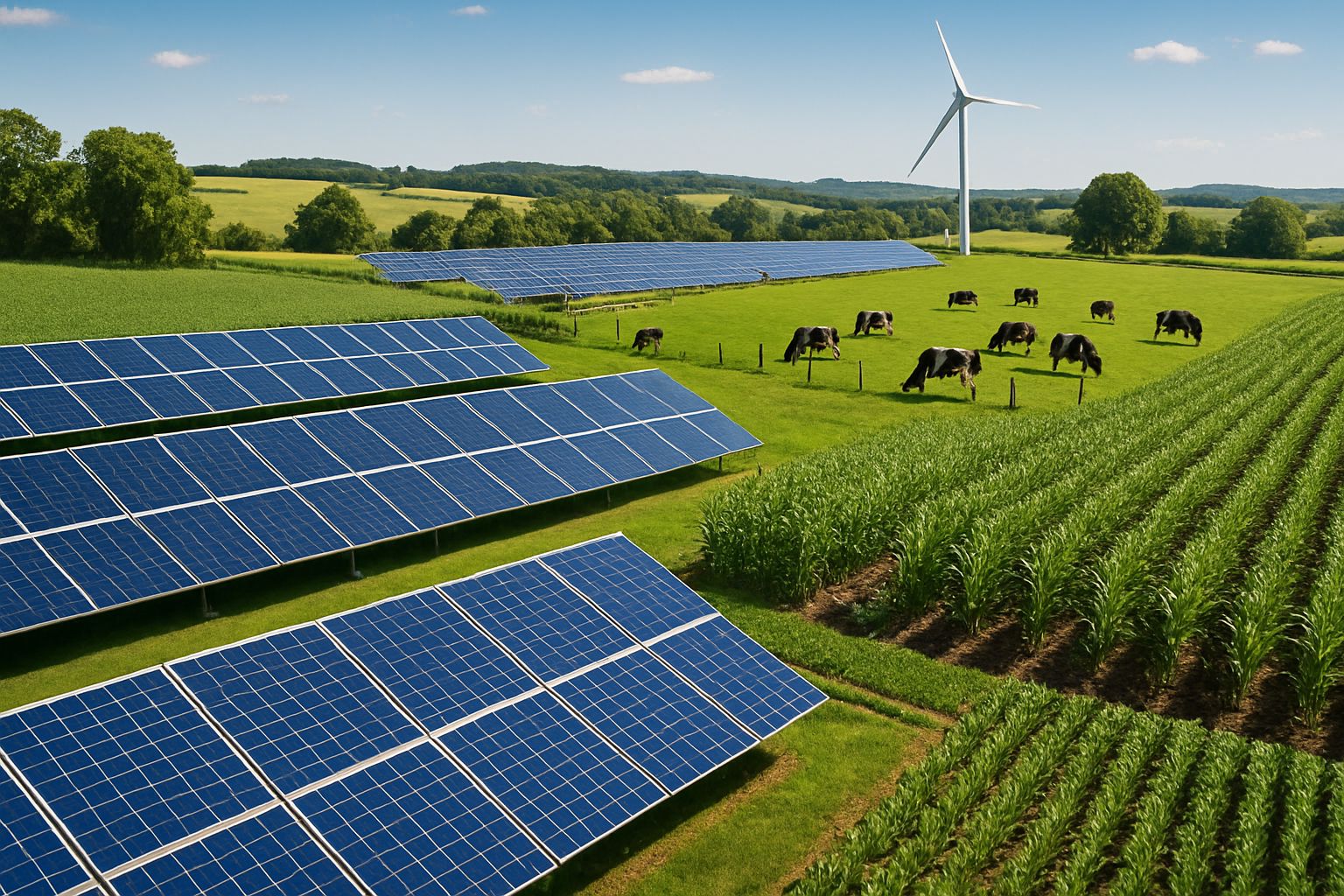
The integration of solar technologies across multiple farm systems creates compounding efficiency benefits that exceed the sum of individual applications. This holistic approach to farm energy management transforms overall operational performance while enhancing sustainability and resilience.
The Ripple Effect: How Energy Savings Improve All Farm Systems
The financial flexibility created by reduced energy expenses enables investments in additional efficiency improvements throughout farm operations. Many farmers report reinvesting 30-50% of their energy savings into productivity-enhancing technologies and infrastructure that would otherwise remain financially out of reach. This virtuous cycle of efficiency improvements accelerates over time, creating progressively larger operational advantages compared to conventional farms.
Energy independence also enhances farm resilience against external disruptions, including grid failures, fuel shortages, or price spikes. This operational stability supports more consistent production scheduling and reliable product delivery, often allowing solar-powered farms to secure premium contracts with buyers who value supply dependability. The reduced environmental impact of solar-powered farming additionally creates marketing advantages with environmentally-conscious consumers and buyers, potentially commanding price premiums in certain markets.
Solar power can make farms more efficient by cutting energy costs, stabilizing operations, and improving resource use such as water and land. The table below summarizes key ways solar power boosts farm efficiency and supports better agricultural operations.
|
Aspect / Benefit |
How Solar Power Helps |
Impact on Farm Efficiency |
|---|---|---|
|
Energy cost savings |
On-farm solar panels generate electricity for pumps, fans, lighting, refrigeration, and processing equipment, reducing or replacing grid and diesel use. |
Lowers operating costs, improves profit margins, and frees cash to invest in technology, inputs, or labor. |
|
Reliable power supply |
Solar with or without battery storage keeps critical systems like irrigation, milking, and cold rooms running during grid outages or voltage fluctuations common in rural areas. |
Reduces downtime, prevents spoilage and production delays, and keeps schedules on track during peak seasons. |
|
Efficient irrigation and water use |
Solar pumps power drip or sprinkler irrigation from wells, rivers, or reservoirs without relying on diesel, and can be sized for precision watering. |
Cuts fuel and maintenance costs, improves water-use efficiency, and supports higher, more consistent yields under variable rainfall. |
|
Smart/precision farming systems |
Solar power can run sensors, controllers, and communication devices for monitoring soil moisture, weather, and crop conditions in fields far from the grid. |
Enables data-driven decisions, reduces over‑watering and over‑fertilizing, and optimizes labor and machinery use. |
|
Greenhouse and barn climate control |
Solar systems power fans, ventilation, heating, and cooling in greenhouses and livestock buildings. |
Maintains stable temperatures and airflow, improving plant growth, animal health, and feed conversion efficiency. |
|
Post-harvest handling and storage |
Solar energy supports cold storage, milk cooling, grain drying, and simple processing like sorting or packing. |
Reduces post‑harvest losses, maintains quality, and allows more flexible harvest timing and marketing. |
|
Land-use efficiency (agrivoltaics) |
Panels are installed above or between crops or grazing areas so land produces both food and electricity. |
Increases total output per acre, can improve microclimate, reduce heat and water stress, and create an extra income stream from power. |
|
Climate resilience and risk reduction |
Solar arrays provide shade and windbreak effects that reduce heat stress, water loss, and erosion, especially in dry or hot regions. |
Stabilizes yields under extreme weather, cuts vulnerability to fuel price spikes, and improves long-term operational stability. |
|
Environmental performance |
Replacing fossil fuel electricity and diesel with solar cuts greenhouse gas emissions and local air pollution. |
Supports sustainability goals, helps meet buyer and regulatory requirements, and can improve market access and brand value. |
|
Energy independence and planning |
Producing on-site power reduces exposure to utility rate increases and supply disruptions. |
Makes long‑term budgeting easier, supports expansion of irrigation or controlled-environment areas without oversizing grid connections. |
Measuring Farm Efficiency Gains After Solar Installation
Comprehensive assessment of solar impacts requires evaluation across multiple operational dimensions rather than simply measuring kilowatt-hour savings. Progressive farmers track metrics including water use efficiency, labor productivity, equipment maintenance costs, and crop quality parameters before and after solar implementation. These broader measurements typically reveal efficiency improvements of 15-40% across overall operations, substantially exceeding the direct energy savings.
Return on investment calculations should incorporate these system-wide benefits rather than focusing narrowly on electricity cost reduction. When analyzed comprehensively, most agricultural solar installations achieve complete payback within 4-7 years while continuing to deliver benefits for 25+ years thereafter. This exceptional return profile explains the accelerating adoption of solar technology across all agricultural sectors, from small family farms to industrial-scale operations.
Real Life Examples of Solar Power Boosts a Farm Efficiency
The transformative impact of solar technology on agricultural efficiency is best illustrated through concrete examples of successful implementations across diverse farming operations. These case studies demonstrate how theoretical benefits translate into measurable operational improvements in real-world agricultural settings.
Dairy Farm Cuts Energy Costs by 75% with Solar Installation
Hilltop Dairy in central Wisconsin installed a 200kW solar array combined with thermal solar collectors to power and heat their 300-cow operation. The photovoltaic system provides electricity for milking equipment, refrigeration, and ventilation, while thermal collectors heat water for equipment sanitization. This integrated approach eliminated approximately 75% of the farm’s previous energy expenses, saving over $45,000 annually.
Beyond direct energy savings, the consistent power quality from the solar system reduced equipment failures by approximately 30%, particularly in sensitive electronic milk monitoring systems. The stabilized hot water temperatures from solar thermal collectors improved cleaning effectiveness, contributing to a measurable improvement in milk quality parameters and commanding premium prices from their processor. The combined financial benefits allowed Hilltop to expand their herd by 15% without increasing overall operating costs.
Organic Vegetable Operation Achieves Carbon Neutrality
Growing Roots Farm in California’s Central Valley transformed their 25-acre organic vegetable operation with a comprehensive solar implementation covering irrigation, cold storage, and electric farm equipment. Their 75kW ground-mounted array powers precision drip irrigation, walk-in coolers, and electric utility vehicles, eliminating virtually all fossil fuel use on the farm.
Poultry Farm Improves Production with Stable Solar Power
Solar Impact on Sunny Ridge Poultry Farm
- System Size: 150kW roof-mounted array
- Energy Cost Reduction: 68% decrease in monthly electricity bills
- Mortality Rate Improvement: Reduced from 4.2% to 1.8% per flock
- Climate Stability: Temperature variation reduced from ±8°F to ±2°F
- Payback Period: 4.3 years (including production improvements)
Sunny Ridge Poultry installed their solar system primarily to reduce energy costs, but discovered that the consistent power quality dramatically improved their climate control systems’ performance. The precise temperature and ventilation control enabled by uninterrupted solar power significantly reduced bird stress, improving feed conversion ratios and decreasing mortality rates. These production improvements actually delivered greater financial benefits than the direct energy savings.
The farm’s battery storage system eliminated production disruptions previously caused by grid outages, which had resulted in significant losses during summer months when cooling systems would fail. Manager Robert Chen noted, “We installed solar for the cost savings, but the production improvements and reliability have been even more valuable. We haven’t lost a single bird to cooling failure since the system was installed.” For farmers considering similar investments, it’s worth exploring whether solar panels are a good investment.
The success at Sunny Ridge has prompted two neighboring poultry operations to implement similar systems, creating a regional cluster of solar-powered farms that share operational insights and maintenance resources. This cooperative approach has further enhanced the efficiency benefits through shared knowledge and resources.

Conclusion: Does the Increase in a Farms Efficiency Make Solar Panels Worth the Investment
The comprehensive evidence from thousands of agricultural solar installations worldwide demonstrates conclusively that solar power delivers substantial efficiency improvements across virtually all farming operations. The combination of direct energy savings, operational improvements, and environmental benefits creates compelling economics even beyond the impressive return on investment figures. For most agricultural operations, the question is no longer whether solar makes financial sense, but rather how to optimize implementation for maximum benefit.
As climate variability increases and energy markets become more volatile, the resilience provided by solar power becomes increasingly valuable for agricultural sustainability. Forward-thinking farmers recognize solar installation not merely as a cost-saving measure, but as a strategic investment in long-term operational viability and competitive advantage. With continued technological improvements and decreasing equipment costs, the efficiency case for agricultural solar will only strengthen in coming years.
Frequently Asked Questions
The growing interest in agricultural solar applications has generated numerous questions from farmers considering this technology. The following responses address the most common inquiries based on real-world implementation experience and current market conditions.
These practical insights help agricultural producers develop realistic expectations and implementation strategies for their specific operations.
How long does it take to recoup the investment in farm solar panels?
Payback periods for agricultural solar installations typically range from 4-8 years depending on energy consumption patterns, available incentives, and specific operational benefits. Dairy operations, irrigated farms, and facilities with significant refrigeration needs generally achieve faster payback due to their higher energy consumption. The federal Investment Tax Credit and accelerated depreciation significantly improve return metrics, often reducing effective payback periods by 30-40%.
It’s important to evaluate solar investment within the context of the system’s 25+ year operational lifespan. Even conservative financial analyses typically show returns of 15-20% annually over the complete system life, substantially outperforming most alternative farm investments. Farms that can monetize environmental attributes through carbon markets or sustainability programs may achieve even more favorable economics.
Can solar panels withstand harsh farm weather conditions?
Modern agricultural solar installations are engineered specifically for rural environments, with panels rated to withstand one-inch hailstones, 90+ mph wind loads, and heavy snow accumulation. Quality systems incorporate robust mounting structures anchored to withstand local extreme weather conditions, with engineering standards typically exceeding building code requirements. The most reputable solar providers offer workmanship warranties of 10+ years covering mounting and electrical systems beyond the 25-year manufacturer warranties on the panels themselves.
What size solar system does my farm need?
System sizing should be based on a comprehensive analysis of your farm’s energy consumption patterns rather than simple annual usage figures. Professional solar designers will analyze your electricity bills from multiple seasons to identify peak demand patterns and optimal system configuration. Most agricultural operations benefit from systems that offset 70-100% of annual electricity usage, though specific percentages depend on available space, investment capacity, and net metering policies.
Farms planning significant operational changes or expansions should consider future energy needs in their system design. The modular nature of solar installations allows for incremental expansion, but designing initial infrastructure (inverters, interconnection, etc.) to accommodate future growth often delivers substantial cost savings compared to separate future installations.
Are there special solar financing options for farmers?
Agricultural operations have access to several specialized financing mechanisms designed specifically for farm solar projects. The USDA’s Rural Energy for America Program (REAP) provides both grants and guaranteed loans for renewable energy projects, often covering 25% of project costs through grants and offering favorable terms on the remaining investment. Farm Credit institutions have developed solar-specific lending products with terms aligned to the cash flow profiles of agricultural solar installations.
Power Purchase Agreements (PPAs) offer zero-upfront-cost options where third-party investors own the solar system and sell power to the farm at predetermined rates, typically 15-30% below utility prices. While PPAs sacrifice some long-term financial benefits, they eliminate capital requirements and maintenance responsibilities, making solar accessible even to operations with limited investment capacity. For those considering solar investments, it’s worth exploring if solar panels are a good investment for a farmer.
Property Assessed Clean Energy (PACE) financing ties solar investment to property tax assessments, creating transferable obligations that stay with the property rather than the current owner. This approach is particularly valuable for tenant farmers or operations considering property transfer within the solar system’s lifetime.
How do I maintain solar panels in dusty farm environments?
Agricultural dust and pollen accumulation typically reduces solar panel efficiency by 5-15% if left uncleaned, though natural rainfall provides adequate cleaning in many regions. For dusty environments or operations generating significant airborne particulates (like grain handling), periodic cleaning may be necessary to maintain optimal performance. Most agricultural installations can maintain 95%+ of rated efficiency with quarterly cleaning, though specific requirements vary by local conditions.
Modern monitoring systems alert operators when panel performance drops below expected levels, allowing cleaning to be performed only when necessary rather than on arbitrary schedules. This condition-based maintenance approach minimizes labor requirements while maximizing energy production. Many farms incorporate panel cleaning into existing equipment maintenance routines, using specialized attachments for tractors or existing pressure washing equipment.
For installations near dusty operations like grain handling, strategic positioning and additional mounting height can significantly reduce cleaning requirements. Some systems incorporate automated cleaning systems for situations where manual cleaning would be impractical or dangerous, though these represent a small percentage of agricultural installations.







Leave a Reply