

Key Takeaways
- Wildlife can significantly impact solar farms, leading to physical damage and operational inefficiencies.
- Birds, rodents, and other animals often interact with solar panels, causing issues like nesting, chewing on wires, and even fire hazards.
- Preventative measures such as fencing, landscaping, and protective coatings can help mitigate wildlife damage.
- Technological innovations, including acoustic and optical deterrents, offer effective solutions for managing wildlife interactions.
- Implementing wildlife-friendly practices not only protects solar installations but also enhances environmental sustainability.
Balancing Wildlife and Solar Panels: Effective Strategies and Solutions
Solar energy is a cornerstone of our journey towards a sustainable future. However, as solar farms expand, they often intersect with local wildlife habitats, leading to unexpected challenges. Balancing the needs of wildlife with the demands of renewable energy is not just an environmental concern; it’s a necessity for the efficient operation of solar installations.
The Need for Coexistence in Solar Farms
Solar farms often occupy large tracts of land, which are also habitats for various wildlife species. This overlap can lead to interactions that impact both the environment and the solar infrastructure. It’s crucial to adopt strategies that allow for coexistence, ensuring that solar farms do not become a threat to local ecosystems. This approach not only supports biodiversity but also maintains the integrity and efficiency of solar panels.
Wildlife Attraction: What Solar Farms Can’t Ignore
Solar panels, with their warm surfaces and elevated structures, inadvertently attract wildlife. Birds may see them as perfect nesting sites, while rodents might find the infrastructure an appealing place to explore. This attraction can lead to various challenges, from physical damage to solar equipment to potential health risks for the animals themselves. Understanding these interactions is the first step in developing effective wildlife management strategies.
Common Wildlife Issues with Solar Installations
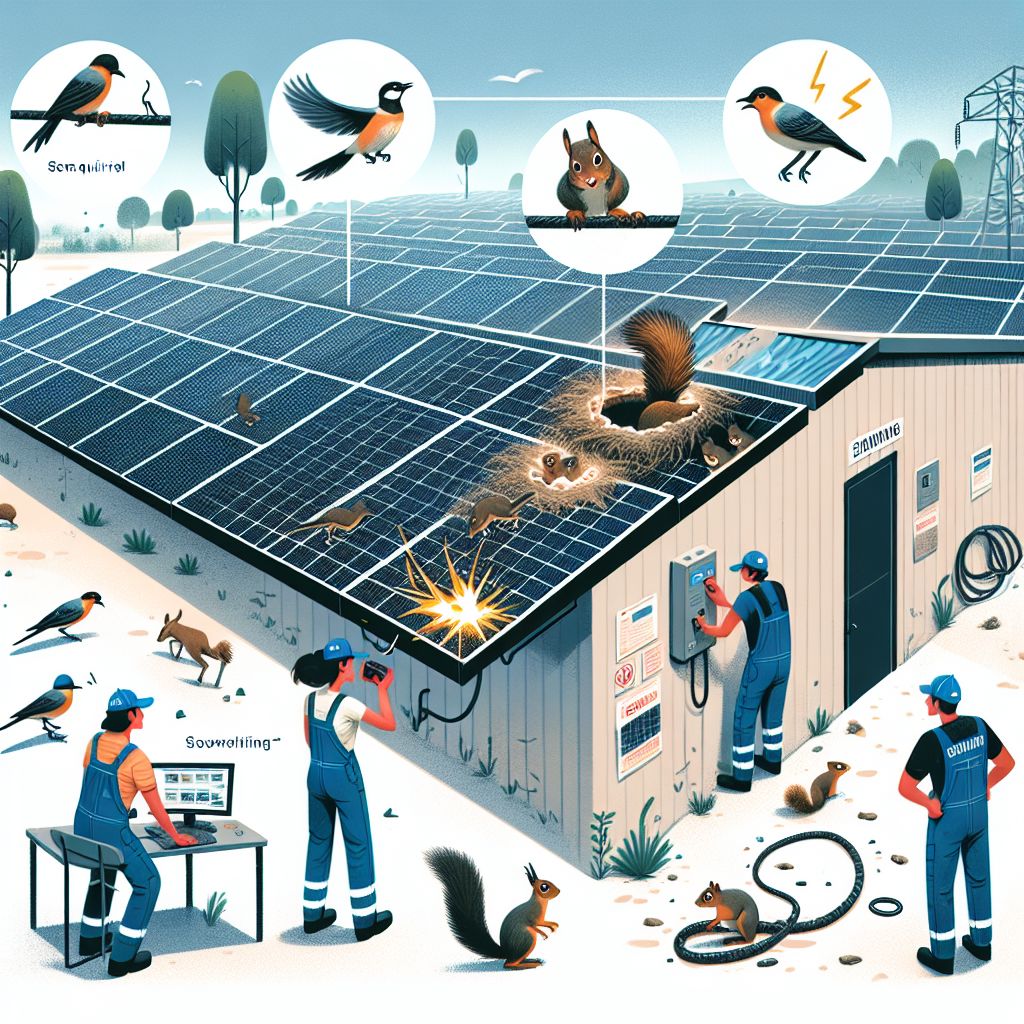
Wildlife interactions with solar panels can result in several issues. Birds, for instance, often build nests under panels, which can block sunlight and reduce energy output. Additionally, bird droppings can corrode panel surfaces over time. Rodents, on the other hand, may chew on electrical wiring, leading to short circuits and potential fire hazards. These problems highlight the need for robust management practices to protect both the solar installations and the wildlife.
Types of Damage Caused by Wildlife
Damage from wildlife can vary significantly, from minor inconveniences to severe operational disruptions. Birds nesting under panels can cause shading, which decreases the efficiency of solar cells. Their droppings can also create hotspots, leading to reduced panel lifespan. Rodents and other small animals might chew through cables, resulting in electrical failures. Moreover, larger animals can physically damage panels by trampling or scratching the surface. For more information on how to protect your solar panels from birds and pests, visit this guide.
Common Wildlife Challenges in Solar Farms
Addressing wildlife challenges in solar farms requires a comprehensive understanding of the various species that interact with these installations. Each type of wildlife poses unique challenges, necessitating tailored solutions to mitigate their impact effectively. For more information on how these installations function, you can explore this guide on how solar panels work.
Birds and Their Interaction with Solar Arrays
Birds are perhaps the most common visitors to solar farms. Their attraction to the warm, flat surfaces of solar panels is understandable. Unfortunately, this interaction can lead to several problems. Birds often nest beneath panels, and while this might seem harmless, it can block sunlight and significantly reduce the panels’ efficiency. Additionally, bird droppings can accumulate on the panels, causing corrosion and further efficiency losses.
Moreover, some birds might collide with the panels, mistaking them for water bodies due to their reflective surfaces. This can lead to injuries or fatalities, highlighting the need for solutions that protect both the birds and the solar installations.
Rodent and Animal Damage to Equipment
Rodents, such as squirrels and mice, are notorious for causing damage to solar equipment. These animals are drawn to the wiring and insulation materials used in solar installations. Chewing on these components can lead to electrical shorts, which not only disrupt the operation of the solar farm but also pose significant fire risks. Besides rodents, larger animals like deer or cattle can inadvertently damage panels by trampling or scratching them.
Fire Hazards from Wildlife Activities
- Nesting materials left by birds can become highly flammable, especially in dry conditions.
- Chewed wires by rodents can cause electrical shorts, leading to sparks and potential fires.
- Accumulated debris from wildlife activity can increase the risk of fire, particularly in arid regions.
These fire hazards not only threaten the solar farm’s infrastructure but also the surrounding environment, emphasizing the need for effective wildlife management and preventative measures.
Here’s a table discussing the types of animals that can damage solar panels and the types of damage they can cause:
|
Animal Type |
Types of Damage |
|---|---|
|
Birds | |
|
– Scratch or crack panel surfaces. 1 | |
|
– Defecate on panels, causing corrosion. 6 | |
|
– Loosen wiring connections. 7 | |
|
Rodents (rats, mice, squirrels) | |
|
– Cause roof rot with nesting materials. 3 | |
|
Raccoons |
– Climb on panels, potentially breaking glass. 1 |
|
– Scratch panel surfaces. 1 | |
|
Monkeys |
– Climb on panels, potentially breaking glass. 1 |
|
– Scratch panel surfaces. 1 | |
|
Deer/Elk |
– Scratch or break panel surfaces with antlers, hooves, or horns. 6 |
|
Livestock |
– Damage panels by rubbing against or stepping on them. 6 |
This table summarizes the main types of animals that can damage solar panels and the specific ways they can cause harm to the system. The most common issues involve nesting, chewing on wires, and physical damage to the panels themselves (1, 2, 3, 4, 6).
Preventative Measures for Wildlife Management
To effectively manage wildlife challenges in solar farms, it’s essential to implement preventative measures that deter animals while maintaining ecological balance. These measures not only protect the solar infrastructure but also promote a harmonious coexistence with local wildlife. Here, we’ll explore several strategies that can help achieve this goal.
Fencing and Barrier Options
“Installing fences around solar farms is one of the most straightforward methods to keep larger animals out. However, it’s important to choose designs that do not trap or harm wildlife.”
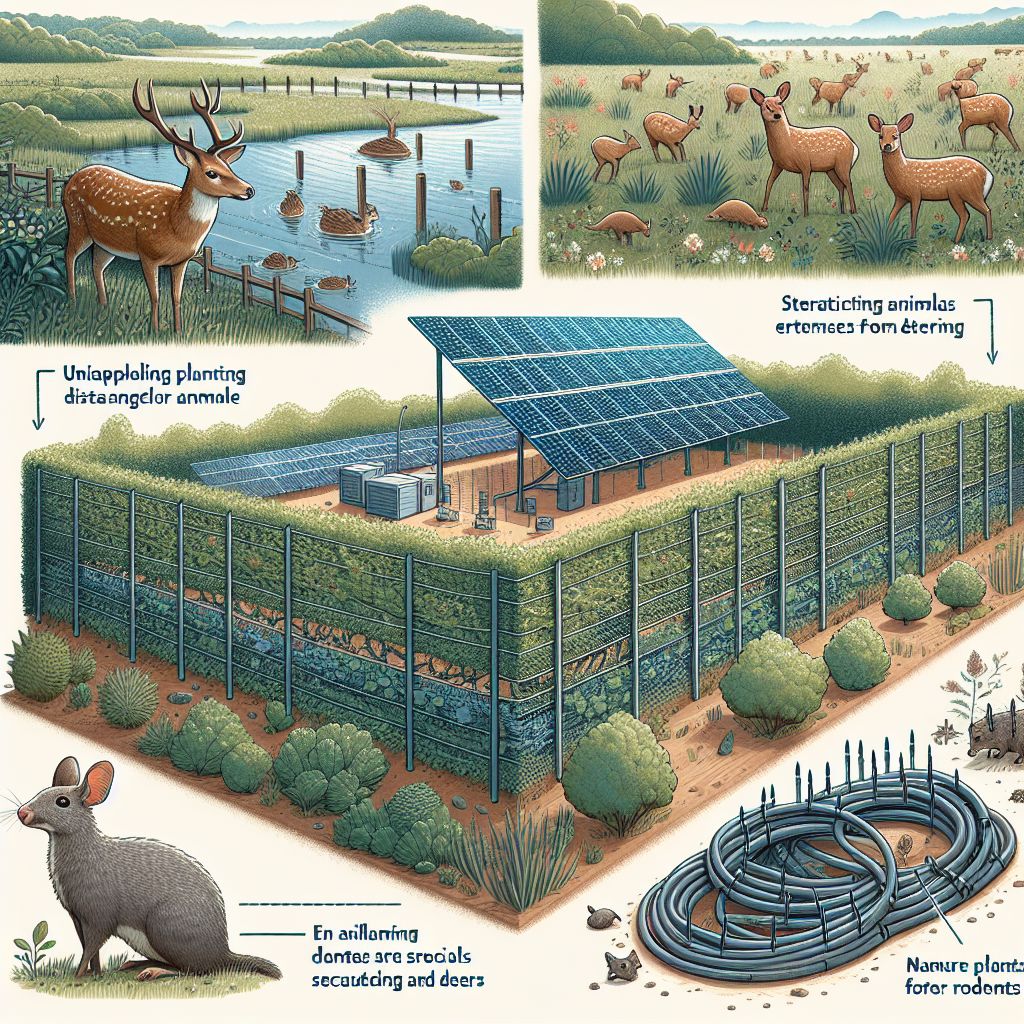
Fencing is a common solution for keeping larger animals, such as deer or cattle, away from solar panels. Various options are available, from traditional wire fences to more sophisticated electric fences. When selecting a fence, it’s crucial to consider the local wildlife and choose designs that prevent animals from getting trapped or injured.
In addition to fencing, barriers such as netting or mesh can be used to deter smaller animals and birds. These barriers can be strategically placed to prevent nesting or access to vulnerable areas, such as wiring or panel edges. For more insights on solar panel protection, check out this step-by-step guide.
Another innovative approach involves using natural barriers, like hedges or bushes, which can blend into the landscape while serving as effective deterrents. These natural barriers can also provide habitat for certain species, enhancing biodiversity around the solar farm.
Strategic Landscaping to Deter Wildlife
Landscaping plays a vital role in wildlife management for solar farms. By carefully selecting and arranging plants, you can influence animal behavior and reduce the likelihood of wildlife interference with solar panels.
For example, planting vegetation that is unappealing to certain animals can discourage them from entering the area. Additionally, creating buffer zones with native plants can provide alternative habitats for wildlife, reducing their need to interact with solar installations.
“Incorporating native plants not only deters unwanted wildlife but also supports local ecosystems, promoting a balanced environment.”
Moreover, maintaining clear zones around solar panels is essential. Regularly trimming vegetation and removing debris can minimize hiding spots for rodents and reduce fire hazards. This proactive approach ensures that the solar farm remains efficient and safe.
Protective Coatings and Materials for Solar Panels
Applying protective coatings to solar panels can significantly reduce the risk of damage from wildlife. These coatings can prevent bird droppings and other debris from adhering to the panels, making them easier to clean and maintain.
Additionally, using materials that are resistant to chewing or scratching can protect vulnerable components, such as wiring and panel surfaces. For instance, using armored cables or conduit can deter rodents from gnawing on electrical lines, reducing the risk of shorts and fires.

Technological Innovations in Wildlife Deterrence
In recent years, technological advancements have provided new tools for managing wildlife interactions with solar farms. These innovations offer effective and humane solutions for deterring animals while maintaining the efficiency of solar installations.
Acoustic Devices for Bird Control
Acoustic devices emit sounds that deter birds from approaching solar panels. These sounds can mimic predators or other natural deterrents, creating an environment that birds find unappealing. Importantly, these devices are designed to minimize disturbance to human activities and other wildlife.
By strategically placing acoustic devices around solar farms, operators can significantly reduce bird-related issues, such as nesting and droppings, enhancing the overall efficiency of the solar panels.
Optical Solutions to Redirect Birds and Animals
Optical deterrents, such as reflective tape or lights, can redirect birds and animals away from solar installations. These solutions work by creating visual disturbances that discourage wildlife from approaching the panels.
For example, installing reflective tape that moves with the wind can create a dynamic visual barrier that birds find difficult to navigate. Similarly, using lights that flash intermittently can deter nocturnal animals, reducing the risk of nighttime damage. For a deeper understanding of solar farm operations, you can explore what solar farms are and how they function.
Regular Monitoring and Upgrades
- Conduct regular inspections to identify and address wildlife-related issues promptly.
- Update deterrent technologies as new solutions become available to enhance effectiveness.
- Collaborate with wildlife experts to ensure strategies align with environmental goals.
Regular monitoring is crucial for maintaining the effectiveness of wildlife management strategies. By conducting routine inspections, solar farm operators can identify potential issues early and implement corrective measures before significant damage occurs.
Additionally, staying informed about new technologies and upgrading deterrent systems as needed can enhance the overall effectiveness of wildlife management efforts. This proactive approach not only protects the solar infrastructure but also supports environmental sustainability.

Economic and Environmental Benefits of Wildlife Management
Implementing effective wildlife management strategies in solar farms offers numerous economic and environmental benefits. By reducing damage and maintaining the efficiency of solar installations, operators can achieve significant cost savings and contribute to a more sustainable future.
Cost Savings from Reduced Damage and Maintenance
Effective wildlife management minimizes the risk of damage to solar panels and equipment, reducing the need for repairs and maintenance. This translates to cost savings for solar farm operators, allowing them to allocate resources more efficiently.
Furthermore, maintaining the efficiency of solar installations ensures maximum energy output, enhancing the return on investment and supporting the transition to renewable energy sources.
Improved Efficiency and Energy Savings
- Reducing wildlife damage ensures solar panels operate at peak efficiency.
- Efficient solar panels generate more energy, increasing overall output.
- Lower maintenance costs contribute to long-term financial savings.
- Wildlife management supports a sustainable energy future.
Wildlife management in solar farms isn’t just about preventing damage; it’s about optimizing efficiency. By implementing strategies that keep wildlife at bay, solar panels can function at their best. This means more energy is produced from the same amount of sunlight, maximizing the farm’s output. Learn more about how solar panels work to fully understand the impact of efficiency improvements.
When solar panels operate efficiently, they generate more electricity, which translates to greater energy savings. This increased output not only benefits the environment by reducing reliance on fossil fuels but also supports the economic viability of solar farms.
Moreover, efficient solar operations reduce the frequency and cost of maintenance. By preventing wildlife-related damage, operators can avoid costly repairs and replacements, ensuring the long-term sustainability of their investments.
In the broader context, effective wildlife management contributes to the global shift towards renewable energy. By maintaining efficient and damage-free solar installations, we can support a cleaner, greener future.
Environmental Contributions and Ecosystem Balance
Effective wildlife management in solar farms plays a crucial role in preserving local ecosystems. By implementing strategies that protect both the solar infrastructure and the surrounding environment, operators can support biodiversity and promote ecological balance.
Wildlife-friendly practices, such as creating buffer zones and using native plants, provide habitats for various species. This not only helps maintain biodiversity but also ensures that solar farms coexist harmoniously with local wildlife. By fostering this balance, solar farms can serve as examples of sustainable development, demonstrating that renewable energy and environmental conservation can go hand in hand. For more information on protecting solar panels, learn about critter guards that prevent costly damage.
Practical Implementation and Best Practices
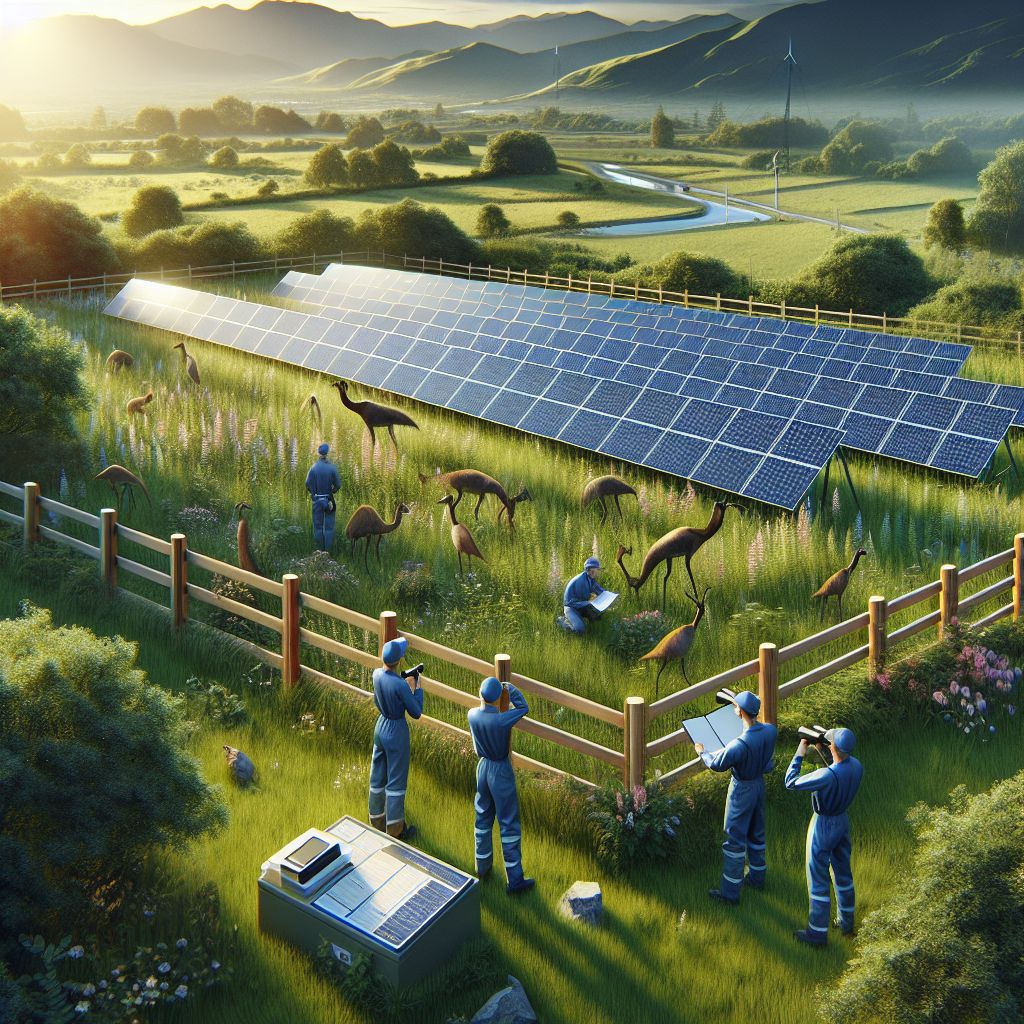
Implementing effective wildlife management strategies in solar farms requires a combination of practical solutions and best practices. By following these guidelines, operators can protect their installations and support environmental sustainability. For instance, learning how to protect your solar panels from birds and pests can be a crucial step in maintaining the efficiency and longevity of solar installations.
Case Studies of Successful Wildlife Management in Solar Farms
Consider the example of a solar farm in California that implemented a comprehensive wildlife management plan. By installing fencing, using acoustic deterrents, and maintaining clear zones around panels, the farm successfully reduced wildlife-related damage by over 50%. This proactive approach not only protected the solar infrastructure but also supported local biodiversity.
Guidelines for Solar Farm Operators
Operators should begin by conducting thorough wildlife assessments to identify potential challenges. This involves understanding the local wildlife and their interactions with solar installations. Based on these assessments, operators can implement tailored strategies, such as fencing, landscaping, and deterrent technologies.
Regular monitoring and maintenance are also essential. By conducting routine inspections and addressing issues promptly, operators can ensure the continued effectiveness of their wildlife management efforts. Collaboration with wildlife experts can provide valuable insights and enhance the overall success of these strategies.
Collaboration with Wildlife Experts
Working with wildlife experts can significantly enhance the effectiveness of wildlife management strategies in solar farms. These experts bring valuable knowledge and experience, helping operators develop and implement solutions that align with environmental goals. For more insights on protecting solar panels, you can learn about how to protect your solar panels from birds and pests.
By collaborating with experts, operators can gain insights into the latest technologies and best practices for solar farm operations. This partnership ensures that solar farms remain efficient, environmentally friendly, and sustainable.
Conclusion: Sustainable Coexistence with Wildlife
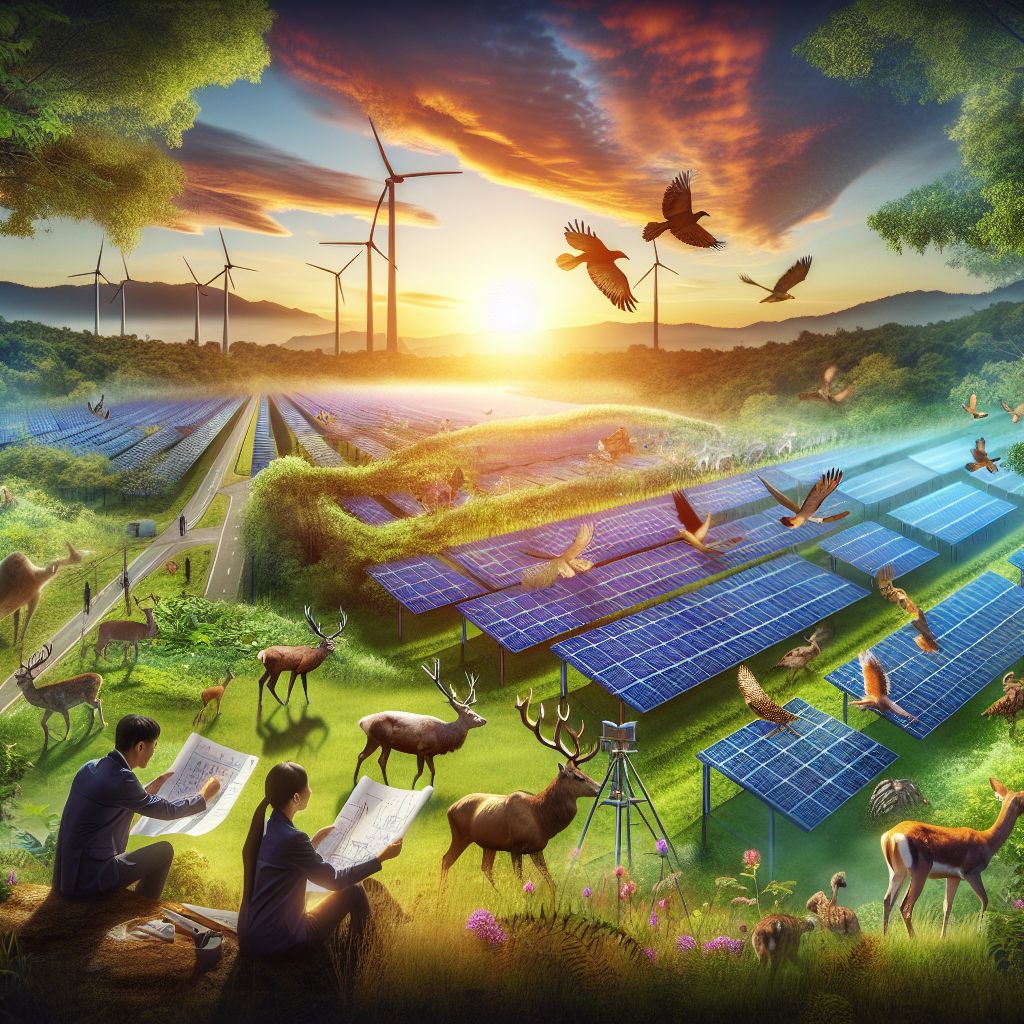
In conclusion, effective wildlife management is essential for the successful operation of solar farms. By implementing strategies that protect both the solar infrastructure and the surrounding environment, operators can ensure the long-term sustainability of their investments. Through collaboration, innovation, and proactive management, solar farms can coexist harmoniously with wildlife, supporting a cleaner, greener future.
Frequently Asked Questions (FAQ)
Addressing common questions can help solar farm operators and stakeholders better understand the importance of wildlife management and the strategies available to them.
What types of wildlife are most likely to damage solar panels?
- Birds often nest under panels, causing shading and corrosion.
- Rodents like squirrels and mice can chew on wiring.
- Larger animals, such as deer, may physically damage panels.
Understanding the types of wildlife that interact with solar panels is crucial for developing effective management strategies. Birds, rodents, and larger animals each pose unique challenges that require tailored solutions. For more insights on solar panel challenges, explore the differences between solar panel farm operations.
Birds are particularly drawn to solar panels, often nesting beneath them. This can lead to shading and reduced efficiency, as well as corrosion from droppings. Rodents, on the other hand, are attracted to the wiring and insulation materials, which they may chew through, causing electrical shorts and fire hazards.
Larger animals, such as deer or cattle, may inadvertently damage panels by trampling or scratching them. Addressing these challenges requires a comprehensive approach that considers the specific wildlife present in the area.
How often should solar panel installations be inspected for wildlife damage?
Regular inspections are essential for maintaining the efficiency and safety of solar installations. Operators should conduct inspections at least quarterly, with additional checks after severe weather events or during peak wildlife activity seasons. This proactive approach ensures that any issues are identified and addressed promptly, minimizing the risk of damage.
Can wildlife-friendly practices improve solar panel efficiency?
Yes, wildlife-friendly practices can significantly improve solar panel efficiency. By preventing wildlife-related damage and maintaining clear zones around panels, operators can ensure that panels receive maximum sunlight and operate at peak efficiency. Additionally, these practices support environmental sustainability, promoting a balanced ecosystem. For more information on how solar panels work, check out this guide on benefits and functionality.
What are the most effective technological wildlife deterrents?
Technological innovations offer several effective solutions for deterring wildlife from solar installations. Acoustic devices, which emit sounds to deter birds, and optical deterrents, such as reflective tape, are particularly effective. These technologies create environments that wildlife find unappealing, reducing the likelihood of interference.
In addition to these technologies, regular monitoring and upgrades are crucial for maintaining the effectiveness of deterrent systems. By staying informed about new solutions and implementing them as needed, operators can enhance their wildlife management efforts.
How can solar farm owners balance wildlife management and cost?
Balancing wildlife management and cost requires a strategic approach that prioritizes efficiency and sustainability. Operators should begin by conducting thorough wildlife assessments to identify potential challenges and develop tailored strategies. For more insights, explore the differences between solar farm operations to better understand how they can impact wildlife management.
Investing in preventative measures, such as fencing, landscaping, and deterrent technologies, can reduce the risk of damage and lower maintenance costs in the long run. Additionally, collaborating with wildlife experts can provide valuable insights and enhance the effectiveness of management efforts.

Leave a Reply