
Key Takeaways
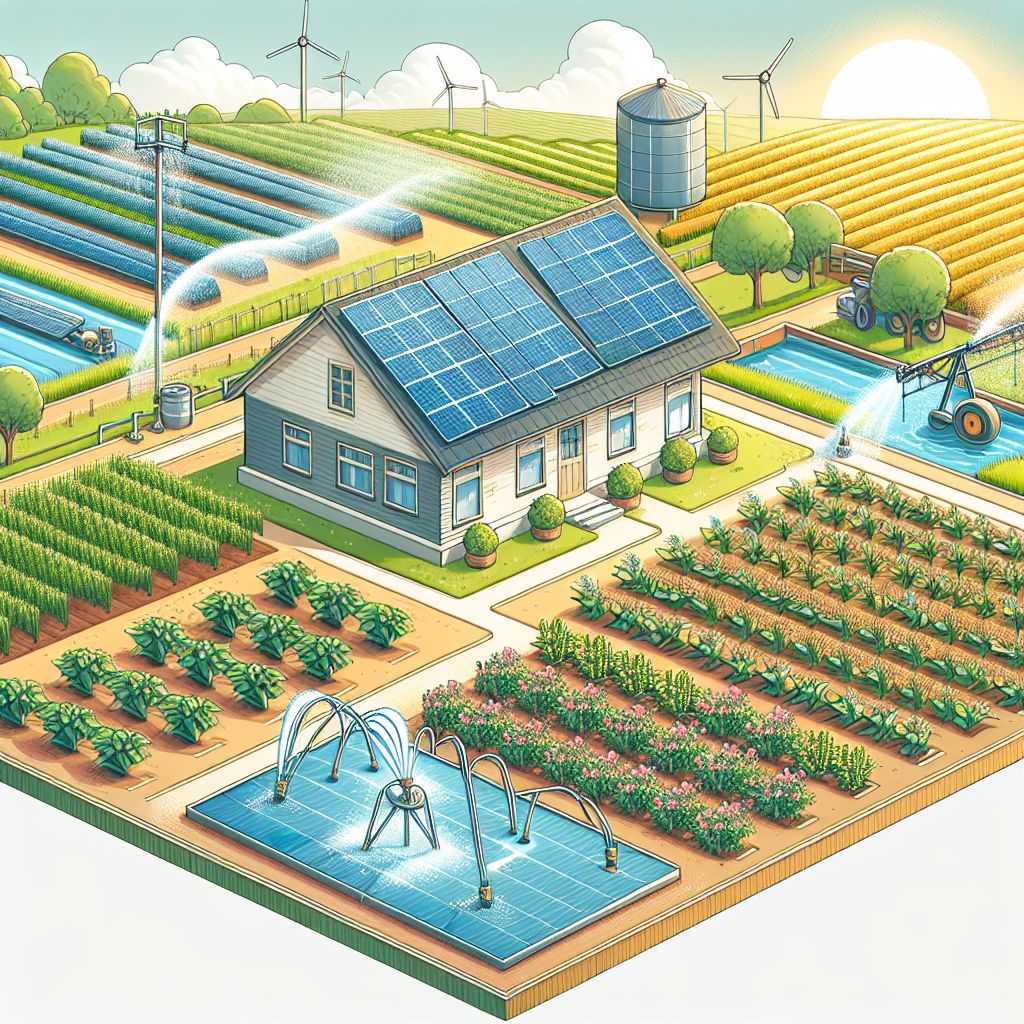
- Solar panels offer a renewable energy solution for powering irrigation systems, reducing reliance on fossil fuels.
- Choosing the right solar panels involves assessing energy demand, efficiency, durability, and cost-effectiveness.
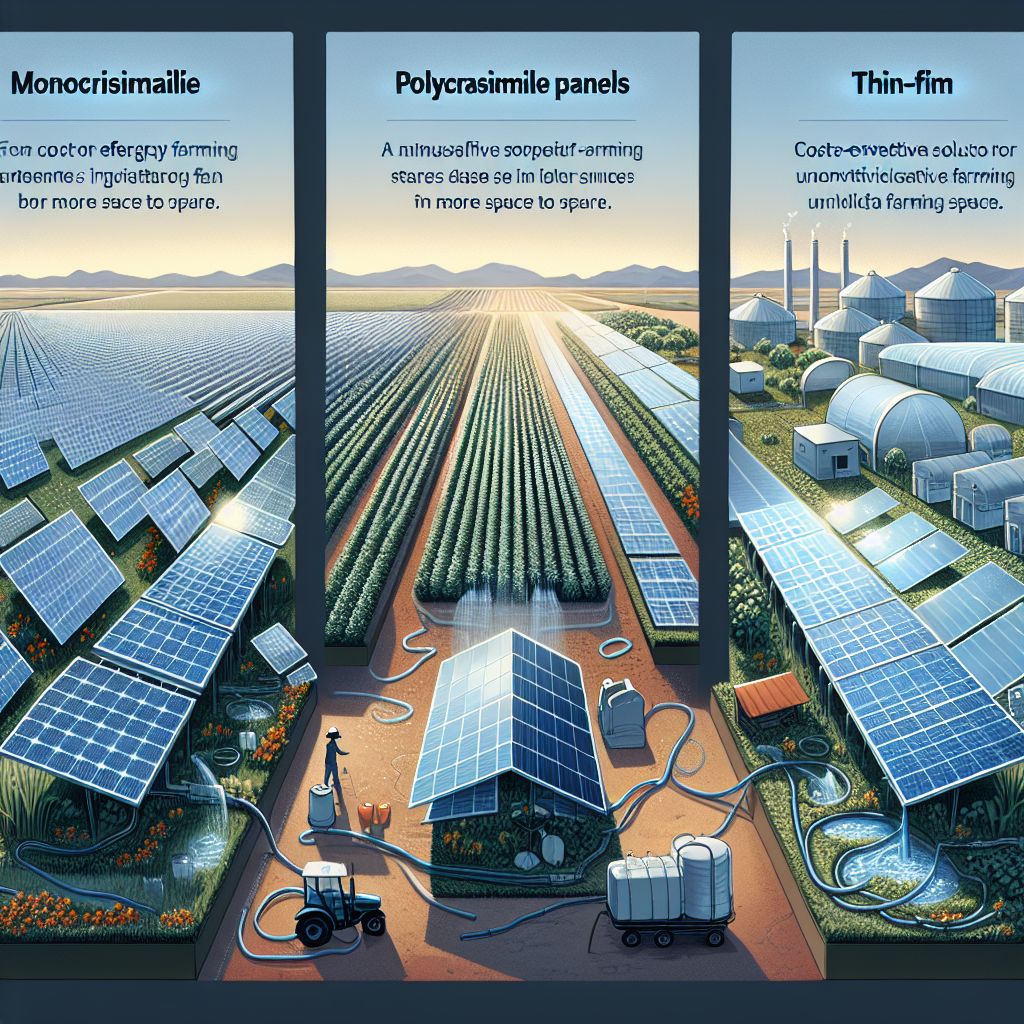
- Monocrystalline panels are highly efficient, while polycrystalline panels offer a cost-effective alternative.
- Solar-powered irrigation can significantly cut energy costs and promote sustainable farming practices.
- Proper system design and integration with existing irrigation systems are crucial for optimal performance.
Core Insights for Choosing Solar Panels for an Irrigation System
When it comes to selecting solar panels for an irrigation system, there are several critical factors to consider. It’s not just about picking the panels that fit your budget; it’s about ensuring they meet the specific needs of your farm. In this guide, we’ll explore the key insights that will help you make an informed decision.
First and foremost, understanding your farm’s energy requirements is essential. The type of crops you grow, the size of your farm, and your water needs will all influence the size and type of solar panel system you should install. Besides that, you’ll want to consider the efficiency and capacity of the panels, as these will impact how much energy they can generate.

Understanding the Role of Solar Panels in Irrigation
Solar panels have revolutionized the way farmers power their irrigation systems. By harnessing the sun’s energy, farmers can reduce their reliance on traditional energy sources and cut down on operational costs. But how exactly do solar panels fit into the world of irrigation?
“Solar energy is the key to sustainable farming, allowing us to irrigate our crops without harming the environment.” – Farmer John, a pioneer in solar-powered irrigation.
Solar panels convert sunlight into electricity, which can then be used to power irrigation pumps. This setup ensures a steady supply of water to crops, even in remote areas where access to electricity might be limited. Most importantly, solar panels provide a clean and renewable energy source, reducing the carbon footprint of farming operations.
Benefits of Solar Power in Agriculture
The benefits of using solar power in agriculture extend beyond just cost savings. For one, solar panels offer a reliable energy source that isn’t subject to the fluctuations of the fossil fuel market. This stability can be a game-changer for farmers who rely heavily on consistent energy supplies for irrigation.
Additionally, solar power is environmentally friendly. By reducing reliance on non-renewable energy sources, farmers can significantly lower their greenhouse gas emissions. This is crucial in the fight against climate change and aligns with global efforts to promote sustainable agricultural practices.
How Solar Panels Operate in Irrigation Systems
Understanding how solar panels operate within irrigation systems is key to maximizing their benefits. At the core, solar panels absorb sunlight and convert it into direct current (DC) electricity. This electricity can be used directly or converted into alternating current (AC) electricity, depending on the system requirements.
For irrigation, solar panels are often connected to a water pump. The energy generated powers the pump, which draws water from a source and distributes it to the crops. This process is highly efficient, as it allows farmers to utilize free energy from the sun, reducing operational costs significantly.
Environmental Impact and Sustainability
Solar-powered irrigation systems offer a sustainable solution to modern farming challenges. By tapping into solar energy, farmers can minimize their environmental impact while still meeting their irrigation needs. This approach not only conserves resources but also promotes biodiversity by reducing pollution.
Furthermore, solar panels have a long lifespan, typically ranging from 25 to 30 years. This durability means that once installed, they require minimal maintenance, further enhancing their sustainability. Farmers can therefore focus on their crops, knowing that their energy source is both reliable and eco-friendly.

Factors to Consider When Selecting Solar Panels
Choosing the right solar panels for your irrigation system is a decision that requires careful consideration. Here are some of the most important factors to keep in mind:
Assessing Irrigation Needs and Energy Demand
Before selecting solar panels, it’s crucial to assess your farm’s irrigation needs and energy demand. Start by evaluating the size of your farm and the types of crops you grow. Different crops have varying water requirements, which will influence the energy needed to power your irrigation system.
Consider the following steps to accurately assess your needs:
- Calculate the total water requirement for your crops.
- Determine the energy needed to pump this water efficiently.
- Factor in any seasonal variations in water demand.
By understanding your energy demand, you can select a solar panel system that meets your farm’s specific requirements, ensuring efficient and reliable irrigation.
Evaluating Efficiency and Capacity
When choosing solar panels for your irrigation system, efficiency and capacity are two of the most critical factors to consider. Efficiency refers to the panel’s ability to convert sunlight into usable electricity. The higher the efficiency, the more power you’ll get from the same amount of sunlight.
Monocrystalline panels are known for their high efficiency, typically ranging from 15% to 20%. This means they can produce more electricity per square meter compared to other types. Polycrystalline panels, while slightly less efficient, still offer a good balance between performance and cost. It’s essential to evaluate the efficiency of the panels in relation to your farm’s energy needs to ensure you’re getting the most out of your investment.
Durability and Weather Resistance
Solar panels are a long-term investment, so durability and weather resistance are key considerations. Your panels will be exposed to the elements, including rain, wind, and extreme temperatures. Therefore, they need to withstand harsh weather conditions without compromising performance. For more information on how solar panels and irrigation systems work together, you can explore additional resources.
- Check the manufacturer’s warranty and product reviews to gauge durability.
- Consider panels with robust frames and tempered glass for added protection.
- Look for certifications that indicate the panels have passed rigorous weather testing.
By selecting durable panels, you can ensure they will last for decades, providing a reliable energy source for your irrigation system.
In addition to durability, it’s also important to consider the panels’ maintenance requirements. Regular cleaning and inspection will help maintain their efficiency and prolong their lifespan. Make it a routine to check for any debris or damage that could affect performance. For more insights on enhancing efficiency, explore how advanced controllers and sensors can boost your solar irrigation system.
Cost versus Long-term Savings
While the initial cost of solar panels can be significant, it’s crucial to weigh this against the long-term savings they offer. Solar panels can drastically reduce your energy bills by providing a free, renewable energy source. This means that over time, the savings can outweigh the upfront investment.
Consider the following when evaluating costs:
- Calculate the payback period based on your current energy expenses and the expected savings from solar panels.
- Explore available incentives and tax credits that can offset the initial cost.
- Factor in the reduced maintenance costs compared to traditional energy sources.
By taking a long-term perspective, you can see the financial benefits of investing in solar panels for your irrigation system.
When selecting solar panels for a farm’s irrigation system, several key factors should be considered. Here’s a table summarizing these important considerations:
|
Factor |
Description |
|---|---|
|
Energy Requirements |
Assess the farm’s daily water needs and the energy demand of the irrigation system, including pump power requirements. 4, 1 |
|
Panel Efficiency |
Choose high-efficiency panels to maximize energy output, especially if space is limited. 5, 7 |
|
Durability |
Select panels that can withstand harsh agricultural environments, including extreme weather conditions. 7 |
|
Available Space |
Consider the farm’s layout and available area for panel installation, which may influence the choice between different panel types7. |
|
Sunlight Exposure |
Evaluate the farm’s geographical location and typical sunlight levels to ensure optimal solar energy capture. 1, 4. |
|
Panel Type |
Choose between monocrystalline (high efficiency), polycrystalline (cost-effective), or thin-film panels based on specific needs. 7 |
|
Mounting System |
Select an appropriate mounting system that’s compatible with the farm’s terrain and structures. 7 |
|
Cost and ROI |
Consider the initial investment and long-term savings, including any available incentives or subsidies. 2 |
|
Water Source |
Factor in the depth and location of the water source when selecting the appropriate pump and panel system. 4, 6 |
|
Scalability |
Choose a system that can be expanded or upgraded as the farm’s needs grow. 1 |
By carefully considering these factors, farmers can select the most suitable solar panel system for their irrigation needs, ensuring efficient operation and long-term sustainability. 1, 7
Types of Solar Panels Suitable for Irrigation
When it comes to selecting solar panels for irrigation, there are several types to choose from, each with its own advantages and disadvantages. Understanding these options will help you make the best choice for your farm’s needs.
Monocrystalline Panels: High Efficiency
Monocrystalline panels are made from a single crystal structure, which gives them their high efficiency and sleek appearance. They are ideal for farms with limited space, as they produce more electricity per square meter than other types.
These panels are also known for their longevity and performance in low-light conditions. If you’re looking for maximum efficiency and have the budget for it, monocrystalline panels are a top choice.
Polycrystalline Panels: Cost-Effective Solutions
Polycrystalline panels are made from multiple silicon crystals, making them less expensive to produce than monocrystalline panels. While they are slightly less efficient, they still offer a good balance between cost and performance. To learn more about how solar panels can be integrated into agricultural practices, explore our guide on understanding solar-powered irrigation systems.
These panels are a great option for farmers who have more space available and are looking for a cost-effective solution. They provide reliable performance and can be an excellent choice for those new to solar energy.
“I chose polycrystalline panels for my farm because they offered the best value for my budget. They’ve been powering my irrigation system efficiently for years.” – Farmer Maria
Polycrystalline panels are also known for their durability, making them a popular choice among farmers looking for a long-lasting energy solution.
Thin-Film Panels: Versatility in Application
Thin-film panels are made by depositing photovoltaic material onto a substrate, resulting in lightweight and flexible panels. They are less efficient than crystalline panels but offer versatility in application.
These panels can be installed on a variety of surfaces, making them suitable for unconventional farm layouts. They are also less affected by high temperatures, which can be beneficial in hotter climates. For more on how solar technology can enhance agricultural efficiency, explore our article on solar-powered irrigation systems.
Here’s a table comparing the different solar panel you can use in with an Irrigation system:
|
Solar Panel Type |
Efficiency |
Cost per Watt |
Pros |
Cons |
|---|---|---|---|---|
|
Monocrystalline |
17-22% |
$1.00 – $1.50 |
– Highest efficiency. 1, 3 |
– Most expensive option. 1, 3 |
|
Polycrystalline |
13-17% |
$0.90 – $1.20 |
– Lower cost than monocrystalline. 1, 3 |
– Slightly lower efficiency. 1, 3 |
|
Thin-Film |
10-13% |
$0.70 – $1.00 |
– Lowest cost. 1, 3 |
– Lowest efficiency. 1, 3 |
Monocrystalline panels are highly efficient and durable, making them ideal for high-performance irrigation systems that require consistent power output. Their higher cost is often offset by their superior performance in the long run 3.
Polycrystalline panels offer a good balance between cost and efficiency, making them suitable for medium-scale irrigation projects. They perform well in most conditions and are a popular choice for many agricultural applications 3.
Thin-film panels, while less efficient, are more affordable and flexible. They can be a good option for portable irrigation systems or installations where weight is a concern. Their lower efficiency means you may need more panels to achieve the same power output as crystalline options 3.
Integrating Solar Panels with Existing Irrigation Systems
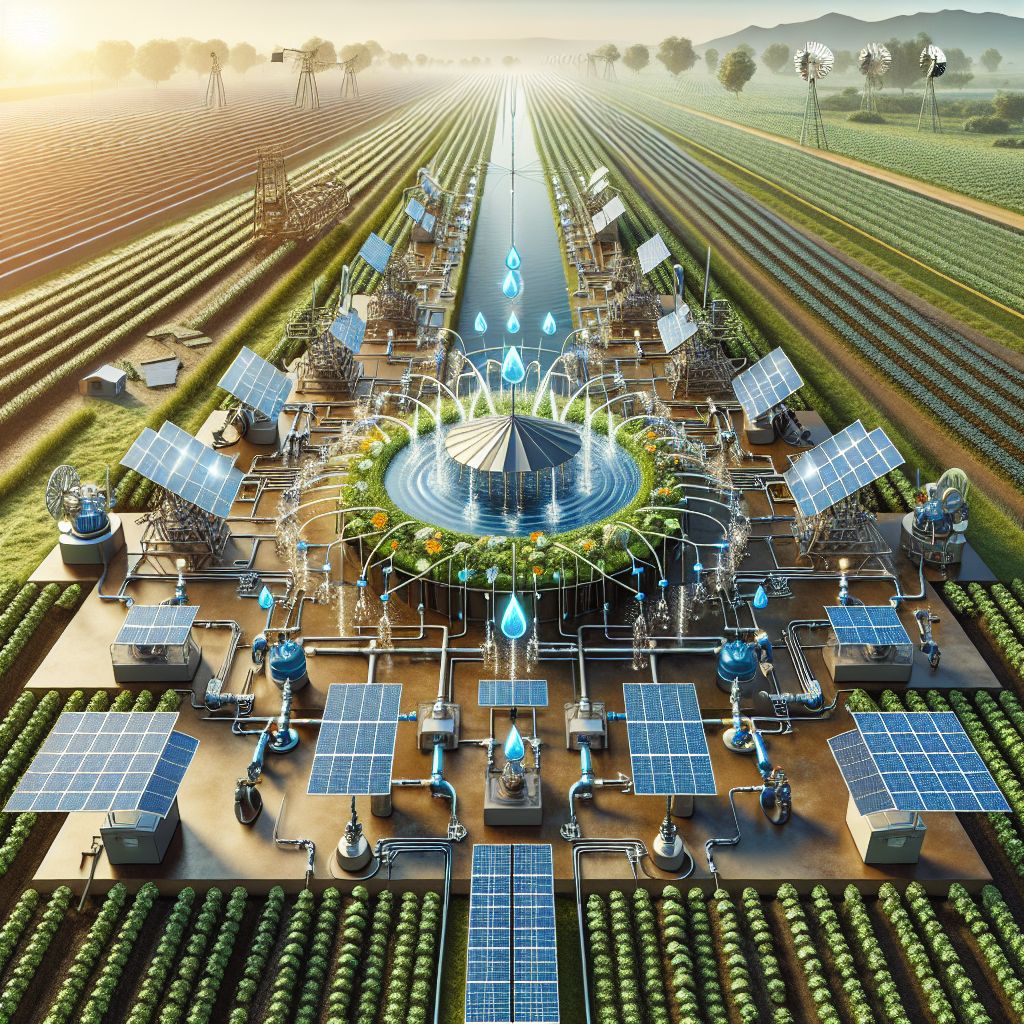
Integrating solar panels with your existing irrigation system requires careful planning and consideration. The goal is to ensure seamless operation and maximize the benefits of solar energy.
Compatibility with Different Pump Types
Solar panels can be used to power various types of irrigation pumps, including surface pumps, submersible pumps, and booster pumps. It’s important to choose panels that are compatible with your specific pump type to ensure efficient operation.
Consult with a solar
Lessons Learned and Best Practices
Over the years, integrating solar panels into irrigation systems has taught farmers several valuable lessons. One of the most critical takeaways is the importance of understanding your farm’s specific energy needs before selecting a solar panel system. This ensures that the system is neither over- nor under-powered, leading to optimal performance and cost savings. For more insights, explore how solar energy is revolutionizing watering practices on farms.
Another best practice is to work closely with solar energy experts during the planning and installation phases. Their expertise can help you design a system that maximizes efficiency and integrates seamlessly with your existing irrigation setup.
- Regularly monitor and maintain your solar panels to ensure peak performance.
- Stay informed about the latest advancements in solar technology to keep your system up-to-date.
- Consider potential future expansions when designing your solar panel system.
By following these best practices, you can ensure a successful and sustainable solar-powered irrigation system that benefits your farm for years to come.

Financial and Incentive Considerations
Investing in solar panels for irrigation can be a significant financial decision. However, there are numerous incentives and financial considerations that can make this investment more accessible and rewarding.
Available Incentives and Tax Credits
Many governments offer incentives and tax credits to encourage the adoption of renewable energy solutions like solar panels. These incentives can significantly reduce the initial cost of installation, making solar energy more affordable for farmers.
For instance, in the United States, the Federal Investment Tax Credit (ITC) allows you to deduct a portion of your solar panel installation costs from your federal taxes. Additionally, many states offer rebates and incentives that further lower the financial barrier to entry. To explore how solar energy can transform agricultural practices, check out this article on revolutionizing watering practices with solar energy.
“By taking advantage of available incentives, I was able to cut my solar panel installation costs by nearly 30%.” – Farmer Lisa
Calculating Return on Investment
Understanding the return on investment (ROI) for your solar panel system is crucial for making an informed decision. Start by calculating your current energy costs and estimating the potential savings from switching to solar power. Consider the payback period, which is the time it will take for your energy savings to cover the initial installation costs.
Most solar panel systems offer a payback period of 5 to 10 years, after which you’ll continue to enjoy free energy from the sun, leading to substantial long-term savings. By accurately calculating your ROI, you can make a confident decision about investing in solar energy for your farm.
Exploring Financing Options
If the upfront cost of solar panel installation is a concern, explore various financing options available to farmers. Many financial institutions offer loans and financing programs specifically for renewable energy projects. These options can help you spread the cost of installation over time, making solar energy more accessible.
Additionally, some solar companies offer leasing options, where you pay a monthly fee to use the solar panels without owning them outright. This can be a viable option for farmers who want to benefit from solar energy without the initial investment.

Maintaining and Troubleshooting Solar Irrigation Systems
To ensure the longevity and efficiency of your solar irrigation system, regular maintenance and troubleshooting are essential. Proper upkeep will keep your system running smoothly and prevent costly repairs down the line.
Regular Maintenance Tips
Regular maintenance involves cleaning the solar panels to remove dust and debris that can reduce efficiency. Inspect the panels for any signs of damage or wear, such as cracks or loose connections. It’s also important to check the wiring and connections to ensure everything is secure and functioning correctly.
Schedule routine maintenance checks, especially after extreme weather events, to address any potential issues promptly. By staying proactive, you can ensure your solar irrigation system remains in top condition.
Diagnosing Common Problems
Occasionally, you may encounter issues with your solar irrigation system. Common problems include reduced energy output, faulty connections, or malfunctioning pumps. If you notice a decrease in performance, start by checking the solar panels for any visible obstructions or damage.
Next, inspect the wiring and connections for any signs of wear or corrosion. If the problem persists, consult with a solar energy expert to diagnose and resolve the issue. Prompt troubleshooting can prevent minor issues from escalating into major problems.
Ensuring Longevity and Efficiency
To ensure the longevity and efficiency of your solar irrigation system, consider investing in high-quality components and professional installation. Quality materials and expert installation can prevent common issues and extend the lifespan of your system. For more insights, explore how solar-powered irrigation systems can benefit your agricultural practices.
Additionally, stay informed about the latest advancements in solar technology. Upgrading components or incorporating new features can enhance your system’s performance and efficiency, ensuring you get the most out of your investment.
FAQs
As you explore solar panels for irrigation, you may have several questions. Here are some frequently asked questions to help guide your decision-making process.
What are the main benefits of using solar panels for irrigation?
Solar panels offer numerous benefits for irrigation, including their ability to power solar-powered pumps that move water efficiently for a farmer’s irrigation system.
- Reducing energy costs by providing a free, renewable energy source.
- Minimizing environmental impact and promoting sustainable farming practices.
- Providing reliable energy access in remote areas without grid connectivity.
By utilizing solar energy, farmers can achieve greater energy independence and reduce their carbon footprint.
How do I determine the right size solar panel system for my farm?
To determine the right size solar panel system, start by assessing your farm’s energy needs and water requirements. Calculate the total energy demand for your irrigation system and consider any seasonal variations in water usage. Consult with a solar energy expert to design a system that meets your specific needs and maximizes efficiency.
Are there financial incentives for installing solar panels?
Yes, many governments offer financial incentives and tax credits to encourage the adoption of solar energy. These incentives can significantly reduce the initial installation costs, making solar panels more accessible and affordable for farmers. Be sure to research available incentives in your area and take advantage of any applicable programs.
How do solar panels hold up in extreme weather conditions?
Solar panels are designed to withstand various weather conditions, including rain, wind, and extreme temperatures. However, it’s important to choose panels with robust frames and tempered glass for added protection. Regular maintenance and inspections can help identify and address any potential damage caused by extreme weather.
By selecting durable panels and staying proactive with maintenance, you can ensure your solar irrigation system remains reliable even in challenging conditions.
What kind of maintenance do solar irrigation systems require?
Solar irrigation systems require regular maintenance to ensure optimal performance. This includes cleaning the solar panels to remove dust and debris, inspecting for any signs of damage or wear, and checking wiring and connections. Routine maintenance checks, especially after extreme weather events, are essential to address potential issues promptly.
By following these maintenance guidelines, you can ensure your solar irrigation system remains efficient and reliable, providing sustainable energy for your farm.







Leave a Reply