
Key Takeaways
- Solar-Powered Sprinkler Irrigation systems provide a sustainable water supply, especially in remote areas without reliable electricity.
- Initial setup costs can be high, ranging from $5,000 to $10,000, but government incentives may offset these expenses.
- Solar panels typically last 25-30 years, offering long-term reliability and low maintenance.
- Farmers using solar irrigation systems have reported increased crop yields due to consistent water supply.
Solar-Powered Sprinkler Irrigation: Efficiency for Farmers
Imagine harnessing the power of the sun to water your crops. Solar-powered sprinkler irrigation systems do just that, offering a sustainable and cost-effective solution for farmers. These systems not only reduce dependence on fossil fuels but also provide a reliable water supply, especially in areas where electricity is scarce or expensive.
How Solar Panels Work with Sprinklers
Solar panels convert sunlight into electricity through photovoltaic (PV) cells. This electricity powers the irrigation pump, which then distributes water through the sprinkler system. It’s a straightforward process that leverages the abundant energy of the sun to keep crops hydrated.
Benefits for Energy Savings
Switching to solar power can lead to substantial energy savings. By eliminating or reducing electricity bills, farmers can allocate more resources to other aspects of their operations. Moreover, solar energy is renewable, ensuring a consistent and sustainable power source.
In fact, many farmers report savings of 30-50% on energy costs after transitioning to solar-powered systems. This reduction in expenses can be a game-changer, especially for small-scale farmers operating on tight budgets.
Environmental Impact
Using solar energy for irrigation has a positive impact on the environment. It reduces carbon emissions and decreases reliance on non-renewable energy sources. This shift not only benefits the planet but also aligns with global efforts to combat climate change.
Economic Value Over Time
Although the initial investment in solar-powered irrigation systems can be substantial, the long-term economic benefits are significant. Solar panels have a lifespan of 25-30 years, providing reliable energy with minimal maintenance. Over time, the savings on energy costs can offset the initial setup expenses, leading to a positive return on investment.
Additionally, many governments offer incentives, such as tax credits or grants, to encourage the adoption of renewable energy systems. These incentives can further reduce the financial burden on farmers, making solar irrigation an even more attractive option.
How Solar-Powered Systems Work
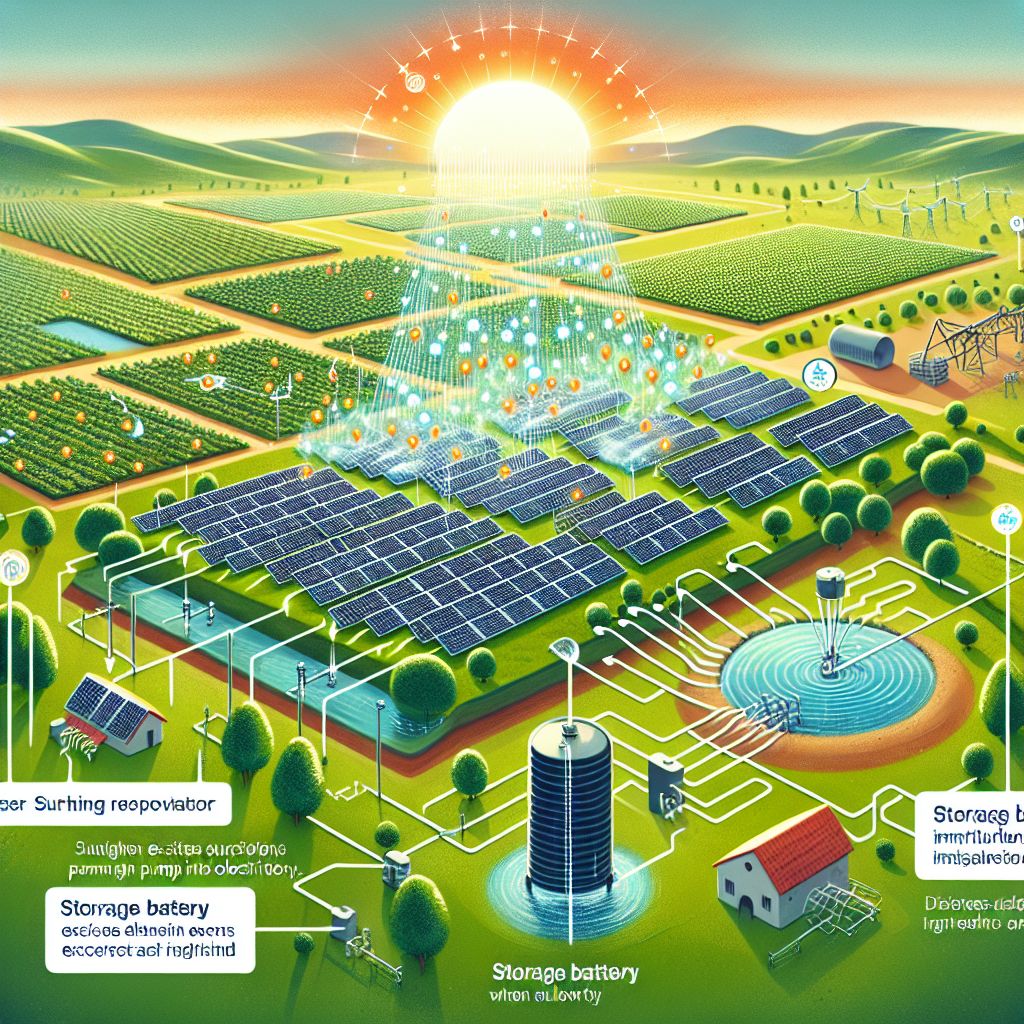
Understanding the mechanics of solar-powered irrigation systems is crucial for farmers considering this technology. At its core, the system relies on solar panels to generate electricity, which powers the irrigation pump. This pump then moves water from a source, such as a well or reservoir, to the fields via a network of sprinklers.
Photovoltaic Technology Basics
Photovoltaic cells, or solar cells, are the building blocks of solar panels. These cells are made from semiconductor materials, usually silicon, that absorb sunlight and convert it into electrical energy. When sunlight hits the cells, it excites electrons, creating an electric current.
This current is then captured and used to power the irrigation pump. The process is efficient and sustainable, leveraging the sun’s energy to meet agricultural needs. Learn more about how solar irrigation systems are revolutionizing farming.
Example: In California, a farmer installed a solar-powered irrigation system and reported a 40% reduction in energy costs within the first year. The system not only paid for itself in five years but also improved the farm’s environmental footprint.
Using Solar Energy in Irrigation
Integrating solar energy into irrigation practices involves several key components. First, solar panels are installed in a location with maximum sun exposure. The generated electricity powers a water pump, which draws water from a source and distributes it through the sprinkler system.
Besides that, some systems include a battery storage component. This allows excess solar energy to be stored and used during cloudy days or at night, ensuring a continuous water supply regardless of weather conditions.
Using Solar Energy in Irrigation
Incorporating solar energy into irrigation systems is an innovative approach that capitalizes on the natural abundance of sunlight. This method not only reduces energy costs but also ensures a more sustainable and environmentally friendly farming practice. The primary component of this system is the solar panel, which captures sunlight and converts it into electricity. This electricity is then used to power water pumps that distribute water across the fields.
Most importantly, solar irrigation systems provide a reliable water source, particularly in remote areas where access to traditional power grids is limited. By utilizing solar power, farmers can maintain consistent irrigation schedules, which is crucial for crop health and yield.
Battery Storage Options
One of the challenges with solar energy is its dependency on sunlight. To address this, many solar-powered irrigation systems include battery storage options. These batteries store excess energy generated during sunny periods and release it when sunlight is insufficient, such as during cloudy days or at night.
There are various types of batteries available, including lead-acid, lithium-ion, and flow batteries. Each has its own advantages and disadvantages in terms of cost, efficiency, and lifespan. Choosing the right battery depends on the specific needs of the farm and the local climate conditions.
Types of Sprinkler Irrigation Systems
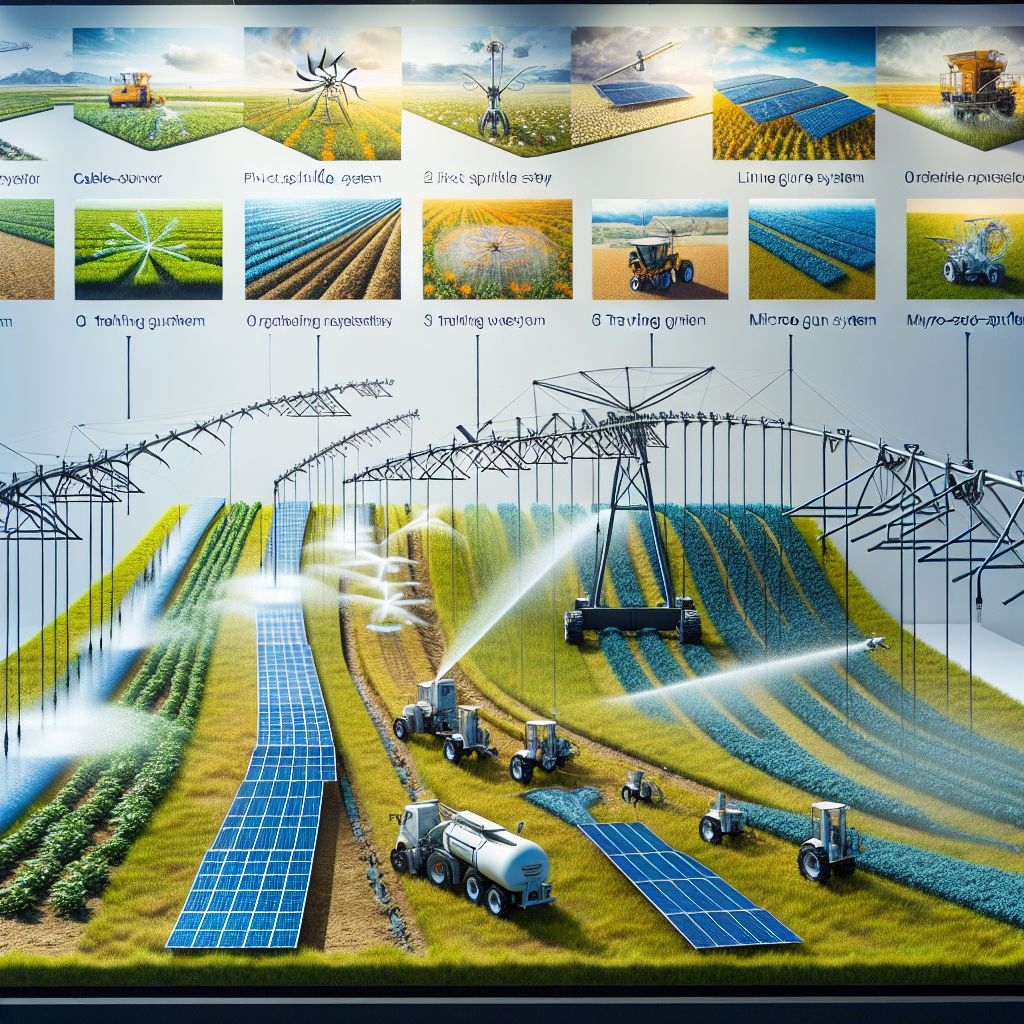
Sprinkler irrigation systems come in several types, each suited to different farming needs and terrains. Understanding these types can help farmers choose the best system for their operations and effectively integrate solar power.
Cable Tow Systems
Cable tow systems are ideal for irregularly shaped fields. They use a cable to pull the sprinkler system across the field, ensuring even water distribution. These systems are highly adaptable and can be powered efficiently by solar energy.
Because of their flexibility, cable tow systems are popular among farmers who have diverse crop layouts or fields with challenging topography. The solar panels provide the necessary energy to operate the towing mechanism, making it a sustainable choice.
Pivot Sprinkler Systems
Pivot sprinkler systems, commonly used in large-scale farming, rotate around a central pivot point, covering a circular area. These systems are known for their efficiency and ability to irrigate large fields with minimal labor.
Integrating solar power with pivot systems can lead to significant energy savings. The solar panels power the motors that move the sprinklers, reducing the reliance on grid electricity or diesel generators.
This type of system is particularly beneficial in areas with ample sunlight, where solar energy can be harnessed effectively throughout the day.
Example: A farm in Nebraska switched to a solar-powered pivot sprinkler system and reported a 35% reduction in energy costs, alongside improved crop yields due to more consistent watering.
Linear Move Systems
- Linear move systems are similar to pivot systems but move in a straight line.
- They are suitable for rectangular fields and provide uniform water distribution.
- Solar panels can be mounted along the system to power the movement and water pumps.
These systems are efficient and require less labor compared to traditional irrigation methods. The integration of solar power ensures that they operate sustainably, even in remote locations without access to the electrical grid.
By using solar energy, farmers can reduce their operational costs and increase the reliability of their irrigation practices.
Additionally, linear move systems are easy to maintain, with fewer mechanical components compared to other systems. This makes them a cost-effective choice for farmers looking to improve their irrigation efficiency.
Traveling Gun Systems
Traveling gun systems are portable and can be moved across fields to provide targeted irrigation. They are particularly useful for irregularly shaped fields or areas with specific watering needs.
Solar panels can be used to power the pumps and motors that move the system, ensuring a sustainable and cost-effective operation.
Micro-Sprinkler Systems
Micro-sprinkler systems are designed for precision irrigation, delivering small amounts of water directly to the plant root zones. They are ideal for orchards, vineyards, and other high-value crops. Learn more about how sprinkler irrigation systems help farmers achieve success.
These systems can be easily integrated with solar power, providing a reliable and efficient irrigation solution that conserves water and energy.

“Solar-Powered Center Pivot Irrigation …” from growingsolarmist.com and used with no modifications.
Advantages of Solar-Powered Sprinkler Systems
Solar-powered sprinkler systems offer numerous advantages that make them an attractive option for modern farmers. From cost savings to environmental benefits, these systems are redefining agricultural practices. For a deeper understanding of how solar panels benefit agriculture, explore more about their applications and advantages.
Understanding these benefits can help farmers make informed decisions about investing in solar irrigation technology.
Cost Reduction in Operations
One of the most significant advantages of solar-powered systems is the reduction in operational costs. By eliminating or reducing reliance on grid electricity or diesel fuel, farmers can significantly lower their energy expenses. Learn more about how solar irrigation systems are revolutionising farming.
This cost reduction can be especially impactful for small-scale farmers who operate on tight budgets. The savings on energy costs can be redirected to other areas of the farm, such as improving infrastructure or investing in better crop management practices.
Performance in Remote Areas
Solar-powered irrigation systems are particularly beneficial in remote areas where access to electricity is limited or unreliable. By harnessing the sun’s energy, farmers can ensure a consistent water supply without the need for costly infrastructure.
Long-Term Reliability
Solar panels have a long lifespan, typically lasting 25-30 years. This longevity provides farmers with a reliable and consistent energy source for their irrigation needs.
Moreover, solar systems require minimal maintenance, reducing the need for frequent repairs or replacements. This reliability ensures that farmers can focus on their crops rather than worrying about energy supply issues.
Enhanced Crop Yields
Consistent and efficient irrigation is crucial for maximizing crop yields. Solar-powered systems provide a reliable water source, ensuring that crops receive the necessary hydration throughout their growth cycle.
Farmers who have adopted solar irrigation systems often report increased yields due to improved water management. This boost in productivity can lead to higher profits and a more sustainable farming operation.
Besides that, the precise control offered by solar-powered systems allows farmers to optimize water usage, reducing waste and conserving resources.
Environmental Impact
Solar-powered irrigation systems contribute to environmental sustainability by reducing carbon emissions and decreasing reliance on non-renewable energy sources. This shift aligns with global efforts to combat climate change and promote sustainable agriculture.
Increase in Efficiency
Integrating solar power with irrigation systems enhances efficiency by providing a consistent and renewable energy source. This increased efficiency translates to better water management and improved crop health.
Moreover, solar systems can be automated, allowing farmers to monitor and control their irrigation practices remotely. This automation further enhances efficiency and reduces labor costs.
By adopting solar-powered irrigation systems, farmers can achieve greater efficiency and sustainability in their operations, leading to long-term success and profitability.
Example: In India, a farmer implemented a solar-powered micro-sprinkler system in his vineyard. The system not only reduced water usage by 20% but also increased grape production by 15%, resulting in higher profits.
Considerations for Investment
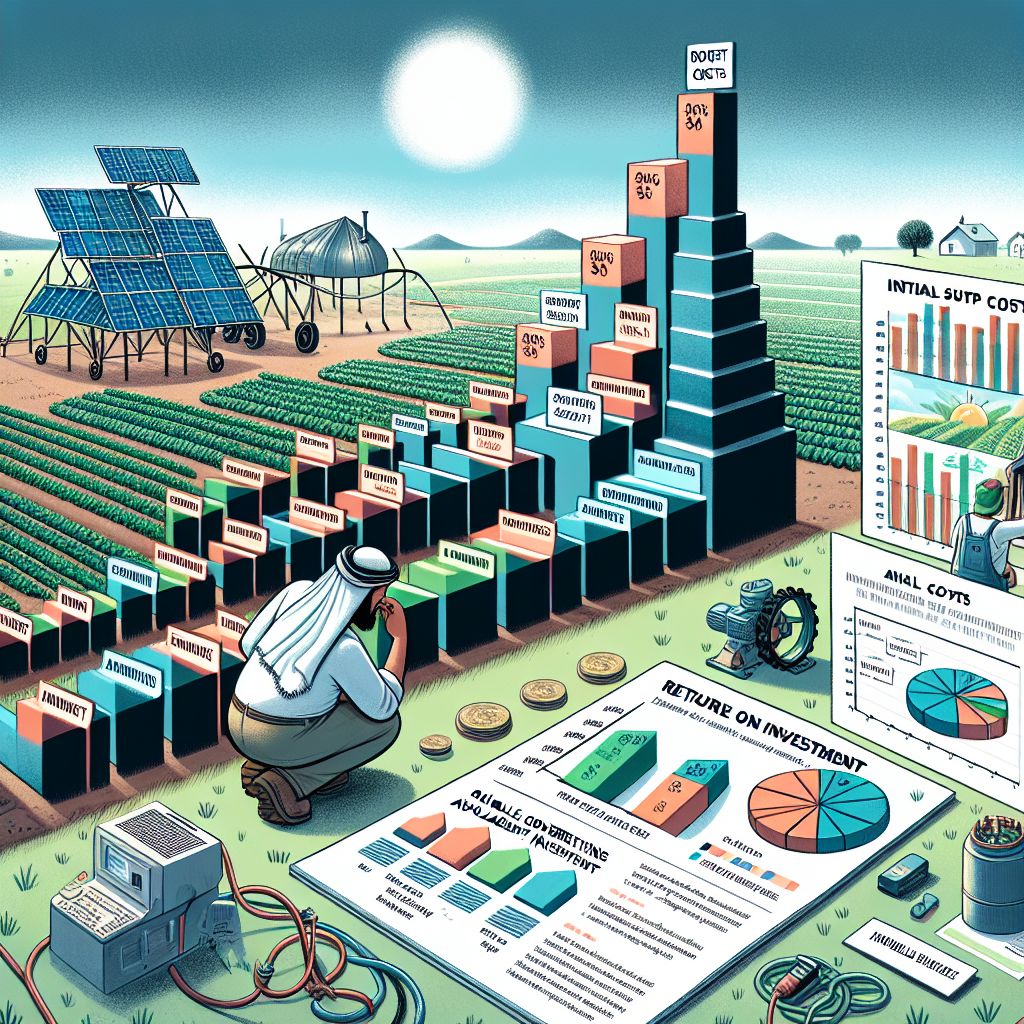
Before investing in solar-powered irrigation systems, farmers should consider several factors to ensure a successful implementation. These considerations include initial costs, potential savings, and available incentives. For more insights, explore our future prospects and market trends of solar irrigation systems.
- Assess the initial setup costs, which can range from $5,000 to $10,000, depending on the size and complexity of the system.
- Calculate the potential savings on energy costs and estimate the payback period for the investment.
- Explore government incentives, such as tax credits or grants, that can offset the initial expenses.
By carefully evaluating these factors, farmers can make informed decisions about adopting solar-powered irrigation systems and maximize the benefits of this sustainable technology.
Ultimately, investing in solar irrigation systems can lead to long-term savings, improved crop yields, and a more sustainable farming operation. It’s a smart choice for farmers looking to enhance their practices and contribute to environmental conservation.
Initial Setup Costs
Investing in solar-powered irrigation systems involves significant initial setup costs, which can range from $5,000 to $10,000 depending on the size and complexity of the system. This includes the cost of solar panels, pumps, controllers, and installation. While this may seem steep, it’s important to consider the long-term savings on energy costs and the environmental benefits.
Many farmers find that the investment pays for itself within a few years, especially when taking advantage of government incentives and tax credits. It’s crucial to budget for these initial costs and explore financing options if necessary, as solar irrigation systems are revolutionizing farming.
Understanding ROI
The return on investment (ROI) for solar-powered irrigation systems can be substantial. By reducing or eliminating energy bills, farmers can save thousands of dollars annually. Over time, these savings can exceed the initial investment, providing a positive ROI.
Besides that, increased crop yields due to reliable and efficient irrigation can further enhance profitability. Farmers should calculate their potential savings and estimate the payback period to understand the financial benefits of adopting solar technology.
Government Incentives and Grants
Many governments offer incentives to promote the adoption of renewable energy systems, including solar-powered irrigation. These incentives may include tax credits, grants, or low-interest loans. Farmers should research available programs in their region and apply for any applicable incentives to offset the initial setup costs. For more insights on the future of solar irrigation, explore solar irrigation systems’ future prospects.
Solar-powered irrigation systems offer significant benefits for farmers but require careful consideration before investment. Here’s a table discussing key considerations:
|
Consideration |
Details |
|---|---|
|
Initial Costs |
– Solar panels, pumps, and installation can cost $2,000 to $10,000+, depending on system size and complexity. 2 |
|
– Higher upfront costs compared to diesel systems ($500 to $5,000+). 2 | |
|
Potential Savings |
– Eliminate or greatly reduce electricity costs for irrigation. 1 |
|
– Minimal maintenance costs ($100 – $300 annually) compared to diesel systems ($300 – $1,000 annually). 2 | |
|
– Long-term savings outweigh initial investment, with break-even typically reached in 5-7 years. 2 | |
|
Energy Demand |
– Assess water requirements and crop types to determine system size. 1 |
|
– Consider pump flow rate, water lift, and output pressure. 5 | |
|
Available Incentives |
– Federal Investment Tax Credit: 30% of expenditures on solar and/or battery storage. 3 |
|
– State-specific incentives: grants, rebates, and tax credits available in many states. 7 | |
|
System Lifespan |
– Solar panels typically last 25+ years, compared to 5-10 years for diesel pump engines. 2 |
|
Environmental Impact |
– Reduced carbon footprint and reliance on fossil fuels. 1 |
|
Farm Productivity |
– Potential for increased crop yields due to reliable irrigation. 6 |
|
Future Energy Costs |
– Protection against rising fuel prices and electricity tariffs. 1 |
Farmers should carefully evaluate these factors to determine if solar-powered irrigation is a suitable investment for their specific circumstances. 5
Challenges for Solar Irrigation Systems
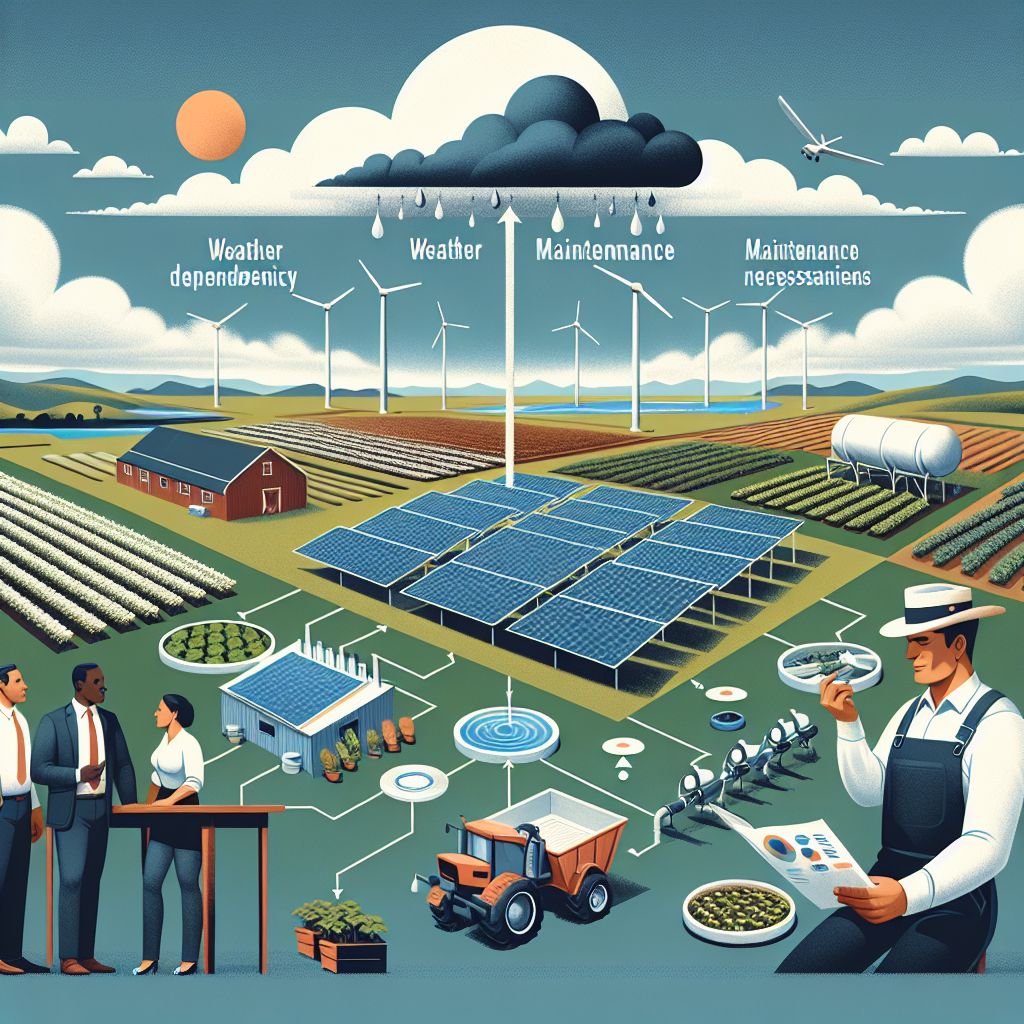
While solar-powered irrigation systems offer numerous benefits, there are challenges that farmers must consider. These challenges include weather dependency, maintenance requirements, and site-specific design needs.
Weather Dependency
Solar-powered systems rely on sunlight, making them susceptible to weather conditions. Cloudy days or extended periods of rain can reduce the efficiency of solar panels. However, integrating battery storage can mitigate this issue by storing excess energy for use during low sunlight periods.
Maintenance Necessities
Example: A farmer in Arizona faced issues with dust accumulation on solar panels, reducing their efficiency. Regular cleaning and maintenance restored their performance and ensured a consistent energy supply.
Maintenance is crucial to ensure the longevity and efficiency of solar-powered systems. This includes regular cleaning of solar panels to remove dust and debris, as well as routine checks on the irrigation equipment to prevent leaks or malfunctions.
Farmers should establish a maintenance schedule and allocate resources for any necessary repairs or replacements. Proper maintenance can extend the lifespan of the system and maximize its benefits. For more insights, explore the future prospects and market trends of solar irrigation systems.
Site-Specific Design Needs
Each farm has unique characteristics that may affect the design and implementation of a solar-powered irrigation system. Factors such as field size, crop type, and water source must be considered when designing the system.
Farmers should work with experienced professionals to assess their specific needs and develop a customized system that maximizes efficiency and effectiveness. A well-designed system can overcome site-specific challenges and deliver optimal results.

“Existing Irrigation Systems on a Farm …” from growingsolarmist.com and used with no modifications.
Conclusion
Solar-powered sprinkler irrigation systems offer a sustainable and cost-effective solution for modern farming. By reducing energy costs, increasing crop yields, and promoting environmental sustainability, these systems can transform agricultural practices. For more insights, explore the future prospects and market trends of solar irrigation systems.
While the initial investment may be substantial, the long-term benefits and potential savings make solar irrigation an attractive option for farmers. By carefully considering the challenges and opportunities, farmers can make informed decisions and successfully integrate solar technology into their operations.
Future Outlook for Solar Irrigation
The future of solar irrigation looks promising as technology continues to advance and costs decrease. Innovations in solar panel efficiency and battery storage are making these systems more accessible and effective for farmers worldwide.
As more farmers adopt solar-powered irrigation, we can expect to see increased sustainability in agriculture and a positive impact on the environment. The shift towards renewable energy is not only beneficial for farmers but also essential for the planet’s future.
Solar-Powered Sprinkler Irrigation Systems a Good or Bad Investment for a Farmer
Overall, solar-powered sprinkler irrigation systems can be a good investment for farmers, especially those in remote areas or regions with high energy costs. The potential savings on energy bills, combined with increased crop yields and environmental benefits, make these systems a viable option for sustainable farming. For a deeper understanding of the benefits of solar panels in agriculture, explore more resources.
However, it’s important for farmers to carefully evaluate their specific needs, budget for the initial costs, and explore available incentives. By doing so, they can make informed decisions and reap the benefits of solar-powered irrigation.
Frequently Asked Questions
How long do solar panels last in a sprinkler system?
Solar panels typically last 25-30 years, providing a long-term and reliable energy source for irrigation systems. Regular maintenance can help extend their lifespan and ensure optimal performance.
Can solar-powered systems work at night?
While solar panels generate electricity only during daylight hours, systems with battery storage can store excess energy for use at night or during cloudy days, ensuring a continuous water supply.
Are there any specific crops that benefit more from solar sprinkler irrigation?
Crops that require consistent and precise watering, such as fruits, vegetables, and high-value crops, can benefit significantly from solar sprinkler irrigation due to its efficiency and reliability.
What are the maintenance requirements for these systems?
Maintenance includes regular cleaning of solar panels, checking irrigation equipment for leaks or malfunctions, and ensuring that all components are functioning correctly. Establishing a maintenance schedule is crucial for long-term success.
Are government incentives available for installing solar irrigation?
Yes, many governments offer incentives such as tax credits, grants, or low-interest loans to encourage the adoption of renewable energy systems. Farmers should research available programs in their region and apply for applicable incentives.
By taking advantage of these incentives, farmers can reduce the financial burden of initial setup costs and make solar irrigation more accessible and affordable.
Overall, solar-powered sprinkler irrigation systems offer a promising solution for sustainable agriculture, empowering farmers to reduce costs, increase yields, and contribute to environmental conservation.







Leave a Reply