
Key Takeaways
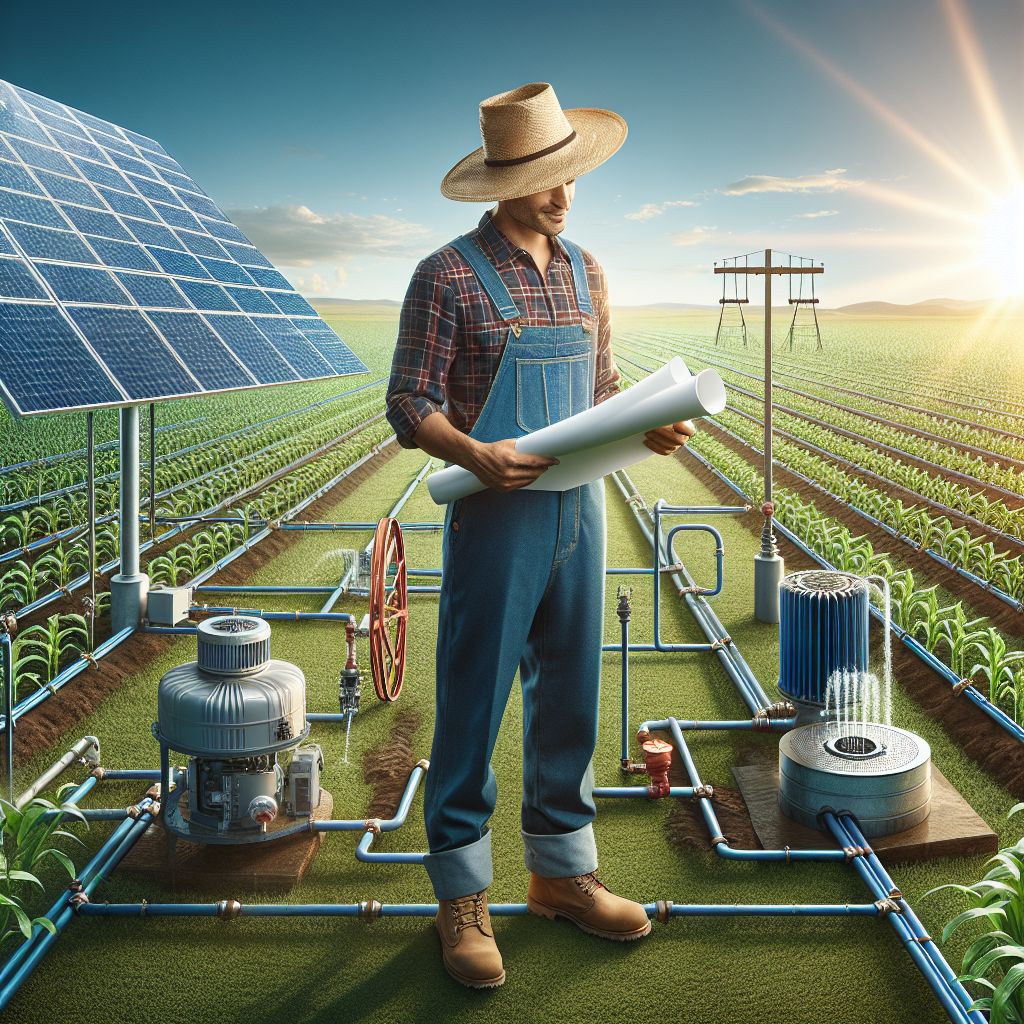
- Solar irrigation systems harness the sun’s energy to power water pumps, making them cost-effective and eco-friendly.
- Key components include solar panels, pump controllers, solar water pumps, and control systems, each playing a vital role in the system’s efficiency.
- Solar panels convert sunlight into electricity, which is then used to power the water pump for irrigation.
- Pump controllers regulate the energy flow, ensuring the pump operates efficiently and extends its lifespan.
- Automation through control systems enhances the irrigation process, making it more efficient and less labor-intensive.
Solar Irrigation System Overview
Imagine harnessing the power of the sun to water your crops, reducing both costs and environmental impact. That’s exactly what solar irrigation systems do. They utilize solar panels to capture sunlight and convert it into electricity, which powers water pumps for irrigation. This system is not only sustainable but also offers significant savings on energy costs.
What Makes Solar Irrigation Beneficial
Solar irrigation systems are a game-changer for farmers seeking sustainable solutions. They provide a reliable and renewable energy source, reducing dependency on fossil fuels and grid electricity. Most importantly, they cut down on energy expenses, allowing farmers to allocate resources to other essential areas of their operations.
Core Components Driving Solar Irrigations
At the heart of any solar irrigation system are its components, each meticulously designed to ensure optimal performance. These include solar panels, pump controllers, solar water pumps, and control systems. Together, they form a cohesive unit that maximizes energy efficiency and water delivery.
Performance Indications for Farmers
For farmers, the performance of a solar irrigation system is indicated by its efficiency in converting solar energy to water flow. A well-maintained system should provide consistent water supply without excessive energy consumption. Regular checks and maintenance of each component ensure the system runs smoothly, offering peace of mind and sustainability.

“Solar Irrigation Works …” from growingsolarmist.com and used with no modifications.
Essential Components of a Solar Irrigation System
Understanding the components of a solar irrigation system is crucial for maximizing its potential. Each part plays a specific role in capturing, converting, and utilizing solar energy to irrigate crops efficiently. Let’s delve into the essential components that make this system a valuable asset for sustainable farming.
Solar Panels: Converting Sunlight into Energy
Solar panels are the backbone of any solar irrigation system. These panels, often mounted on rooftops or open fields, capture sunlight and convert it into electricity through photovoltaic cells. This electricity powers the water pump, driving the entire irrigation process.
Pump Controller: Efficient Energy Regulation
The pump controller acts as the system’s brain, regulating the energy flow from the solar panels to the pump. It ensures that the pump operates within optimal parameters, preventing energy wastage and extending the pump’s lifespan. By managing the energy distribution, the controller plays a pivotal role in the system’s efficiency.
“A well-functioning pump controller is essential for maintaining the balance between energy input and water output, ensuring your irrigation system runs smoothly and efficiently.”
In the next section, we will explore the solar water pump’s role in extracting and distributing water, as well as the automation features that streamline irrigation processes. Stay tuned as we continue to unravel the intricacies of solar irrigation systems.
Solar Water Pump: Extracting and Distributing Water
The solar water pump is the heart of the solar irrigation system. It takes the electricity generated by the solar panels and uses it to draw water from a source, such as a well or reservoir. This water is then distributed to the fields, ensuring that crops receive the hydration they need to thrive.
Solar water pumps are particularly advantageous in remote areas where traditional power sources are unavailable. They are designed to operate efficiently with the variable power output from solar panels, ensuring that water delivery remains consistent even when sunlight levels fluctuate.
Control Systems: Automating Irrigation
Control systems bring automation to the irrigation process, significantly reducing the labor involved. These systems can be programmed to water crops at specific times or in response to particular environmental conditions, such as soil moisture levels. By automating these tasks, farmers can ensure their crops receive the right amount of water without constant manual intervention.
Here’s a table discussing the different parts of a solar irrigation system:
|
Component |
Function |
Description |
|---|---|---|
|
Solar Panels |
Power generation |
Convert sunlight into electricity to power the system. 1, 2, 3 |
|
Pump Controller/Inverter |
Power management |
Regulates voltage and ensures smooth operation of the pump. 1, 2, 3 |
|
Solar Water Pump |
Water extraction |
Pumps water from the source (e.g., wells, canals) to the irrigation system. 1, 2, 3 |
|
Water Storage Tank |
Water storage | |
|
Piping and Fittings |
Water transport |
Transports water from the pump to the irrigation system. 1 |
|
Irrigation Infrastructure |
Water distribution |
Distributes water to fields through a network of pipes. 1 |
|
Lightning Arrestor |
System protection |
Guards against lightning strikes to protect electrical components. 1 |
|
Mounting Structure |
Panel support |
Provides a sturdy frame for optimal panel placement. 2 |
|
Batteries (optional) |
Energy storage |
Stores excess energy for use during cloudy days or at night. 2, 3 |
|
Control Systems |
Automation |
May include timers, sensors, and remote monitoring for efficiency. 2 |
This table outlines the main components of a solar irrigation system, each playing a crucial role in harnessing solar energy to power efficient and sustainable agricultural irrigation.
Parts of the Solar Irrigation System
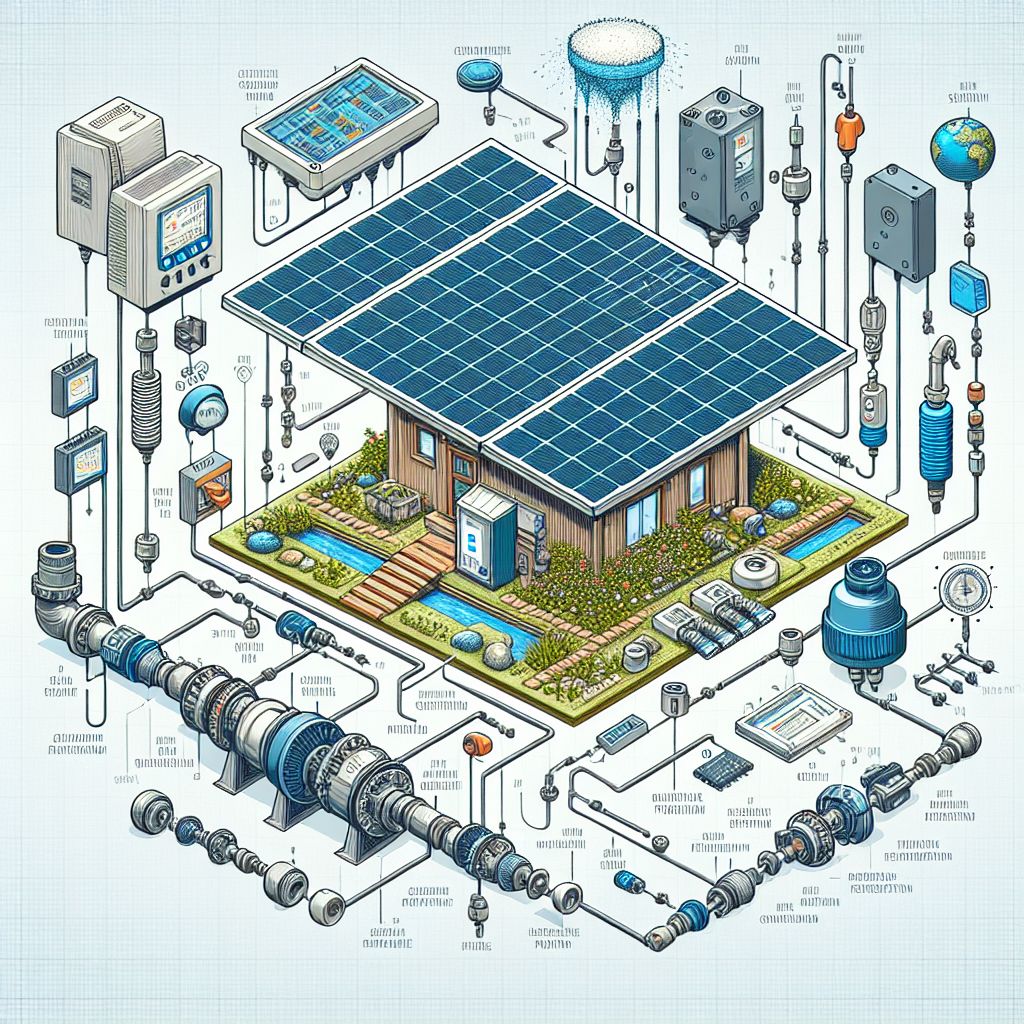
Understanding the various parts of a solar irrigation system is crucial for optimizing its performance. Each component plays a distinct role and knowing how they interact can help you make informed decisions about maintenance and upgrades.
Key parts include solar panels, pump controllers, solar water pumps, and control systems. Each part must be carefully selected and maintained to ensure the system operates efficiently and effectively.
Key Specifications of Solar Panels
When choosing solar panels for your irrigation system, consider factors such as efficiency, size, and durability. High-efficiency panels can generate more electricity from the same amount of sunlight, making them ideal for maximizing energy output. Additionally, durable panels are essential for withstanding harsh weather conditions and ensuring long-term reliability. For more information on how solar panels can enhance your farming operations, explore the feasibility and benefits of solar panels for farm operations.
Choosing the Right Pump for Your Needs
Selecting the right pump is critical for the success of your solar irrigation system. Consider the water source, required flow rate, and head height when making your choice. For instance, if you’re drawing water from a deep well, you’ll need a pump capable of handling high head heights.
It’s also important to match the pump’s power requirements with the energy output of your solar panels to ensure efficient operation. Consulting with a professional can help you make the best choice for your specific needs.
Choosing the right type of solar panel for your farm is crucial. Consider the specific needs of your operations, the available space, and your budget. Consulting with a solar energy expert can help you make an informed decision. For more information on how solar panels can increase the efficiency of your farm, visit this guide.
|
Type of Solar Panel |
Advantages |
Disadvantages |
|---|---|---|
|
Monocrystalline Solar Panels | ||
|
– Performance drops slightly in extreme heat. 1 | ||
|
– Performs well in low-light conditions (cloudy days, mornings). 1, 2 | ||
|
Polycrystalline Solar Panels |
– Cost-effective option, suitable for large-scale installations. 1, 3 |
– Lower efficiency (13-17%) compared to monocrystalline panels. 1, 3 |
|
– Durable and handles heat well. 3 |
– Requires more space for the same energy output as monocrystalline panels. 3 | |
|
– Affordable initial investment, often offset by government incentives. 3 | ||
|
Thin-Film Solar Panels |
– Lightweight, flexible, and easy to install on unconventional surfaces (e.g., curved roofs). 1, 5, 7 |
– Lowest efficiency (10-13%) among the options, requiring more space for equivalent output. 5, 7 |
|
– Performs well in high temperatures and low-light conditions, ideal for diverse climates. 5, 7 |
– Shorter lifespan (10-20 years) compared to crystalline panels. 5, 7 | |
|
– Cost-effective with lower production and installation costs. 5, 7 |
– Bulkier installations needed for larger-scale energy production. 5 | |
|
PERC Solar Panels |
– Enhanced efficiency (Up to 22% or higher) due to passivation layer, capturing more sunlight. 4 |
– Higher cost than traditional Monocrystalline panels, but prices are becoming comparable. 4 |
|
– Performs well in low-light and high-temperature conditions, ideal for varied climates. 2, 4 |
– Technology may be less familiar, requiring specialized installation expertise. 4 | |
|
– Maximizes energy output in limited space, suitable for farms with restricted installation areas. 4 |
This table provides a comparison of solar panel options for farmers, highlighting their suitability based on efficiency, cost, durability, and space requirements. Farmers should consider their specific energy needs, budget, and available installation area when making a decision.
Pump Controller Features and Specifications
Pump controllers are essential for regulating the energy flow within the system. Look for controllers with features such as over-voltage protection, dry-run protection, and adjustable speed settings. These features help protect the pump from damage and optimize its performance.
Components of Control Systems
Control systems may include sensors, timers, and programmable logic controllers (PLCs) that work together to automate irrigation. Sensors can monitor soil moisture levels, weather conditions, and water flow, providing valuable data for making informed irrigation decisions.
By integrating these components, control systems can adjust irrigation schedules automatically, ensuring that crops receive the right amount of water at the right time.
Function of Solar Irrigation System Components
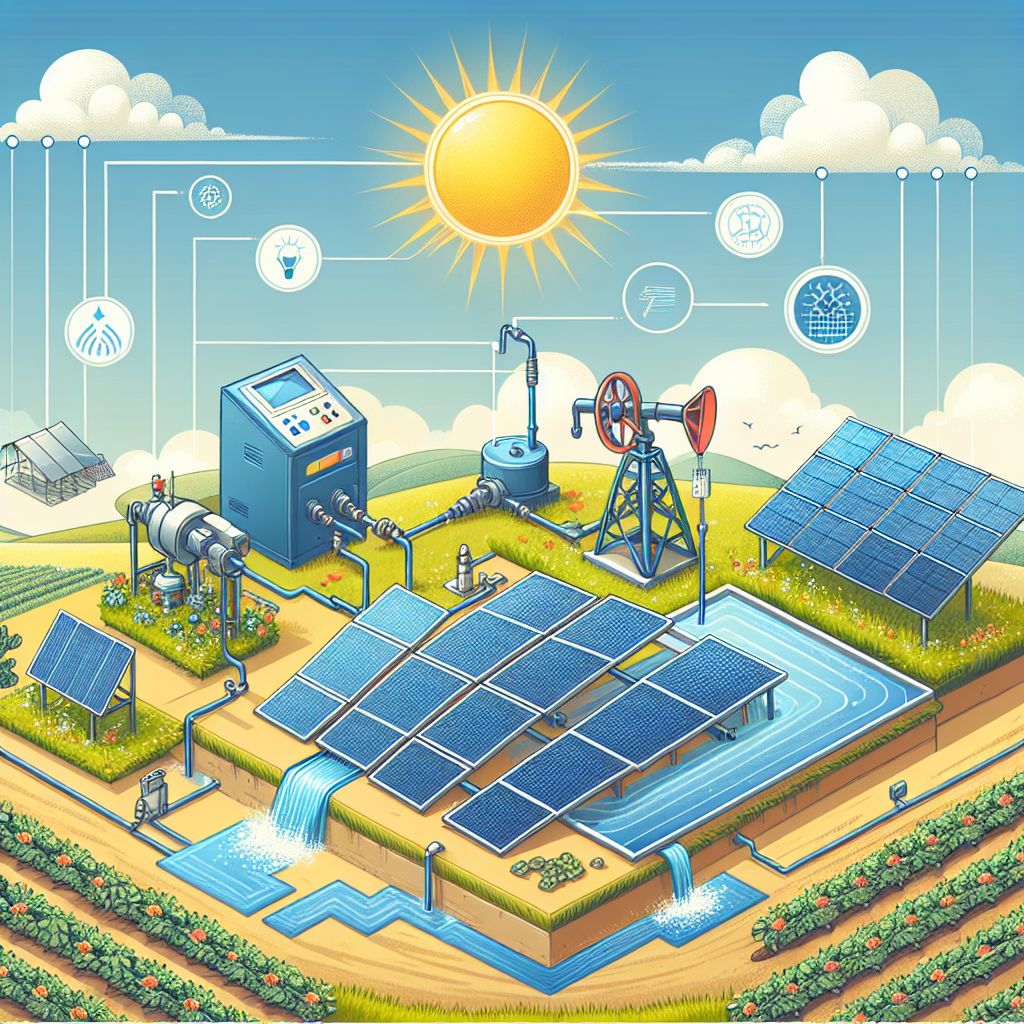
The components of a solar irrigation system work in harmony to ensure efficient water delivery to crops. Each part has a specific function, and understanding these roles can help you optimize your system’s performance.
- Solar Panels: Convert sunlight into electricity to power the pump.
- Pump Controller: Regulates energy flow to the pump, ensuring efficient operation.
- Solar Water Pump: Draws and distributes water to the fields.
- Control Systems: Automate irrigation based on environmental conditions.
By understanding these functions, you can ensure that your solar irrigation system operates at peak efficiency, providing consistent water supply to your crops.
In the next section, we’ll explore how solar panels power irrigation systems and delve into the operation of solar water pumps and the role of pump controllers. We’ll also discuss the efficiency of automated control systems in irrigation. Stay with us as we continue to uncover the intricacies of solar irrigation systems.
Monitoring Tools for Enhanced Performance
Monitoring tools are crucial for maximizing the efficiency of solar irrigation systems. These tools track various parameters such as energy production, water flow, and system performance. By analyzing this data, farmers can identify areas for improvement and make informed decisions to enhance system efficiency. For a deeper understanding of how these systems benefit farmers, explore the benefits of solar-powered irrigation systems.
Remote Control and Monitoring
Remote control and monitoring systems allow farmers to manage their solar irrigation systems from anywhere, providing convenience and flexibility. These systems use wireless technology to transmit data and control signals, enabling real-time monitoring and adjustments.
By integrating remote control capabilities, farmers can optimize irrigation schedules, respond to changing weather conditions, and ensure their systems operate efficiently without being physically present.
Battery: For When the Sun is Not Lighting Up the Sky
Batteries play a crucial role in solar irrigation systems, providing backup power during periods of low sunlight. They store excess energy generated during sunny days, ensuring a steady water supply even when the sun isn’t shining.
To maximize battery efficiency, regular maintenance is essential. This includes checking electrolyte levels, cleaning terminals, and ensuring proper ventilation to prevent overheating.
Common battery types include lead-acid and lithium-ion, each with its advantages and disadvantages. Lead-acid batteries are cost-effective but have a shorter lifespan, while lithium-ion batteries offer longer life and higher efficiency but at a higher initial cost.
Conclusion and Key Insights
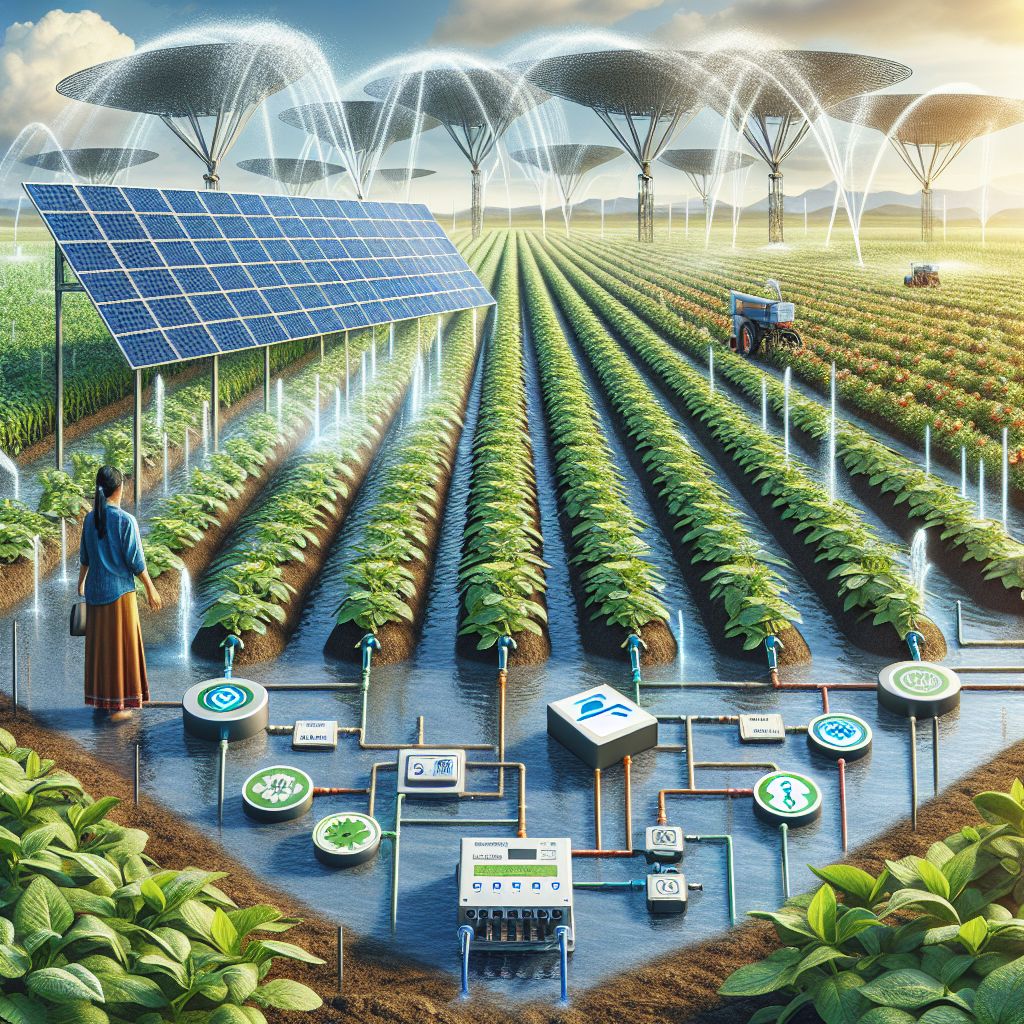
Solar irrigation systems offer a sustainable and cost-effective solution for modern agriculture, harnessing the power of the sun to provide a reliable water supply. By understanding and optimizing each component, farmers can maximize system efficiency and ensure long-term sustainability.
From solar panels to pump controllers, each part plays a vital role in converting sunlight into energy and distributing water to crops. Regular monitoring and maintenance are essential for maintaining optimal performance and preventing potential issues.
Energy storage solutions, remote control, and monitoring tools further enhance system efficiency, providing flexibility and reliability in water supply. By embracing these technologies, farmers can reduce their environmental impact and increase their energy independence.
As we move towards a more sustainable future, solar irrigation systems represent a significant step forward in achieving energy-efficient and eco-friendly agriculture.
“Solar irrigation systems are not just a technological advancement; they are a commitment to a sustainable and prosperous future for agriculture.”
Highlights of Solar-Powered Irrigation Benefits
Solar-powered irrigation systems offer numerous benefits, including reduced energy costs, environmental sustainability, and increased energy independence. By harnessing solar energy, farmers can significantly decrease their reliance on fossil fuels and grid electricity, leading to long-term cost savings and a smaller carbon footprint. For more information, you can explore this comprehensive guide on solar-powered irrigation systems.
Steps Toward Adopting Solar Solutions for Farming
To adopt solar solutions for farming, start by assessing your energy needs and evaluating the available resources. Consider factors such as water source, crop type, and local weather conditions to determine the most suitable system for your farm.
Consult with solar experts to design and install a system tailored to your specific requirements. Regular maintenance and monitoring are crucial for ensuring optimal performance and longevity.
Frequently Asked Questions
Below are some common questions regarding solar irrigation systems and their components.
How do solar irrigation systems reduce costs?
Solar irrigation systems reduce costs by eliminating the need for grid electricity or fuel to power water pumps. The initial investment in solar panels and equipment is offset by long-term savings on energy expenses, making it a cost-effective solution for farmers. For a detailed guide on the components and equipment involved, check out this solar irrigation system guide.
Additionally, solar systems have lower maintenance costs compared to traditional power sources, further contributing to cost savings.
By harnessing free solar energy, farmers can allocate resources to other essential areas of their operations, enhancing overall productivity and profitability.
What types of pumps are best for solar irrigation?
The best pumps for solar irrigation are those that match the energy output of the solar panels and meet the specific water requirements of the farm. Submersible pumps are ideal for deep wells, while surface pumps are suitable for shallow water sources.
It’s important to choose a pump with a high efficiency rating to maximize energy utilization and ensure reliable water delivery.
How is the energy from solar panels stored?
Energy from solar panels is stored in batteries, which provide backup power during periods of low sunlight. The type and capacity of the battery depend on the system’s energy requirements and the desired level of reliability.
Lead-acid and lithium-ion batteries are commonly used, with each offering different advantages in terms of cost, lifespan, and efficiency.
What maintenance is required for solar irrigation systems?
Regular maintenance is essential for ensuring the optimal performance of solar irrigation systems. This includes cleaning solar panels, checking connections, and monitoring system performance.
Can solar irrigation systems work in cloudy regions?
Yes, solar irrigation systems can work in cloudy regions, although their efficiency may be reduced. Energy storage solutions, such as batteries, help provide a continuous water supply by storing excess energy generated during sunny periods. To understand more about the benefits of solar-powered irrigation systems, you can explore additional resources.
By optimizing system design and incorporating energy storage, farmers can ensure reliable irrigation even in areas with less consistent sunlight.
Solar irrigation systems are becoming increasingly popular among farmers looking to reduce costs and improve efficiency. These systems use solar panels to power water pumps, eliminating the need for traditional electricity or fuel sources. By harnessing the power of the sun, farmers can save money on energy costs and reduce their carbon footprint. Additionally, solar irrigation systems can be used in remote areas where access to electricity is limited. For more details on how these systems can benefit farmers, check out this article on solar power irrigation system benefits.







Leave a Reply