

“Solar-Powered Traveling Gun Irrigation …” from growingsolarmist.com and used with no modifications.
Key Takeaways
- Solar-powered traveling gun irrigation systems reduce energy costs by using free solar energy, saving farmers money.
- These systems help decrease the reliance on fossil fuels, making farming more environmentally friendly.
- The initial setup cost is significant, but long-term savings and potential government incentives can offset this.
- Solar-powered systems provide consistent and efficient water distribution, improving crop yields.
- Farmers need to assess their land’s solar potential and existing infrastructure before installation.
Maximizing the Traveling Gun Irrigation Efficiency with Solar Power
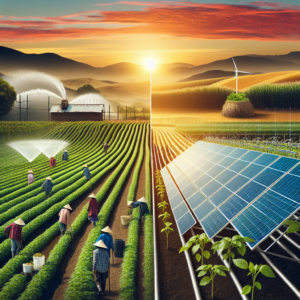
Imagine harnessing the power of the sun to water your crops. That’s the essence of a solar-powered traveling gun irrigation system. This technology combines the efficiency of a traveling gun irrigation system with the sustainability of solar power, offering farmers a cost-effective and eco-friendly solution.
Traveling gun irrigation systems are known for their ability to cover large areas, making them ideal for extensive farms. By adding solar power into the mix, you can reduce operational costs and increase energy independence.
What is Traveling Gun Irrigation System
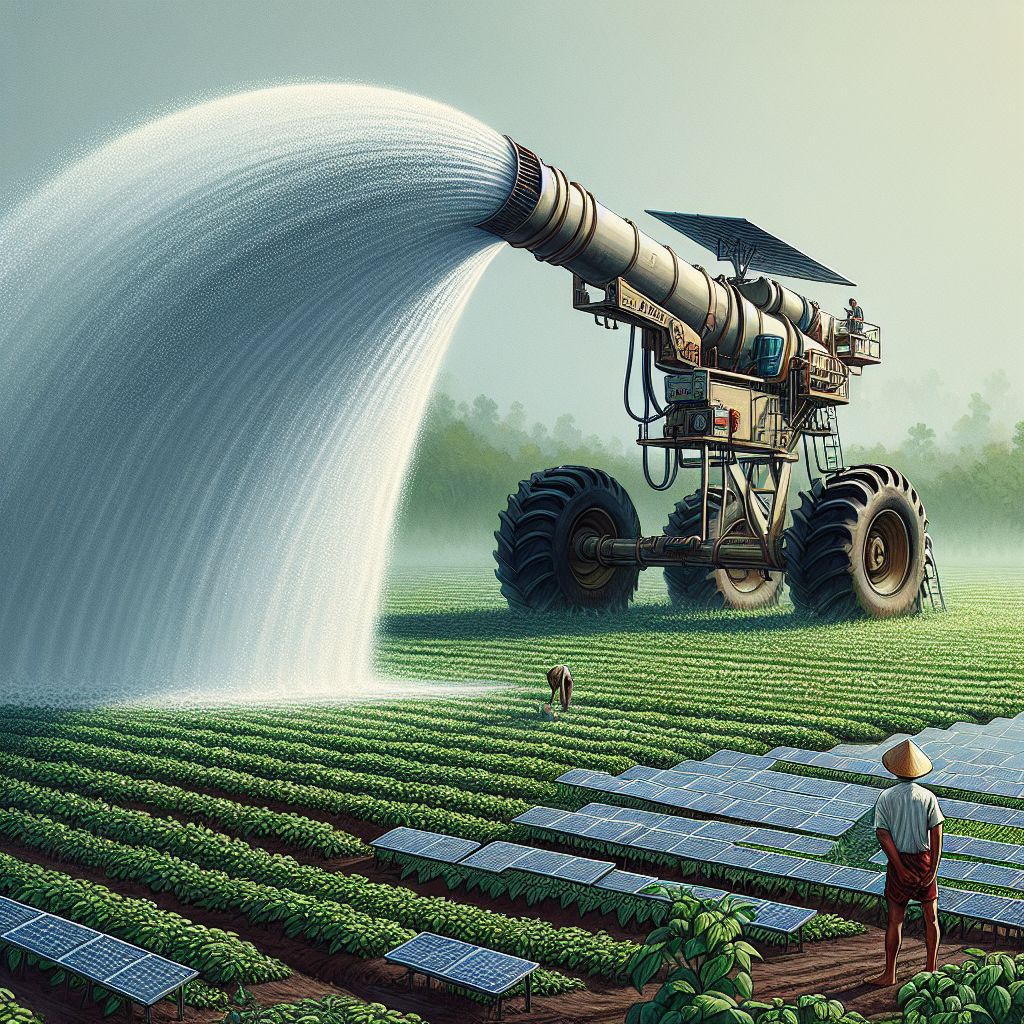
A traveling gun irrigation system is a type of portable irrigation system. It uses a large sprinkler mounted on a wheeled cart, which moves across the field to distribute water evenly. The “gun” refers to the high-pressure sprinkler that can shoot water over long distances, making it suitable for large fields.
This system is popular among farmers because it covers vast areas with minimal labor. However, it requires a significant amount of energy, which is where solar power comes into play.
How does Solar Power Work
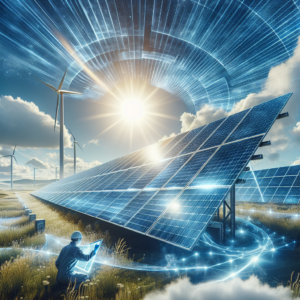
Solar power works by converting sunlight into electricity using solar panels. These panels contain photovoltaic cells that capture sunlight and transform it into electrical energy. This energy can then be used immediately or stored in batteries for later use.
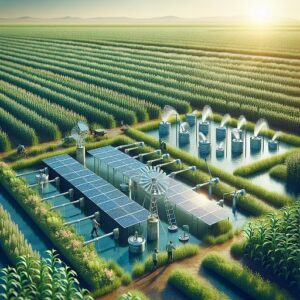
In the context of irrigation, solar panels can provide the necessary power to operate water pumps and other components of the traveling gun system, significantly reducing reliance on conventional energy sources.
The Appeal of Solar-Powered Traveling Gun Irrigation System
Why should farmers consider switching to a solar-powered traveling gun irrigation system? The answer lies in the numerous benefits it offers. First and foremost, it reduces energy costs. By utilizing solar energy, farmers can lower their electricity bills, freeing up funds for other essential farm activities.
Besides that, solar-powered systems are environmentally friendly. They reduce the reliance on fossil fuels, decreasing the farm’s carbon footprint. This not only helps the environment but also positions the farm as a sustainable operation, which can be appealing to consumers.
Boosting Farm Sustainability
Sustainability is a buzzword in agriculture, and for good reason. Sustainable practices ensure the long-term viability of farming operations, and solar-powered irrigation systems are a step in the right direction. By using renewable energy, farmers can protect natural resources and promote biodiversity.
Moreover, these systems often come with automation features, allowing farmers to monitor and control irrigation remotely. This means less time spent on manual labor and more time to focus on other critical farm tasks.
Components of a Solar-Powered Traveling Gun Irrigation System
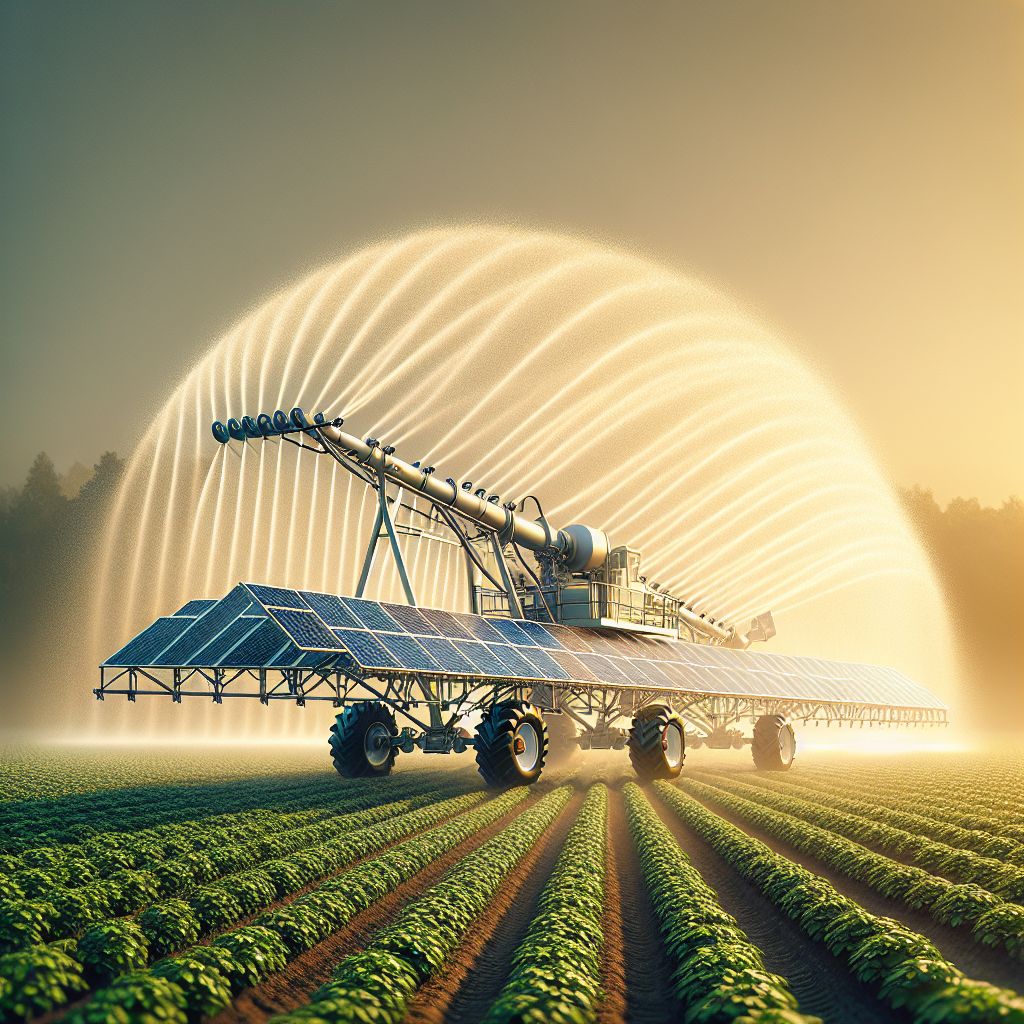
Understanding the components of a solar-powered traveling gun irrigation system is crucial for effective implementation. Each component plays a specific role in ensuring the system runs smoothly and efficiently. For more on how these systems impact economic outcomes for farmers, explore further insights.
Let’s dive into the essential equipment needed to set up this system on your farm, and explore the benefits of solar vs. traditional irrigation methods.
Essential Solar Equipment
To start, you’ll need solar panels. These are the heart of the system, capturing sunlight and converting it into usable energy. The size and number of panels will depend on your farm’s energy needs and the amount of sunlight your area receives. For more information on how solar-powered irrigation systems benefit farmers, check out this resource.
Choosing the right type of solar panel for your system is crucial. Consider the specific needs of your operations, the available space, and your budget. This below table will help you choose the right one:
|
Type of Solar Panel |
Advantages |
Disadvantages |
|---|---|---|
|
Monocrystalline Solar Panels | ||
|
– Performance drops slightly in extreme heat. 1 | ||
|
– Performs well in low-light conditions (cloudy days, mornings). 1, 2 | ||
|
Polycrystalline Solar Panels |
– Cost-effective option, suitable for large-scale installations. 1, 3 |
– Lower efficiency (13-17%) compared to monocrystalline panels. 1, 3 |
|
– Durable and handles heat well. 3 |
– Requires more space for the same energy output as monocrystalline panels. 3 | |
|
– Affordable initial investment, often offset by government incentives. 3 | ||
|
Thin-Film Solar Panels |
– Lightweight, flexible, and easy to install on unconventional surfaces (e.g., curved roofs)1, 5, 7 |
– Lowest efficiency (10-13%) among the options, requiring more space for equivalent output.5, 7 |
|
– Performs well in high temperatures and low-light conditions, ideal for diverse climates. 5, 7 |
– Shorter lifespan (10-20 years) compared to crystalline panels. 5, 7 | |
|
– Cost-effective with lower production and installation costs. 5, 7 |
– Bulkier installations needed for larger-scale energy production.5 | |
|
PERC Solar Panels |
– Enhanced efficiency (Up to 22% or higher) due to passivation layer, capturing more sunlight. 4 |
– Higher cost than traditional Monocrystalline panels, but prices are becoming comparable. 4 |
|
– Performs well in low-light and high-temperature conditions, ideal for varied climates. 2, 4 |
– Technology may be less familiar, requiring specialized installation expertise. 4 | |
|
– Maximizes energy output in limited space, suitable for farms with restricted installation areas. 4 |
This table provides a comparison of solar panel options for farmers, highlighting their suitability based on efficiency, cost, durability, and space requirements. Farmers should consider their specific energy needs, budget, and available installation area when making a decision.
In addition to solar panels, you’ll need a battery storage system. This allows you to store excess energy generated during sunny days, ensuring a consistent power supply even on cloudy days or at night.
How the Traveling Gun Operates
The traveling gun itself is a mobile irrigation device. It consists of a high-pressure sprinkler mounted on a wheeled cart. As it moves across the field, it sprays water in a circular pattern, covering large areas with each pass.
This system is powered by the energy generated from the solar panels. The water pump, which draws water from a source and sends it through the traveling gun, is also solar-powered, making the entire operation energy-efficient.
Integration with Existing Infrastructure
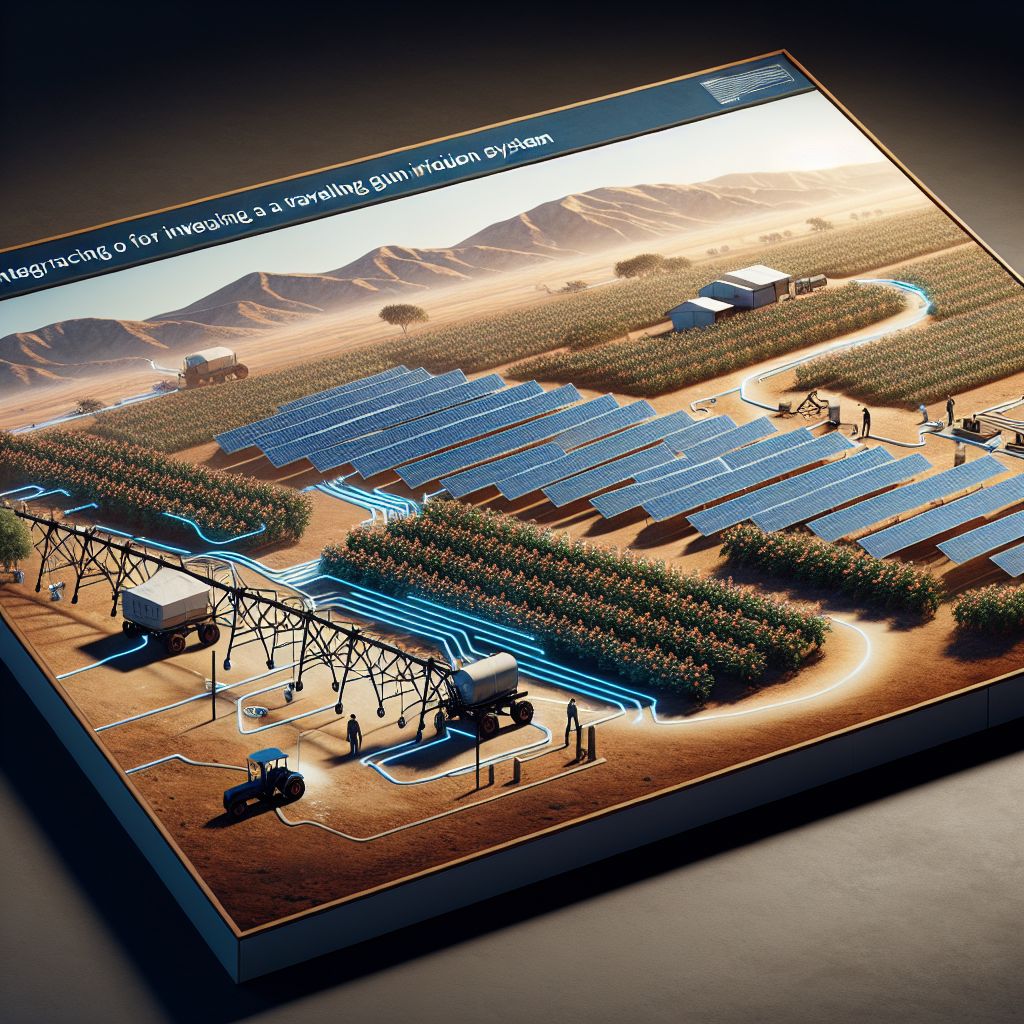
Integrating a solar-powered traveling gun irrigation system with your existing infrastructure requires careful planning. You’ll need to assess your current setup, including water sources, field layout, and existing irrigation systems.
- Determine the best location for solar panels to maximize sunlight exposure.
- Ensure the water source can supply enough water for the traveling gun system.
- Consider any necessary modifications to existing infrastructure to accommodate the new system.
By taking these steps, you can seamlessly integrate solar power into your farming operations, paving the way for a more sustainable and cost-effective future.
Steps to Implement Solar Power to Your Traveling Gun Irrigation System
Implementing solar power into your traveling gun irrigation system is a rewarding venture that requires careful planning and execution. By following a structured approach, you can ensure a seamless transition to solar energy and start reaping the benefits. Learn more about the benefits of solar-powered irrigation systems for farmers.
Assessing Your Farm’s Solar Potential
Before diving into the installation, it’s crucial to assess your farm’s solar potential. This involves evaluating the amount of sunlight your location receives throughout the year. Areas with high solar exposure are ideal for solar panels, as they maximize energy production.
Consider the following steps to assess your farm’s solar potential:
- Use solar maps or online tools to determine average sunlight hours in your region.
- Identify any potential obstructions, such as trees or buildings, that may block sunlight.
- Consult with a solar energy expert to get a professional assessment of your farm’s solar viability.
Designing the System Layout
Once you’ve assessed your solar potential, the next step is designing the system layout. This involves determining the optimal placement of solar panels and other components to ensure maximum efficiency.
Consider factors such as the orientation and tilt of the panels, the distance between the solar panels and the irrigation system, and the accessibility for maintenance and repairs. A well-designed layout will contribute to the overall effectiveness and longevity of the system.
Installation Process Simplified
The installation process is where your plans come to life. It involves setting up the solar panels, connecting them to the battery storage system, and integrating them with the traveling gun irrigation system.
While it’s possible to undertake the installation yourself, hiring a professional installer is recommended. They have the expertise and experience to ensure everything is set up correctly and safely. Additionally, professional installation may be required to qualify for certain government incentives or warranties.
Testing and Fine-Tuning
After installation, it’s essential to test and fine-tune the system to ensure optimal performance. This involves checking the solar panels’ energy output, verifying the battery storage capacity, and adjusting the traveling gun’s operation as needed.
Regular maintenance and monitoring are crucial to keep the system running smoothly. This includes cleaning the solar panels, checking connections, and ensuring the irrigation system operates efficiently.

Key Benefits for Farmers
Transitioning to a solar-powered traveling gun irrigation system offers several key benefits for farmers. Not only does it reduce energy costs, but it also enhances sustainability and supports environmental conservation efforts.
Environmental Impact Reduction
One of the most significant advantages of solar-powered irrigation is its positive impact on the environment. By reducing reliance on fossil fuels, farmers can significantly lower their carbon emissions and contribute to a cleaner, healthier planet.
Moreover, solar energy is renewable and abundant, making it a sustainable choice for long-term agricultural practices. By adopting solar power, farmers can help preserve natural resources and protect ecosystems for future generations.
Cost Savings and Financial Incentives
While the initial investment for a solar-powered irrigation system can be substantial, the long-term cost savings are undeniable. By eliminating or reducing electricity bills, farmers can allocate their financial resources to other essential farm operations.
Additionally, there are numerous financial incentives and rebates available for farmers who adopt solar technology. These incentives can help offset installation costs and make the transition to solar power more affordable.
“Switching to solar power saved me thousands in energy costs each year, allowing me to reinvest in my farm’s growth.” – Farmer John, California
Crops Best Suited for This System
Not all crops require the same irrigation needs, and it’s essential to consider which crops are best suited for a solar-powered traveling gun irrigation system. Crops that benefit from consistent and even water distribution, such as corn, soybeans, and wheat, are ideal candidates.
Additionally, farmers can adjust the system’s settings to accommodate different crop types, ensuring each plant receives the optimal amount of water for healthy growth.
Challenges and Solutions
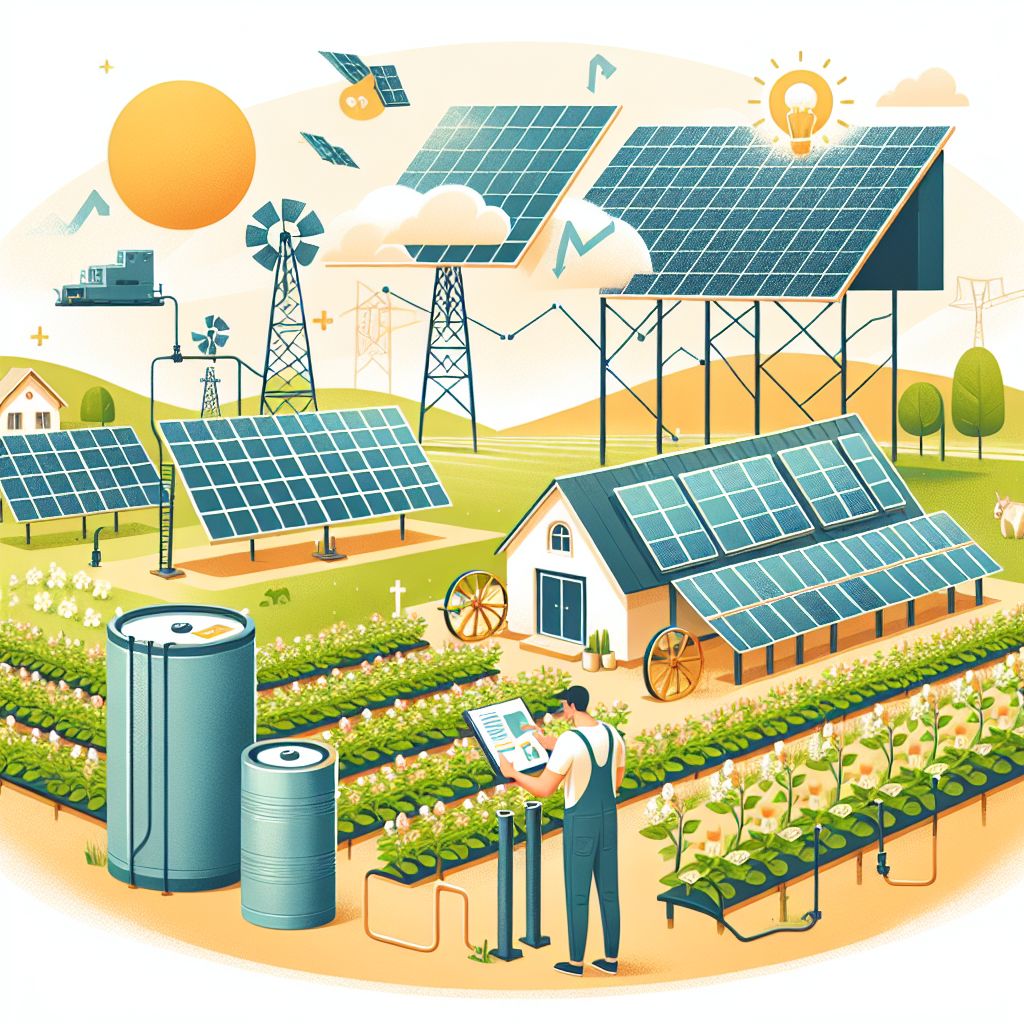
While the benefits of solar-powered irrigation are substantial, there are challenges to consider. The initial investment cost can be a barrier for some farmers. However, exploring financing options and government incentives can help mitigate this challenge.
Weather dependency is another consideration, as solar panels require sunlight to generate energy. To address this, farmers can invest in battery storage systems to store excess energy and ensure a consistent power supply, even on cloudy days.
By carefully planning and considering these challenges, farmers can successfully implement a solar-powered traveling gun irrigation system and enjoy the long-term benefits it offers.
Initial Investment Considerations
Switching to a solar-powered traveling gun irrigation system involves a significant initial investment. The cost of solar panels, battery storage, and installation can add up quickly. However, it’s essential to view this as a long-term investment. Over time, the savings on energy costs and potential financial incentives can offset the upfront expenses.
Farmers should explore various financing options, such as loans or leasing programs, to make the transition more affordable. Additionally, government incentives and rebates for renewable energy adoption can significantly reduce the financial burden.
Weather Dependency and Battery Solutions
Solar panels rely on sunlight to generate electricity, making weather dependency a potential challenge. On cloudy or rainy days, energy production may decrease. To address this, farmers can invest in battery storage systems that store excess energy generated on sunny days. This stored energy can be used when sunlight is limited, ensuring a consistent power supply for irrigation.
Moreover, modern solar systems often come with monitoring and automation features that optimize energy use based on weather forecasts. This ensures efficient water distribution while conserving energy.
Real-World Success Stories
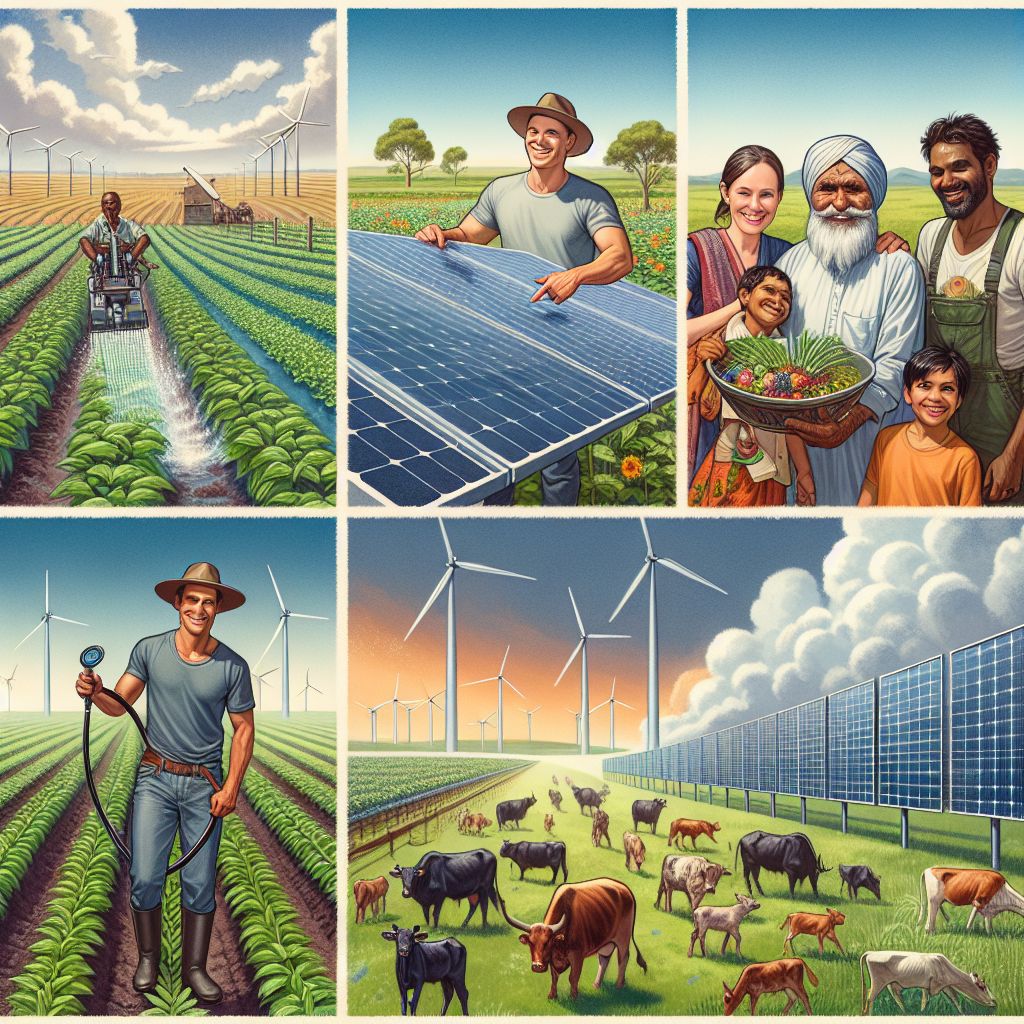
- A farmer in California reported a 30% reduction in energy costs within the first year of switching to a solar-powered system.
- A farm in India saw a 20% increase in crop production after installing a solar-powered traveling gun irrigation system.
- In Australia, a farmer successfully integrated solar power with existing infrastructure, reducing their carbon footprint significantly.
These examples highlight the transformative impact of solar-powered irrigation systems on agricultural practices. By adopting this technology, farmers can enhance efficiency, reduce costs, and promote sustainability.
One notable success story comes from Farmer John in California. After switching to solar power, he saved thousands in energy costs each year. This allowed him to reinvest in his farm’s growth and explore new agricultural ventures.
In India, a farm reported a 20% increase in crop production after implementing a solar-powered traveling gun irrigation system. The consistent and optimal watering provided by the system ensured that crops received the necessary nutrients for healthy growth.
Case Studies of Increased Yield
Solar-powered irrigation systems have shown to positively impact crop yields. For instance, a farm in India reported a 20% increase in crop production after installing a solar-powered traveling gun irrigation system. The consistent and optimal watering provided by the system ensured that crops received the necessary nutrients for healthy growth.
Farmers’ Experiences Globally
Globally, farmers are experiencing the benefits of solar-powered irrigation systems. In Australia, a farmer successfully integrated solar power with existing infrastructure, reducing their carbon footprint significantly. By harnessing renewable energy, they were able to lower operational costs and contribute to environmental conservation.
These success stories demonstrate the potential of solar-powered irrigation systems to revolutionize farming practices worldwide. By embracing this technology, farmers can improve efficiency, reduce costs, and promote sustainability.
Conclusion
Solar-powered traveling gun irrigation systems offer a sustainable and cost-effective solution for modern agriculture. By harnessing the power of the sun, farmers can reduce energy costs, improve efficiency, and contribute to environmental conservation.
Review key points
Throughout this article, we’ve explored the benefits and challenges of solar-powered irrigation systems. From reducing energy costs to enhancing sustainability, this technology offers numerous advantages for farmers. While the initial investment may be significant, the long-term savings and environmental benefits make it a worthwhile endeavor.
Is it a Good Idea for a Farm to Use Solar Power to Run Their Traveling Gun Irrigation System
Absolutely. By adopting solar power, farmers can enjoy lower energy costs, increased efficiency, and a reduced carbon footprint. The transition to solar-powered irrigation is a smart move for any farm looking to embrace sustainability and improve profitability.
Frequently Asked Questions
To help you better understand solar-powered traveling gun irrigation systems, here are answers to some common questions.
How do solar panels work on cloudy days?
Solar panels can still generate electricity on cloudy days, although at a reduced capacity. Battery storage systems can store excess energy generated on sunny days, ensuring a consistent power supply even when sunlight is limited. For more information on the challenges of solar panels for farmers, you can explore additional resources.
Can the system irrigate all types of crops?
Yes, solar-powered traveling gun irrigation systems can be adjusted to accommodate different crop types. Crops that benefit from consistent and even water distribution, such as corn, soybeans, and wheat, are ideal candidates.
Farmers can fine-tune the system’s settings to ensure each plant receives the optimal amount of water for healthy growth. For more information on sustainable practices, explore the benefits of solar-powered irrigation systems.
What are the maintenance requirements?
Regular maintenance is essential to keep the system running smoothly. This includes cleaning the solar panels, checking connections, and ensuring the irrigation system operates efficiently. Most importantly, regular monitoring and adjustments can help maintain optimal performance.
Are there government incentives available?
Yes, many governments offer incentives and rebates for adopting renewable energy technologies. These incentives can help offset the initial investment costs and make the transition to solar power more affordable for farmers.
How long does the installation process take?
The installation process can vary depending on the size and complexity of the system. On average, it may take several weeks to complete. Hiring a professional installer can ensure the process is done correctly and efficiently, qualifying you for potential incentives and warranties.
By following these guidelines and considering the benefits and challenges, farmers can successfully implement a solar-powered traveling gun irrigation system and enjoy the long-term advantages it offers.

Leave a Reply