

Key Takeaways
- Integrating solar power with sprinkler irrigation can drastically cut energy costs, saving farmers up to 75% on electricity bills.
- Solar panels offer a renewable energy source, making irrigation systems more sustainable and environmentally friendly.
- Center pivot systems are highly compatible with solar power, providing efficient water distribution across large fields.
- While the initial investment in solar panels can be high, the long-term savings and environmental benefits make it a wise choice.
- Solar-powered irrigation is especially beneficial in remote areas where access to the electrical grid is limited.
Sprinkler Irrigation Systems Plus Solar Power is a Good Combination for the Farmer
Sprinkler irrigation systems, when paired with solar power, present a robust solution for farmers aiming for sustainability. The fusion of these technologies not only enhances agricultural productivity but also reduces the carbon footprint. Solar panels, by converting sunlight into usable electricity, provide a consistent and renewable energy source for operating irrigation systems. This combination ensures that farmers can irrigate their crops efficiently, regardless of the time of day or access to traditional power sources.
Benefits of Combining Solar Power with Sprinkler Irrigation
There are several compelling reasons why integrating solar power with sprinkler irrigation systems is advantageous. Firstly, it offers significant cost savings. By utilizing solar panels, farmers can drastically reduce their reliance on costly electricity from the grid. This reduction in energy costs can lead to savings of up to 75%, which can be redirected towards other farming needs.
“Solar power offers numerous benefits for farmers looking to integrate it with their sprinkler irrigation systems. Firstly, it provides a renewable and sustainable energy source, reducing reliance on fossil fuels and lowering carbon emissions.”
Besides financial savings, solar-powered irrigation systems are environmentally friendly. They reduce the dependency on fossil fuels, thus lowering greenhouse gas emissions. This aligns with global efforts to combat climate change and promotes sustainable agricultural practices.
The Role of Solar Panels in Agriculture
Solar panels have revolutionized the way energy is utilized in agriculture. They convert sunlight into electricity through photovoltaic cells, providing a reliable energy source for various farming operations. This technology is particularly beneficial in remote areas where access to the electrical grid is limited or non-existent. By harnessing the sun’s power, farmers can ensure a consistent energy supply, enabling them to operate irrigation systems efficiently and effectively.
Understanding Sprinkler Irrigation
Sprinkler irrigation is a method where water is sprayed into the air and allowed to fall on crops like rain. This system is versatile and can be adapted to various terrains and crop types. It ensures even water distribution, minimizing water wastage and optimizing plant growth. By integrating solar power, these systems become even more efficient, as they can operate independently of traditional power sources.

“Solar-Powered Center Pivot Irrigation …” from growingsolarmist.com and used with no modifications.
Center Pivot and Solar Panels
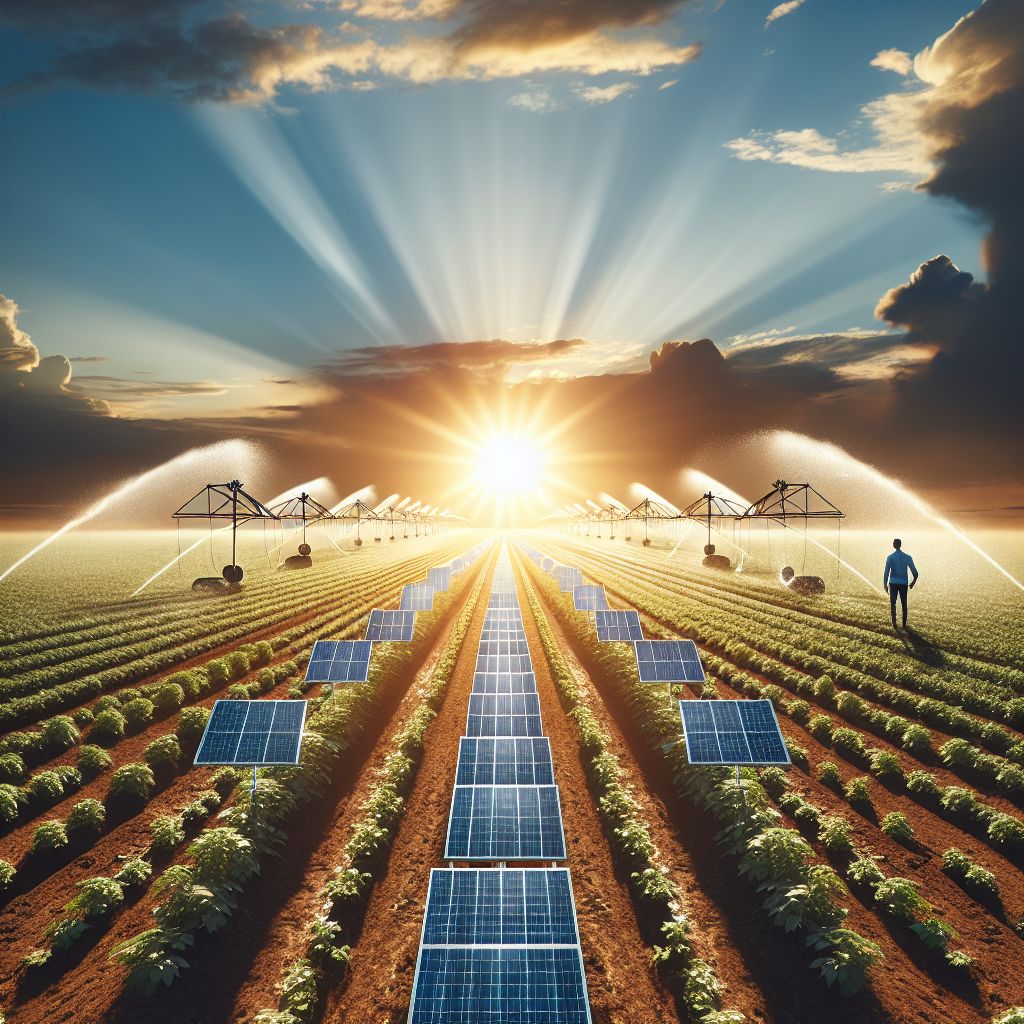
Center pivot irrigation systems, when combined with solar power, offer an efficient and sustainable solution for large-scale farming. These systems consist of a central pivot point and a series of pipes that rotate in a circular pattern, delivering water evenly across the field. The integration of solar panels ensures that these systems have a consistent energy supply, reducing reliance on external power sources.
Center pivot systems are particularly well-suited for solar integration due to their operational efficiency and ability to cover large areas. The use of solar panels not only powers the irrigation system but also contributes to reducing the farm’s overall carbon footprint.
Why Center Pivot Systems Work Well with Solar
Center pivot systems are a popular choice among farmers for several reasons. Firstly, they offer high efficiency in water distribution, ensuring that crops receive the right amount of water without wastage. This efficiency is further enhanced when powered by solar energy, as it provides a reliable and cost-effective power source. Learn more about the benefits of solar-powered irrigation systems for farmers.
- Efficient water distribution over large areas.
- Reduced energy costs with solar power.
- Environmentally friendly, reducing carbon emissions.
- Independence from the electrical grid.
Moreover, the combination of center pivot systems with solar panels is particularly beneficial in areas with ample sunlight. It ensures that farmers can maximize their irrigation capabilities while minimizing their environmental impact.
Installation Process for Solar-Powered Center Pivots
Installing a solar-powered center pivot system involves several key steps to ensure efficiency and effectiveness. The first step is selecting the right location for the solar panels. It’s crucial to choose a spot with maximum sun exposure throughout the day, free from obstructions like trees or buildings. This ensures that the panels can generate sufficient energy to power the irrigation system. Learn more about the benefits of solar power irrigation systems for farmers.
Next, you need to install the solar panels themselves. This involves mounting them on a sturdy frame and connecting them to an inverter, which converts the solar energy into usable electricity. The inverter is then linked to the center pivot system, enabling it to operate using the power generated by the solar panels.
After installation, it’s essential to test the system to ensure everything is functioning correctly. Check the connections, monitor the energy output, and adjust the panel angles if necessary to maximize efficiency. Regular maintenance, such as cleaning the panels and inspecting the connections, will help maintain optimal performance. For more information on improving efficiency, consider exploring dual-axis solar panel trackers.
Cost and Maintenance Considerations
While the initial investment for solar-powered irrigation systems can be significant, the long-term savings and benefits make it a worthwhile endeavor. The cost of solar panels has decreased in recent years, making them more accessible to farmers. Additionally, many governments offer incentives or subsidies to encourage the adoption of renewable energy solutions, further reducing the financial burden.
Maintenance for solar-powered systems is relatively low. Regular cleaning of the solar panels to remove dust and debris will ensure maximum energy absorption. It’s also important to inspect the connections and the inverter periodically to prevent any operational issues. By investing in regular maintenance, farmers can ensure their systems run smoothly and efficiently for many years.
“Solar Irrigation Systems for Growing …” from growingsolarmist.com and used with no modifications.
Using Drip Irrigation with Solar Panels
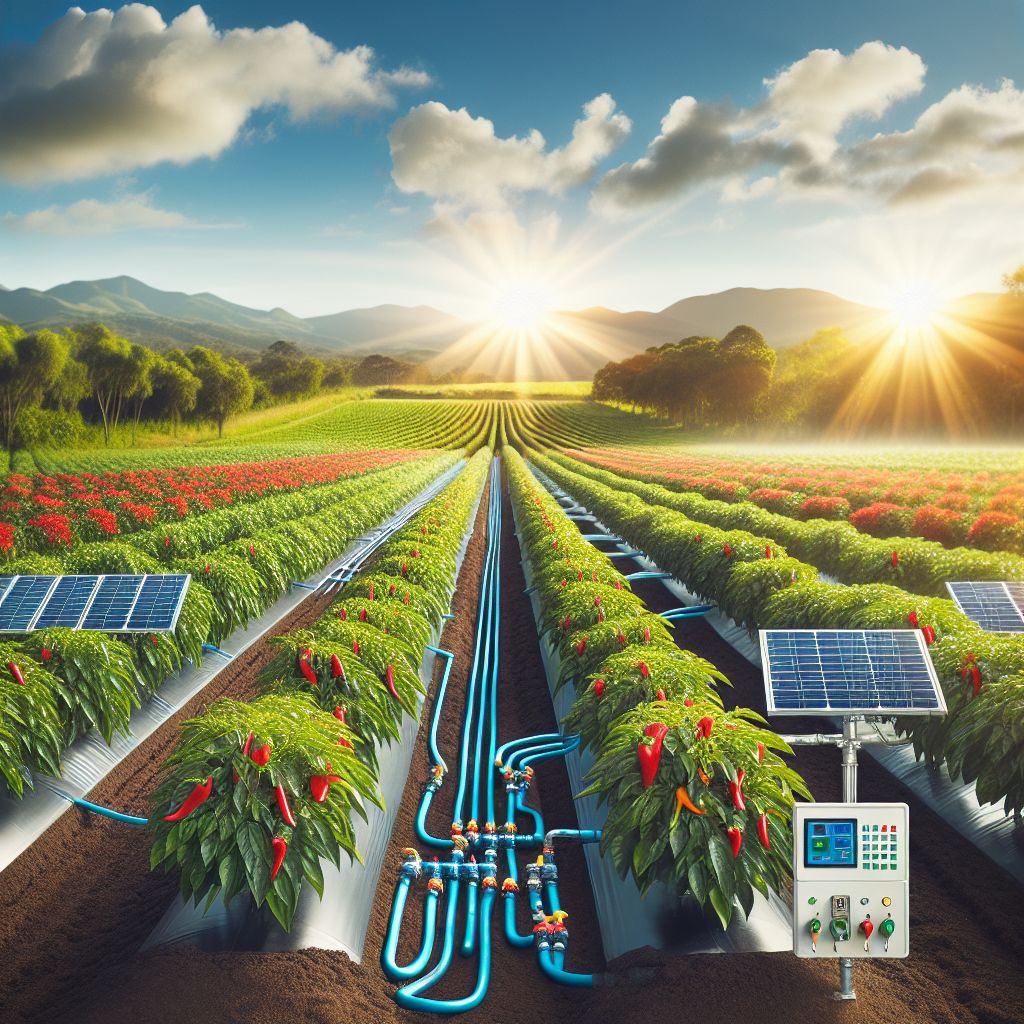
Drip irrigation systems are another excellent option for integrating with solar power. These systems deliver water directly to the plant roots through a network of tubes and emitters, minimizing water wastage and ensuring efficient water usage. When combined with solar panels, drip irrigation systems become even more sustainable and cost-effective.
The integration of solar power with drip irrigation systems is particularly beneficial in areas with limited water resources. Solar energy can power the pumps needed to distribute water through the drip system, ensuring a consistent and reliable water supply to crops.
“Solar-powered sprinkler irrigation systems offer a sustainable and cost-effective solution for modern farming. By understanding the different types of sprinkler systems and how to integrate them with solar power, farmers can enhance their irrigation practices, reduce operational costs, and contribute to environmental conservation.”
One of the significant advantages of using drip irrigation with solar power is the reduction in water usage. Drip systems are designed to deliver water directly to the plant roots, minimizing evaporation and runoff. This targeted approach ensures that crops receive the exact amount of water they need, promoting healthy growth and maximizing yield.
Advantages of Drip Irrigation
Drip irrigation offers numerous benefits that make it an attractive option for farmers. These include improved water efficiency, reduced labor costs, and enhanced crop yields. Additionally, integrating solar-powered irrigation systems can further enhance environmental sustainability for farmers.
- Efficient water usage, reducing wastage and conserving water resources.
- Targeted watering, ensuring that crops receive the right amount of water for optimal growth.
- Reduced weed growth, as water is delivered directly to the plants rather than the surrounding soil.
- Improved crop yield and quality due to consistent and precise watering.
Efficiency of Solar-Powered Drip Systems
- Solar panels provide a reliable energy source for operating drip irrigation systems.
- Reduced dependency on grid electricity, lowering energy costs.
- Environmentally friendly, reducing carbon emissions and promoting sustainable farming practices.
Solar-powered drip systems are particularly effective in regions with abundant sunlight, as they can harness the sun’s energy to power the pumps needed for water distribution. This not only reduces energy costs but also ensures a consistent water supply, even in remote areas with limited access to traditional power sources.
Furthermore, the combination of solar power and drip irrigation promotes sustainable farming practices by minimizing water usage and reducing the farm’s overall carbon footprint. This aligns with global efforts to combat climate change and ensures that farmers can continue to produce high-quality crops while preserving the environment.
Steps for Setting Up a Solar-Drip System
Setting up a solar-powered drip irrigation system involves several key steps:
- Select the Right Location: Choose a spot with maximum sun exposure for the solar panels. Ensure the area is free from obstructions like trees or buildings.
- Install the Solar Panels: Mount the panels on a sturdy frame and connect them to an inverter. The inverter will convert the solar energy into electricity for the drip system.
- Set Up the Drip System: Lay out the network of tubes and emitters to deliver water directly to the plant roots. Ensure the system is designed to cover the entire crop area.
- Connect the System: Link the solar-powered inverter to the drip system’s pump, enabling it to operate using solar energy.
- Test and Maintain: Test the system to ensure everything is functioning correctly. Regular maintenance, such as cleaning the panels and inspecting the connections, will help maintain optimal performance.
Surface Irrigation and Solar Integration
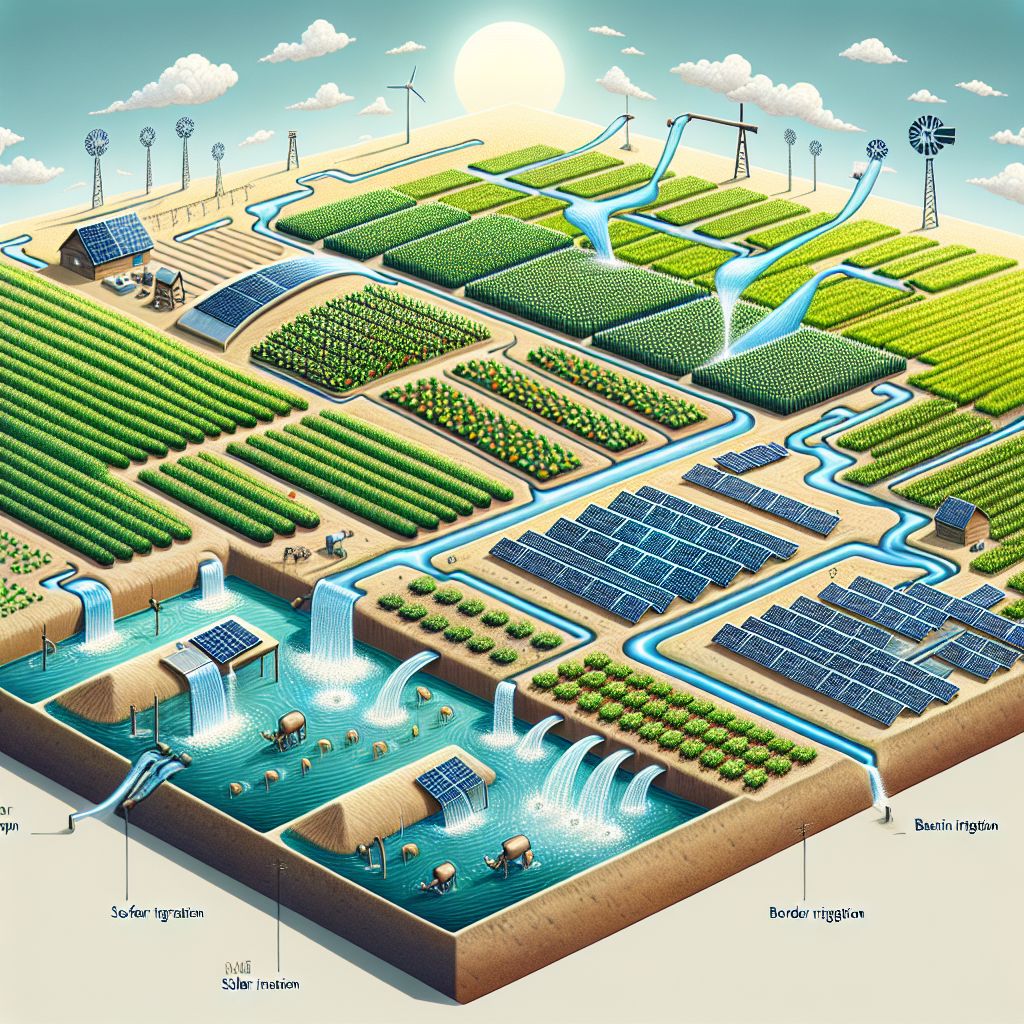
Surface irrigation systems, when integrated with solar power, offer a practical solution for farmers looking to enhance their irrigation practices. These systems involve distributing water across the field’s surface, allowing it to flow naturally to the crops. By using solar energy to power the pumps needed for water distribution, farmers can reduce their reliance on traditional power sources and promote sustainable farming practices.
Types of Surface Irrigation Compatible with Solar
There are several types of surface irrigation systems that can be effectively powered by solar energy:
- Furrow Irrigation: Water is distributed through small channels or furrows dug between crop rows.
- Basin Irrigation: Water is applied to a flat area surrounded by levees, allowing it to infiltrate the soil.
- Border Irrigation: Water is applied to long strips of land, allowing it to flow down the slope to the crops.
Utilizing Solar Pumps for Surface Irrigation
Solar pumps are an essential component of solar-powered surface irrigation systems. These pumps draw water from a source, such as a well or reservoir, and distribute it across the field. By harnessing solar energy, farmers can ensure a consistent and reliable water supply, even in remote areas with limited access to traditional power sources.
Solar pumps are available in various sizes and capacities, making them suitable for both small and large-scale farming operations. When selecting a solar pump, it’s essential to consider factors such as the water source, the size of the area to be irrigated, and the system’s overall energy requirements.
Installation Tips for Small and Large Farms
Installing a solar-powered surface irrigation system requires careful planning and consideration. Here are some tips for both small and large farms:
For Small Farms:
- Choose a compact solar pump that meets the farm’s water requirements.
- Install the solar panels in a location with maximum sun exposure.
- Ensure the irrigation system is designed to cover the entire crop area efficiently.
- Regularly maintain the system to ensure optimal performance.
For Large Farms:
- Select a high-capacity solar pump to meet the farm’s extensive water needs.
- Install multiple solar panels to generate sufficient energy for the system.
- Design the irrigation system to cover large areas efficiently, minimizing water wastage.
- Implement regular maintenance schedules to ensure the system’s longevity and performance.
Efficient Rain Gun Systems with Solar Power
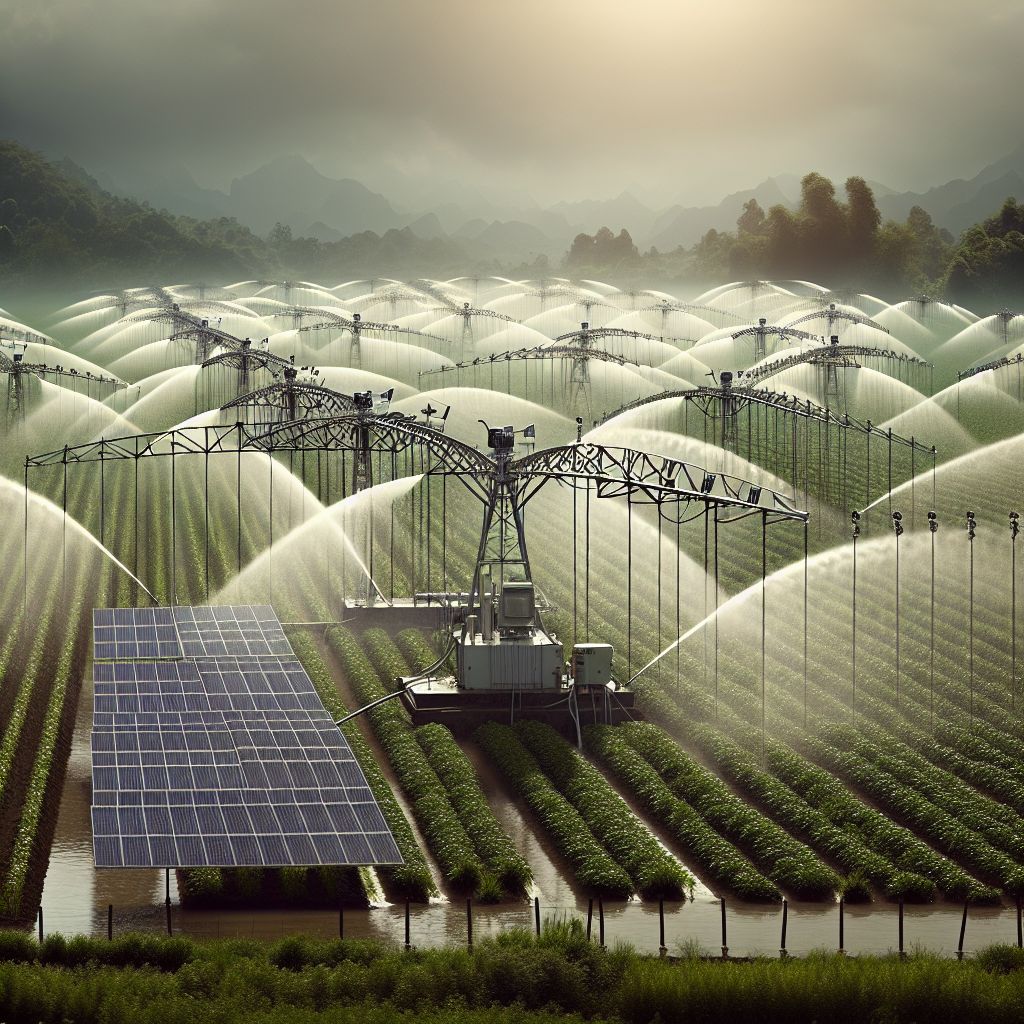
Rain gun systems, when powered by solar energy, offer an efficient and sustainable solution for large-scale irrigation. These systems use high-pressure water jets to spray water over large areas, mimicking natural rainfall. By integrating solar power, farmers can reduce their reliance on traditional power sources and promote environmentally friendly farming practices.
Rain gun systems are particularly effective in areas with irregular rainfall patterns, as they provide a consistent and reliable water supply to crops. The use of solar energy ensures that these systems can operate independently of the electrical grid, reducing energy costs and promoting sustainability.
How Rain Gun Systems Benefit from Solar
“Integrating solar power with sprinkler irrigation systems offers a sustainable and cost-effective solution for modern farming. Solar panels provide the necessary energy to operate the pumps, reducing reliance on traditional energy sources.”
By using solar energy to power rain gun systems, farmers can achieve several benefits:
- Reduced energy costs due to reliance on renewable solar power.
- Consistent and reliable water supply, even in remote areas.
- Environmentally friendly, reducing carbon emissions and promoting sustainable farming practices.
- Independence from the electrical grid, ensuring uninterrupted operation.
Most importantly, the integration of solar power with rain gun systems promotes sustainable farming practices by reducing the farm’s overall carbon footprint and ensuring efficient water usage. This aligns with global efforts to combat climate change and ensures that farmers can continue to produce high-quality crops while preserving the environment.
Solar Panel Setup and Requirements
Setting up solar panels for rain gun systems involves several key considerations to ensure efficiency and effectiveness. The first step is selecting the right location for the solar panels. It’s crucial to choose a spot with maximum sun exposure throughout the day, free from obstructions like trees or buildings. This ensures that the panels can generate sufficient energy to power the irrigation system. For more insights, explore the benefits of solar-powered irrigation systems.
Next, you need to install the solar panels themselves. This involves mounting them on a sturdy frame and connecting them to an inverter, which converts the solar energy into usable electricity. The inverter is then linked to the rain gun system, enabling it to operate using the power generated by the solar panels.
After installation, it’s essential to test the system to ensure everything is functioning correctly. Check the connections, monitor the energy output, and adjust the panel angles if necessary to maximize efficiency. Regular maintenance, such as cleaning the panels and inspecting the connections, will help maintain optimal performance.
Long-Term Impact on Water Conservation
The long-term impact of using solar-powered rain gun systems on water conservation is significant. These systems are designed to deliver water efficiently, minimizing wastage and promoting sustainable water usage. By using solar energy to power the system, farmers can reduce their reliance on traditional power sources and ensure a consistent and reliable water supply to crops.
Furthermore, the integration of solar power with rain gun systems promotes sustainable farming practices by reducing the farm’s overall carbon footprint and ensuring efficient water usage. This aligns with global efforts to combat climate change and ensures that farmers can continue to produce high-quality crops while preserving the environment.

“Solar-Powered Traveling Gun Irrigation …” from growingsolarmist.com and used with no modifications.
Self-Propelled Gun Irrigation and Solar Potential
Self-propelled gun irrigation systems, when powered by solar energy, offer an efficient and sustainable solution for large-scale farming operations. These systems use high-pressure water jets to spray water over large areas, mimicking natural rainfall. By integrating solar power, farmers can reduce their reliance on traditional power sources and promote environmentally friendly farming practices.
Self-propelled gun systems are particularly effective in areas with irregular rainfall patterns, as they provide a consistent and reliable water supply to crops. The use of solar energy ensures that these systems can operate independently of the electrical grid, reducing energy costs and promoting sustainability.
By using solar energy to power self-propelled gun systems, farmers can achieve several benefits:
- Reduced energy costs due to reliance on renewable solar power.
- Consistent and reliable water supply, even in remote areas.
- Environmentally friendly, reducing carbon emissions and promoting sustainable farming practices.
- Independence from the electrical grid, ensuring uninterrupted operation.
Operation of Self-Propelled Systems
“Self-propelled gun irrigation systems offer a dynamic solution for farmers looking to maximize water distribution across large fields. These systems are designed to move automatically, covering extensive areas without manual intervention.”
Self-propelled systems operate by using high-pressure water jets to propel themselves across the field. This method ensures even water distribution and mimics natural rainfall, promoting uniform crop growth. The system’s mobility allows it to adapt to different field shapes and sizes, making it an ideal choice for diverse farming operations.
By integrating solar power, these systems gain an additional layer of efficiency. Solar panels provide a renewable energy source, reducing the need for external power supplies and lowering operational costs. This combination allows farmers to irrigate their crops sustainably, even in remote areas with limited access to the electrical grid.
Moreover, self-propelled systems can be programmed to operate at specific times, optimizing water usage and minimizing wastage. This precision ensures that crops receive the necessary water for optimal growth, enhancing overall productivity.
Combining Self-Propelled Systems with Solar
Combining self-propelled irrigation systems with solar power is a game-changer for modern agriculture. Solar panels offer a consistent energy supply, enabling these systems to operate efficiently without relying on traditional power sources. This independence from the grid is particularly beneficial in remote areas where electricity access is limited.
The integration process involves installing solar panels to power the system’s motor and water pump. By harnessing the sun’s energy, farmers can significantly reduce their energy costs and carbon footprint. Additionally, solar-powered systems require minimal maintenance, ensuring long-term reliability and performance.
Considerations for Large Scale Operations
When implementing self-propelled systems on a large scale, there are several factors to consider. Firstly, the size and capacity of the solar panels must match the system’s energy requirements. It’s essential to choose panels that can generate sufficient power to support the irrigation system’s operation throughout the day.
Secondly, regular maintenance is crucial to ensure the system’s longevity. This includes cleaning the solar panels to maximize energy absorption and inspecting the irrigation components for wear and tear. By maintaining the system, farmers can ensure consistent performance and avoid costly repairs.
“Right Solar Panels for Farmers: Key …” from growingsolarmist.com and used with no modifications.
Solar Panels a Farmer can Use with a Sprinkler Irrigation System
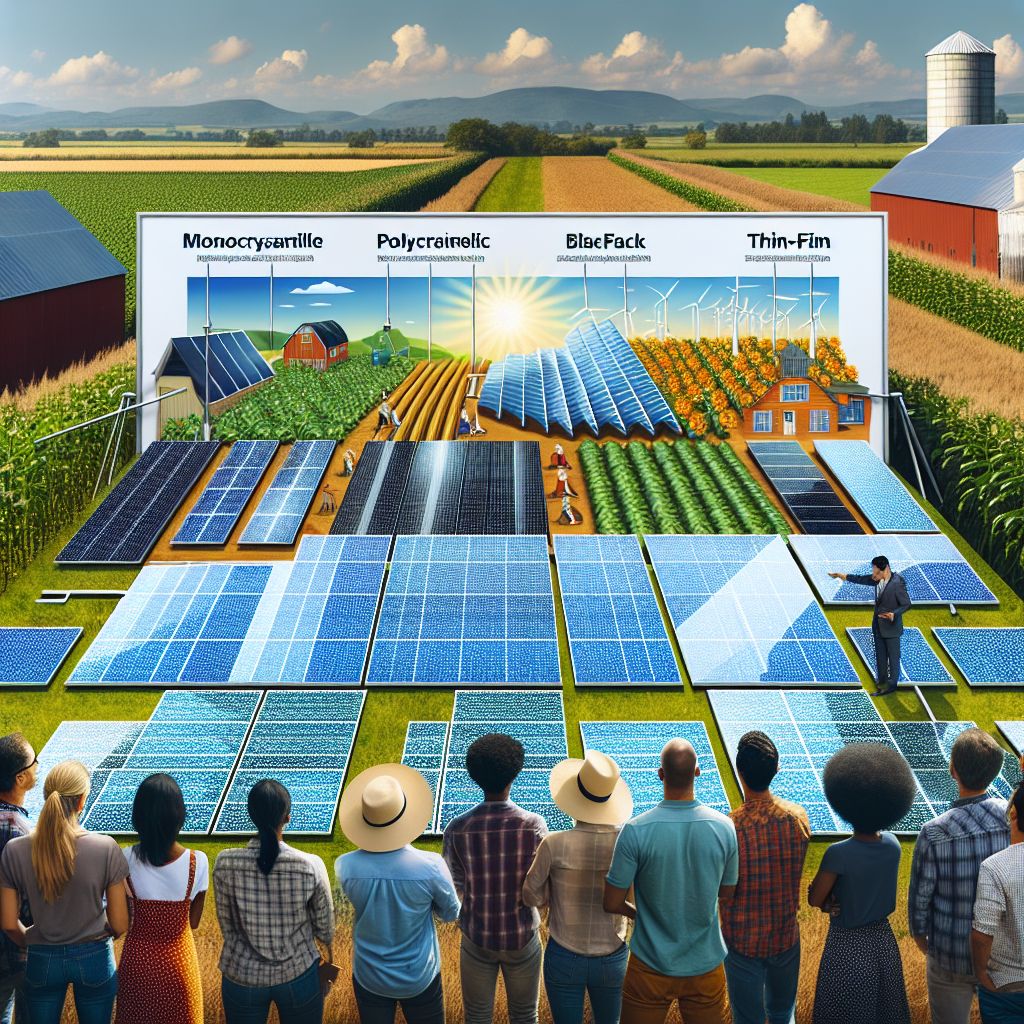
Choosing the right type of solar panels is critical for maximizing the efficiency of a sprinkler irrigation system. Different types of panels offer various benefits, making it essential to select the one that best suits your farm’s needs.
Monocrystalline Solar Panels: High Efficiency in Limited Spaces
Monocrystalline solar panels are known for their high efficiency and durability. They are made from a single crystal structure, allowing them to convert sunlight into electricity more effectively than other types. This makes them an excellent choice for farms with limited space, as they can generate more power per square foot. For more on how solar power increases farmer independence, explore our detailed article.
While monocrystalline panels tend to be more expensive, their efficiency and longevity make them a worthwhile investment. They are particularly beneficial in areas with high solar exposure, as they can maximize energy production and reduce reliance on traditional power sources.
Polycrystalline Solar Panels: Cost-Effective Energy Solution
Polycrystalline solar panels are a cost-effective alternative to monocrystalline panels. Made from multiple crystal structures, they are generally less efficient but more affordable. This makes them an attractive option for farmers looking to balance cost and performance, especially when considering the impact on crop yield and quality.
These panels are ideal for larger farms with ample space, as their lower efficiency requires more surface area to generate the same amount of power. However, their affordability makes them a popular choice for many agricultural operations.
Thin-Film Solar Panels: Flexibility and Versatility
Thin-film solar panels offer flexibility and versatility, making them suitable for various applications. They are lightweight and can be installed on different surfaces, including curved or irregular areas. This adaptability makes them a practical choice for farms with unique landscapes or structures.
While thin-film panels are generally less efficient than crystalline panels, their low cost and ease of installation make them an appealing option for farmers looking to integrate solar power into their irrigation systems. Additionally, their flexibility allows for innovative applications, such as portable solar arrays or greenhouse installations.
Passivated Emitter and Rear Cell (PERC) Panels: Absorbed the Sunlight from Both Sides
PERC panels are an advanced version of monocrystalline panels. They feature an additional layer on the back that reflects sunlight back into the panel, increasing efficiency. This technology is particularly useful for farms aiming to maximize energy output from a limited space.
Choosing the right type of solar panel for your farm is crucial. Consider the specific needs of your operations, the available space, and your budget. Consulting with a solar energy expert can help you make an informed decision. For more information on how solar panels can increase the efficiency of your farm, visit this guide.
|
Type of Solar Panel |
Advantages |
Disadvantages |
|---|---|---|
|
Monocrystalline Solar Panels | ||
|
– Performance drops slightly in extreme heat. 1 | ||
|
– Performs well in low-light conditions (cloudy days, mornings). 1, 2 | ||
|
Polycrystalline Solar Panels |
– Cost-effective option, suitable for large-scale installations. 1, 3 |
– Lower efficiency (13-17%) compared to monocrystalline panels. 1, 3 |
|
– Durable and handles heat well. 3 |
– Requires more space for the same energy output as monocrystalline panels. 3 | |
|
– Affordable initial investment, often offset by government incentives. 3 | ||
|
Thin-Film Solar Panels |
– Lightweight, flexible, and easy to install on unconventional surfaces (e.g., curved roofs)1, 5, 7 |
– Lowest efficiency (10-13%) among the options, requiring more space for equivalent output.5, 7 |
|
– Performs well in high temperatures and low-light conditions, ideal for diverse climates. 5, 7 |
– Shorter lifespan (10-20 years) compared to crystalline panels. 5, 7 | |
|
– Cost-effective with lower production and installation costs. 5, 7 |
– Bulkier installations needed for larger-scale energy production.5 | |
|
PERC Solar Panels |
– Enhanced efficiency (Up to 22% or higher) due to passivation layer, capturing more sunlight. 4 |
– Higher cost than traditional Monocrystalline panels, but prices are becoming comparable. 4 |
|
– Performs well in low-light and high-temperature conditions, ideal for varied climates. 2, 4 |
– Technology may be less familiar, requiring specialized installation expertise. 4 | |
|
– Maximizes energy output in limited space, suitable for farms with restricted installation areas. 4 |
This table provides a comparison of solar panel options for farmers, highlighting their suitability based on efficiency, cost, durability, and space requirements. Farmers should consider their specific energy needs, budget, and available installation area when making a decision.
Conclusion
Integrating solar panels with sprinkler irrigation systems presents a sustainable and cost-effective solution for modern agriculture. By harnessing the power of the sun, farmers can reduce energy costs, promote environmental conservation, and enhance their irrigation practices. Whether through self-propelled systems, drip irrigation, or surface irrigation, solar power offers a reliable and renewable energy source that aligns with global efforts to combat climate change.
Is it a Good Investment for a Farmer to Combine a Sprinkler Irrigation System with Solar Panels?
Investing in a solar-powered sprinkler irrigation system is a smart decision for farmers committed to sustainability and cost savings. While the initial investment may be high, the long-term benefits, including reduced energy costs, increased efficiency, and environmental conservation, make it a worthwhile endeavor. Additionally, government incentives and subsidies can further offset the initial costs, making solar integration accessible to more farmers.
FAQs
Integrating solar power with irrigation systems raises several questions. Here are some common inquiries and their answers:
Can solar panels power any type of irrigation system?
Yes, solar panels can power various types of irrigation systems, including sprinkler, drip, and surface irrigation. The key is to select the right size and type of solar panels to match the system’s energy requirements.
What factors affect the efficiency of solar-powered irrigation systems?
Several factors influence the efficiency of solar-powered irrigation systems, including the type of solar panels, the system’s design, and the availability of sunlight. Regular maintenance, such as cleaning the panels and inspecting the system, also plays a crucial role in maintaining efficiency.
Additionally, the geographic location and climate can impact the system’s performance. Areas with high solar exposure and consistent sunlight are ideal for maximizing energy production.
How do weather conditions impact solar irrigation systems?
Weather conditions can significantly affect solar irrigation systems. Overcast skies, rain, and snow can reduce the amount of sunlight reaching the panels, impacting energy production. However, modern solar panels are designed to work efficiently even in low-light conditions.
It’s essential to consider local weather patterns when planning a solar-powered irrigation system. Installing a battery backup can help store excess energy for use during cloudy days or nighttime operations.
Regular monitoring and maintenance can also help mitigate the impact of adverse weather conditions on the system’s performance.
What maintenance is required for solar irrigation setups?
Regular maintenance is crucial for ensuring the longevity and efficiency of solar irrigation setups. This includes cleaning the solar panels to remove dust and debris, inspecting the system’s components for wear and tear, and monitoring energy output to detect any issues.
Additionally, farmers should conduct routine checks of the irrigation system to ensure proper water distribution and address any leaks or blockages. By investing in regular maintenance, farmers can maximize their system’s performance and avoid costly repairs.
Are government incentives available for solar irrigation systems?
Yes, many governments offer incentives and subsidies to encourage the adoption of solar irrigation systems. These incentives can significantly reduce the initial investment cost, making solar integration more accessible to farmers.
It’s essential to research local and national programs to determine eligibility and take advantage of available incentives. Additionally, consulting with solar installation professionals can provide valuable insights into potential savings and funding opportunities.
By leveraging government incentives, farmers can make the transition to solar-powered irrigation systems more financially feasible and sustainable.







Leave a Reply