
Key Takeaways
- Solar drip irrigation systems deliver water directly to plant roots with up to 90% efficiency, making them ideal for water conservation in drought-prone regions.
- Micro-sprinkler systems cover larger areas and are better suited for orchards and wide-spaced crops, though they have higher water loss through evaporation.
- Installation complexity differs significantly – drip systems require careful planning but micro-sprinklers are generally easier to maintain and less prone to clogging.
- The initial investment for solar drip systems tends to be higher, but they typically offer better long-term water savings and ROI for appropriate crops.
- Growing Solar Mist provides comprehensive solutions for both irrigation systems, helping farmers select the best option based on their specific agricultural needs.
The Critical Differences Between Solar Drip and Solar Micro-Sprinkler Systems
Choosing between solar drip and micro-sprinkler irrigation systems can dramatically impact your agricultural success. Both systems harness solar energy to power water distribution, but they operate on fundamentally different principles that affect everything from water efficiency to crop suitability. Growing Solar Mist has found that understanding these key differences is essential for making an informed decision that will benefit both your crops and your bottom line.
The most fundamental distinction lies in how water reaches your plants. Drip irrigation delivers water directly to the root zone through emitters, minimizing evaporation and ensuring precise application. Micro-sprinklers, conversely, spray water in a wider pattern that covers more ground but sacrifices some efficiency. This distinction creates cascading effects on system complexity, maintenance requirements, and overall costs that we’ll explore throughout this article.
Climate conditions and crop types should heavily influence your selection process. Drip systems excel in arid regions where water conservation is paramount, while micro-sprinklers often perform better in orchards or with crops that benefit from overhead watering. The decision isn’t simply about technology preference—it’s about matching irrigation methodology to your specific agricultural context.

“Solar-powered Drip Irrigation Modeling …” from www.carolynsheline.com and used with no modifications.
How a Solar Drip Irrigation Works
Solar drip irrigation represents a marriage of precision water delivery and renewable energy. At its core, this system uses solar panels to generate electricity that powers a pump, which then pushes water through a network of pipes and ultimately through small emitters positioned at each plant. This targeted approach ensures water reaches exactly where it’s needed—the root zone—with minimal waste.
Water Delivery Method: Direct to Root Zone
The defining characteristic of drip irrigation is its precise water delivery directly to plant roots. Water slowly seeps from emitters at rates typically between 1-4 gallons per hour, allowing for deep soil penetration rather than surface runoff. This methodology creates a consistent moisture level in the root zone, reducing stress on plants while significantly cutting water consumption. By avoiding leaf wetness, drip systems also help minimize fungal diseases that thrive in moist foliage conditions.
Components of a Solar Drip System
A complete solar drip irrigation system consists of several critical components working in harmony. The solar array—typically consisting of photovoltaic panels rated between 100W to 300W depending on system size—converts sunlight to electricity. This power runs through a charge controller to a battery bank that ensures operation during cloudy periods or at night if programmed for those times.
From the power source, water moves through a pump (often submersible or surface-mounted), then through a filtration system that prevents clogging in the small-diameter emitters. The mainline carries water to distribution lines, which connect to drip tapes or tubes with precisely spaced emitters. Most systems also incorporate pressure regulators, backflow preventers, and automatic timers to ensure consistent, efficient operation without constant monitoring.
Advanced systems may include soil moisture sensors that trigger irrigation only when soil conditions warrant, further reducing water usage and preventing both under and over-watering scenarios. These components work together to create a highly efficient system that maximizes the benefits of both solar power and precision irrigation.
Typical Water Efficiency Rates (Up to 90%)
The most compelling advantage of solar drip irrigation is its remarkable water efficiency—reaching up to 90% in well-designed systems. This extraordinary conservation rate stems from delivering water directly to the root zone, dramatically reducing losses from evaporation, runoff, and wind drift that plague traditional irrigation methods. For perspective, conventional flood irrigation typically achieves only 40-50% efficiency, while even sprinkler systems rarely exceed 75%.
This efficiency translates to tangible water savings—often 30-50% compared to sprinkler systems and up to 70% compared to flood irrigation. For a typical one-acre vegetable farm, this could mean saving hundreds of thousands of gallons annually. Beyond conservation, this precision also reduces weed growth between plant rows and minimizes nutrient leaching from the soil, creating additional operational benefits that extend beyond water savings alone. Learn more about the differences between solar drip irrigation and solar micro-sprinkler systems.
How a Solar Micro-Sprinkler Systems Function
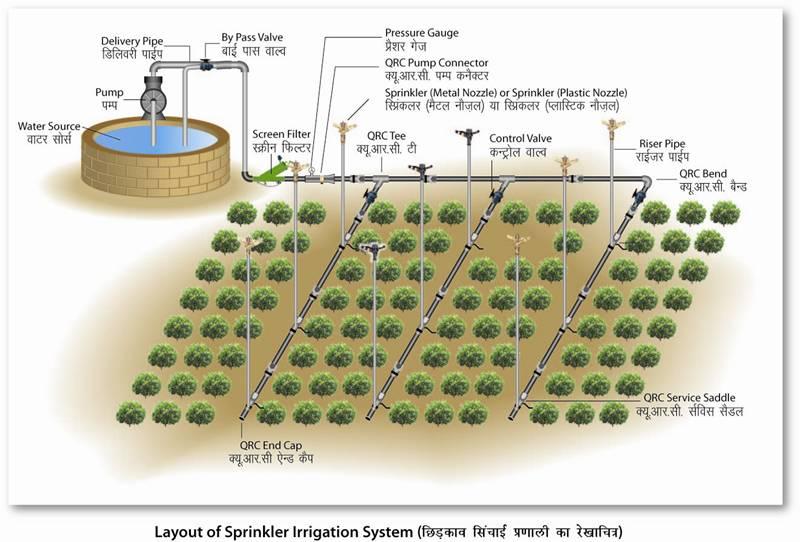
Solar micro-sprinkler systems operate on a fundamentally different principle than drip irrigation. Rather than delivering water directly to the root zone, these systems distribute water through small sprinkler heads that create a fine mist or spray pattern. The solar component powers the pump that creates the necessary water pressure to operate these sprinklers effectively throughout your growing area.
Spray Pattern and Coverage Area
Micro-sprinklers project water in circular or semi-circular patterns, typically covering diameters of 3-25 feet depending on the model and pressure settings. This broader coverage makes them particularly well-suited for orchards, vineyards, and landscapes with wider spacing between plants. The spray pattern creates a gentle rain-like effect that mimics natural precipitation while covering substantially more ground than individual drip emitters.
Unlike conventional overhead sprinklers, micro-sprinklers operate closer to the ground—usually 12-36 inches high—which helps reduce evaporation and wind drift. Many models offer adjustable spray patterns, allowing farmers to customize the distribution based on specific crop arrangements or seasonal needs. This flexibility represents one of the system’s key advantages over more fixed irrigation methods.
Key System Components
A complete solar micro-sprinkler system shares many components with drip systems but differs in its distribution mechanism. The solar array typically requires similar wattage (100-300W depending on area size), connecting to batteries through a charge controller just as in drip systems. The water source connects to a pump, then through primary filtration—though micro-sprinklers can tolerate larger particles than drip emitters, making filtration less critical.
From the main line, water flows through lateral lines to risers or stakes that position the micro-sprinkler heads at the appropriate height. Each sprinkler head contains internal mechanisms that break the water stream into fine droplets and create the desired spray pattern. Many systems incorporate pressure regulators and timers to ensure consistent operation and scheduling. The larger water pathways throughout the system make micro-sprinklers less susceptible to clogging than drip systems, which represents a significant maintenance advantage. For more information on these systems, you can explore the differences between solar micro-sprinkler and drip irrigation systems.
Water Distribution Characteristics
Micro-sprinklers create a diffused water distribution pattern that moistens both the soil surface and plant foliage. This broader coverage simulates rainfall and creates a more humid microclimate around plants, which can be beneficial for certain crops. The water application rate typically ranges from 5-25 gallons per hour per sprinkler—significantly higher than individual drip emitters but distributed across a much larger area. To understand the components of these systems better, you can explore the solar irrigation system components.
This distribution method affects several aspects of plant growth and system management. The surface wetting promotes shallow root development rather than the deeper root systems encouraged by drip irrigation. It also increases humidity around plants, which can reduce transpiration stress during hot periods but potentially increase disease pressure in susceptible crops. For crops that benefit from foliar absorption of certain nutrients, this overhead application can actually enhance nutrient uptake when combined with appropriate fertigation practices.
Water Efficiency Comparison
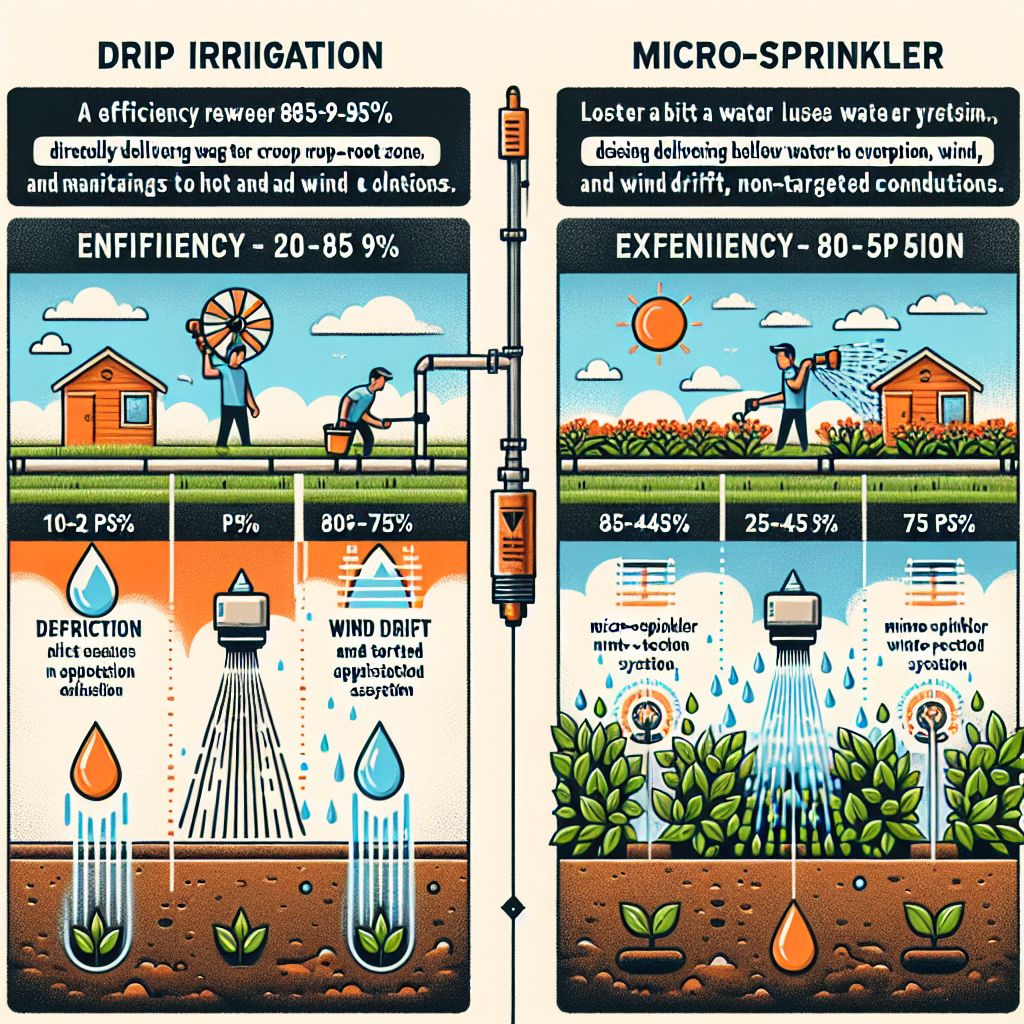
The efficiency difference between these irrigation systems represents one of the most critical factors in selection. Drip irrigation systems typically achieve 85-95% efficiency, meaning nearly all water delivered reaches the intended crop root zone. Micro-sprinkler systems, while still considered efficient, generally operate at 80-85% efficiency due to inevitable losses from evaporation, wind drift, and non-targeted application.
This efficiency gap widens further in challenging conditions. In hot, windy environments, micro-sprinkler efficiency can drop below 75% while drip systems maintain their high performance. Over the course of a growing season, this difference can translate to substantial water volume—potentially thousands of gallons per acre. For water-scarce regions or operations with limited water rights, this efficiency factor often becomes the decisive consideration.
Evaporation and Runoff Differences
Evaporation losses represent the primary efficiency difference between these systems. Micro-sprinklers distribute water through the air in small droplets, creating significant evaporation potential before water reaches the soil—particularly in hot, dry, or windy conditions. By contrast, drip irrigation delivers water directly to soil level, virtually eliminating in-air evaporation and reducing surface evaporation by maintaining a smaller wetted soil area.
Water Pressure Requirements
Drip irrigation systems operate effectively at relatively low pressures, typically 10-25 PSI (pounds per square inch). This low pressure requirement translates to less energy needed for pumping, smaller solar arrays, and reduced system wear over time. The gentle delivery also minimizes soil compaction and erosion around plants. For more information on the different solar irrigation system components, you can explore further resources.
Micro-sprinklers demand higher operating pressures—usually 25-45 PSI—to achieve proper spray patterns and coverage. This increased pressure requirement affects several aspects of system design, including pump specifications, pipe diameter calculations, and solar power capacity. The higher pressure also creates more stress on system components, potentially affecting long-term maintenance needs and system lifespan.
Impact on Water Bills
For operations with metered water, the efficiency differences translate directly to cost savings. A typical one-acre vegetable farm might use 500,000-800,000 gallons annually with drip irrigation versus 650,000-1,000,000 gallons with micro-sprinklers—potentially saving 20-30% on water bills. This saving increases proportionally with operation size and in regions with higher water costs, making drip irrigation particularly attractive in water-scarce areas where usage fees are typically higher.
Installation Complexity and Maintenance
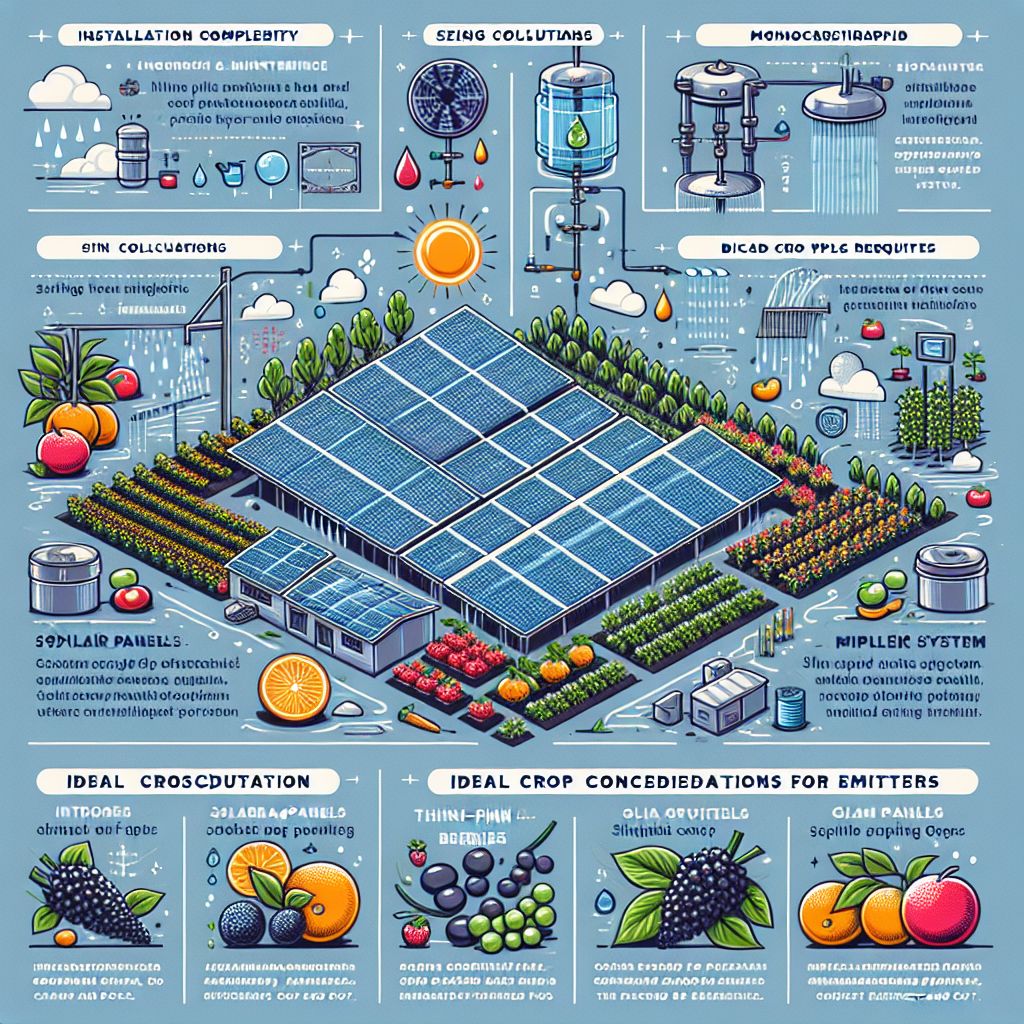
The installation and maintenance requirements differ substantially between these systems, affecting both initial setup costs and long-term operational considerations. Drip systems typically require more extensive planning and precise installation but may offer simpler long-term operation in clean water conditions. Micro-sprinklers generally install more quickly but demand different maintenance attention, particularly regarding sprinkler head positioning and cleaning.
Before Installing the Irrigation System, You Have to Decide Which Solar Panel to Use
Solar panel selection represents a critical early decision that impacts overall system performance. For both irrigation types, monocrystalline panels typically offer the highest efficiency (17-22%) but at premium prices. Polycrystalline panels provide a middle-ground option with 13-17% efficiency and more moderate pricing. For larger installations where space isn’t limited, thin-film panels offer the lowest cost per watt despite lower efficiency (10-13%). PERC (Passivated Emitter and Rear Cell) panels are a newer technology that enhances the efficiency of traditional monocrystalline and polycrystalline panels by adding a layer that reflects unused sunlight back into the cell. This innovation can significantly boost energy output, especially in low-light conditions.
The sizing calculation differs slightly between systems due to their different pressure requirements. A typical drip system might require 100-150 watts of solar capacity per acre of vegetables, while micro-sprinklers often need 150-200 watts per acre to generate sufficient pressure. Always factor in a 20-30% capacity buffer when designing systems to account for panel degradation over time and suboptimal sunlight conditions. Solar-powered irrigation systems can help calculate the exact panel requirements for your specific field size and crop water needs.
Choosing the right type of solar panel for your system is crucial. Consider the specific needs of your operations, the available space, and your budget. This below table will help you choose the right one:
|
Type of Solar Panel |
Advantages |
Disadvantages |
|---|---|---|
|
Monocrystalline Solar Panels | ||
|
– Performance drops slightly in extreme heat. 1 | ||
|
– Performs well in low-light conditions (cloudy days, mornings). 1, 2 | ||
|
Polycrystalline Solar Panels |
– Cost-effective option, suitable for large-scale installations. 1, 3 |
– Lower efficiency (13-17%) compared to monocrystalline panels. 1, 3 |
|
– Durable and handles heat well. 3 |
– Requires more space for the same energy output as monocrystalline panels. 3 | |
|
– Affordable initial investment, often offset by government incentives. 3 | ||
|
Thin-Film Solar Panels |
– Lightweight, flexible, and easy to install on unconventional surfaces (e.g., curved roofs)1, 5, 7 | – Lowest efficiency (10-13%) among the options, requiring more space for equivalent output. 5, 7 |
|
– Performs well in high temperatures and low-light conditions, ideal for diverse climates. 5, 7 |
– Shorter lifespan (10-20 years) compared to crystalline panels. 5, 7 | |
|
– Cost-effective with lower production and installation costs. 5, 7 | – Bulkier installations needed for larger-scale energy production. 5 | |
|
PERC Solar Panels |
– Enhanced efficiency (Up to 22% or higher) due to passivation layer, capturing more sunlight. 4 |
– Higher cost than traditional Monocrystalline panels, but prices are becoming comparable. 4 |
|
– Performs well in low-light and high-temperature conditions, ideal for varied climates. 2, 4 |
– Technology may be less familiar, requiring specialized installation expertise. 4 | |
|
– Maximizes energy output in limited space, suitable for farms with restricted installation areas. 4 |
This table provides a comparison of solar panel options for farmers, highlighting their suitability based on efficiency, cost, durability, and space requirements. Farmers should consider their specific energy needs, budget, and available installation area when making a decision.
Ideal Crops for Micro-Sprinklers
Micro-sprinkler systems excel with orchards, vineyards, and tree crops where wider root zones benefit from broader water distribution. Citrus, apples, peaches, olives, and avocados thrive under micro-sprinkler irrigation as their extensive root systems can effectively utilize the wider moisture pattern. These systems also work well for berries, grapes, and other crops with moderate spacing where the humidity created by the spray benefits fruit development. Ornamental nurseries often prefer micro-sprinklers for their ability to create ideal growing conditions across varied plant species with different water needs.
Spacing Considerations
Proper spacing determines irrigation effectiveness regardless of system type. Drip systems require precise emitter placement—typically one or two emitters per plant depending on size and water needs, with spacing intervals of 12-24 inches for row crops. Micro-sprinklers generally cover 8-25 feet in diameter, requiring strategic placement to ensure overlap that prevents dry spots while avoiding excessive overwatering in double-coverage areas. This balance becomes particularly important in irregularly shaped fields or with mixed plantings where water needs vary throughout the space. For more information on how solar technology can enhance irrigation, explore solar-powered irrigation systems.
Cost Analysis: Initial vs. Long-Term
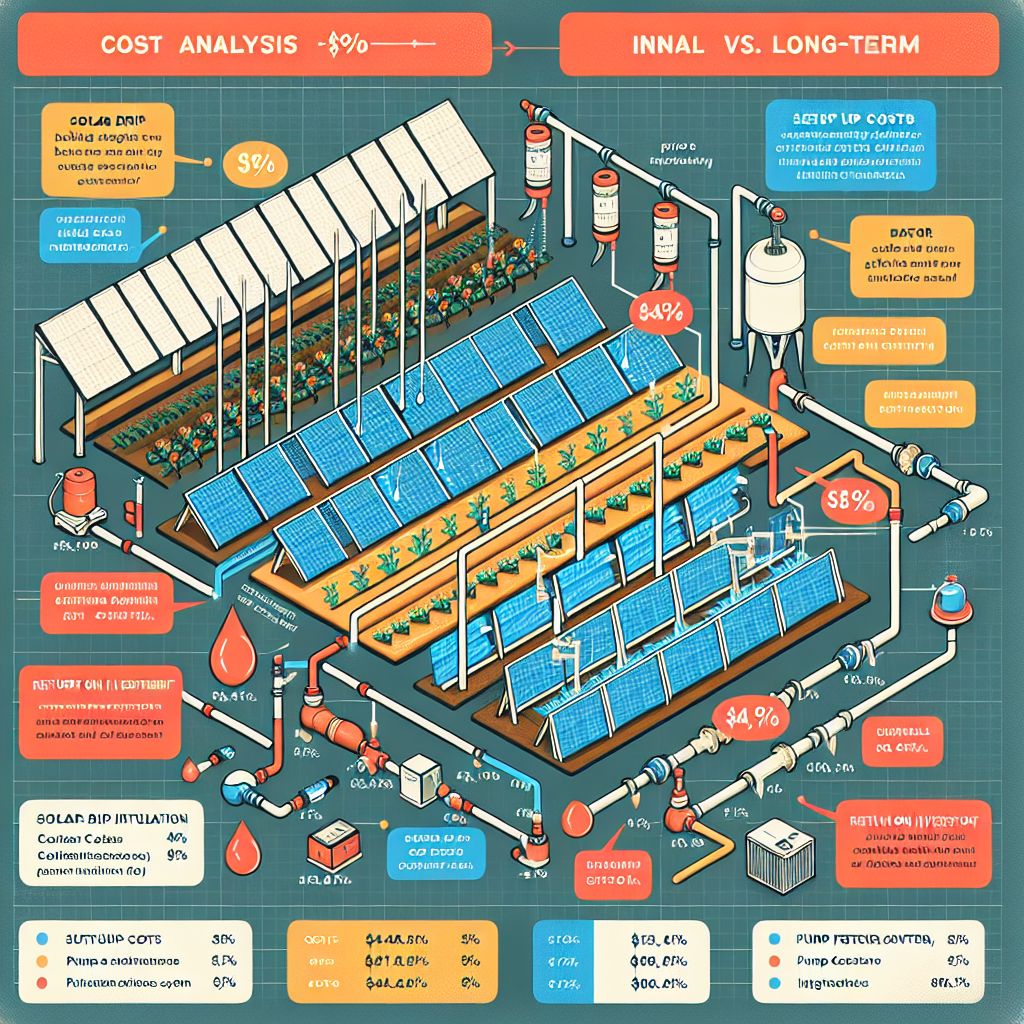
The financial comparison between solar drip and micro-sprinkler systems extends beyond mere equipment prices to include installation complexity, operational expenses, and system longevity. Initial investment typically favors micro-sprinklers for smaller installations, while long-term economics often tilt toward drip systems due to their superior water efficiency. When calculating total cost of ownership, consider both direct expenses like equipment and labor as well as indirect benefits like reduced fertilizer leaching and decreased disease pressure, which can significantly impact crop yields and quality over time.
Setup Costs Breakdown
Initial installation costs for solar-powered irrigation systems include several components beyond just the distribution hardware. For a one-acre installation, solar panels typically represent 30-40% of system cost ($800-$1,500), with batteries and controllers adding another 20-25% ($600-$1,000). The pump and filtration system generally account for 15-20% ($500-$800), while the actual irrigation components constitute the remaining 20-30%. Drip systems typically cost $1,200-$2,000 per acre for components, while micro-sprinkler systems range from $800-$1,600 per acre—though these figures can vary significantly based on spacing, water quality, and automation requirements.
Operational Expenses Over Time
The operational cost difference between these systems becomes apparent over time through multiple factors. Drip systems consume 20-30% less water than micro-sprinklers, creating substantial savings in regions with water costs. However, drip systems typically require more frequent filter cleaning and emitter maintenance, especially with poor water quality. Micro-sprinklers generate fewer clogging issues but may need more frequent replacement of moving parts and sprinkler heads damaged by environmental factors or field operations. The solar components generally require minimal maintenance for both systems—typically just panel cleaning and battery maintenance—with replacement needs emerging only after 5-10 years of operation.
Return on Investment Timeline
ROI calculations should consider both direct savings and productivity enhancements. Most solar irrigation systems reach payback within 3-7 years depending on prior irrigation methods, local electricity costs, and available incentives. Drip systems typically achieve faster ROI in water-scarce regions where conservation directly impacts profitability, while micro-sprinklers may show better returns for crops that respond positively to their specific distribution pattern. For mid-sized operations converting from diesel pumping, fuel savings alone can recover installation costs within 4-5 years. Additionally, many regions offer agricultural sustainability grants or tax incentives that can significantly accelerate ROI timelines when properly leveraged.
Climate Adaptability Factors
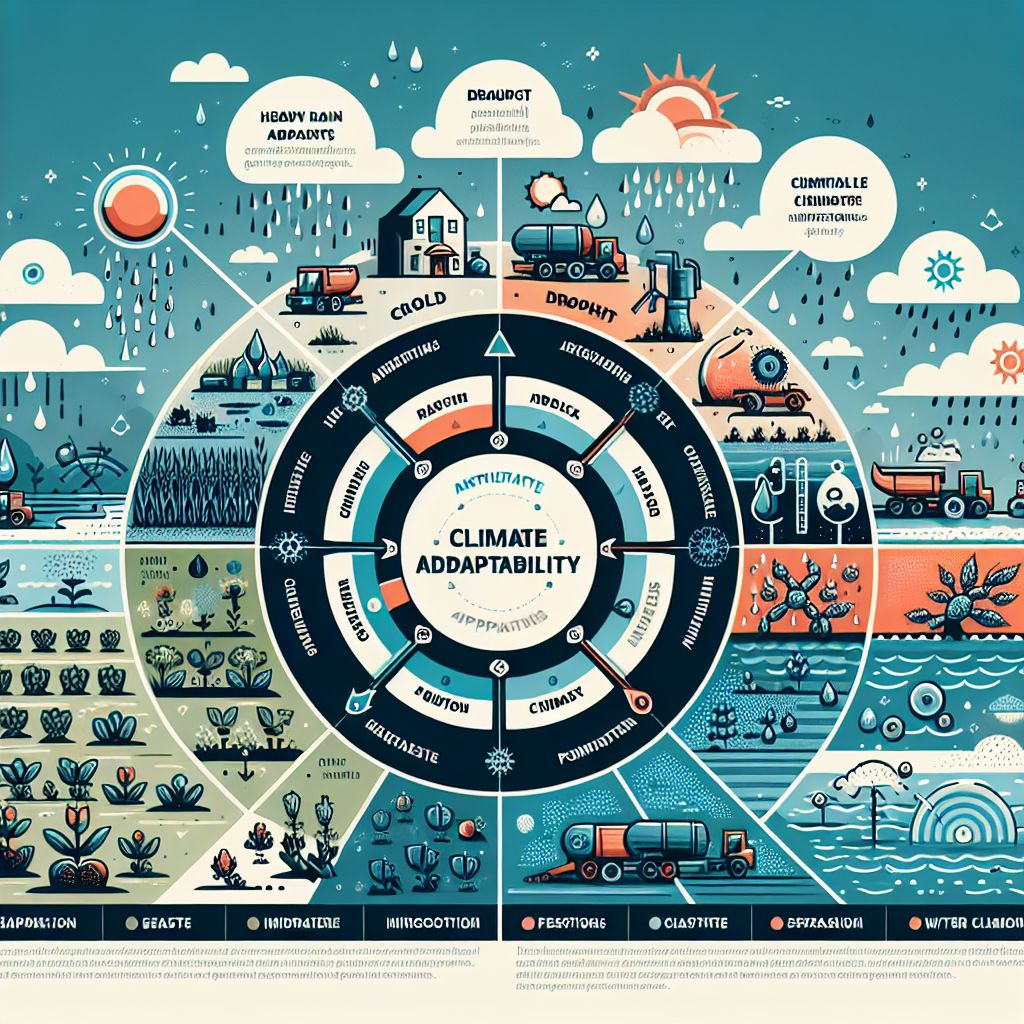
Climate conditions profoundly influence irrigation system performance and should be a primary consideration in system selection. Different regions present unique challenges that may favor one system over another regardless of crop type or field configuration.
Seasonal variations also impact system effectiveness, with performance differences often magnified during extreme weather events. Understanding how each system responds to your specific climate profile can prevent costly mistakes and ensure optimal crop production throughout the growing season.
Performance in Hot, Dry Climates
In hot, arid conditions, drip irrigation demonstrates superior performance by delivering water directly to the soil, minimizing evaporation losses that can reach 30-40% with aerial distribution methods. This efficiency becomes particularly valuable during extended heat waves when water conservation becomes critical. The targeted application also reduces surface soil temperature around plants, decreasing heat stress and improving nutrient uptake during high-temperature periods.
Micro-sprinklers face significant challenges in hot, dry environments but offer some compensating benefits. While they experience greater evaporative losses, the resulting cooling effect can benefit certain crops during extreme heat. The humidity created around plants can reduce transpiration stress and help prevent sunscald on sensitive fruits. This cooling benefit must be weighed against increased water consumption, making the decision highly dependent on water availability and specific crop heat sensitivity.
Climate Adaptation Comparison
“In our Central Valley trials comparing identical tomato plots under different irrigation, the drip-irrigated section used 37% less water during the July heat wave while maintaining equivalent yield. However, the adjacent apple orchard showed less heat stress under micro-sprinklers despite higher water usage. This demonstrates how crop-specific responses must guide system selection in extreme climate conditions.” — Agricultural Research Station Report, 2022
For desert agriculture operations, nighttime irrigation scheduling can significantly improve efficiency for both systems but particularly benefits micro-sprinklers by reducing daytime evaporation losses. This strategy requires adequate battery storage for solar systems but can improve water use efficiency by 15-20% compared to daytime operation in extremely hot conditions.
Wind patterns must also factor into planning for hot regions, as even moderate winds can drastically reduce micro-sprinkler efficiency through drift and accelerated evaporation. Wind breaks or alternative sprinkler positioning may be necessary to maintain acceptable performance in consistently windy locations. For a deeper understanding of how these systems work, explore the components and functions of solar irrigation systems.
Cold Weather Considerations
Cold climate challenges differ substantially between these irrigation systems. Drip systems with their small water passages face greater freezing risk, often requiring complete drainage or special winterization procedures in regions experiencing hard freezes. Some growers utilize compressed air blowout techniques to clear lines, while others install self-draining systems with appropriate slope configurations. Micro-sprinklers with larger water passages generally resist freezing more effectively but still require protection in sustained freezing conditions, particularly at connection points and pressure regulators where water flow may be restricted.
Wind Impact on System Effectiveness
Wind effects create one of the starkest performance contrasts between these irrigation methods. Micro-sprinklers experience significant distribution pattern distortion in winds exceeding 10 mph, potentially creating dry zones and overwatered areas as spray patterns shift. In sustained windy conditions, application uniformity can decrease by 30-50%, requiring increased run times to ensure adequate coverage for all plants. Some advanced systems incorporate wind sensors that automatically adjust operation during high-wind periods to compensate for these effects.
Drip irrigation remains virtually unaffected by wind conditions due to its direct soil-level water delivery. This consistency makes drip systems particularly valuable in coastal regions, high plains, or other consistently windy areas where reliable water distribution directly impacts crop uniformity and yield. The wind-resistance benefit alone often justifies drip installation in these regions despite higher initial costs.
For operations in variable wind environments, hybrid systems sometimes provide the best solution, with micro-sprinklers handling wind-protected zones while drip components serve more exposed areas. This customized approach maximizes efficiency across diverse field conditions without committing entirely to either system type.
Choosing the Right System for Your Needs
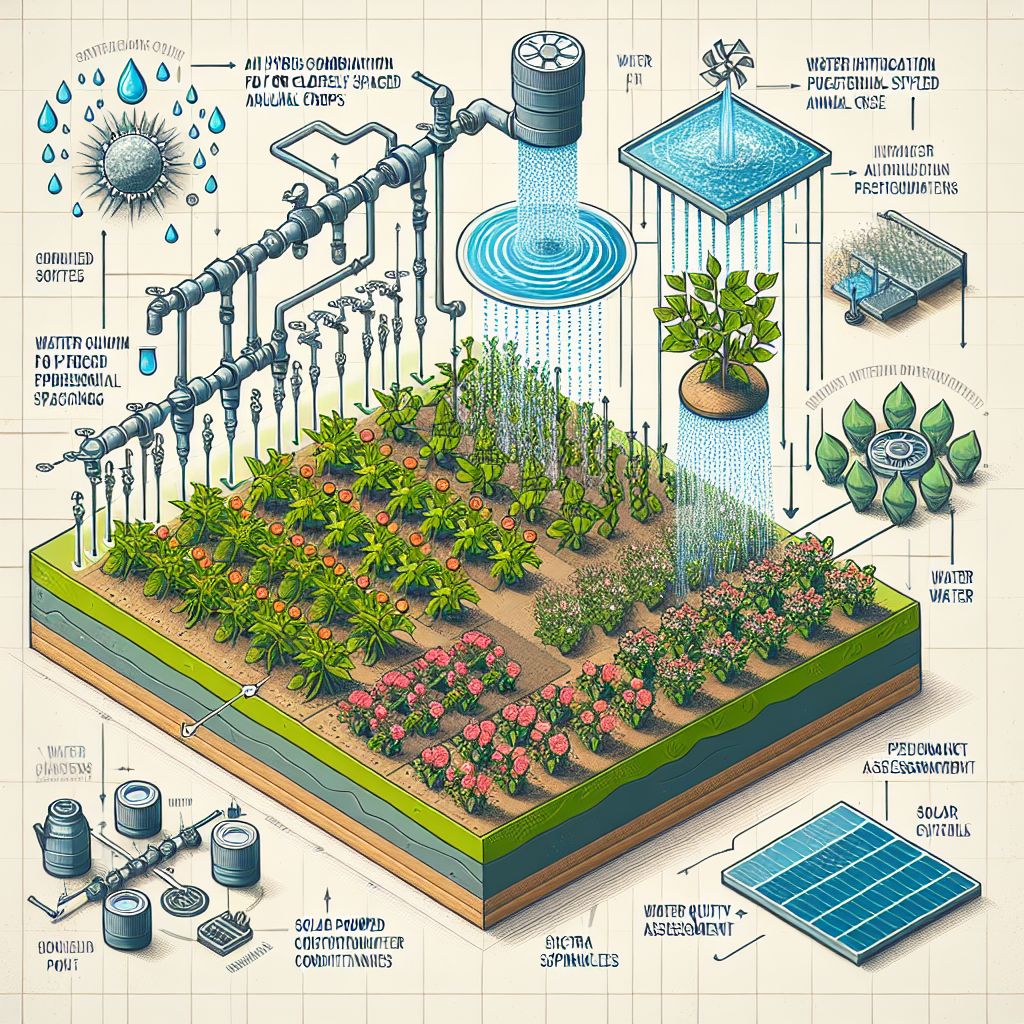
The optimal irrigation system selection emerges from a comprehensive assessment of your specific growing conditions, water resources, and crop requirements. Begin by evaluating your water supply—both quantity and quality—as this fundamentally constrains your options. Poor water quality with high mineral content or biological contaminants generally favors micro-sprinklers due to their reduced clogging susceptibility. Next, analyze your crop spacing patterns and root zone characteristics to determine which distribution method will most effectively deliver water where your plants need it. Finally, consider your maintenance capabilities and long-term operational preferences, as these practical factors often determine system success regardless of theoretical performance advantages. For a deeper understanding of the components involved, explore solar irrigation system components.
Many successful operations implement hybrid approaches, using drip irrigation for closely spaced annual crops while employing micro-sprinklers for perennial plantings with wider spacing. This strategic combination leverages the strengths of each system while minimizing their respective weaknesses. When planning installation, always leave room for system expansion or modification as your operation evolves. The most successful irrigation systems incorporate flexibility that allows adaptation to changing conditions, crop rotations, or scaling operations without requiring complete replacement. For more information on top options and benefits, check out this article on solar-powered irrigation systems.
Frequently Asked Questions (FAQ)
The following questions address common concerns about solar irrigation systems and the key differences between drip and micro-sprinkler configurations. These insights can help clarify specific aspects of system selection, installation, and maintenance that might otherwise create confusion during the decision-making process.
Remember that while general principles apply broadly, specific implementation details should always be customized to your unique agricultural operation and local conditions. Consulting with irrigation specialists familiar with your region can provide valuable insights beyond these general guidelines.
Which system is better for water conservation, drip or micro-sprinkler?
Drip irrigation typically achieves 85-95% water use efficiency compared to 70-85% for micro-sprinklers, making drip systems superior for strict water conservation. This efficiency gap stems from drip irrigation’s direct delivery to the root zone, which virtually eliminates evaporation, runoff, and drift losses. For operations in water-restricted regions or during drought conditions, this efficiency difference can be decisive.
However, water conservation must be balanced against crop-specific needs. Some plants actually perform better with the broader distribution pattern of micro-sprinklers despite their lower technical efficiency. Root vegetables, for instance, develop more uniformly under the wider moisture pattern of micro-sprinklers, potentially justifying the additional water usage through improved crop quality and yield.
The soil type also influences effective water conservation. Sandy soils often perform better with micro-sprinklers’ broader distribution pattern, which prevents the deep percolation losses that can occur with drip systems in highly permeable soils. Conversely, clay soils benefit from drip irrigation’s slow application rate, which allows proper absorption while preventing surface runoff.
How much does a solar-powered irrigation system typically cost?
Complete solar irrigation system costs typically range from $3,000-$7,000 per acre for small to medium installations, with economies of scale reducing per-acre costs for larger operations. This range includes solar panels, pump, controller, batteries, filtration, and distribution components for a complete off-grid system. Drip systems generally fall toward the higher end of this range due to their more extensive component requirements, while micro-sprinkler systems may cost 15-25% less for equivalent coverage area. Factors that significantly impact costs include water source depth, distance from water source to field, water quality (affecting filtration requirements), and desired automation level.
Can I switch from traditional irrigation to solar drip or micro-sprinkler systems myself?
While DIY conversion is possible for small-scale operations with basic technical skills, professional installation is recommended for most commercial applications. The solar electrical components require proper sizing and connection to operate efficiently and safely, while irrigation layout demands precise pressure calculations and component selection to ensure uniform water distribution. If attempting self-installation, start with manufacturer-provided design services or pre-packaged kits specifically sized for your application. These resources typically include detailed instructions and technical support that significantly improve success rates. Regardless of installation method, always check local regulations regarding water usage, backflow prevention, and electrical codes, as compliance requirements vary widely between jurisdictions. For more information on options and benefits, you can explore solar-powered irrigation systems.
Do solar irrigation systems work during cloudy days?
Modern solar irrigation systems incorporate battery storage that enables operation during cloudy periods and nighttime hours. A properly designed system typically includes battery capacity sufficient for 2-3 days of operation without significant solar input, allowing continuous irrigation through brief cloudy periods. This capacity can be extended by implementing smart irrigation scheduling that prioritizes essential watering during low-sunlight periods while deferring optional irrigation until solar conditions improve. For regions with extended cloudy seasons, hybrid systems that include grid backup or generator support provide additional operational security without compromising sustainability benefits during normal conditions.
Even on cloudy days, solar panels continue generating power—typically 10-30% of their rated capacity depending on cloud density. This reduced output can still support limited irrigation when combined with adequate battery storage and efficient pump selection. Advanced solar controllers with maximum power point tracking (MPPT) technology maximize energy harvest even in suboptimal lighting conditions, further improving cloudy-day performance.
How often do drip emitters and micro-sprinkler heads need replacement?
Drip emitters typically require replacement every 3-5 years depending on water quality and filtration effectiveness. Mineral buildup progressively reduces flow uniformity even with regular maintenance, eventually necessitating replacement to maintain irrigation precision. Micro-sprinkler heads generally last 5-7 years before mechanical wear or UV degradation affects performance, though individual heads may need earlier replacement due to physical damage or clogging.
Preventative maintenance significantly extends component lifespan for both systems. Regular filter cleaning, periodic line flushing, and water quality management can double the operational life of irrigation components. For drip systems, annual chemical cleaning with dilute acid solutions effectively removes mineral deposits that cause gradual clogging. Micro-sprinklers benefit from periodic disassembly and cleaning of the sprinkler mechanism, particularly in regions with high mineral content water.
Establishing a systematic replacement schedule rather than waiting for complete failure prevents the crop stress and yield losses that can occur when irrigation components deteriorate gradually. Many growers replace a percentage of components annually as preventative maintenance, creating a rolling replacement cycle that maintains system performance while distributing replacement costs over multiple seasons.
For both system types, keeping a stock of replacement components on hand allows immediate repairs when failures occur, preventing crop damage from irrigation interruptions during critical growth periods. The relatively low cost of these components compared to potential crop losses makes maintaining adequate spare parts inventory a wise investment for any irrigation system. Additionally, adding solar panels to irrigation systems can have a significant impact on crop yield and quality, making it an important consideration for farmers.







Leave a Reply