
Key Takeaways
- Flexible thin-film solar panels offer farmers unique benefits including lightweight design, adaptability to irregular surfaces, and installation on structures that can’t support traditional panels.
- These innovative panels perform well in diffused light conditions, making them effective even on cloudy days when conventional solar panels might underperform.
- Agricultural operations can achieve significant cost savings through reduced installation requirements and structural modifications compared to rigid panel systems.
- Growing Solar Mist provides specialized solar solutions that help farms reduce energy costs while maintaining productive agricultural land use.
- Real-world success stories show farms achieving 30-40% energy cost reduction while maintaining full operational capacity using flexible thin-film technology.
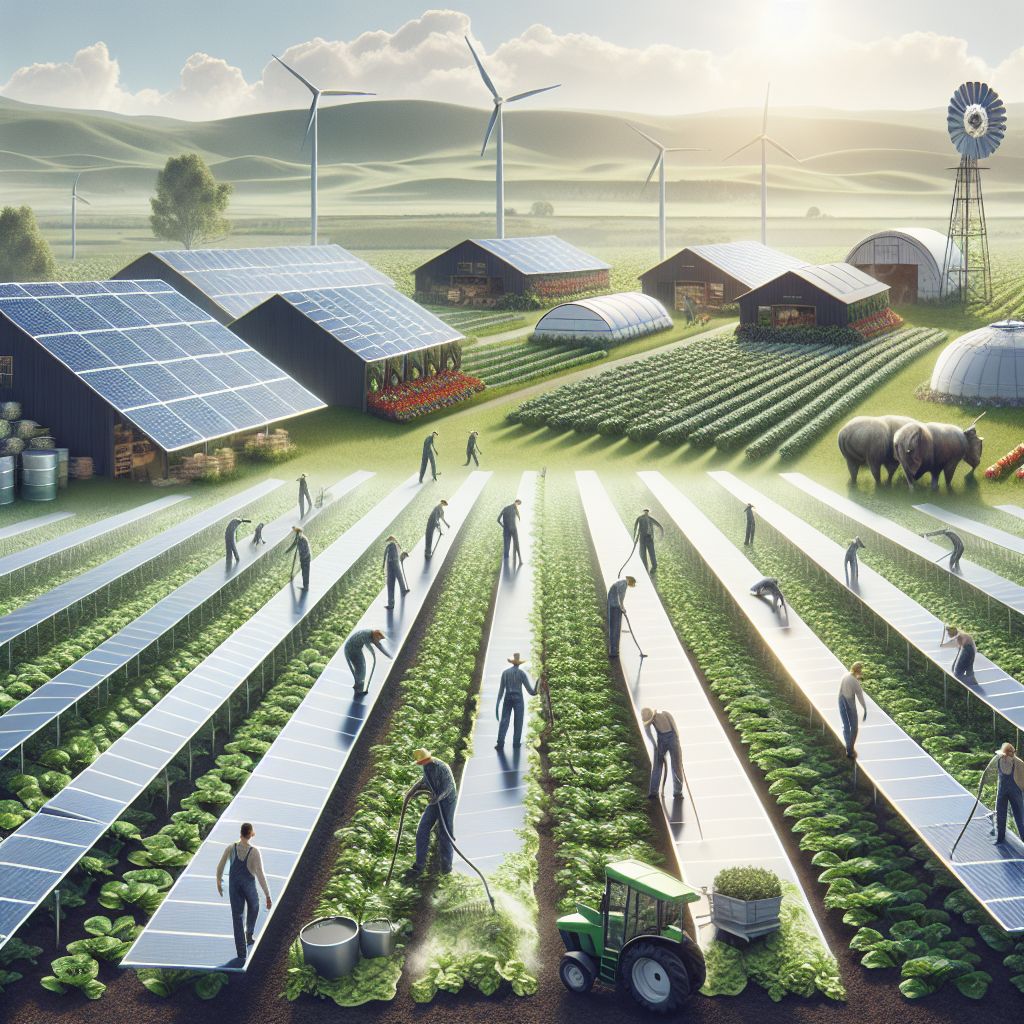
Modern farming faces unprecedented challenges from rising energy costs to climate change impacts. Flexible thin-film solar panels offer a promising solution that doesn’t force farmers to choose between energy production and land cultivation. Growing Solar Mist has been helping farmers integrate these innovative solar solutions that maintain productive land while reducing operational costs.
Agriculture requires significant energy input – from irrigation systems to climate control in barns and greenhouses. As utility rates continue climbing, many farmers find themselves squeezed between rising costs and competitive market prices. The lightweight, adaptable nature of thin-film solar technology provides a compelling alternative to traditional energy sources without sacrificing valuable growing space.
Why Farmers Are Starting to Use Solar Power to Run Their Farm Operations
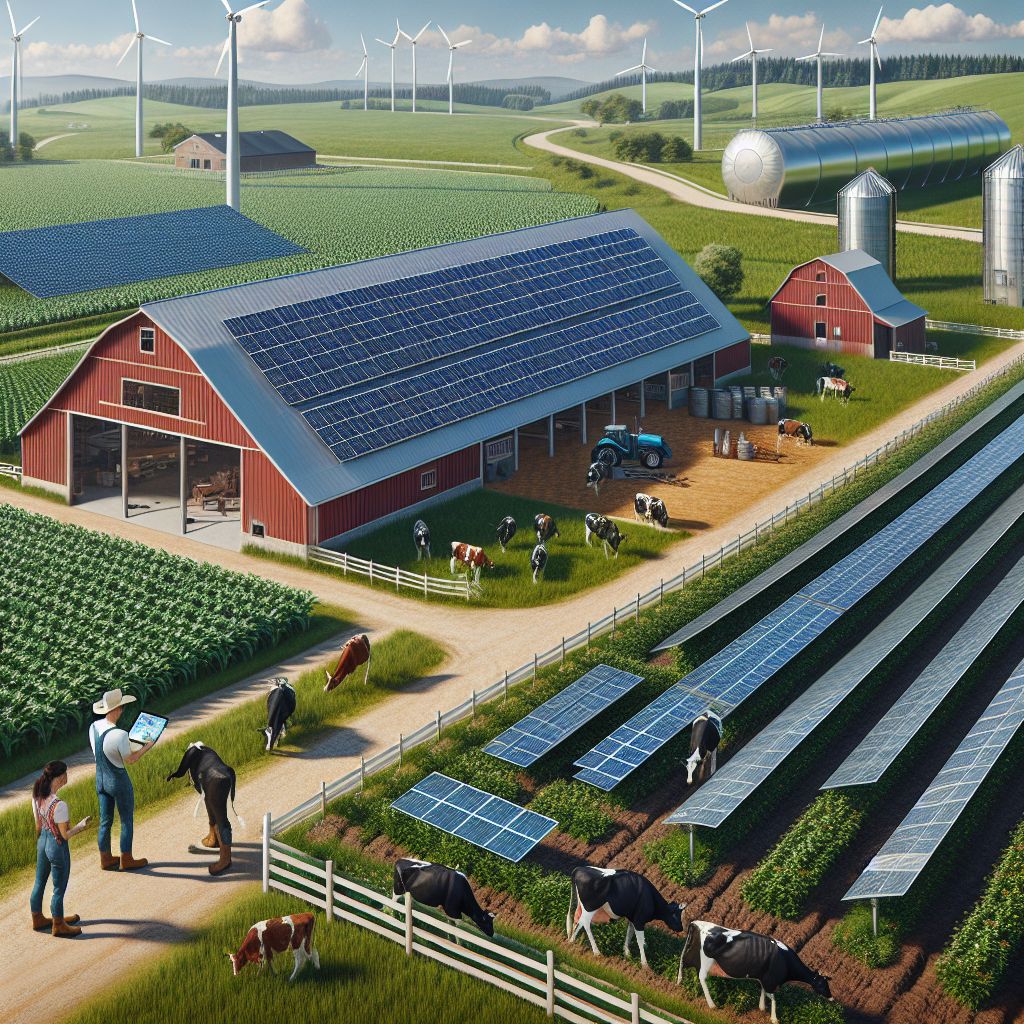
The agricultural sector is increasingly turning to solar energy as a strategic response to multiple pressures. Rising electricity costs eat into already thin profit margins, while sustainable practices become increasingly important to consumers and regulators alike. Farms operate in remote locations where grid connectivity may be unreliable or prohibitively expensive. Solar power addresses these challenges while providing energy independence and predictable costs.
Unlike other industries, agriculture has unique energy needs that fluctuate seasonally. Irrigation demands peak during growing seasons, while processing and storage requirements increase during harvest. Conventional energy solutions often struggle to accommodate these variable patterns cost-effectively. Solar energy systems can be designed to match these seasonal demands, providing power when and where it’s needed most.
Environmental considerations also drive solar adoption among forward-thinking farmers. Agriculture both contributes to and suffers from climate change impacts. By reducing reliance on fossil fuels, farms can lower their carbon footprint while building resilience against future energy price volatility and supply disruptions. This proactive approach protects both farm operations and the ecosystems they depend on.
Why Farmers Are Choosing Flexible Thin-Film Solar Technology Over Others
Traditional rigid solar panels pose significant challenges in agricultural settings. They require substantial supporting infrastructure, permanent mounting solutions, and often compete directly with crop production for land use. These limitations have historically restricted solar adoption among farmers who can’t afford to sacrifice productive acreage or invest in extensive structural modifications to existing buildings.
Flexible thin-film technology overcomes these obstacles through innovative design and materials. These lightweight panels can be installed on surfaces previously considered unsuitable for solar – including curved barn roofs, greenhouse covers, and even portable structures that move with seasonal operations. Their adaptability preserves valuable land for its primary agricultural purpose while still capturing solar energy.
The financial equation also favors thin-film solutions for many agricultural applications. With lower structural requirements come reduced installation costs, shorter payback periods, and higher overall return on investment. This accessibility makes solar energy viable for operations of all sizes, from small family farms to large commercial enterprises. The technology’s improving efficiency and declining costs continue to strengthen this economic advantage.
Here’s a detailed comparison table discussing the use of solar panels to power a farmer’s operations, comparing Polycrystalline, Monocrystalline, Thin-Film, and No Solar Panels:
|
Option |
Efficiency |
Cost |
Durability |
Best Use Case on Farms |
Advantages |
Disadvantages |
|---|---|---|---|---|---|---|
|
Monocrystalline |
Highest (typically 17–22%) |
Highest upfront investment |
Very durable, long life |
Farms with limited space but high energy needs |
– Maximum power output per area |
– Most expensive |
|
Polycrystalline |
Moderate (typically 13–17%) |
Lower than monocrystalline |
Durable, long life |
Farms with ample space and moderate budgets |
– Cost-effective |
– Lower efficiency |
|
Thin-Film |
Lowest (typically 10–13%) |
Lowest per watt |
Flexible, less robust |
Greenhouses, curved roofs, or unconventional surfaces; farms needing flexible panels |
– Lightweight and flexible |
– Lower efficiency |
|
No Solar Panels |
N/A |
Standard utility or fuel costs only |
N/A |
Farms relying on grid or diesel power |
– No upfront solar cost |
– Ongoing high energy costs |
Key Notes from table:
- Monocrystalline panels are ideal for maximizing energy in limited space and are best for high-demand operations.
- Polycrystalline panels suit farmers with more land, offering a cost-effective balance for most standard farm needs.
- Thin-film panels are chosen for their flexibility and performance in specific applications, despite lower efficiency.
- No solar panels means continued reliance on external energy sources, with no long-term savings or sustainability gains.
Farmers should choose based on their available space, budget, and the specific energy requirements of their operations. 1, 2, 5
“Thin Film Solar Panels Benefits …” from growingsolarmist.com and used with no modifications.
How Flexible Thin-Film Solar Panels Work in Farm Settings
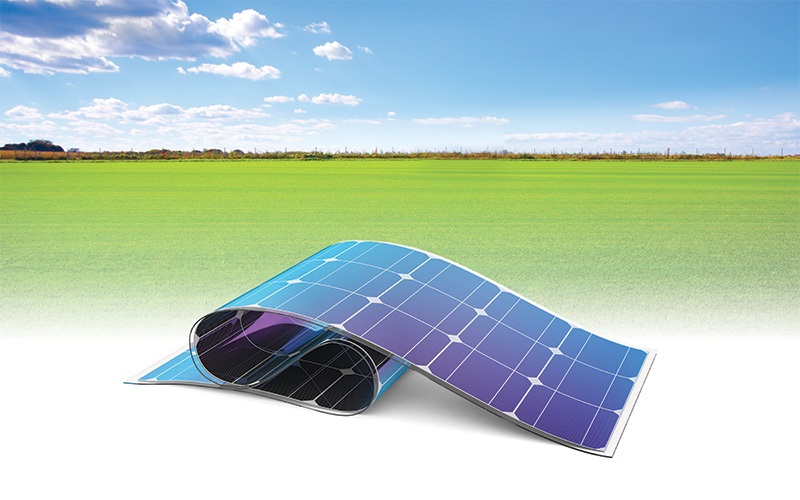
Unlike conventional crystalline silicon panels, flexible thin-film solar technology utilizes ultra-thin semiconductor materials deposited on flexible substrates. This fundamental difference in construction creates panels that can be as thin as a few micrometers – roughly the thickness of a human hair. The resulting products weigh significantly less than traditional panels and can conform to curved or irregular surfaces, which is advantageous for solar panel systems in agriculture.
This flexibility transforms previously unusable spaces into potential energy-generating assets. Barn roofs with minimal load-bearing capacity, equipment sheds with irregular surfaces, and even temporary structures can host these lightweight panels. For farmers with limited suitable land or structural constraints, this adaptability unlocks solar potential previously considered impossible.
The Science Behind Thin-Film Technology
The core innovation of thin-film technology lies in its semiconductor materials and manufacturing process. Unlike traditional panels that use crystalline silicon wafers, thin-film panels employ materials like amorphous silicon, cadmium telluride, or copper indium gallium selenide (CIGS). These materials are applied in microscopic layers to flexible backing materials through specialized deposition processes.
This construction method creates panels with distinct performance characteristics particularly suited to agricultural environments. They typically function better in high-temperature conditions that cause traditional panels to lose efficiency. Many thin-film technologies also perform more consistently in partial shading and diffused light – common scenarios in farm settings where nearby structures or vegetation may cast shadows.
Key Differences From Traditional Rigid Solar Panels
The most obvious difference between thin-film and traditional panels is their physical profile. Conventional crystalline silicon panels are framed, rigid structures typically 1.5-2 inches thick and weighing 40-50 pounds per panel. By contrast, flexible thin-film panels may be mere millimeters thick and weigh a fraction of their rigid counterparts – sometimes less than 5 pounds per comparable unit.
This dramatic weight reduction eliminates the need for reinforced mounting structures that add significant cost to traditional solar installations. Many farm buildings constructed decades ago weren’t designed to support the additional weight of conventional solar arrays, making costly structural upgrades necessary. Flexible panels circumvent this challenge entirely, opening solar opportunities for buildings previously considered unsuitable.
Installation approaches also differ substantially. Rigid panels require permanent mounting systems with penetrating fasteners or ballasted racking systems. Thin-film technologies often employ adhesive mounting options that eliminate roof penetrations and reduce installation complexity. Some systems can even be removed and reinstalled as needed – impossible with traditional arrays.
Power Output and Efficiency Factors
While traditional rigid panels typically offer higher efficiency ratings per square foot (around 18-22%), thin-film technologies have made remarkable advances in recent years. Modern flexible panels now achieve 10-18% efficiency depending on the specific technology. This efficiency gap continues to narrow with ongoing research and development efforts.
What thin-film panels lack in peak efficiency, they often compensate for with better real-world performance under common farm conditions. Their superior temperature coefficient means they maintain performance better during hot summer days when traditional panels experience significant efficiency drops. Similarly, their enhanced low-light performance extends productive hours into early morning and late afternoon – particularly valuable during peak growing seasons.
For agricultural applications, the total system performance often matters more than theoretical peak efficiency. When factoring in the ability to install panels on otherwise unusable surfaces, the actual energy harvest per farm can exceed what would be possible with only traditional panels limited to optimal mounting locations. This practical approach to solar design maximizes returns for the specific constraints of each agricultural operation.
6 Major Benefits of Flexible Solar Panels for Agricultural Applications
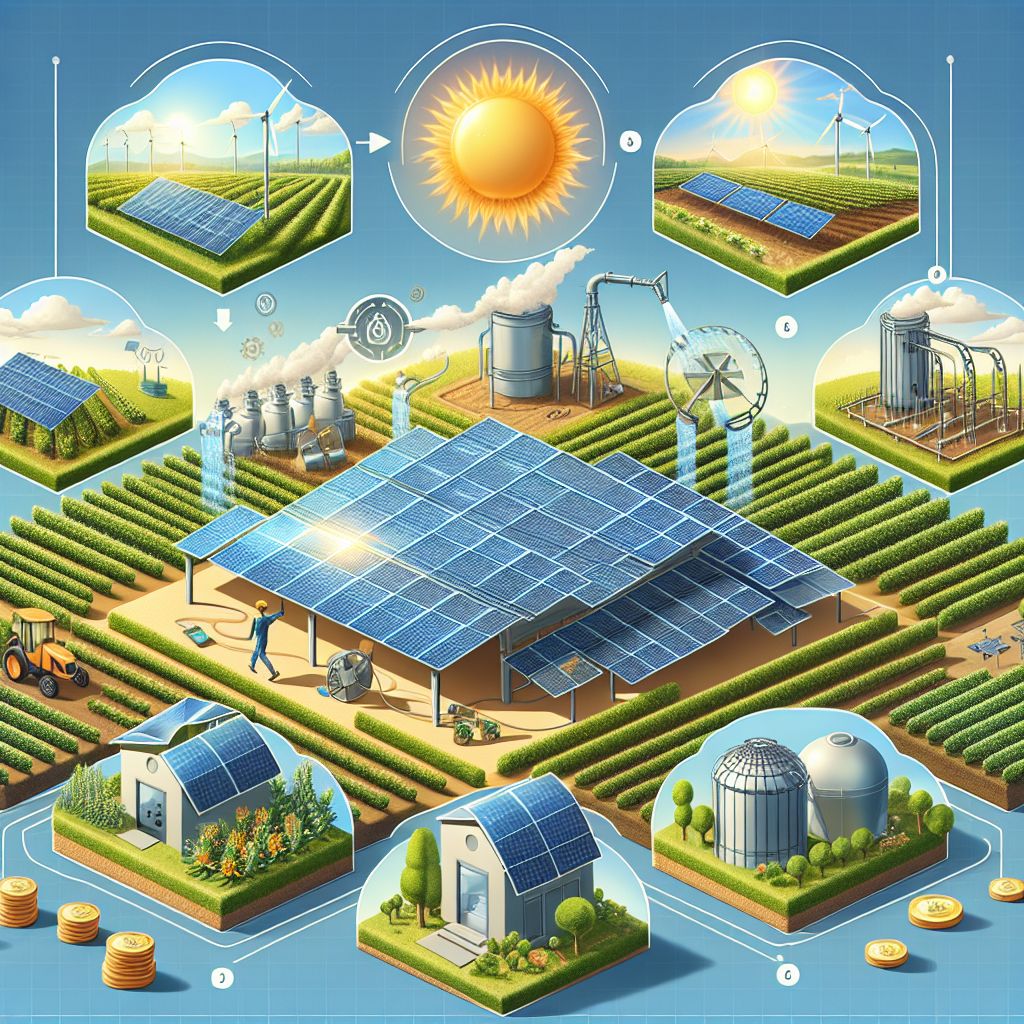
The unique properties of flexible thin-film solar technology translate into distinct advantages that address the specific challenges faced by modern farming operations. These benefits extend beyond simple energy generation to include structural, operational, and financial advantages that conventional solar solutions cannot match.
1. Lightweight Design for Easy Installation on Farm Structures
Farm buildings often weren’t constructed with additional roof loading in mind. Many barns, equipment sheds, and processing facilities have limited structural capacity to support the substantial weight of traditional solar arrays. Flexible thin-film panels weigh approximately 75-95% less than conventional panels, eliminating the need for costly structural reinforcements that can make solar projects financially unfeasible.
This lightweight nature also simplifies the installation process considerably. Panels can often be managed by smaller crews without specialized heavy lifting equipment. For farms with limited access to specialized solar contractors, this can make self-installation or working with local general contractors a viable option, further reducing project costs and implementation barriers.
2. Adaptability to Irregular Surfaces and Curved Roofs
Agricultural structures rarely feature the perfect south-facing flat roofs ideal for conventional solar installations. Round grain bins, curved barn roofs, and irregular outbuildings present challenges for rigid panels but opportunities for flexible technologies. Thin-film panels can conform to surfaces with up to 30-degree curvature, transforming previously unsuitable structures into productive energy assets.
This adaptability extends the potential solar footprint across the farm, capturing energy from surfaces facing various directions. Rather than being limited to only ideal orientations, flexible panels allow for a distributed approach that maximizes total energy harvest from available structures. Even partially shaded or non-optimally oriented surfaces can contribute meaningful energy production when equipped with appropriate thin-film technology.
3. Lower Installation Costs and Reduced Structural Requirements
The simplified mounting requirements of flexible panels translate directly to cost savings. Without the need for penetrating roof mounts or heavy ballasted racking systems, installation labor and materials costs drop significantly. Many thin-film systems employ peel-and-stick adhesive backing or simple non-penetrating attachment methods that preserve building integrity while accelerating installation timelines.
These savings extend beyond the initial installation to include maintenance and long-term ownership costs. The absence of complex racking systems eliminates potential points of failure and maintenance requirements. When roof repairs or replacements become necessary, some flexible systems can be temporarily removed and reinstalled – an option rarely available with conventional solar arrays that are permanently mounted.
4. Enhanced Performance in Low-Light and Diffused Sunlight Conditions
Rural environments often experience early morning fog, partial cloud cover, and seasonal variations in sunlight that impact solar production. Certain thin-film technologies demonstrate superior performance in these challenging light conditions compared to traditional crystalline panels. The semiconductor materials used in many flexible panels maintain higher relative efficiency in diffused light, extending productive generation hours through less-than-ideal conditions.
This characteristic proves particularly valuable in northern regions with shorter winter days or areas prone to foggy or hazy conditions. For operations like dairy farms that maintain consistent year-round energy demands regardless of seasonal solar availability, this improved low-light performance helps maintain energy production during critical winter months when conventional panels may underperform. To understand more about how solar panels can save farmers energy costs and boost farm profits, further reading is available.
5. Durability Against Weather Extremes and Farm Environments
Agricultural settings expose equipment to harsh conditions including temperature extremes, dust, moisture, and potential impact from equipment or debris. The flexible nature of thin-film panels provides inherent resistance to cracking from hail or debris impact that can damage rigid panels. Their monolithic construction eliminates the cell interconnections that often fail in conventional panels after years of thermal cycling and vibration.
Many modern flexible panels feature enhanced encapsulation that protects against the corrosive effects of agricultural environments, including ammonia exposure in livestock operations. This durability translates to longer service life and reduced replacement costs over the system lifetime. Some manufacturers now offer 25-year warranties comparable to traditional panels, reflecting increased confidence in long-term performance reliability.
6. Portability for Seasonal or Mobile Farm Operations
Unlike permanent conventional arrays, certain flexible panel systems can be designed for temporary or relocatable deployment. This mobility proves invaluable for seasonal operations like irrigation pumping stations that move throughout the growing season. Farmers can relocate power generation to match shifting operational needs without duplicating system investments across multiple fixed locations.
This portability extends to equipment that benefits from integrated power, such as remote monitoring stations, portable livestock watering systems, or field operation centers. As farming operations evolve with changing crops, climate conditions, or business models, flexible solar assets can adapt accordingly rather than becoming stranded investments tied to specific locations.
Practical Applications in Modern Farming
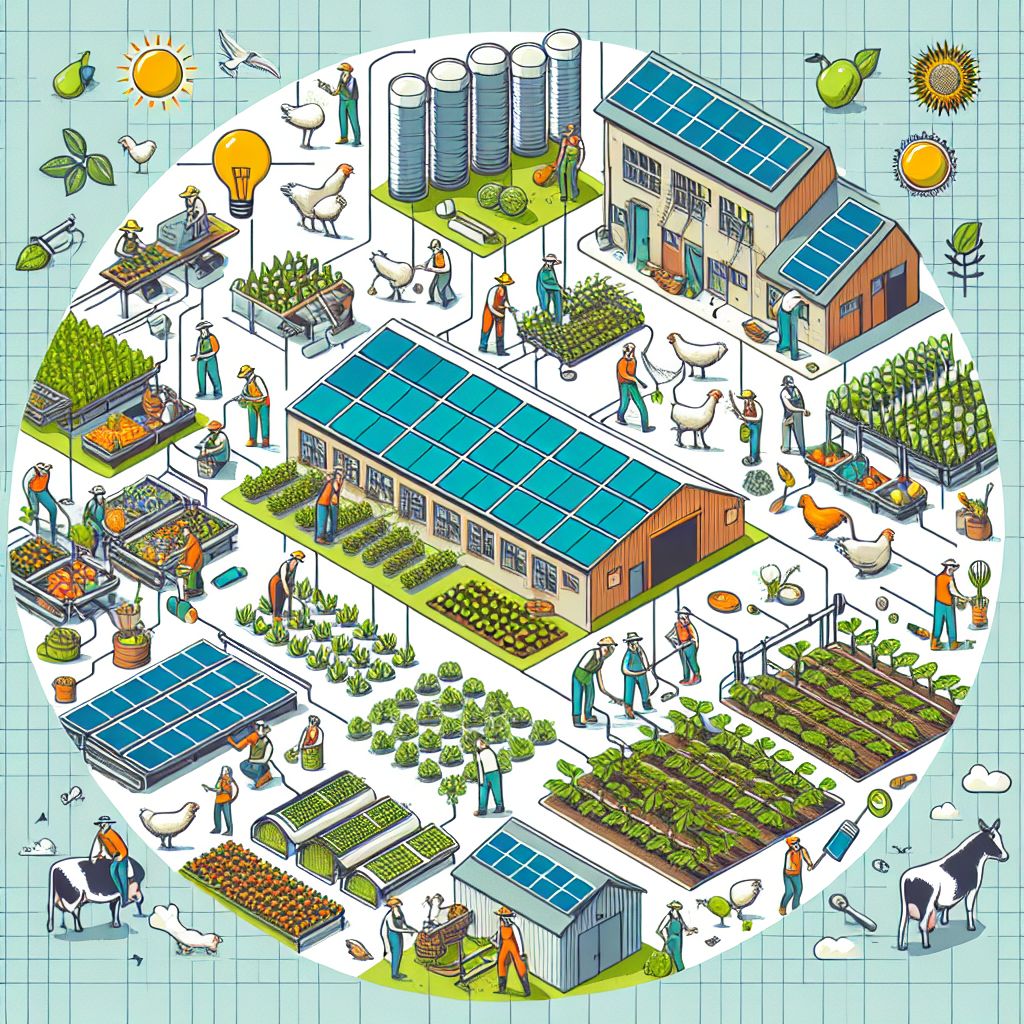
Innovative farmers across the country are finding diverse applications for flexible thin-film solar technology that address specific operational challenges. These practical implementations demonstrate how the technology’s unique properties translate into real-world agricultural solutions beyond simple energy generation.
The adaptability of these systems allows for creative integration with existing farm operations and infrastructure. Rather than requiring farmers to modify their practices around rigid energy systems, flexible solar technology adapts to established agricultural workflows and structures, minimizing disruption while maximizing benefits.
The following applications highlight how different agricultural sectors leverage the specific advantages of flexible panels to address their unique energy challenges while maintaining or enhancing productive capacity.
Greenhouse Integration for Dual-Purpose Growing Spaces
Greenhouses present one of the most compelling applications for flexible solar technology in agriculture. Traditional opaque panels block essential sunlight, creating an impossible choice between energy generation and plant growth. Flexible thin-film panels can be strategically placed on greenhouse roofs in patterns that allow filtered light to reach plants below while still generating significant power. This dual-use approach maintains growing capacity while offsetting the substantial energy demands of climate control systems.
Semi-transparent thin-film options now allow for even more innovative greenhouse integrations. These specialized panels permit specific light wavelengths beneficial to plant growth to pass through while converting others to electricity. The resulting environment can actually enhance growing conditions for certain crops while simultaneously producing energy. This technological breakthrough eliminates the traditional tradeoff between growing space and energy production.
Powering Irrigation Systems and Water Management
Water management represents one of the largest energy expenses on many farms. Flexible solar panels excel at powering irrigation systems, particularly in remote fields where grid connections are impractical or prohibitively expensive. Portable or semi-permanent installations can be positioned near pumping stations, providing power precisely where and when it’s needed during growing seasons. For more information on the benefits of these systems, check out the advantages for farmers.
The ability to match irrigation power needs with solar generation creates a naturally balanced system. Peak irrigation demands typically coincide with the longest, sunniest days of summer when solar production is highest. This natural alignment optimizes system efficiency without requiring expensive battery storage. For variable-rate precision irrigation systems, the scalable nature of thin-film installations allows farmers to right-size their energy production to match specific field requirements.
Farm Building Installations Without Structural Modifications
Existing farm structures like barns, equipment sheds, and processing facilities offer abundant surface area for solar installations, but many lack the structural capacity to support heavy conventional panels. Flexible thin-film technology eliminates this barrier, allowing installation on buildings that would otherwise require costly reinforcement. A typical metal pole barn can support lightweight flexible panels without any structural modifications, creating instant energy-generating assets from existing infrastructure.
The non-penetrating attachment methods available for many flexible panel systems preserve building envelope integrity, preventing potential leaks and maintaining warranties on metal roofing. This approach is particularly valuable for historic agricultural buildings where structural modifications would be impractical or prohibited. Farmers can preserve architectural heritage while still benefiting from modern energy technology.
Mobile Applications for Remote Field Operations
Modern precision agriculture increasingly relies on remote sensors, monitoring stations, and automated equipment that require reliable power sources far from electrical infrastructure. Flexible panels can be integrated directly onto equipment or deployed in temporary configurations to power these critical systems. Their lightweight, durable construction withstands the rigors of field environments including dust, moisture, and temperature extremes.
Portable solar generators using flexible panels provide power for seasonal operations like remote pumping stations, field processing equipment, or temporary worker facilities. These mobile power solutions eliminate the need for noisy, maintenance-intensive gas generators or expensive fixed infrastructure. For operations that shift locations throughout the growing season, this mobility proves invaluable in maintaining continuous power availability.
Security and Lighting Around the Farm
Farm security presents unique challenges due to isolated locations and valuable equipment. Flexible solar panels can power security systems, lighting, and monitoring equipment in remote areas without requiring extensive trenching for power lines. Their low profile and ability to blend with existing structures make them less obtrusive than conventional panels, maintaining the rural aesthetic while providing essential power for security applications. For more insights on maximizing the benefits of solar panels, consider these energy-saving strategies for farmers.
LED lighting systems paired with flexible panels create self-contained security and safety solutions around barns, equipment yards, and access points. Motion-activated systems conserve power while providing illumination exactly when needed. The reliability of these standalone systems proves particularly valuable during grid outages when security vulnerabilities typically increase.
The Farmer’s House
Residential energy needs represent a significant expense for farm families. Flexible panels can integrate with existing home roofing materials more seamlessly than bulky conventional panels, preserving aesthetic appearance while generating substantial household power. For historic farmhouses where traditional panels would compromise architectural character, thin-film alternatives offer a less visually intrusive option.
The ability to install flexible panels on multiple surfaces around the homestead – from main residence to garages, workshops and outbuildings – creates a distributed power network that maximizes total energy harvest. This approach transforms the entire residential compound into an energy-generating asset while maintaining its functional agricultural purpose. For multi-generational farms, this comprehensive approach can significantly reduce operational costs over decades.
Real-World Success Stories from Farms Using Thin-Film Solar
The practical benefits of flexible solar technology are best illustrated through the experiences of farmers who have successfully integrated these systems into their operations. These case studies demonstrate the versatility and effectiveness of thin-film technology across diverse agricultural settings and operation types.
Case Study: Small Livestock Farm Energy Independence
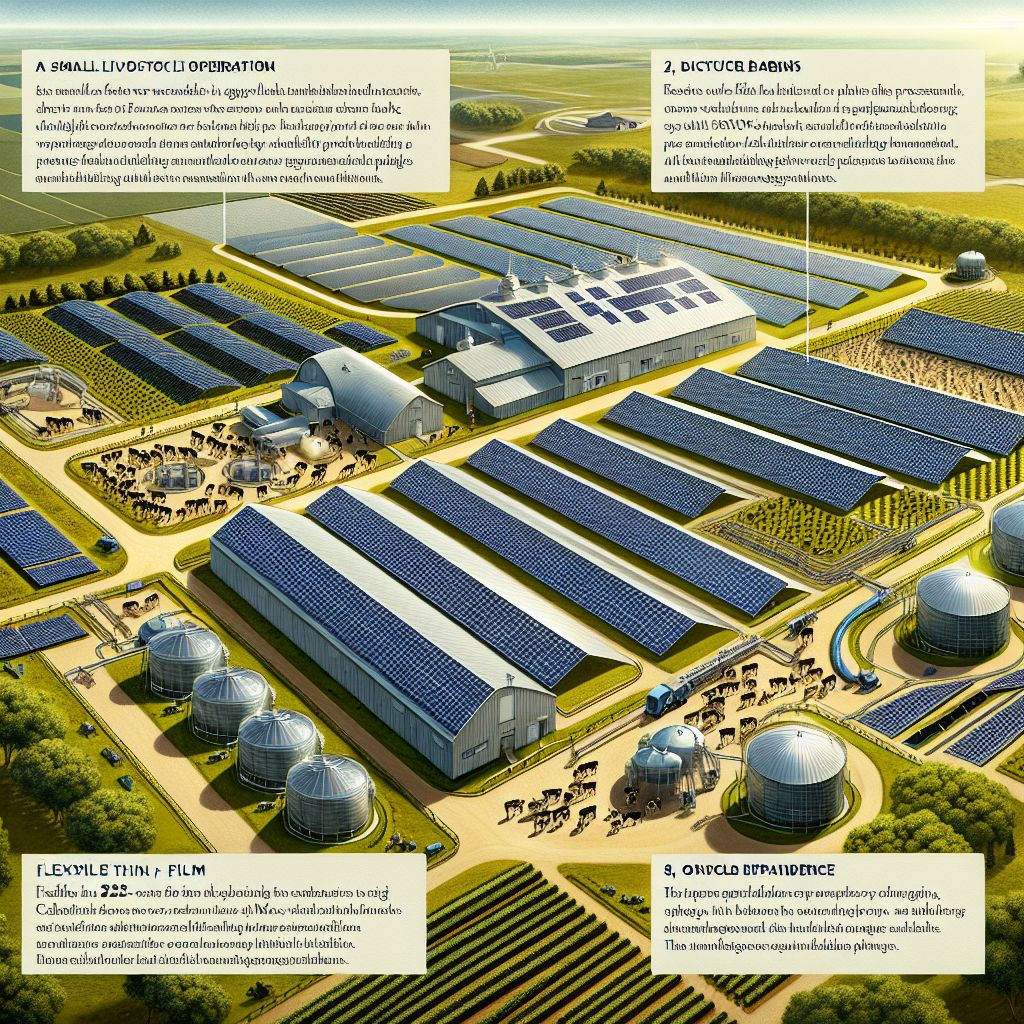
A 120-acre family livestock operation in Wisconsin faced rising electricity costs that threatened profitability. Traditional solar wasn’t viable due to limited south-facing roof space and buildings with insufficient structural capacity for heavy panels. By installing 22kW of flexible thin-film panels across multiple farm buildings – including curved barn roofs previously considered unsuitable – the operation achieved 65% energy independence within tight budget constraints.
The lightweight panels eliminated need for structural reinforcements, saving an estimated $15,000 in potential modification costs. Installation completed in just three days without disrupting daily operations. The system now powers critical ventilation systems, water pumps, and lighting with particular benefits during summer peak demand when conventional electricity rates are highest. Payback period projected at 6.5 years, significantly faster than estimates for traditional solar alternatives that would have required substantial structural modifications.
“We couldn’t justify taking land out of production for ground-mounted solar, and our barns couldn’t support traditional panels without expensive reinforcement. The flexible panels gave us a third option we hadn’t considered. They’re generating more power than expected while preserving every acre for our animals.” – Tom Henderson, Farm Owner
Case Study: Large-Scale Crop Production with Integrated Solar
A 1,500-acre diversified crop operation in California integrated flexible thin-film technology throughout their processing facilities and irrigation infrastructure. Rather than dedicating valuable growing land to solar production, they utilized existing building surfaces and created innovative dual-purpose structures that maintain operational functionality while generating power.
Their most innovative application attached flexible panels directly to movable irrigation equipment, creating self-powered systems that eliminate the need for diesel generators or fixed electrical infrastructure. This mobility allows power generation to follow seasonal water needs across different fields. Overall system capacity of 145kW now offsets approximately 40% of total farm energy consumption with minimal impact on productive growing space.
The distributed nature of their installation – spread across multiple buildings and equipment rather than concentrated in one location – provides resilience against potential damage and allows for phased implementation as capital becomes available. The farm reports 30% reduction in overall energy costs with projected complete system payback within 7.5 years.
How to Get Started with Flexible Solar on Your Farm
Energy Needs Assessment for Your Operation
Before investing in any solar technology, conduct a comprehensive energy audit to understand your farm’s specific power requirements. Analyze at least 12 months of utility bills to identify seasonal patterns and peak demand periods. Map these demands against your operation’s workflow to determine when and where energy is most needed. This assessment forms the foundation for a system designed to address your specific challenges rather than a generic solar solution.
Choosing the Right Panels for Your Climate and Farm Type
Different thin-film technologies perform optimally under specific conditions. Amorphous silicon panels typically excel in diffused light and high-temperature environments, while CIGS (copper indium gallium selenide) options may offer higher efficiency in direct sunlight. Consider your local climate patterns, installation locations, and specific performance requirements when evaluating options.
For livestock operations concerned about ammonia exposure, look for panels with enhanced encapsulation specifically rated for agricultural environments. Dairy and poultry facilities should prioritize panels tested for resistance to the corrosive effects of animal housing.
Northern farms with snow concerns should evaluate flexible panels with enhanced adhesion and reinforced attachment points designed to shed snow loads. Southern operations might prioritize technologies with superior high-temperature performance to maintain production during intense summer heat.
Finding Qualified Agricultural Solar Installers
The specialized nature of agricultural solar applications requires installers with specific experience in farm environments. Look for contractors who understand both solar technology and agricultural operations. Ask for references from similar farm installations and verify their experience with flexible thin-film technology specifically. The best installers will incorporate your operational requirements into system design rather than simply adapting residential or commercial approaches to farm buildings.
Conclusion
Flexible thin-film solar technology represents a transformative opportunity for agricultural operations seeking energy independence without sacrificing productive capacity. By overcoming the limitations of traditional solar panels, these innovative systems enable farms to generate renewable energy from previously unsuitable surfaces while maintaining their primary agricultural purpose. As energy costs continue rising and climate challenges intensify, this technology offers a practical path toward more resilient, sustainable farming operations.
Key Points to the Article
The unique properties of flexible thin-film solar panels address specific agricultural challenges that conventional solar technology cannot. Their lightweight design eliminates structural barriers, while their adaptability transforms otherwise unsuitable surfaces into productive energy assets. These practical advantages translate directly into cost savings, operational improvements, and enhanced sustainability across diverse farming operations.
The real-world applications demonstrated across various agricultural sectors highlight the versatility and effectiveness of this technology in addressing farm-specific energy challenges. From greenhouse integration to mobile field operations, flexible panels provide solutions tailored to the unique demands of modern agriculture.
As the technology continues advancing with improved efficiency, durability, and specialized agricultural applications, the case for adoption grows stronger. Farmers evaluating energy options should consider how flexible thin-film technology might address their specific operational challenges and long-term sustainability goals.
- Flexible thin-film panels weigh 75-95% less than conventional panels, eliminating structural reinforcement costs
- Adaptability to curved and irregular surfaces expands installation possibilities on farm buildings
- Enhanced performance in diffused light and high temperatures suits real-world farm conditions
- Dual-use applications maintain agricultural productivity while generating energy
- Mobility options support seasonal operations and changing farm requirements
Is Using Thin-Film Solar Panels a Good Choice for Farmers
For most agricultural operations, flexible thin-film solar technology offers compelling advantages that align specifically with farm requirements and constraints. The ability to generate renewable energy without sacrificing productive land or requiring costly structural modifications makes this technology particularly suitable for the practical, budget-conscious approach of most farmers. While each operation must evaluate its specific needs, the growing number of successful agricultural implementations demonstrates that flexible solar represents a viable, effective energy solution for the farming sector.
Frequently Asked Questions
As farmers consider flexible solar options for their operations, several common questions arise about performance, durability, and implementation. These answers address the most frequent concerns based on current technology and agricultural applications.
How long do flexible thin-film solar panels typically last in farm environments?
Modern flexible thin-film panels designed for agricultural applications typically carry 20-25 year warranties, comparable to conventional panels. While earlier generations had shorter lifespans, advances in encapsulation technology and materials have significantly improved durability. Actual performance degradation rates average 0.5-1% annually, meaning panels should still produce 80-90% of their original output after 20 years even in challenging farm environments. Panels specifically rated for agricultural use offer enhanced resistance to the unique conditions found in livestock operations and processing facilities.
Can flexible solar panels withstand heavy snow loads and high winds?
Most quality flexible panels are rated for moderate snow loads and wind exposure when properly installed according to manufacturer specifications. Their ability to adhere directly to underlying surfaces without air gaps reduces wind uplift concerns compared to traditional rack-mounted panels. For areas with extreme snow accumulation, installation angle becomes critical for shedding capability, with steeper pitches recommended for northern climates.
High-wind regions require additional attention to attachment methods and edge sealing. Some manufacturers offer specialized mounting systems for hurricane-prone areas that provide additional security. Always verify that your specific installation plan meets local wind load requirements and building codes.
Are flexible thin-film panels worth the investment for small family farms?
Small operations often benefit most from flexible solar technology due to their typical infrastructure constraints. Many family farms operate in older buildings with limited structural capacity for conventional panels, making lightweight alternatives particularly valuable. The ability to start with smaller, targeted installations addressing specific energy needs (like irrigation pumps or workshop power) allows phased implementation as capital becomes available.
Economic viability depends on specific energy costs, available incentives, and operational patterns. Farms with high summer energy demands (when solar production peaks) typically see faster payback periods. Most small farm installations achieve break-even points between 6-10 years while providing 25+ years of energy benefits. Federal tax incentives, USDA grants, and state-specific agricultural solar programs can significantly improve these economics.
How do I maintain flexible solar panels in dusty farm conditions?
Agricultural environments present unique maintenance challenges due to dust, pollen, and organic debris. Most flexible panels benefit from quarterly cleaning using soft brushes and low-pressure water (never high-pressure washers which could damage panel surfaces). Some installations incorporate simple rainfall cleaning effects through appropriate mounting angles. For extremely dusty operations like grain handling or cotton processing, more frequent maintenance may be necessary during peak activity periods.
Can I install flexible solar panels myself or do I need professional help?
While the lightweight nature and simplified mounting of flexible panels makes DIY installation more feasible than with conventional systems, electrical integration still requires specialized knowledge. Many farmers successfully handle the physical mounting aspects themselves while partnering with licensed electricians for final connections and commissioning. This hybrid approach can significantly reduce installation costs while ensuring safety and code compliance.
Self-installation works best for smaller systems with simple applications like direct equipment powering or battery charging. Grid-tied systems involve additional complexity including permitting, utility interconnection requirements, and safety protocols that typically benefit from professional expertise. Always check warranty requirements, as some manufacturers specify professional installation for full coverage.
For farmers comfortable with basic construction and electrical concepts, manufacturer-provided training and detailed installation guides can support successful self-installation of appropriately sized systems. Start with smaller, standalone applications to build experience before attempting larger installations.







Leave a Reply