
Key Takeaways
- Solar technologies like TOPCon, HJT, PERC, and HPBC can significantly reduce energy costs for farmers, with potential savings ranging from 30% to 50% annually.
- TOPCon solar panels offer high efficiency, making them ideal for large-scale farming operations with high energy demands.
- HJT panels provide excellent performance in varied weather conditions, ensuring consistent energy supply for farms in diverse climates.
- PERC technology is cost-effective and easy to integrate, suitable for small to medium-sized farms looking for reliable energy solutions.
- HPBC panels are innovative but may require higher initial investment, offering long-term benefits for technologically forward-thinking farms.
Introduction to Solar Technologies for Farmers
Harnessing the power of the sun has never been more critical, especially for farmers who rely heavily on energy for their daily operations. As we navigate the challenges of climate change and rising energy costs, solar technologies provide a beacon of hope. They promise not only sustainability but also substantial savings. In this article, we’ll dive deep into the world of solar technologies and explore how they can revolutionize farming.
Imagine a farm where energy bills are slashed by half, where irrigation systems run on solar power, and where the environmental footprint is significantly reduced. This isn’t just a dream—it’s a reality for many farmers who have embraced solar technology. Let’s explore how you can make this a reality for your farm too.
- Understanding the types of solar technologies available.
- Evaluating the benefits and challenges of each technology.
- Identifying the right technology for your specific farm needs.
Need for Renewable Energy in Agriculture
Agriculture is an energy-intensive industry. From powering machinery to heating greenhouses and running irrigation systems, energy is at the heart of farming. However, traditional energy sources are not only expensive but also environmentally damaging. This is where renewable energy, particularly solar power, steps in.
By shifting to solar energy, farmers can reduce their dependency on fossil fuels, cut down on electricity costs, and contribute to a healthier planet. Most importantly, solar energy provides a reliable and sustainable energy source that can be harnessed even in remote locations. For those interested in understanding the differences between solar options, here’s a comparison of thin-film and polycrystalline solar panels for farmers.
Brief Overview of TOPCon, HJT, PERC, and HPBC Technologies
Before diving into the specifics, let’s briefly overview the four solar technologies that are making waves in the agricultural sector: TOPCon, HJT, PERC, and HPBC.
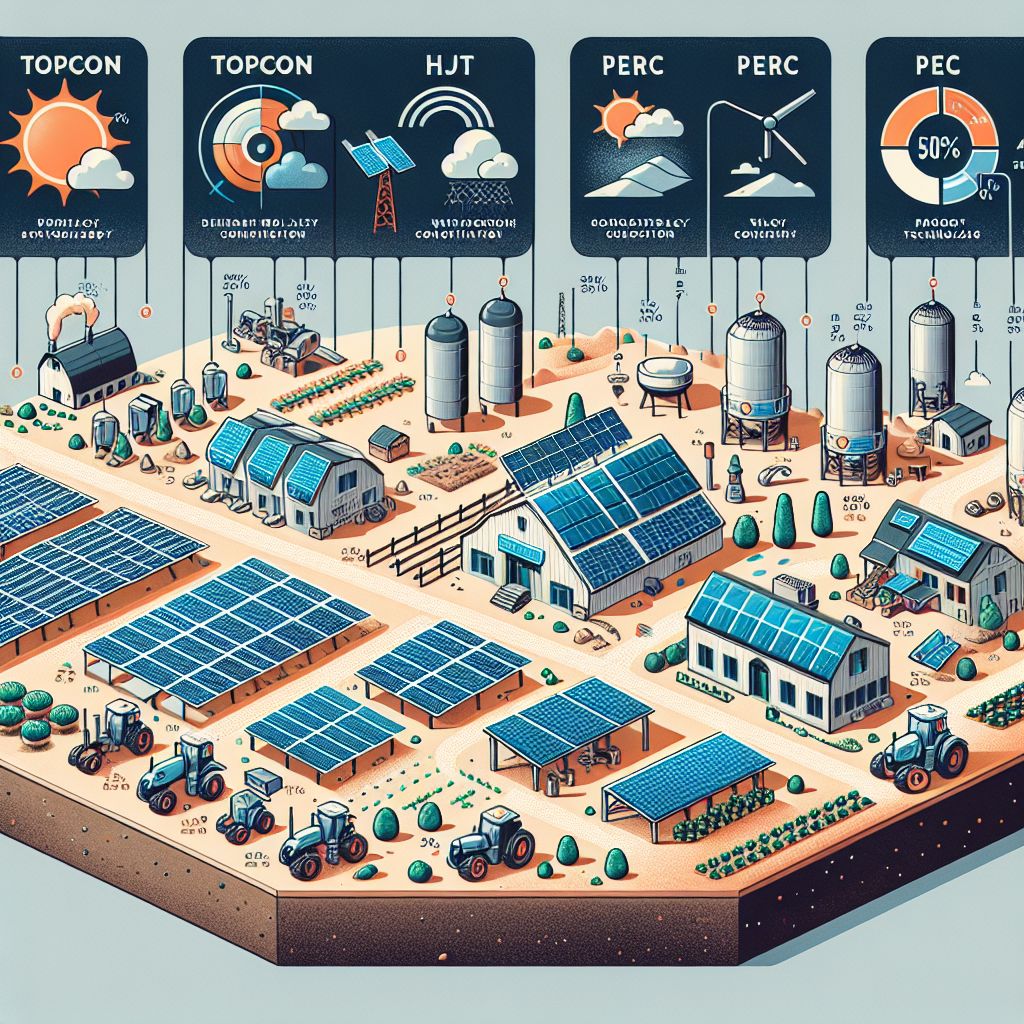
TOPCon (Tunnel Oxide Passivated Contact) technology is known for its high efficiency and advanced cell structure, making it a top choice for large-scale operations. HJT (Heterojunction Technology) panels offer excellent performance in diverse weather conditions, ensuring energy reliability. PERC (Passivated Emitter and Rear Cell) technology is popular for its cost-effectiveness and ease of integration into existing systems. Lastly, HPBC (Heterojunction with Back Contact) panels are the latest innovation, combining high efficiency with aesthetic appeal, although they may require a higher initial investment.
|
Technology |
Key Features |
Efficiency |
Advantages for Farmers |
Drawbacks |
Typical Agricultural Uses |
|---|---|---|---|---|---|
|
TOPCon (Tunnel Oxide Passivated Contact) |
Advanced passivation layer reduces recombination; combines elements of PERC and HJT |
22–28% (lab), higher than PERC |
– High efficiency maximizes energy from limited space |
– Higher production cost |
– Powering irrigation, water pumps, crop drying |
|
HJT (Heterojunction) |
Combines crystalline silicon with thin amorphous silicon layers; high bifaciality |
22–25% (commercial), up to 27% (lab) |
– Excellent low-light and high-temp performance |
– Higher initial cost |
– Agrivoltaics (dual land use) |
|
PERC (Passivated Emitter and Rear Contact) |
Adds a rear passivation layer to standard silicon cells |
18–21% |
– Cost-effective and widely available |
– Lower efficiency than TOPCon/HJT |
– Powering irrigation, machinery, lighting |
|
HPBC (Hybrid Passivated Back Contact) |
Advanced back-contact design with high passivation |
Up to 27% (lab), improving commercially |
– Top-tier efficiency and aesthetics |
– Newer, less field data |
– Microgrids for remote farms |
Summary for Farmers:
- TOPCon and HJT offer the highest efficiencies and best performance in challenging farm environments (heat, shade, variable light), but at a higher upfront cost.
- PERC is more affordable and still efficient, making it a solid choice for most standard farm applications.
- HPBC is an emerging technology with leading efficiency and durability, ideal for farmers seeking long-term, high-output solutions, though it may come with higher initial investment.
All four technologies can support typical farm needs such as irrigation, machinery, lighting, and even integration with greenhouses or dual-use agrivoltaics, helping farmers reduce costs and improve sustainability. 1, 2, 3, 4, 5, 6, 7, 8
TOPCon Solar Technology
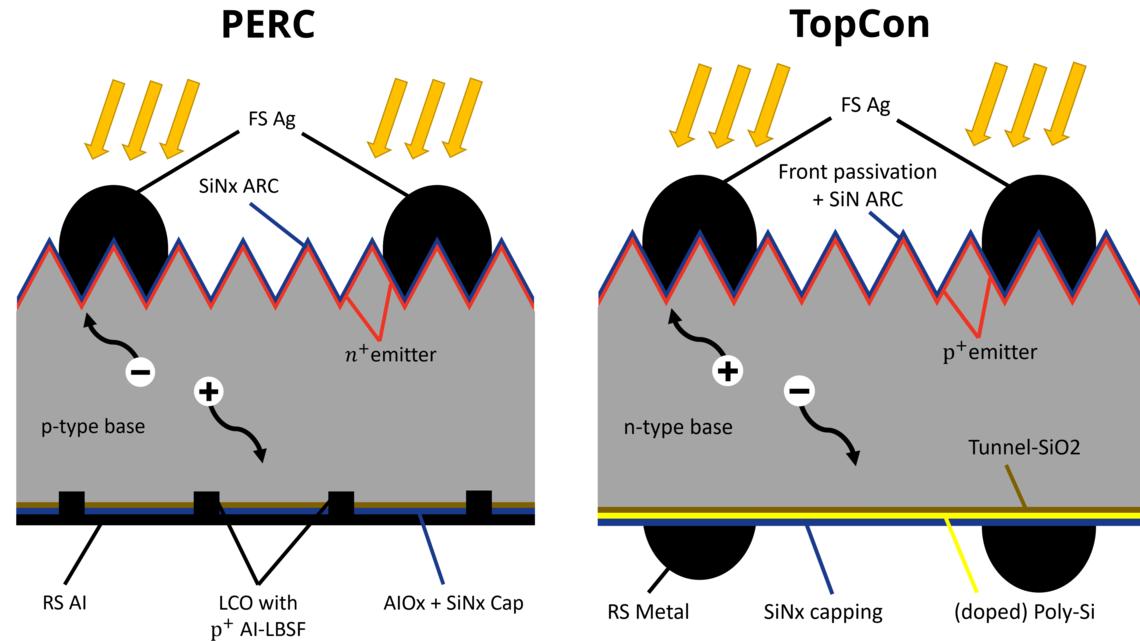
TOPCon technology stands out due to its advanced design and impressive efficiency. It utilizes a unique cell structure that allows for greater energy absorption and conversion, making it ideal for farms with high energy demands.
Principles and Functionality
The magic behind TOPCon technology lies in its Tunnel Oxide Passivated Contact structure. This design minimizes energy loss and maximizes efficiency. Essentially, it enhances the way solar cells absorb sunlight and convert it into electricity.
- TOPCon cells have a special layer that reduces electron recombination, improving efficiency.
- The technology allows for higher power output even in low-light conditions.
- Its advanced design makes it less susceptible to performance degradation over time.
With these features, TOPCon panels are particularly suited for large-scale agricultural operations where every watt counts.
Advantages for Agricultural Use
Farmers stand to gain significantly from adopting TOPCon technology. The high efficiency of these panels translates to more energy production, which can power various farm operations. This means more savings on energy bills and more funds available for other essential farm needs.
Moreover, TOPCon panels perform well in varied weather conditions, ensuring that farms have a reliable energy source year-round. This is crucial for farms located in regions with fluctuating weather patterns.
Challenges in Implementation
Despite the promising benefits of TOPCon technology, its implementation isn’t always straightforward. One of the primary obstacles is the high initial investment required. While the long-term savings on energy costs are attractive, the upfront costs can be daunting for farmers, especially those with limited capital.
Furthermore, integrating these advanced solar panels into existing farm infrastructure may necessitate specialized technical expertise. This can mean additional costs for hiring skilled professionals to ensure proper installation and maintenance. However, with government incentives and financing options, these challenges can be mitigated, making the transition to solar energy more feasible.

HJT Solar Technology
Heterojunction Technology (HJT) is another solar innovation that has captured the attention of the agricultural sector. Known for its high efficiency and adaptability, HJT panels are ideal for farms that experience a range of weather conditions.
Understanding HJT’s Unique Structure
HJT technology combines two types of silicon—amorphous and crystalline—in a single cell. This unique combination enhances the panel’s ability to absorb sunlight and convert it into electricity efficiently. The dual-layer structure also minimizes energy loss, ensuring maximum power output.
Moreover, HJT panels feature a bifacial design, meaning they can capture sunlight from both sides. This is particularly advantageous for farms, as it allows for greater energy generation even in low-light conditions, such as cloudy days or during early morning and late afternoon.
Efficiency and Benefits for Farmers
For farmers, the efficiency of HJT panels translates to consistent and reliable energy supply. This means irrigation systems, lighting, and other essential equipment can run smoothly, reducing downtime and improving overall productivity.
Additionally, HJT panels have a longer lifespan compared to traditional solar panels. This durability ensures that farmers can enjoy the benefits of solar energy for many years, making it a worthwhile investment.
Environmental Considerations
HJT technology not only benefits farmers economically but also supports environmental sustainability. By reducing reliance on fossil fuels, HJT panels help decrease greenhouse gas emissions, contributing to a healthier planet.
Besides that, the materials used in HJT panels are more environmentally friendly, making them a more sustainable choice for eco-conscious farmers. This aligns with the growing trend of sustainable agriculture, where farmers are increasingly adopting practices that protect and preserve the environment.
PERC Solar Technology
PERC (Passivated Emitter and Rear Cell) technology is another popular choice among farmers looking to harness solar energy. Known for its cost-effectiveness and ease of integration, PERC panels are ideal for small to medium-sized farms.
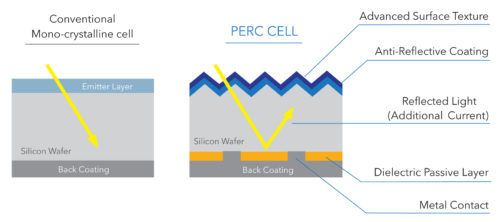
These panels feature an additional layer on the rear side, which reflects unabsorbed sunlight back into the cell. This increases the overall efficiency of the panel, allowing farmers to generate more energy without needing additional space.
Key Features of PERC Panels
PERC panels are designed with simplicity and efficiency in mind. The rear cell passivation reduces electron recombination, enhancing the panel’s ability to convert sunlight into electricity. This results in higher energy output and better performance in low-light conditions. For more details on the differences between various solar technologies, you can explore this comparison of PERC, HJT, and TOPCon solar panels.
Cost-Effectiveness and Durability
One of the standout features of PERC technology is its affordability. These panels are less expensive to produce and install compared to other advanced solar technologies, making them accessible to a wider range of farmers.
In terms of durability, PERC panels are built to withstand harsh weather conditions, ensuring a long lifespan. This durability reduces maintenance costs and ensures a reliable energy source for years to come.
Therefore, for farmers seeking a balance between cost and efficiency, PERC panels offer a practical solution. They provide the benefits of solar energy without the high price tag, making them an attractive option for budget-conscious farms.
Integration into Existing Systems
Integrating PERC panels into existing farm systems is relatively straightforward. Their design allows for easy installation, and they can be seamlessly incorporated into current energy setups.
Moreover, PERC panels are compatible with various types of mounting systems, providing flexibility in installation. Whether it’s rooftop mounting or ground installation, these panels can adapt to the specific needs of each farm, ensuring optimal energy generation.
Most importantly, PERC technology offers a pathway for farmers to transition to renewable energy without significant disruption to their operations. This ease of integration makes it a favored choice for many in the agricultural community.
HPBC Solar Technology
HPBC (Heterojunction with Back Contact) technology represents the cutting edge of solar innovation. These panels combine high efficiency with aesthetic appeal, making them a desirable choice for forward-thinking farms.
While HPBC panels may require a higher initial investment, their long-term benefits are substantial. They offer enhanced performance and energy output, making them suitable for farms that prioritize technological advancement.
Design and Innovation
The design of HPBC panels sets them apart from traditional solar technologies. By integrating back contact cells with heterojunction technology, these panels achieve superior energy conversion rates.
Besides that, the absence of metal grid lines on the front of the cells reduces shading, allowing for maximum sunlight absorption. This innovative design not only boosts efficiency but also enhances the visual appeal of the panels. For more information on how these panels can boost farm efficiency, explore our detailed guide.
- HPBC panels offer higher efficiency compared to traditional panels.
- Their sleek design makes them aesthetically pleasing.
- Advanced technology ensures long-term energy production.
These features make HPBC panels an excellent choice for farms looking to combine functionality with aesthetics.
Performance in Agricultural Settings
In agricultural settings, HPBC panels excel in providing consistent and reliable energy. Their advanced design ensures that they perform well even in challenging weather conditions, making them suitable for farms in diverse climates.
Moreover, the high efficiency of HPBC panels means that farmers can generate more energy from a smaller footprint. This is particularly beneficial for farms with limited space, as it allows for maximum energy production without requiring additional land.
For example, a farm in a sunny region could utilize HPBC panels to power irrigation systems and other essential equipment, ensuring uninterrupted operations. This reliability is crucial for maintaining productivity and efficiency on the farm.
“HPBC panels have transformed our farm operations. We’ve seen a significant reduction in energy costs and an increase in productivity. It’s been a game-changer for us.” – A satisfied farmer. For more on solar panel options for farmers, check out this guide.
With such positive feedback, it’s clear that HPBC technology holds great potential for the agricultural sector.
Comparative Cost Analysis
When considering solar technology, cost is a critical factor for farmers. While HPBC panels may have a higher initial cost, their long-term benefits often outweigh this investment.
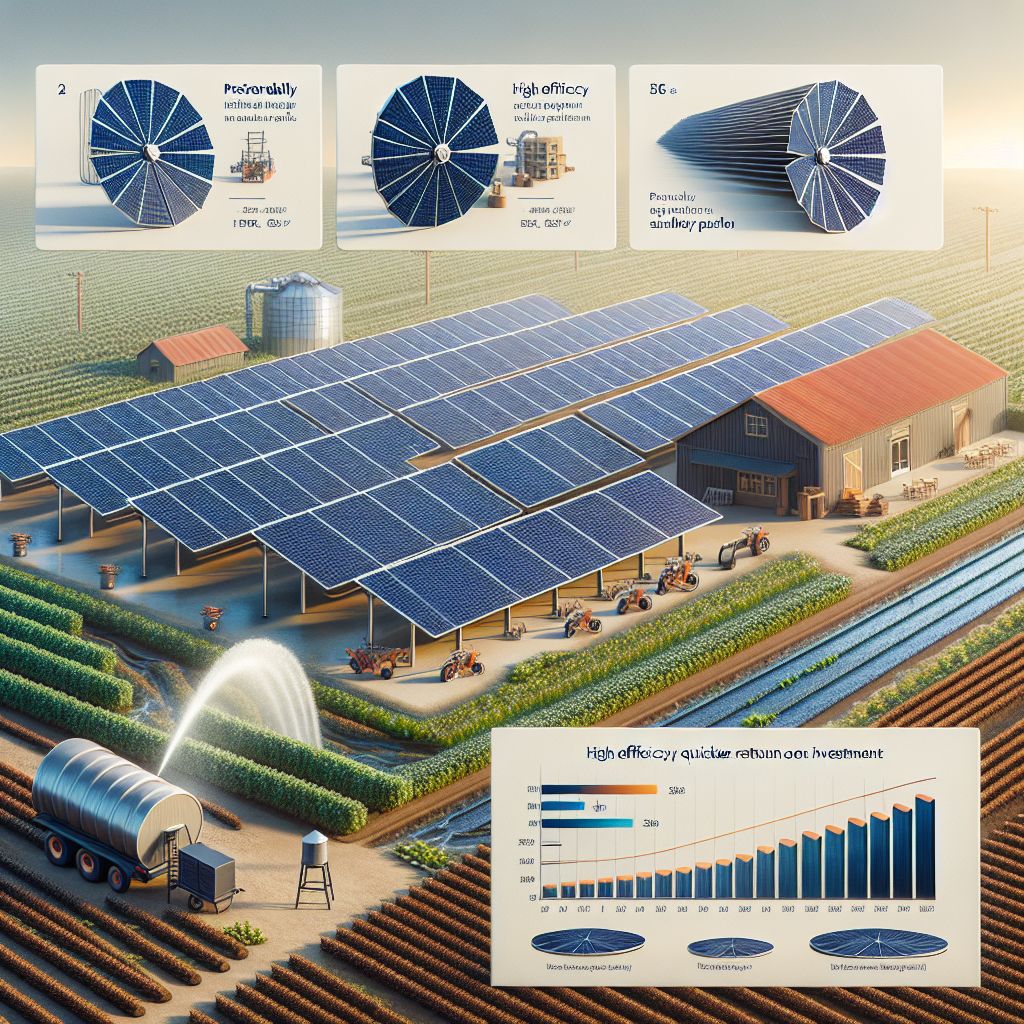
Compared to other solar technologies, HPBC panels offer superior efficiency and durability, leading to greater energy savings over time. This can result in a faster return on investment, making them a viable option for farms looking to future-proof their energy needs.
Therefore, when evaluating the cost-effectiveness of solar technologies, it’s essential to consider both the upfront costs and the long-term savings. By doing so, farmers can make informed decisions that align with their financial goals and energy requirements.
Comparing Solar Technologies: Key Factors
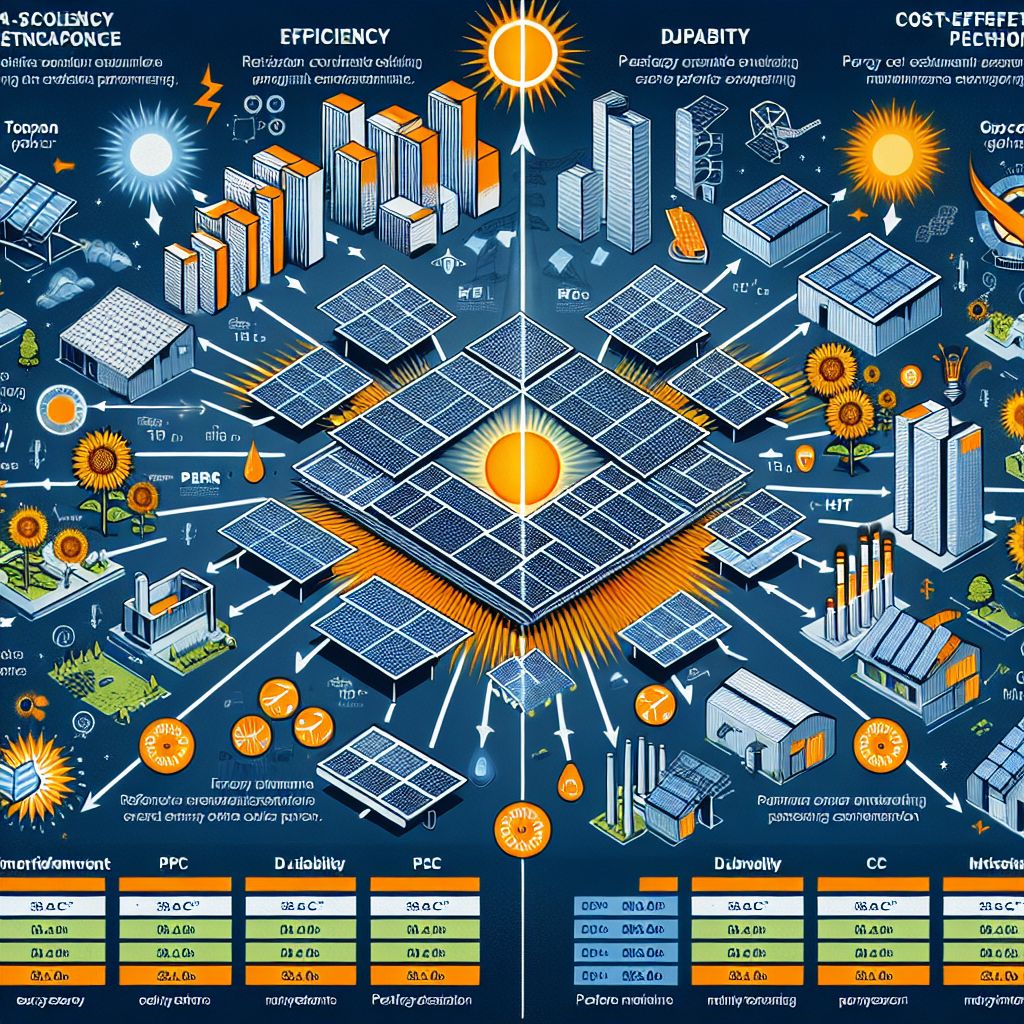
With multiple solar technologies available, choosing the right one for your farm can be challenging. To make an informed decision, it’s important to compare key factors such as efficiency, durability, and cost-effectiveness.
Efficiency and Output
Efficiency is a crucial consideration when selecting solar panels. Higher efficiency means more energy production, which can lead to greater savings on energy bills. Among the technologies discussed, TOPCon and HPBC panels offer the highest efficiency, making them ideal for farms with high energy demands.
However, PERC and HJT panels also provide reliable energy output, making them suitable for farms with moderate energy needs. By assessing the specific energy requirements of your farm, you can determine which technology will deliver the best results.
Ultimately, the choice of solar technology will depend on your farm’s unique needs and goals. By considering these key factors, you can select the best solar solution to power your farm sustainably and efficiently.
Durability and Maintenance
- Regular cleaning to remove dust and debris.
- Annual inspections to check for any damage or wear.
- Monitoring system performance to ensure optimal output.
Durability is a critical factor for solar panels, especially in agricultural settings where they may be exposed to harsh weather conditions. Fortunately, most modern solar technologies, including TOPCon, HJT, PERC, and HPBC, are designed to withstand the elements.
Regular maintenance is essential to ensure that the panels continue to operate efficiently. This includes cleaning the panels to remove dust and debris, which can reduce their effectiveness. Additionally, conducting annual inspections can help identify any damage or wear that may affect performance. For those considering different solar panel types, exploring the best solar panels for farm power can offer insights into maintaining efficiency and productivity.
Farmers should also monitor the system’s performance regularly to ensure it’s producing the expected amount of energy. By staying proactive with maintenance, farmers can extend the lifespan of their solar panels and maximize their investment.
Cost-Effectiveness for Farmers
Cost is a significant consideration for farmers when investing in solar technology. While the initial investment may be high, the long-term savings on energy costs can be substantial. Therefore, it’s crucial to weigh the upfront costs against the potential savings over time.
For many farmers, PERC panels offer a cost-effective solution due to their lower production and installation costs. However, for those willing to invest more initially, TOPCon and HPBC panels can provide greater efficiency and faster returns on investment.
Ultimately, the choice of solar technology will depend on the farm’s budget, energy needs, and long-term goals. By evaluating these factors, farmers can select the most cost-effective option to power their operations sustainably.
- Consider initial investment versus long-term savings.
- Evaluate energy needs and budget constraints.
- Choose technology that aligns with long-term goals.
Future of Solar Technology in Agriculture
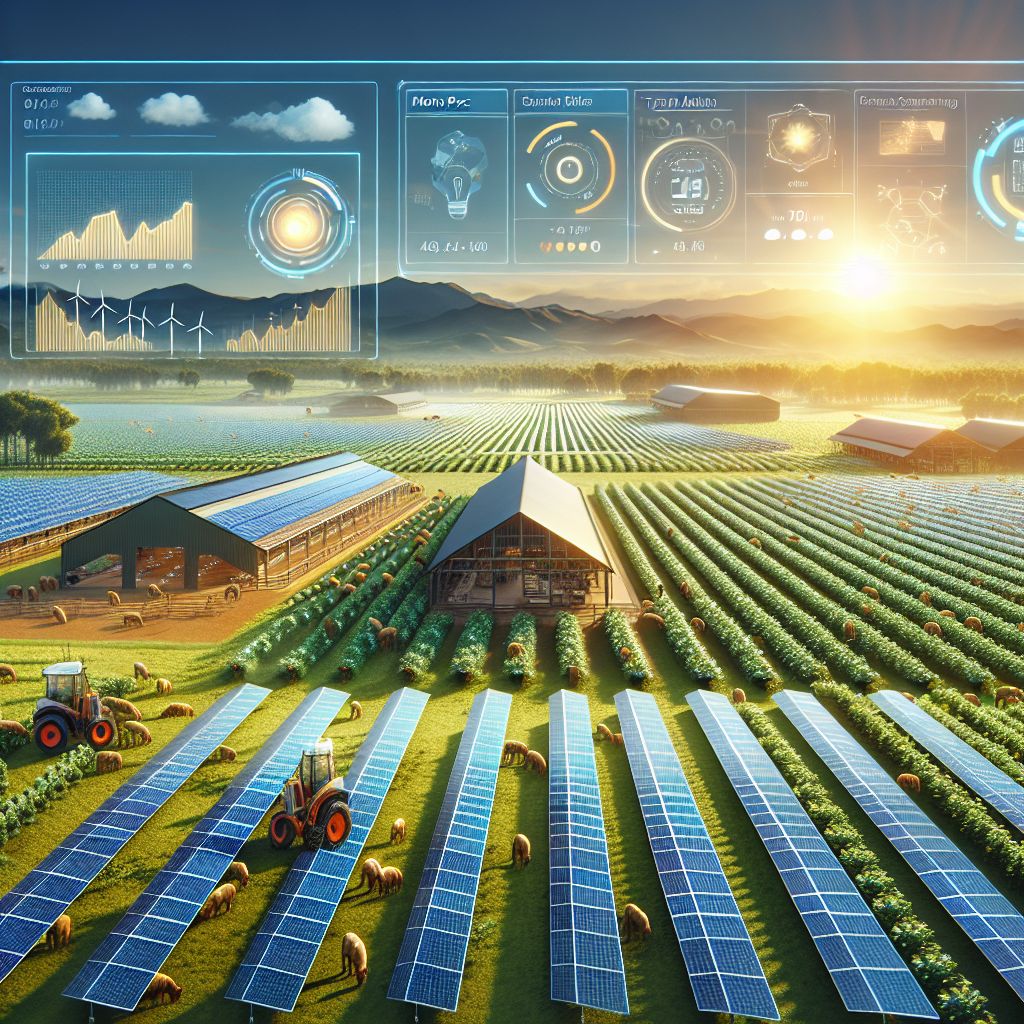
The future of solar technology in agriculture looks promising, with advancements continually being made to improve efficiency and reduce costs. As more farmers adopt solar energy, we can expect to see even greater innovations in the field. For example, technologies like Mono PERC, HJT & TOPCon are becoming increasingly popular due to their enhanced performance.
Trends in Solar Technology Adoption
Currently, there’s a growing trend of farmers embracing solar technology to power their operations. This shift is driven by the desire to reduce energy costs and minimize environmental impact. As awareness of the benefits of solar energy increases, more farmers are expected to make the transition.
Potential for Technological Advancements
- Improved efficiency and energy output.
- Reduced production and installation costs.
- Integration with smart farming technologies.
Technological advancements in solar energy are expected to continue, with a focus on improving efficiency and reducing costs. This includes the development of more efficient solar cells and the integration of solar technology with smart farming solutions.
These advancements will make solar energy even more accessible and attractive to farmers, allowing them to harness the sun’s power more effectively and sustainably. As technology evolves, we can expect to see even greater benefits for the agricultural sector. For those interested in exploring options, learning about the best solar panels for farm power can provide valuable insights.
Besides that, the integration of solar energy with smart farming technologies will enable farmers to optimize their energy use and improve overall farm efficiency. This will lead to increased productivity and profitability, further driving the adoption of solar technology in agriculture.
Impact on Sustainable Farming
Solar technology plays a vital role in promoting sustainable farming practices. By reducing reliance on fossil fuels, solar energy helps decrease greenhouse gas emissions and supports a healthier planet.
Moreover, solar energy provides a reliable and sustainable energy source that can power various farm operations, from irrigation systems to lighting and machinery. This ensures that farms can operate efficiently and sustainably, even in remote locations.
For example, a farm in a rural area with limited access to traditional energy sources can use solar panels to power its operations, reducing its environmental impact and energy costs. This not only benefits the farm but also contributes to the broader goal of sustainable agriculture.
Conclusion
- Solar technology offers significant benefits for farmers, including reduced energy costs and environmental impact.
- TOPCon, HJT, PERC, and HPBC panels each have unique advantages and challenges.
- Choosing the right technology depends on the farm’s specific needs and goals.
In conclusion, solar technology presents a powerful opportunity for farmers to reduce energy costs, improve sustainability, and enhance productivity. With various options available, including PERC panels, TOPCon, HJT, and HPBC panels, farmers can select the technology that best suits their needs.
By carefully evaluating their energy requirements, budget, and long-term goals, farmers can make informed decisions that will benefit their operations and the environment. As solar technology continues to advance, the future of sustainable farming looks bright.
Ultimately, the transition to solar energy is a step toward a more sustainable and prosperous future for the agricultural sector. By embracing this technology, farmers can contribute to a healthier planet while improving their bottom line. For those interested in exploring the best options, here are some solar panel types and options for farmers.
Going over Key Points
To summarize, solar technology offers a range of benefits for farmers, including cost savings, sustainability, and reliability. By selecting the right technology for their needs, farmers can harness the power of the sun to power their operations efficiently and sustainably.
Whether opting for the high efficiency of TOPCon and HPBC panels or the cost-effectiveness of PERC technology, farmers have a variety of options to choose from. With careful consideration and planning, they can make the transition to solar energy and enjoy its many advantages.
Which is the Best Solar Panel a Farmer to Use Powering the Farm
The best solar panel for a farm depends on various factors, including energy needs, budget, and long-term goals. TOPCon panels offer high efficiency and are ideal for large-scale operations, while PERC panels provide a cost-effective solution for smaller farms. HJT and HPBC panels offer advanced technology and performance, making them suitable for forward-thinking farms. By evaluating these factors, farmers can select the most suitable solar technology for their operations.
Frequently Asked Questions (FAQ)
“Solar technology offers farmers a sustainable and cost-effective energy solution, reducing reliance on fossil fuels and minimizing environmental impact.” – Solar Energy Expert
Solar technology is a valuable investment for farmers looking to reduce energy costs and improve sustainability. With various options available, farmers can select the best technology for their needs and goals.
By embracing solar energy, farmers can contribute to a healthier planet and enjoy the benefits of reduced energy costs and improved productivity. With the right technology and planning, the future of sustainable farming looks bright.
What is the most efficient solar technology for farmers?
TOPCon and HPBC panels are among the most efficient solar technologies available, offering high energy output and reliability. These panels are ideal for farms with high energy demands, providing consistent and reliable power.
How do solar panels benefit agricultural operations?
Solar panels offer numerous benefits for agricultural operations, including improved energy efficiency and cost savings. Farmers can explore various options, such as using solar panels to power their farms, which can significantly enhance their operational capabilities.
- Reduced energy costs and reliance on fossil fuels.
- Consistent and reliable energy supply for farm operations.
- Environmental sustainability and reduced carbon footprint.
By harnessing solar energy, farmers can power various operations, from irrigation systems to lighting and machinery, improving productivity and efficiency.
Are there any government subsidies for installing solar panels on farms?
Yes, many governments offer subsidies and incentives to encourage the adoption of solar energy in agriculture. These can include various benefits and solutions, such as those outlined in the article on thin-film solar panels powering farms.
- Tax credits and rebates for solar panel installation.
- Grants and funding for renewable energy projects.
- Financing options to reduce upfront costs.
Farmers should research available incentives in their region to take advantage of these opportunities and reduce the cost of solar panel installation.
What maintenance is required for solar panels on farms?
Regular maintenance is essential to ensure the optimal performance of solar panels on farms. This includes cleaning the panels to remove dust and debris, conducting annual inspections to check for damage or wear, and monitoring system performance to ensure maximum energy output.
How do I choose the right solar technology for my farm?
To choose the right solar technology for your farm, consider the following factors:
1. Assess your farm’s energy needs and budget constraints.
2. Evaluate the efficiency and cost-effectiveness of different solar technologies.
3. Consider long-term goals and potential savings on energy costs by exploring options like PERC solar panels.
4. Research available incentives and financing options to reduce upfront costs.
Solar technology advancements are transforming the agricultural industry, offering farmers efficient and sustainable energy solutions. Among the leading technologies, Mono PERC, HJT, and TOPCon are gaining popularity for their high efficiency and performance. These innovations not only reduce energy costs but also contribute to a greener environment, making them an ideal choice for modern farming operations.


Leave a Reply