
Key Takeaways
- Solar panel theft on farms has increased by 87% in the last three years, with thieves specifically targeting remote agricultural installations
- The average farm loses $25,000-45,000 in equipment, operational disruptions, and replacement costs when solar panels are stolen
- Physical security measures like tamper-proof hardware and security fencing can reduce theft risk by up to 70%
- Electronic monitoring systems that send real-time alerts when tampering occurs allow for immediate response before panels are removed
- SolarGuard Pro’s farm security specialists offer customized solar protection plans specifically designed for agricultural properties
Solar panel theft has become a serious threat to modern farming operations, with sophisticated criminals targeting these valuable assets at an alarming rate. If you’ve invested in solar technology for your farm, protecting those panels isn’t optional—it’s essential for your operation’s financial health and energy independence.
As renewable energy adoption grows across the agricultural sector, so does the incentive for thieves to target unprotected solar installations. Farm locations often combine high-value equipment with remote settings and minimal surveillance, creating perfect opportunities for criminals. Working with security experts like SolarGuard Pro can help identify vulnerabilities specific to your farm before thieves exploit them.
Solar Panel Theft: A Growing Threat to Farm Operations
Solar panel theft has increased dramatically in rural areas, with agricultural properties particularly vulnerable due to their isolated locations and valuable equipment. Professional thieves can strip an entire solar array in under 30 minutes, often striking during pre-dawn hours when detection is unlikely. The FBI reports that organized criminal groups are increasingly targeting farm solar installations specifically, with some operations stealing over $1 million in panels annually from agricultural properties.
Why Thieves Target Farm Solar Panels
Understanding why thieves target farm solar panels is the first step toward creating effective security measures. Unlike random acts of vandalism, solar panel theft is typically calculated and deliberate, with criminals specifically seeking out vulnerable farm installations. For more insights, check out this guide to farm security.
High Resale Value in Black Markets
Solar panels represent a perfect storm of value for thieves: high worth, relatively easy to transport, and difficult to trace without proper documentation. On black markets, stolen panels typically fetch 50-60% of retail value, making a standard farm array worth thousands in illicit sales. The components themselves—particularly the inverters and copper wiring—can be stripped and sold separately, further incentivizing theft. These factors create substantial profit potential for criminals targeting agricultural solar installations.
Remote Locations Make Easy Targets
Farm properties present ideal theft opportunities due to their isolated locations, limited surveillance, and predictable patterns of human activity. Many farms have solar arrays installed in open fields or on outbuilding rooftops, visible from public roads but far from main residences. Thieves can easily scout locations during daylight hours, noting security measures (or lack thereof) while appearing to be ordinary passersby. The substantial distance between neighboring properties in rural areas further reduces the likelihood of witnesses, allowing criminals to work undetected.
Quick Removal Methods Used by Criminals
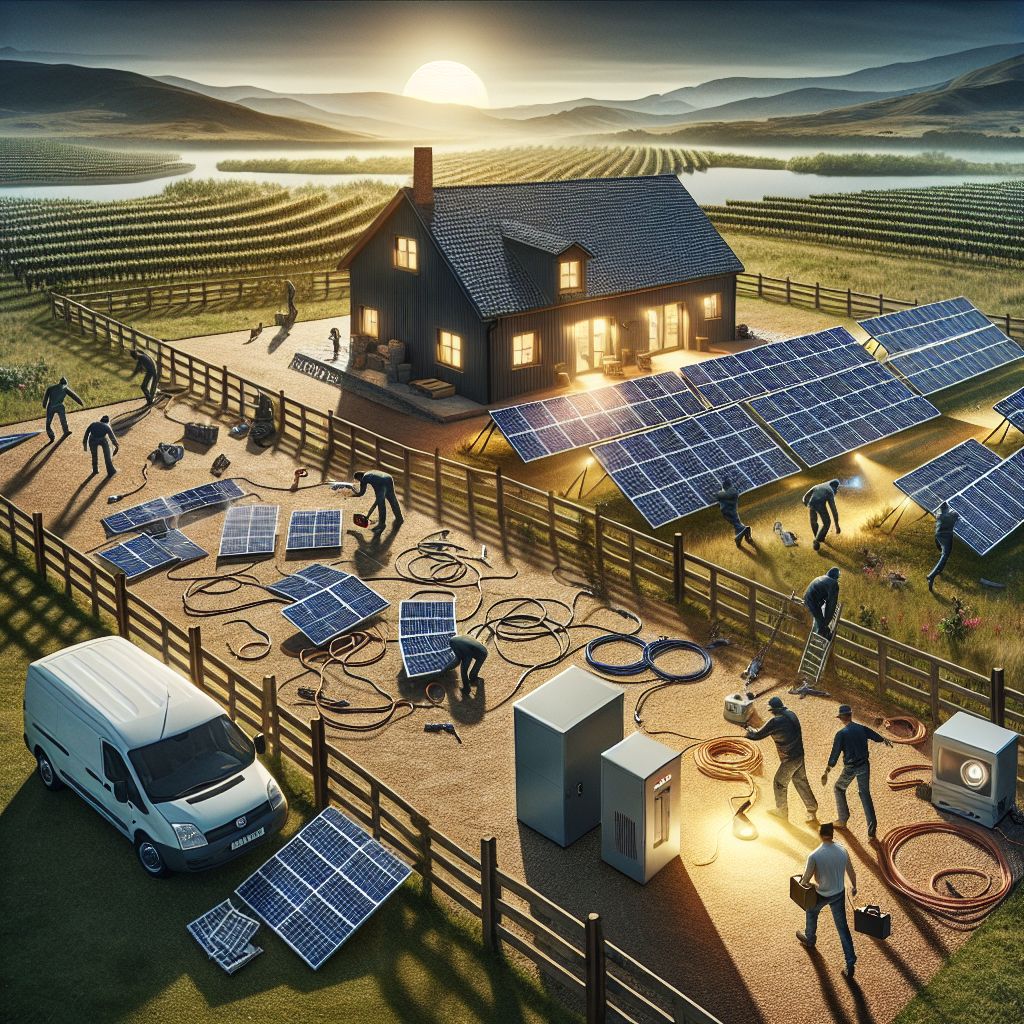
Professional thieves have developed efficient techniques for removing solar panels quickly, often completing the theft in 15-30 minutes. Using cordless power tools and working in small teams, they can dismantle standard mounting hardware with minimal noise. Some criminal operations arrive with false service vehicle markings to avoid suspicion if spotted on your property. The modular nature of solar installations makes them particularly vulnerable—panels designed for easy installation are unfortunately also designed for relatively easy removal.
Theft Case Study: In Lancaster County, a 50-acre family farm lost 32 solar panels valued at $38,000 in a single night. The thieves disabled a basic motion light and removed the panels in approximately 45 minutes. The farm’s irrigation systems were inoperable for 3 weeks during replacement, resulting in crop losses exceeding $15,000 during a critical growing period. Following the installation of tamper-proof mounting hardware, perimeter sensors, and cellular-connected cameras, no further theft attempts occurred in the subsequent 18 months. For more tips on securing your solar panels, check out this guide to farm solar panel security.
The Real Cost of Solar Panel Theft
The financial impact of solar panel theft extends far beyond the replacement cost of the hardware itself. When thieves target your farm’s solar installation, the ripple effects can compromise your entire operation’s viability and profitability for months afterward. To understand the broader implications, consider how solar power is transforming modern farming and the integral role it plays in agricultural success.
Immediate Financial Losses
When solar panels are stolen from your farm, the immediate replacement costs are staggering. A typical 10kW agricultural system costs between $15,000-25,000 to replace, with specialty panels for specific farm applications running even higher. Insurance policies often don’t cover the full replacement value, leaving substantial out-of-pocket expenses. Most concerning, many farm insurance policies include specific exclusions or coverage limits for renewable energy equipment, creating unexpected financial exposure when you can least afford it.
Operational Disruptions to Your Farm
The operational impact of solar panel theft often exceeds the hardware costs themselves. When panels powering irrigation systems are stolen during growing season, crop losses can quickly spiral into tens of thousands of dollars. Critical climate control systems for livestock buildings can fail, threatening animal welfare and production. Even routine operations like automatic feeding systems and security lighting become compromised, requiring expensive emergency generators or utility reconnections. The average replacement timeline—from theft discovery to full system restoration—ranges from 3-8 weeks, creating extended vulnerability.
Insurance Premium Increases
Following a solar panel theft claim, farms typically experience insurance premium increases of 15-30% for at least three years. Some insurers may even decline coverage renewal or impose strict security requirements as conditions for continued protection. The long-term insurance impact can add thousands to your operating costs annually. These increases affect not just your solar equipment coverage but often your entire farm policy, compounding the financial damage from a single theft incident.
Physical Security Measures That Work
Physical barriers remain your first and most effective line of defense against solar panel theft. Unlike electronic systems that notify you after a theft begins, properly designed physical security measures prevent criminals from accessing your panels in the first place. Implementing multiple layers of physical deterrents dramatically increases the time and effort required for theft, often causing thieves to abandon the attempt entirely.
1. Tamper-Proof Mounting Hardware
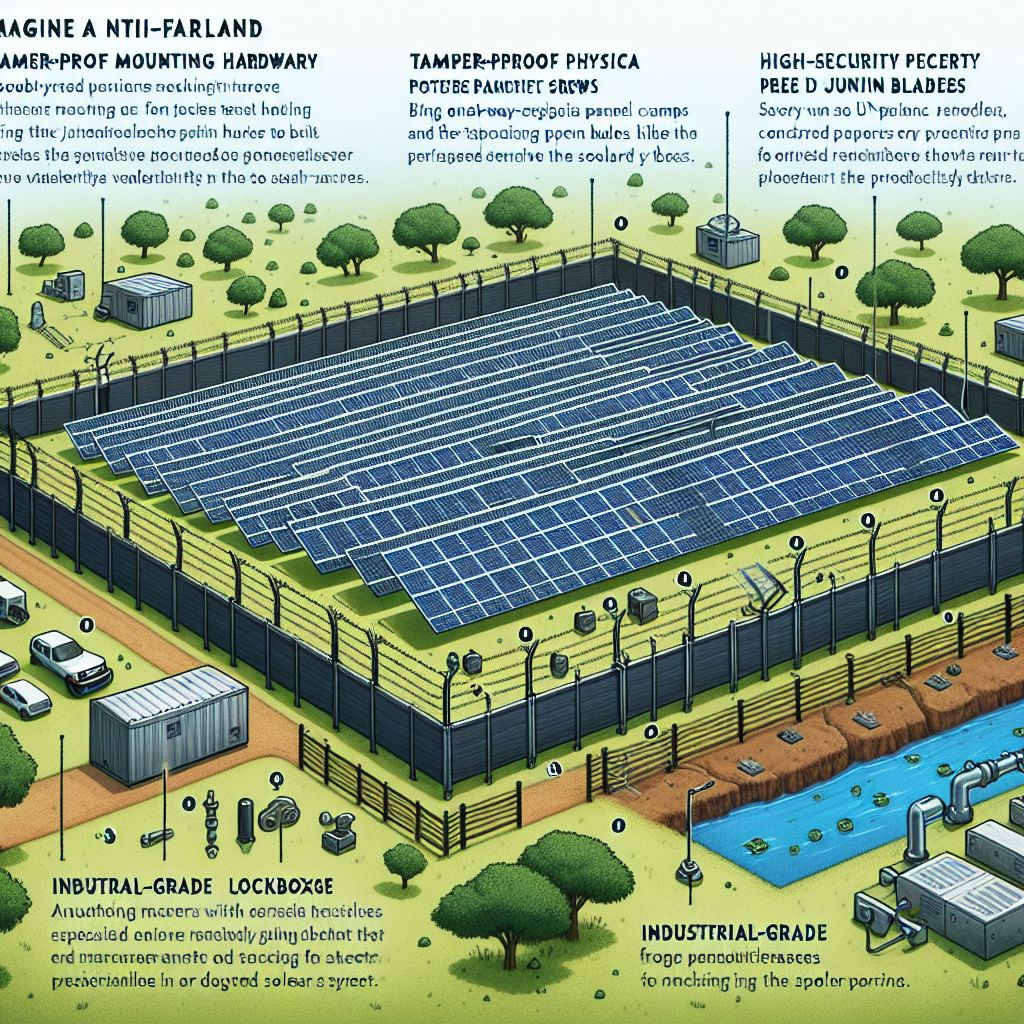
Standard solar panel installations use basic fasteners that can be removed with common tools in minutes. Replacing these with security hardware creates significant theft resistance without major expense. One-way security screws, which can be installed but not easily removed, force thieves to destroy panels during removal attempts, eliminating their resale value. Specialized panel clamps with proprietary removal tools provide even stronger protection while maintaining professional appearance. For maximum security, consider welded mounting frames and encapsulated fastener systems that require specialized equipment to dismantle.
2. Security Fencing Options
Strategic fencing creates both physical barriers and psychological deterrents for potential thieves. Agricultural security fencing with climb-resistant mesh designs and 8-foot minimum heights has proven most effective for ground-mounted systems. Adding angled top sections with barbed or concertina wire extensions increases difficulty significantly while remaining appropriate for farm settings. For comprehensive protection, incorporate concrete footers extending 12-18 inches below ground level to prevent intruders from accessing panels by cutting or lifting fence sections.
3. Strategic Placement on Your Property
The physical location of your solar array significantly impacts its security profile. Installing panels within clear sightlines of occupied farm buildings increases natural surveillance opportunities. Consider consolidating multiple small arrays into fewer, more easily monitored installations when possible. Avoid placements visible from public roads that allow thieves to observe security measures and plan entry points. For ground-mounted systems, positioning arrays against natural barriers like water features or dense vegetation can reduce access points requiring monitoring.
4. Anti-Theft Marking Systems
Permanent identification marking drastically reduces the resale value of stolen panels by making them easily identifiable. UV-resistant property marking with your farm’s information, applied with indelible methods, creates evidence linking thieves to your specific property. Microdot technology—embedding thousands of microscopic identifiers throughout the panel—provides forensic-level identification even when visible markings are removed. Some manufacturers now offer factory-embedded RFID chips that can be scanned to verify ownership, particularly valuable for insurance claims and recovery identification.
5. Lockable Junction Boxes
Reinforcing junction boxes with tamper-resistant enclosures eliminates an often-overlooked vulnerability in solar systems. Standard electrical connections are frequently targeted first, allowing thieves to disconnect panels safely before removal. Industrial-grade weatherproof lockboxes with hardened steel construction protect these critical connection points. For comprehensive protection, route conduit and wiring through protective metal sleeves to prevent cutting access. This simple upgrade dramatically increases the time required for theft, often beyond what criminals are willing to risk.
Here is a table summarizing physical security measures that help keep thieves away from farm solar panels:
|
Security Measure |
Description & Implementation Details |
Why It’s Effective |
|---|---|---|
|
Perimeter Fencing |
Install industrial-grade fencing (e.g., welded mesh, chain link) 2–2.4m tall, often with barbed wire and anti-climb features. | |
|
Secure Gates & Access Control |
Use lockable automatic gates with high-security padlocks or key card/biometric systems. |
Restricts entry to authorized personnel only. 3 |
|
Tamper-Proof Fasteners |
Mount panels with anti-tamper bolts, screws, or proprietary locks that require special tools for removal. | |
|
Security Cages/Panel Caging |
Enclose individual or high-value panel arrays in tamper-resistant metal cages. |
Prevents direct access and removal of panels. 3 |
|
Motion-Activated Lighting |
Install strategically placed bright lights that activate with movement, especially at night. | |
|
CCTV & Surveillance Cameras |
Set up cameras (ideally with night vision) to monitor the farm perimeter and panel arrays; integrate with alarms if possible. | |
|
Panel Marking & Identification |
Mark solar panels with UV-etched serial numbers or microdots for traceability. |
Discourages resale and helps recover stolen panels. 1 |
|
Security Signage |
Place clear warning signs about surveillance, restricted access, and prosecution. |
Increases perceived risk for intruders. |
|
Smart Fencing/Seismic Sensors |
Equip fences with sensors to detect climbing/cutting, or install seismic sensors to notice tunneling or tampering. |
Adds rapid alerts for unusual activity. 2 |
|
Regular Patrols & Inspections |
Employ staff or security partners to conduct random patrols and regular checks of equipment and barriers. |
Electronic Security Solutions
While physical barriers form your first line of defense, electronic security systems provide critical monitoring and response capabilities. Modern farm security technology offers real-time alerts and evidence collection specifically designed for agricultural settings and remote solar installations. The most effective systems combine 24/7 monitoring with immediate notification capabilities to enable rapid response.
When selecting electronic security for your farm’s solar installation, prioritize systems designed for agricultural environments—standard residential equipment often fails under farm conditions. Look for equipment with extended temperature ranges, dust/moisture resistance, and lightning protection. Systems with battery backup and cellular communication prevent thieves from disabling security by cutting power or internet connections.
Farm-Specific Security Camera Systems
Agricultural security cameras differ significantly from residential systems, offering features essential for solar installation protection. Look for cameras with minimum 100-foot night vision capabilities using infrared illumination invisible to intruders. Wide-angle lenses covering 110-130 degrees provide comprehensive coverage with fewer units. For remote installations, solar-powered camera systems with cellular connectivity eliminate the need for external power or network wiring that thieves could disable. Most importantly, select cameras with onboard recording or cloud backup to preserve evidence even if equipment is damaged or stolen.
Motion-Activated Lighting
Strategic lighting remains one of the most cost-effective security investments for protecting farm solar installations. Modern solar-powered security lights eliminate wiring vulnerabilities while providing illumination exactly where needed. For maximum deterrence, install dual-zone systems that trigger low-level illumination when motion is detected at perimeter areas, transitioning to full brightness as intruders approach critical areas. Combining lighting with audio warnings creates powerful psychological deterrents, with some systems capable of broadcasting customized voice messages warning intruders they’ve been detected.
The most effective farm lighting systems integrate with other security components for coordinated response. When camera systems detect movement, lighting activates to improve image quality while simultaneously making intruders aware they’re being recorded. For large installations, sequential zone activation creates the impression of human response, significantly increasing deterrent effect. For more on how technology is transforming agriculture, explore solar power’s impact on modern farming.
- Perimeter lighting: Establishes the protected boundary and provides initial detection
- Pathway lighting: Illuminates potential approach routes to solar installations
- Panel area lighting: Provides full visibility of the actual solar equipment
- Access point lighting: Focuses on gates, doors, and other controlled entry points
- Building-mounted lighting: Covers blind spots and creates overlapping protection zones
For maximum effectiveness, position lighting to create contrast between intruders and backgrounds rather than simply flooding areas with brightness. Directional lighting that illuminates approach paths while minimizing glare on camera lenses provides both deterrence and evidence collection capabilities.
Alarm Systems That Actually Deter Thieves
Modern farm alarm systems offer specialized features designed specifically for solar panel protection. Panel-mounted vibration sensors detect tampering attempts before thieves can remove equipment, triggering immediate alerts. Perimeter breach detection using buried sensor cables or infrared beams creates invisible protection boundaries around installations. For comprehensive protection, consider systems with multiple alert methods—local sirens, remote notifications, and automatic law enforcement contact—ensuring response even when the farm is unoccupied. For more insights on how solar power can benefit your farm, explore solar power advantages in agriculture.
The most effective alarm configurations incorporate verification features to confirm actual threats versus false alarms. Systems that activate cameras when sensors trigger allow immediate visual verification through smartphone apps. Some advanced systems even deploy automatic drone cameras to investigate triggered zones, providing aerial surveillance without human response. These verification capabilities dramatically improve response times from security companies and law enforcement, who prioritize verified active threats.
Smart Monitoring Technology
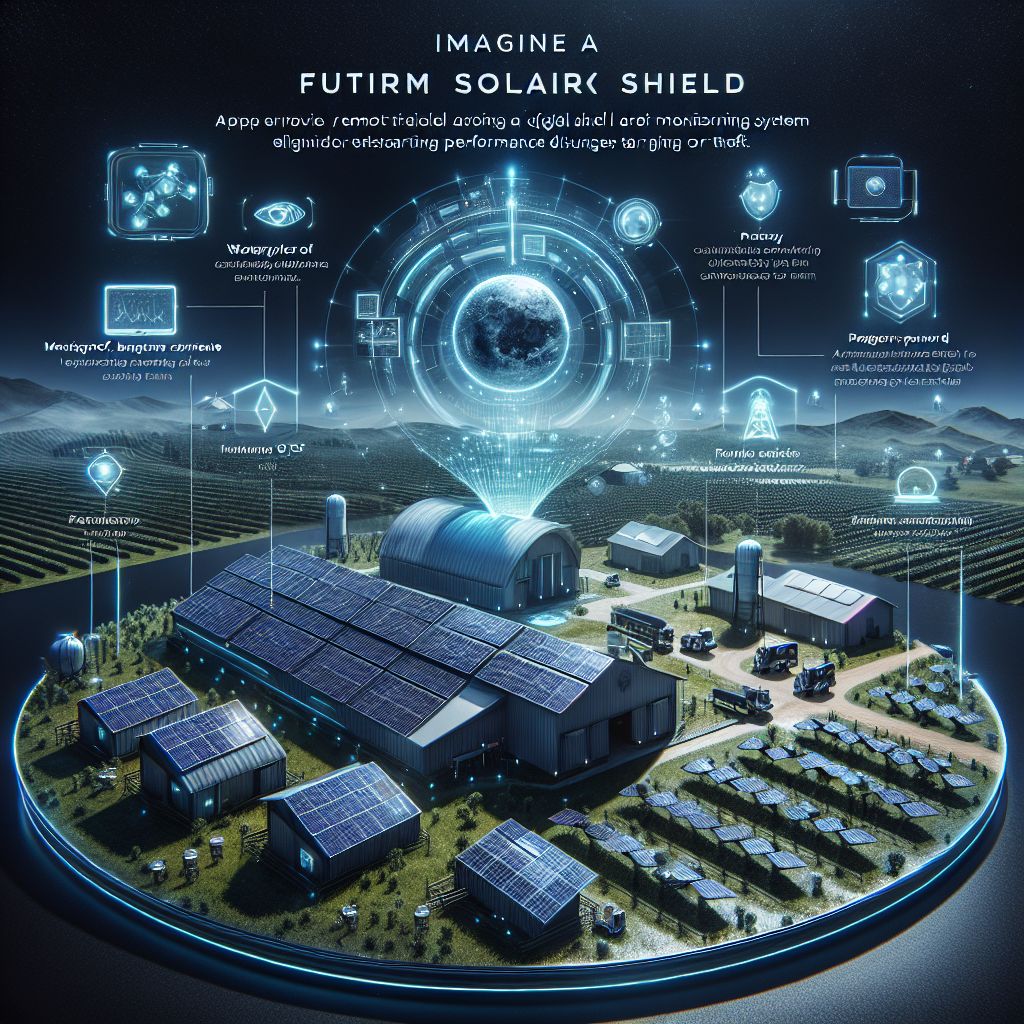
Advanced monitoring technology creates a powerful digital shield around your farm’s solar investment, providing real-time awareness that extends far beyond basic security cameras. These systems integrate directly with your solar equipment to detect performance anomalies that may indicate tampering or theft attempts.
Remote Monitoring Apps
Modern monitoring applications have transformed how farmers protect their solar installations, providing comprehensive oversight from anywhere. These apps deliver real-time alerts when suspicious activity occurs, showing precisely which panels are affected and the nature of the disturbance. Advanced systems incorporate AI-driven analytics that distinguish between natural events like wildlife movement and actual theft attempts, reducing false alarms. Most importantly, these platforms provide immediate notification through multiple channels—push notifications, text messages, and automated calls—ensuring you’re aware of threats regardless of your location.
Many monitoring solutions now integrate directly with farm management software, creating unified security dashboards that protect all farm assets simultaneously. This integration enables coordinated responses across multiple systems, such as automatically increasing lighting or activating additional cameras in threatened areas. For farms with limited staff, these automation capabilities ensure consistent protection without requiring constant human oversight.
Power Output Alerts
One of the most effective theft detection methods leverages the solar system’s own performance data to identify suspicious changes. Intelligent monitoring systems establish baseline performance patterns for your specific installation and immediately flag sudden output drops that don’t correspond with weather conditions. These systems can detect when individual panels go offline—often the first sign of theft in progress—and trigger immediate security responses. For comprehensive protection, configure alerts with progressive escalation, starting with owner notification for minor anomalies and automatically contacting security services for significant disruptions. To learn more about safeguarding your solar investment, check out this comprehensive guide to solar farm security.
The most sophisticated monitoring platforms incorporate predictive analytics that identify potential security vulnerabilities before thieves can exploit them. By analyzing historical performance data, weather patterns, and security incidents at similar installations, these systems can recommend preventative measures specific to your farm’s unique risk profile.
GPS Tracking Solutions
Concealed GPS tracking devices provide a powerful last line of defense when other security measures fail. Modern trackers designed specifically for solar applications are battery-powered, weatherproof, and small enough to remain hidden within panel frames or junction boxes. Advanced models include motion-activated cellular reporting that remains dormant until movement is detected, preserving battery life for months or years. For maximum effectiveness, distribute multiple trackers randomly throughout your installation rather than following predictable patterns that thieves might anticipate.
Recovery rates for GPS-protected solar equipment exceed 80% when trackers are properly installed and monitored. Many systems now integrate with law enforcement databases, automatically generating theft reports with real-time location data when unauthorized movement is detected. Some insurance providers offer premium discounts for farms utilizing approved tracking systems, recognizing their effectiveness in reducing claims.
Creating a Farm Security Plan
Protecting your solar investment requires more than individual security components—it demands a comprehensive strategy tailored to your specific operation. A systematic security plan coordinates all protective measures while addressing your farm’s unique vulnerabilities and operational requirements.
Risk Assessment Steps
Begin your security planning with a thorough evaluation of your current vulnerabilities and threat landscape. Document all access points to your solar installation, noting natural surveillance opportunities and existing security measures. Analyze local theft patterns by consulting with neighboring farms and law enforcement about recent incidents and techniques used. Most importantly, evaluate your current solar equipment for security features or weaknesses, particularly focusing on mounting hardware, wiring connections, and monitoring capabilities.
For maximum effectiveness, conduct your assessment during different times of day and weather conditions to identify visibility issues or lighting concerns that might not be apparent during a single inspection. Consider seasonal changes in vegetation, farm activities, and daylight hours that might create temporary security gaps throughout the year. For more detailed insights, you can explore this guide on farmers’ solar panel security tips.
Layered Security Approach
Implement protection using the “concentric circle” methodology, creating multiple security layers that thieves must breach. The outer perimeter should include access control measures like gates, fencing, and property signage establishing boundaries. Middle zones incorporate detection systems such as motion sensors, cameras, and lighting that alert you to unauthorized presence. The innermost layer directly protects the panels themselves with specialized hardware, physical barriers, and tamper-detection technology.
This layered approach forces potential thieves to overcome multiple obstacles, significantly increasing their risk of detection and apprehension. Each security component should complement others—for example, positioning cameras to monitor areas illuminated by motion lights, or installing alarm sensors that trigger both local sirens and remote notifications simultaneously. For more insights on how solar power is transforming agricultural practices, check out this article on solar power in modern farming.
Staff Training Essentials
Your farm’s security system is only as effective as the people operating it. Develop clear security protocols for all farm employees, including regular inspection routines for solar installations and reporting procedures for suspicious activity. Conduct practical training sessions covering system operation, including how to arm/disarm alarms, review camera footage, and respond to security alerts. Establish clear responsibility chains for security oversight, particularly during weekends, holidays, and other periods when normal farm operations might be reduced.
For farms with multiple employees, implement an authorization system that tracks who accesses solar installation areas and when. Regular security briefings keep awareness high, particularly when seasonal workers join your operation who might not be familiar with security procedures. Document all security protocols in your farm’s operational handbook, ensuring consistency even during staff transitions.
What To Do If Your Panels Are Stolen
Despite your best preventative measures, theft can still occur. Having a predetermined response plan significantly improves your chances of recovery while minimizing operational disruptions and financial losses. To understand more about how solar power is being integrated into agriculture, check out how solar power is transforming modern farming.
Immediate Response Checklist
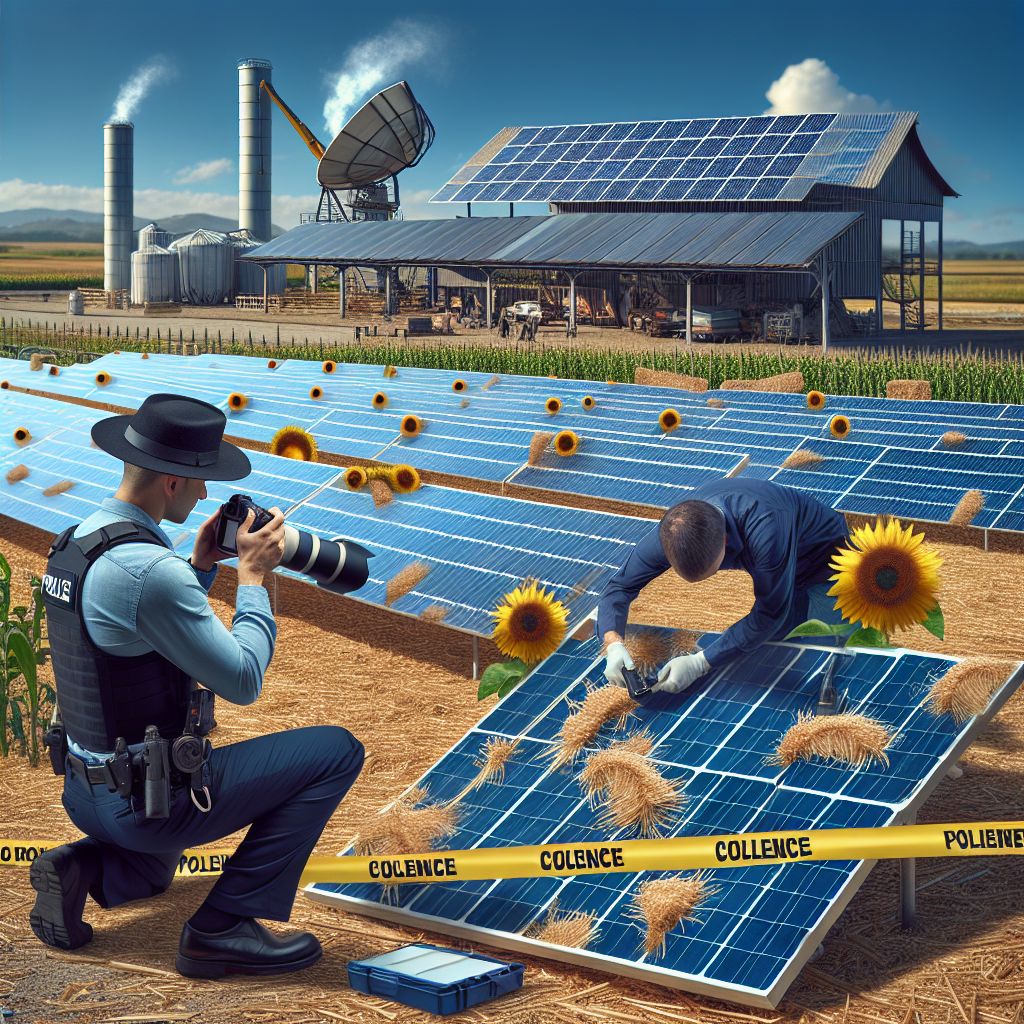
The first 24 hours following theft discovery are critical for both recovery possibilities and insurance documentation. Contact law enforcement immediately, requesting an on-site officer rather than simply filing a report by phone. Secure the scene to preserve evidence, avoiding unnecessary disturbance of the area around the installation. Document everything thoroughly before cleanup or repairs begin, including wide-angle photographs showing the entire scene and detailed images of specific damage points.
While waiting for authorities, begin assembling all relevant documentation including installation records, maintenance history, and any security footage available. Check neighboring properties or buildings for security cameras that might have captured approach routes or vehicles. If you have GPS trackers installed, immediately activate recovery mode and provide location information to responding officers.
Documentation for Insurance Claims
Comprehensive documentation dramatically improves your claim outcomes and processing speed. Provide your insurer with detailed inventory lists including make, model, serial numbers, and purchase dates for all stolen equipment. Include original purchase invoices, installation contracts, and recent maintenance records establishing the system’s condition prior to theft. Document secondary damages beyond the panels themselves, including electrical components, mounting hardware, and any structural damage to buildings or supports.
Working With Law Enforcement
Maximize recovery chances by providing investigators with specific information that distinguishes your equipment. Share any identifying features including farm name engravings, colored markings, or distinctive installation methods. If you have panel serial numbers recorded, distribute these to local recycling centers and solar installation companies who might be approached to purchase or install stolen equipment. Many departments now maintain agricultural crime units with specialized knowledge of solar theft investigations—request these resources if available in your area.
Follow up regularly on your case, providing any additional information or evidence discovered after the initial report. Some rural jurisdictions have established regional task forces for solar and agricultural equipment theft that can coordinate across county or state lines—particularly important since stolen panels are frequently transported significant distances for resale.
Cost-Effective Security Options for Small Farms
Comprehensive security doesn’t necessarily require substantial investment. Strategic application of basic measures often provides significant protection without major expense, particularly for smaller solar installations.
Budget-Friendly Security Measures
Focus initial investments on fundamentals that provide maximum deterrent value per dollar spent. Replace standard mounting hardware with security fasteners that require specialized tools for removal, immediately increasing theft difficulty without major expense. Install motion-activated LED flood lighting covering panel approaches and installation areas, creating highly visible security that functions as both deterrent and detection.
Enhance physical security by reinforcing existing infrastructure rather than building new systems. Add additional bracing to panel mounts, making removal more time-consuming and difficult. Install simple hasp locks on electrical boxes and connection points to prevent easy disconnection. For ground-mounted systems, plant thorny barrier vegetation around installation perimeters, creating natural obstacles that deter casual approach.
Consider entry-level trail cameras designed for wildlife monitoring as an affordable alternative to full security systems. These battery-powered units offer motion detection, night vision, and onboard storage at fraction of commercial security camera cost. Position them inconspicuously to capture approach paths rather than just the panels themselves, providing valuable identification evidence if theft occurs. For more information on how solar power is transforming agriculture, you can read about solar power’s impact on modern farming.
- Wildlife cameras with cellular capability ($150-300 range)
- Solar-powered motion lights ($50-125 per fixture)
- Security fastener kits for standard panel sizes ($75-200 per array)
- Weatherproof padlocks and hasps for junction boxes ($25-75)
- Visible security signage and property markers ($30-50)
Maximize protection through strategic timing of security improvements. If full-scale implementation exceeds current budget, prioritize measures addressing your specific vulnerabilities first, then expand systematically as resources allow. Many equipment suppliers offer financing specifically for security upgrades, recognizing their role in protecting the primary investment.
DIY vs. Professional Installation
Carefully evaluate which security components can be self-installed versus those requiring professional expertise. Basic physical measures like security fasteners, simple lighting, and property marking can typically be implemented without specialized knowledge. However, systems integrated with electrical components, particularly those connecting to solar equipment itself, often require professional installation to maintain safety and warranty compliance. When obtaining quotes for professional security installation, ask about phased implementation options that allow you to spread costs over time while addressing critical vulnerabilities immediately.
Secure Your Investment, Protect Your Future
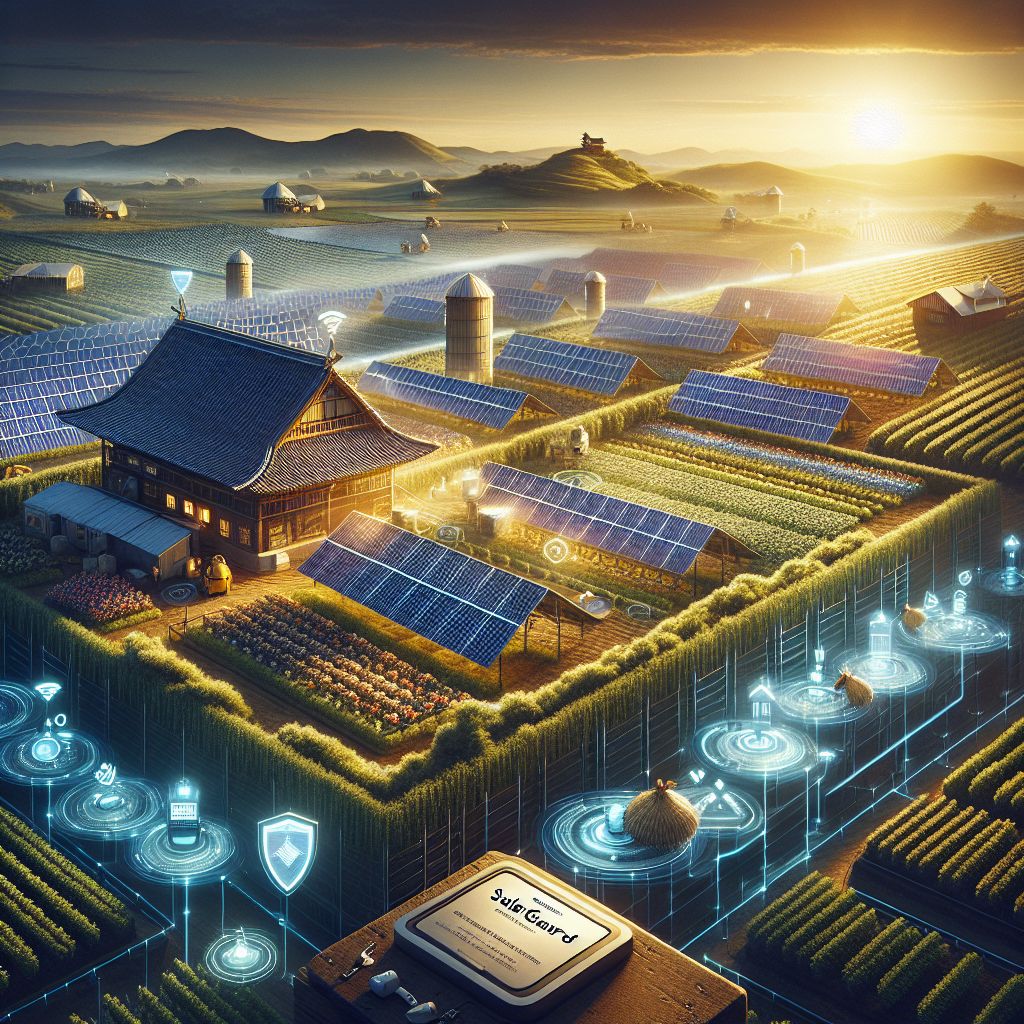
Protecting your farm’s solar installation isn’t just about preventing immediate losses—it’s about ensuring sustainable energy independence for your agricultural operation. Every security measure you implement creates compounding benefits: reduced insurance costs, operational reliability, and peace of mind knowing your investment remains secure. By combining physical barriers, electronic monitoring, and community cooperation, you create a comprehensive shield around the technology powering your farm’s future.
Remember that security is never finished but rather an ongoing process requiring regular assessment and adaptation. As thieves develop new techniques, your protection strategies must evolve accordingly. With the right approach, your solar installation will continue providing clean, reliable energy for your farm operations for decades to come. For customized security assessments and professional installation of farm-specific solar protection systems, SolarGuard Pro’s agricultural security specialists can develop comprehensive solutions tailored to your operation’s unique needs. For more insights, check out this guide on farmers’ solar panel security.
Frequently Asked Questions (FAQ)
Below are answers to the most common questions farmers ask about protecting their solar investments. These practical insights address real-world concerns based on actual theft incidents and security implementations across hundreds of agricultural operations.
Understanding these fundamentals helps you make informed decisions about which security measures will provide maximum protection for your specific situation while remaining compatible with normal farm operations.
How quickly can thieves remove solar panels from a farm?
Professional thieves can remove unsecured solar panels with alarming efficiency. A team of 2-3 experienced criminals can dismantle and remove 15-20 standard panels in approximately 30 minutes when targeting installations with basic mounting hardware. Their process typically begins with disconnecting electrical connections, then systematically removing mounting brackets starting from the array edges. Thieves generally bring battery-powered impact drivers, bolt cutters, and specialized prying tools specifically designed for quick panel removal.
The speed of theft varies significantly based on your security measures. Installations with tamper-resistant hardware, secure mounting frames, and properly implemented alarm systems extend removal time dramatically, often beyond what thieves consider acceptable risk. This time factor represents your greatest advantage—studies show that if removal requires more than 8-10 minutes for even a single panel, thieves typically abandon the attempt entirely.
Does farm insurance typically cover solar panel theft?
Standard farm insurance policies vary widely in their coverage of solar equipment. Most base policies include limited protection for permanently mounted equipment but often impose specific sublimits that fall well below replacement cost. Many policies require separate riders or endorsements specifically covering renewable energy systems, particularly for larger installations. Before assuming coverage exists, review your policy documents for exclusions related to theft, requirements for security measures, and any depreciation formulas applied to renewable equipment claims.
What are the most effective deterrents according to security experts?
Security professionals consistently identify layered protection combining visibility, physical barriers, and response capability as most effective. Tamper-resistant mounting hardware creates fundamental theft resistance regardless of other measures. Perimeter security that delays access to installation areas forces extended exposure time thieves seek to avoid. Motion-activated lighting combined with visible camera systems creates powerful psychological deterrents, particularly when signage clearly indicates monitoring. However, the single most effective element remains rapid response capability—systems that immediately notify security personnel or law enforcement when tampering occurs demonstrate consistently higher prevention rates than passive measures alone. For more insights on securing your solar investments, explore how solar panels offer environmental advantages and power efficiency.
Can I track stolen solar panels after they’ve been taken?
Recovery options depend entirely on preparation steps taken before theft occurs. Panels with properly installed GPS trackers concealed within frame elements or junction boxes can be tracked in real-time during and after theft. These specialized devices operate independently from the panel’s electrical system, transmitting location data directly to monitoring services and law enforcement. Without embedded tracking technology, recovery typically depends on identification through serial numbers, ownership markings, or distinctive physical characteristics documented before theft.
For maximum effectiveness, use tracking solutions specifically designed for solar applications rather than general-purpose GPS devices. Purpose-built trackers offer extended battery life, tamper detection capabilities, and weather resistance essential for agricultural environments. Some advanced systems even incorporate proximity sensing that triggers alerts when panels move beyond predetermined boundaries, enabling response before thieves leave your property. For more insights on how solar technology is transforming agriculture, check out solar power in modern farming.
How often should I update my farm’s security measures?
Security experts recommend comprehensive reviews of solar protection systems at least annually, with additional assessments following any theft incidents in your region. Schedule technical inspections of electronic security components every six months, checking for weather damage, battery condition, and sensor alignment. Test alarm notification systems monthly to verify proper communication with monitoring services and your personal devices. Most importantly, conduct periodic security drills with farm personnel to ensure everyone understands their responsibilities during potential theft situations.
Beyond scheduled reviews, remain attentive to emerging threats and security technologies throughout the year. Thieves continuously adapt their methods to counter common protections, requiring corresponding adjustments to your security approach. Industry publications, security forums, and agricultural extension services regularly publish updates on solar theft trends and countermeasures specific to farm environments.
The most effective security programs evolve continuously rather than remaining static, incorporating new protective layers as they become available while reinforcing fundamentals that have proven effective over time. By maintaining this proactive approach, you ensure your farm’s solar investment remains secure against both current and future theft threats.







Leave a Reply