

Key Takeaways
- The One Big Beautiful Bill Act (OBBBA) transforms solar incentives for farmers with 100% equipment write-offs for installations completed in 2025.
- Agricultural solar projects must begin construction before the critical 2026 deadline to maximize available tax benefits before they begin phasing out.
- New domestic content requirements limit panel options but create opportunities for American-made agricultural solar equipment.
- Rural Electric Cooperative programs under the bill provide specialized support for farm-based renewable energy projects.
- Farmers who combine solar installation with new agricultural buildings can stack multiple incentives for maximum financial benefit.
The agricultural landscape is changing faster than summer corn after a good rain. With the stroke of a pen on July 4th, 2025, the One Big Beautiful Bill Act (OBBBA) dramatically reshaped how solar energy integrates with farming operations across America. This isn’t just another policy tweak – it’s a fundamental shift in the economics of powering your farm.
For agricultural producers facing rising energy costs and increasingly unpredictable weather patterns, understanding these changes isn’t optional – it’s essential to maintaining competitive operations. Revel Energy, a leader in agricultural solar solutions, has been analyzing the bill’s implications specifically for farmers and ranchers who face unique energy challenges that urban businesses don’t.

The Big Beautiful Bill Just Changed Solar for Farmers – Here’s What You Need to Know
The OBBBA replaces the previous incremental approach to renewable energy with a comprehensive framework designed to accelerate adoption while simultaneously reshaping where and how solar equipment is manufactured. For agricultural operations, this means navigating new opportunities alongside some unexpected challenges.
Unlike previous legislation that simply extended existing credits, the Big Beautiful Bill fundamentally restructures incentives with agriculture-specific provisions. The most significant change? A clear timeline with accelerated benefits in the immediate term, followed by a structured phase-out that makes action in 2025-2026 critical for maximum savings.
The bill creates a perfect but brief window of opportunity for agricultural operations to capture unprecedented benefits, particularly those planning new farm buildings or major equipment upgrades in the next 18 months. With California agricultural electricity rates now among the highest in the nation, these changes arrive at a critical moment for farm profitability.
“The One Big Beautiful Bill delivers real, timely relief. Whether it’s financing a new agriculture building, getting started as a beginning farmer, or passing land to the next generation, this bill helps ensure that agriculture remains strong.” — Tina Barrett, Agricultural Tax Specialist
How the Big Beautiful Bill Actually Affects Farm Solar Projects
While headlines have focused on the political dimensions of the bill, the practical implications for farming operations are profound and multifaceted. The legislation touches everything from immediate tax treatment to long-term energy planning for agricultural businesses.
The 2026 Construction Deadline That Could Cost You Thousands
The most urgent aspect of the OBBBA for farmers considering solar is the 2026 construction deadline. Projects that begin construction after this date face significantly reduced incentives as the tax credits begin an accelerated phase-out. For a typical 100kW agricultural installation, this could mean a difference of $30,000-$50,000 in available tax benefits. The bill does provide “safe harbor” provisions allowing farmers to secure current incentive rates by purchasing equipment before deadline dates, even if full installation occurs later.
New Tax Write-Off Rules for Agricultural Solar Installations
Perhaps the most powerful immediate benefit is the 100% equipment write-off for qualified agricultural solar installations completed in 2025. Unlike previous laws that required depreciation over multiple years, farmers can now deduct the entire cost of their solar system against farm income in the first year. This creates an unprecedented opportunity for operations with significant tax liability to essentially receive their solar system at a steep discount when considering the immediate tax benefits.
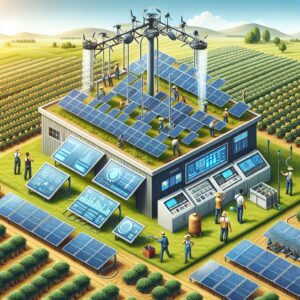
Additionally, the bill creates special carve-outs for agriculture-specific applications like solar irrigation systems, barn roof installations, and greenhouse integration. These specialized applications receive additional bonuses beyond the standard credits, acknowledging the unique ways farmers incorporate solar into working operations.
Dramatic Changes to Environmental Funding and Credits
The environmental aspects of agricultural solar now receive specific attention in the Big Beautiful Bill. Farms that incorporate pollinator habitats beneath ground-mounted arrays qualify for additional credit enhancements of 10% beyond the base rate. Similarly, solar projects that remediate or repurpose marginal farmland can access specialized environmental improvement funds.
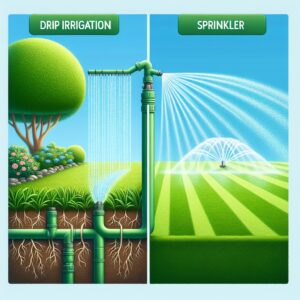
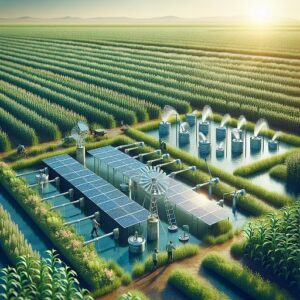
Critically for farmers in drought-prone regions, the bill also creates new incentives for solar-powered water conservation systems. Agricultural operations can receive up to 30% increased credits when solar directly powers irrigation efficiency improvements or water recycling systems – addressing both energy and water challenges simultaneously.

3 Major Wins for Farmers Under the Big Beautiful Bill
Behind the complex legislative language of the OBBBA lie several genuine advantages for agricultural operations considering solar energy. Understanding these benefits is essential for farmers making strategic decisions about their energy future and capital investments in the coming 18 months.
1. 100% Equipment Write-Offs for 2025 Farm Buildings with Solar
The crown jewel of the Big Beautiful Bill for farmers is undoubtedly the complete, first-year write-off for solar equipment installed on agricultural buildings in 2025. This provision essentially allows farmers to deduct the entire cost of solar panels, inverters, and mounting equipment against their farm income immediately, rather than depreciating it over multiple years. For a $100,000 system on a high-production dairy operation, this could generate $37,000 in federal tax savings in the first year alone.
What makes this especially powerful is that the bill allows these deductions to be combined with other agricultural building incentives. Farmers constructing new barns, equipment storage, or processing facilities can essentially integrate solar at dramatically reduced effective costs by capturing both building and energy incentives simultaneously. This creates a “perfect storm” of savings for operations planning facility upgrades.
2. Simplified Permit Process for Agricultural Solar Projects
One of the most overlooked but valuable aspects of the OBBBA is the creation of a streamlined permitting pathway specifically for agricultural solar installations. Previously, farmers often faced the same complex permitting process as commercial developers, despite the vastly different nature and impact of farm-based systems. The new Agricultural Solar Permit Program creates a standardized, expedited process for systems under 1MW that are installed on existing farm structures or non-prime agricultural land. To understand how these solar panels can benefit farming operations, explore the benefits of solar panels in agriculture.
This streamlining cuts typical permitting time from 3-6 months down to just 30 days for qualifying projects. The simplified process also reduces soft costs associated with engineering studies and environmental reviews when solar is incorporated into working farms. For agricultural operations where timing critical production cycles, this accelerated timeline can mean the difference between implementing a system in time for peak summer loads versus waiting until the following season.
3. Rural Electric Cooperative Support Programs
The Big Beautiful Bill contains specific provisions strengthening rural electric cooperatives’ ability to support farm-based renewable energy. These member-owned utilities, which serve many agricultural regions, now have access to special financing tools and technical assistance programs specifically for supporting agricultural solar projects within their service territories.
Cooperative utilities can now offer enhanced net metering programs, simplified interconnection, and specialized agricultural time-of-use rates that maximize the value of farm-generated solar power. The bill also creates a $500 million fund specifically for co-op infrastructure upgrades needed to accommodate higher levels of distributed generation from farming operations. This translates to reduced interconnection costs and faster approval times for farmers in rural cooperative territories.
Hidden Losses in the Fine Print for Agricultural Solar
Despite the significant benefits, several aspects of the Big Beautiful Bill create new challenges for farmers considering solar investments. Understanding these potential downsides is crucial before making major energy decisions for your agricultural operation.
Slashed Renewable Energy Credits Through 2027
While the bill front-loads benefits in 2025-2026, it also accelerates the phase-out of several key incentives starting in 2027. Agricultural operations that miss the initial construction deadlines will face rapidly diminishing incentives—the base credit rate drops from 30% to 22% in 2027, and further to 15% by 2029. This creates significant pressure to act within the narrow window of maximum benefit rather than allowing for more strategic long-term planning. For farmers considering solar energy, understanding the investment benefits of solar panels is crucial during this critical period.
Many farmers with tight capital constraints or who operate on seasonal cash flow cycles may find themselves unable to capitalize on the enhanced benefits simply due to the compressed timeline. This acceleration particularly affects smaller family farms that can’t quickly mobilize capital for major energy investments.
|
Year |
Base Credit Rate |
Ag-Specific Adders |
Effective Maximum Rate |
|---|---|---|---|
|
2025 |
30% |
+10% |
40% |
|
2026 |
30% |
+10% |
40% |
|
2027 |
22% |
+5% |
27% |
|
2028 |
18% |
+5% |
23% |
|
2029 |
15% |
+5% |
20% |
For farmers planning equipment replacements or facility upgrades on longer timeframes, this accelerated schedule creates difficult choices between adhering to optimal farm investment cycles versus capturing maximum solar incentives.
Stricter Domestic Content Requirements That Limit Options
The OBBBA introduces stringent domestic content requirements that significantly restrict equipment options for agricultural solar projects. To qualify for full incentives, systems must now incorporate at least 70% American-made components by value—substantially higher than previous requirements. While supporting American manufacturing is admirable, this immediate shift limits options precisely when demand is surging, potentially creating supply bottlenecks and price premiums for compliant equipment.
Rising Costs Due to New Foreign Entity Ownership Control Rules
Perhaps most concerning for agricultural operations with international ownership structures are the new “Material Assistance Restrictions” in the bill. These provisions disqualify projects from receiving incentives if they have substantial ownership or financing connections to specified foreign entities. This particularly impacts agricultural operations with international parent companies, overseas investors, or foreign financing arrangements, who may suddenly find themselves unable to access the enhanced incentives despite operating American farms.
Farmers with any degree of foreign ownership or financing should carefully review these restrictions before proceeding with solar investments. The bill creates a review process, but uncertainty around approval timelines could jeopardize projects attempting to meet the 2026 construction deadline.

Money-Saving Strategies for Farm Solar After the Bill
Despite the complexity of the Big Beautiful Bill, savvy agricultural operators can implement several strategies to maximize benefits while minimizing the new challenges. The key lies in understanding how to structure projects to capture multiple incentives simultaneously.
Many farmers are finding success by right-sizing their systems to match actual energy needs rather than maximizing available roof space. The bill rewards production efficiency over sheer system size, creating better returns for thoughtfully designed installations that precisely match farm load profiles.
Strategic timing also matters tremendously. Farms with major equipment replacements scheduled in the next 24-36 months should consider accelerating those plans to align with the solar installation timeline, potentially capturing multiple tax advantages in a single coordinated project.
Optimal System Sizing for Maximum Tax Benefits
The OBBBA creates a sweet spot for agricultural solar installations between 75kW and 250kW, where the combination of simplified interconnection, maximized incentives, and operational benefits align perfectly. Systems in this range typically offset 70-90% of a medium-sized farm’s electrical load while avoiding the more complex interconnection requirements that kick in at higher capacities. For more details on these solar investment tax credits, explore further insights.
Rightsizing is particularly critical for operations with seasonal energy usage patterns like irrigation pumping or cold storage. The bill’s incentives favor systems that match actual farm consumption rather than those sized primarily for maximum grid export. Working with an agricultural energy specialist to analyze 12-24 months of actual farm energy data before designing a system can significantly increase lifetime returns.
For livestock operations, dairy farms, and food processing facilities with consistent year-round loads, the sizing calculations should factor in potential future electrification of currently fossil-fueled processes to avoid undersizing systems that may need to support additional loads within 3-5 years.
Combining Solar with Farm Building Construction
One of the most powerful strategies available under the new legislation is combining solar installation with planned agricultural building construction or renovation. When integrated into initial building design rather than added afterward, solar installation costs typically decrease by 15-25%, and structural engineering is optimized for the additional roof load.
The combined incentives are particularly compelling. A new equipment storage building with integrated solar can potentially qualify for both the agricultural building deduction and the renewable energy credits simultaneously, effectively reducing the net cost by up to 60% compared to sequential projects. This approach also typically results in better-designed systems with improved airflow, maintenance access, and electrical integration.
Farmers planning any new construction in the next 18-24 months should evaluate incorporating solar from the initial design phase rather than treating it as a future addition. The construction deadline provisions make this strategy especially valuable for projects that can begin in 2025. For more insights, check out the solar investment tax credits article.
Navigating the Safe Harbor Provisions Before They Expire
For farm operations unable to complete full solar installations before the construction deadlines, the bill’s “safe harbor” provisions offer a critical lifeline to lock in current incentive rates. By taking specific qualifying actions and making minimum investments before the deadlines, agricultural businesses can secure current incentive levels even if final system completion extends beyond the cutoff dates.
The most straightforward safe harbor approach involves purchasing at least 5% of the total system cost in qualifying equipment before the relevant deadline. For many farms, this means purchasing inverters, racking systems or panels and storing them until the full installation can proceed. This strategy requires careful documentation and physical possession of the equipment, but can effectively freeze the available incentives at current levels.
Alternatively, farms can begin “significant physical work” on the project before deadlines, though this approach requires more substantial documentation and carries greater compliance risk if challenged. The bill specifies that site preparation, foundation work, or electrical upgrades specifically for the solar project can qualify under this approach.
“The safe harbor provisions essentially allow farmers to make a down payment on tomorrow’s solar project at today’s incentive rates. For operations with capital constraints or seasonal building cycles, this creates crucial flexibility while still capturing maximum benefits.” — Agricultural Solar Specialist, Revel Energy
Long-Term Effects on Farm Operations and Energy Independence
|
Benefit Category |
5-Year Impact |
10-Year Impact |
20-Year Impact |
|---|---|---|---|
|
Energy Cost Savings |
$75,000-$150,000 |
$180,000-$350,000 |
$400,000-$800,000 |
|
Grid Reliability Value |
$15,000-$30,000 |
$45,000-$90,000 |
$100,000-$200,000 |
|
Carbon Reduction Value |
100-200 tons |
250-500 tons |
500-1,000 tons |
Beyond the immediate tax implications, the Big Beautiful Bill creates lasting effects on agricultural energy economics. Farms that successfully navigate the current incentive landscape will enjoy decades of reduced operational costs, improved resilience, and potential new revenue streams from their solar assets.
The bill’s provisions for system upgrades and maintenance create a 20+ year horizon of supported operation, far longer than most farm equipment. This long-term perspective transforms solar from a simple expense into a multi-generational infrastructure investment that can reduce farm operating costs for decades.
For family farms concerned with succession planning, energy infrastructure investments made under current incentive rates create lasting value that transfers with the operation to the next generation, essentially locking in lower energy costs that improve long-term viability.
Projected Energy Cost Savings Through 2030
Agricultural operations implementing solar under the current incentive structure can expect to offset 70-100% of their electrical costs depending on system design and utility policies. Based on Department of Agriculture projections, this translates to approximately $15,000-$30,000 annually for a typical mid-sized operation with a 100kW system. With agricultural electricity rates projected to increase 3-5% annually in most regions, these savings accelerate over time as the cost of avoided utility purchases grows. For more insights, explore the investment benefits of solar panels for farmers.
The most significant savings come from operations with high daytime electricity usage that aligns with solar production – irrigation, packing houses, cold storage, and dairies typically see the greatest benefit. The bill’s additional incentives for battery storage further enhance these savings by allowing operations to shift solar production to match their specific load profiles.
Impact on Farm Resilience During Grid Outages
One of the most valuable aspects of the Big Beautiful Bill for rural operations is its enhanced support for agricultural microgrids and resilience systems. The frequency of weather-related power outages affecting agricultural regions has increased by approximately 67% in the past decade according to USDA data. Solar plus storage systems qualify for additional resilience bonuses under the bill when configured to support critical farm loads during grid disruptions.
For livestock operations, dairy farms, and cold storage facilities where power outages can cause catastrophic losses, this resilience value often exceeds the direct energy savings. The bill specifically acknowledges this by providing an additional 10% credit for systems designed to maintain critical agricultural operations during grid failures. Learn more about solar panels revolutionizing farm operations.
“After losing an entire milk tank during the last extended outage, installing a solar-plus-battery system with critical load backup wasn’t just about saving money – it was insurance for our entire operation. The additional resilience credits in the bill made the numbers work where they wouldn’t have before.” — California Dairy Farmer
Many agricultural insurance providers have begun offering premium reductions for farms with resilient power systems, creating an additional financial benefit beyond direct energy savings. This insurance value, combined with the operational security of maintaining critical systems during outages, significantly enhances the total return on solar investments.
The bill also creates a Rural Grid Resilience program that provides matching grants for agricultural communities implementing distributed energy resources that strengthen local grid resilience. Farms that participate in these programs can receive additional benefits beyond the standard tax incentives.
New Market Opportunities for Solar-Powered Farms
Beyond direct energy cost reduction, the Big Beautiful Bill creates several new market opportunities for solar-equipped agricultural operations. The legislation establishes premium payments for carbon-reduction credits generated by renewable energy systems, creating a potential new revenue stream for farm-based solar. Early adopters in carbon-sensitive agricultural sectors like wine, organic produce, and specialty crops are already leveraging their renewable energy infrastructure for marketing differentiation and premium positioning.
Agricultural operations serving environmentally conscious supply chains are finding that documented renewable energy use can translate into preferred supplier status or premium pricing for their products. Major food processors, retailers and restaurant chains have established renewable energy targets for their supply chains, creating competitive advantages for solar-powered farms.
The bill also creates a pathway for agricultural operations to monetize grid services provided by their solar and battery systems through simplified participation in demand response, capacity, and ancillary services markets. These markets essentially pay farms for making their energy systems available to support grid needs, creating a secondary revenue stream beyond direct energy savings. For more information on the implications of this bill, you can read about the key tax changes for farmers.

Act Now or Wait? Smart Timing Strategies for Farm Solar
Given the complex interplay of accelerated benefits, construction deadlines, and equipment availability constraints, agricultural operations face critical timing decisions. For most farms, acting within the current incentive window (before 2026 construction deadlines) maximizes financial returns – particularly for operations with significant tax liability, planned building construction, or critical resilience needs. However, farms with limited current capital or those in early planning stages for major operational changes may benefit from waiting until the domestic supply chain matures, potentially accepting reduced incentive levels in exchange for more equipment options and potentially lower hardware costs after the initial demand surge subsides.
Frequently Asked Questions
As agricultural operations across the country digest the implications of the Big Beautiful Bill, several common questions have emerged. The answers to these questions help clarify the practical applications of the legislation for farmers considering solar investments.
These FAQs address the most pressing concerns we’ve heard from agricultural clients evaluating their energy options under the new incentive landscape.
What exactly is the “Big Beautiful Bill” and when was it passed?
The “Big Beautiful Bill” is the common name for the One Big Beautiful Bill Act (OBBBA), comprehensive federal legislation passed on July 4, 2025. It represents a major overhaul of energy tax incentives, particularly affecting renewable energy development in the agricultural sector through modified tax credits, accelerated depreciation, and new domestic content requirements.
- Officially titled the “One Big Beautiful Bill Act of 2025”
- Replaced and modified incentives previously established under the Inflation Reduction Act
- Contains specific agricultural provisions not found in previous energy legislation
- Establishes both immediate benefits and a clear phase-out timeline
The bill received bipartisan support primarily due to its domestic manufacturing provisions and targeted rural development components, which garnered backing from representatives of agricultural states across political affiliations.
Implementation guidelines from the Treasury Department and USDA continue to be released, with the most recent agricultural-specific guidance published in August 2025.
Will I still qualify for solar tax credits if I start my farm project in 2026?
Yes, but at significantly reduced rates. Projects that begin construction in 2026 can still qualify for the 30% base credit plus agricultural adders, but those starting in 2027 will only qualify for the reduced 22% rate. The critical factor is meeting the IRS definition of “beginning construction,” which requires either commencing significant physical work or meeting the 5% safe harbor expenditure threshold.
For agricultural operations, the exact timing of “beginning construction” can be strategically planned around seasonal farm activities. Many farms are coordinating solar installation with other scheduled infrastructure projects to optimize both construction efficiency and incentive capture. Working with a qualified agricultural solar provider who understands both the tax implications and the practical realities of farm construction schedules is essential for projects near the deadline boundaries.
How does the bill affect battery storage systems for my farm?
The Big Beautiful Bill significantly enhances incentives for agricultural battery storage, whether connected to solar or standalone. Farm operations can now receive the full 30% credit (plus agricultural adders) for battery systems that provide backup power to critical farm operations, regardless of whether they’re charged by renewable energy or the grid. This represents a major improvement over previous requirements that batteries be predominantly charged from renewable sources to qualify.
For agricultural operations with time-variable electricity rates, batteries now qualify for additional “load management” incentives when programmed to reduce farm demand charges or shift energy use to lower-cost periods. This can significantly enhance project economics, particularly for operations like dairy farms, packing houses, and cold storage facilities with predictable load patterns.
|
Farm Operation Type |
Recommended Battery Size |
Primary Benefit |
|---|---|---|
|
Dairy |
50-100kWh per 100 cows |
Milking equipment backup + demand charge reduction |
|
Irrigation |
30-60kWh per 100hp pumping |
TOU shifting + backup capacity |
|
Cold Storage |
100-200kWh per 10,000ft² |
Critical load backup + demand management |
The bill also establishes an Agricultural Energy Security program that provides additional grants for battery systems specifically designed to maintain critical agricultural operations during power outages, potentially covering up to 25% of battery costs beyond the tax credits for qualifying essential farm systems.
Can I still use foreign-made solar panels on my agricultural buildings?
Yes, but with significant financial penalties. The bill implements a tiered structure where systems using foreign-made components can still qualify for incentives, but at substantially reduced rates. For agricultural systems with less than 40% domestic content, the base credit rate is reduced by 10 percentage points – effectively reducing the maximum available credit from 30% to 20% before any agricultural adders are applied.
How do these changes compare to the previous Inflation Reduction Act incentives?
The Big Beautiful Bill represents both an expansion and acceleration compared to the previous Inflation Reduction Act provisions. While maintaining the same 30% base credit rate initially, the OBBBA adds specific agricultural adders that can increase total incentives by an additional 10-15% for qualifying farm applications. However, it also implements a more aggressive phase-down schedule that reduces available credits more quickly than the original IRA timeline. For more insights on how solar panels can benefit farmers, check out the benefits of solar panels in farm operations.
The most significant improvements are in the agricultural-specific provisions that acknowledge the unique ways farms integrate renewable energy. The previous legislation treated farms essentially the same as commercial businesses, while the new bill recognizes the unique needs of agricultural operations through dedicated carve-outs and enhanced incentives for farm-specific applications.
Perhaps most importantly, the Big Beautiful Bill simplifies the transfer of tax credits, making them more accessible to agricultural operations with limited tax liability through improved direct pay and credit transfer provisions. This addresses a major limitation of previous incentives that often left farms unable to fully monetize available credits due to insufficient tax appetite.
For agricultural operations evaluating their energy options, the Big Beautiful Bill creates both unprecedented opportunities and a clear deadline for action. Those who successfully navigate its provisions stand to significantly reduce operating costs while improving resilience for decades to come. For more insights, explore the impact of solar panels on farm operations.
Ready to explore how your farm can benefit from these new solar incentives before they begin phasing out? Revel Energy specializes in agricultural solar solutions tailored to farming operations of all types and sizes.




Leave a Reply