

Key Takeaways
- Solar drip irrigation systems can reduce water usage by 30-50% while cutting energy costs completely compared to conventional methods
- The initial investment in a solar drip system typically pays for itself within 2-5 years through savings and increased crop yields
- Peak solar energy production perfectly aligns with peak water needs, making solar power ideal for irrigation systems
- Farmers using solar drip irrigation report healthier crops, less disease pressure, and more consistent harvests
- Government incentives, including USDA grants and tax credits, can significantly reduce the initial setup costs
Water and energy costs are eating into farm profits like never before. But what if there was a solution that addressed both problems simultaneously? By pairing solar panels with drip irrigation systems, farmers are discovering a powerful combination that’s revolutionizing how crops are watered.
The synergy between solar energy and drip irrigation represents one of the most significant advances in sustainable farming technology in recent decades. Growing Solar Mist has been tracking this trend across multiple growing regions, documenting remarkable improvements in both resource efficiency and crop productivity. The technology is proving particularly valuable as climate change increases water scarcity and energy costs continue to rise.
Traditional irrigation methods waste substantial amounts of water through evaporation, runoff, and imprecise application. Meanwhile, conventional electric pumps drive up utility bills and contribute to carbon emissions. Solar drip irrigation addresses both issues head-on, delivering water precisely where it’s needed while harnessing free energy from the sun.
A Farmer Sees the Results of Using a Solar Powered Drip Irrigation System
When California almond farmer Miguel Rodriguez installed his first solar drip system three years ago, he was primarily hoping to reduce his skyrocketing electricity bills. What he didn’t expect was how dramatically it would transform his entire operation. “The first thing I noticed was that my irrigation became more consistent,” Rodriguez explains. “The solar system runs strongest exactly when my trees need water most – during peak daylight hours.”
For Rodriguez, the proof is in the production. His 50-acre almond orchard now uses 40% less water than neighboring farms while producing yields that are 15-20% higher per acre. The system has completely eliminated his irrigation-related electricity costs, which previously ran upwards of $2,000 monthly during the growing season.
Similar success stories are emerging across diverse agricultural regions. In Georgia, vegetable farmer Sarah Williams reports that her solar drip system paid for itself in just 28 months through a combination of energy savings, water conservation, and improved crop quality that commands premium prices at local markets.
Immediate Water Savings of 30-50% Compared to Traditional Methods
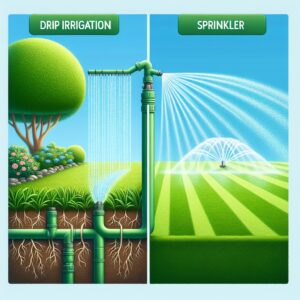
The water conservation benefits of solar drip irrigation begin with the drip technology itself. Unlike flood irrigation or sprinkler systems that deliver water across entire fields, drip emitters place water directly at the plant’s root zone. This precision alone typically reduces water usage by 30-50% compared to conventional methods. When powered by solar, these systems can be programmed to deliver smaller, more frequent watering cycles that maximize absorption and minimize waste.
In regions facing water restrictions or rising water costs, these savings translate directly to the bottom line. For crops like tomatoes, peppers, and tree fruits, proper moisture management through drip irrigation also significantly reduces splitting and other water-related quality issues that can diminish marketable yields.
Water conservation extends beyond the immediate farm benefits. As regulatory pressure increases around agricultural water usage, farmers with efficient systems will find themselves better positioned to meet compliance requirements and avoid potential restrictions or penalties.
- Direct root-zone watering means minimal evaporation loss
- Precise application prevents runoff and deep percolation beyond root zones
- Programmable controllers optimize water timing based on crop needs and soil conditions
- Water savings compound over time, with many systems reducing usage by 300,000+ gallons per acre annually
Dramatic Reduction in Monthly Energy Bills
Energy costs represent a significant and growing expense for irrigation-dependent farms. Conventional electric pumps typically consume 3-5 kWh of electricity per acre-inch of water applied. For a 10-acre vegetable operation requiring 1-2 inches weekly during peak season, this quickly adds up to hundreds of dollars monthly. Solar-powered systems eliminate these costs entirely during sunny periods, which conveniently align with peak growing seasons in most regions. Even in areas requiring battery backup or hybrid systems, energy savings typically range from 70-100% compared to grid-only solutions.
“My solar drip system eliminated over $12,000 in annual electricity costs while delivering more consistent pressure than I ever had with my grid-connected pump. During my first summer using solar power, I watched my neighbors struggle with brownouts while my crops continued receiving perfect irrigation schedules.” – James Westfield, Tomato Farmer, Central Valley, CA
Consistent Crop Health Even During Peak Summer Months
Perhaps the most visible benefit of solar drip irrigation is its impact on crop performance during challenging conditions. The consistency of solar-powered drip systems ensures plants receive appropriate moisture levels even during extreme heat events, which typically coincide with maximum solar energy production. This timing advantage means the system works hardest precisely when crops face their greatest stress from heat and evaporation. The result is remarkably stable growth patterns even during weather extremes that would typically cause yield reductions.
Here is a comprehensive table discussing the results a farmer sees from using a solar-powered drip irrigation system based on recent information:
|
Aspect |
Result/Benefit |
Explanation |
|---|---|---|
|
Water Conservation |
Significant reduction in water usage |
Drip irrigation delivers water directly to roots, minimizing evaporation and runoff, effectively conserving water resources . 1 |
|
Energy Cost Savings |
Drastically lower electricity and fuel costs |
Solar panels power pumps, eliminating electricity bills and diesel fuel costs, drastically reducing operational expenses .1, 2, 3 |
|
Increased Crop Yields |
Higher and more consistent crop growth |
Efficient and precise watering supports uniform plant health and growth, increasing overall yield and crop quality . 3, 4, 5 |
|
Environmental Impact |
Reduced carbon footprint and promotion of sustainable farming |
Replacement of fossil fuel-based pumps with solar energy drives down greenhouse gas emissions and supports eco-friendly agriculture . 1, 3 |
|
Reliability and Access |
Enables irrigation in remote areas lacking grid electricity |
Solar-powered systems provide reliable irrigation where electricity access is limited or unreliable . 1, 6 |
|
Farm Profitability |
Increased farm income |
Savings on energy and water costs combined with higher yields lead to improved farmer earnings . 2, 6 |
|
Operational Ease |
Reduces labor and maintenance requirements |
Automated water delivery reduces time spent irrigating and lowers system upkeep compared to traditional setups . 5, 6 |
|
Social and Economic Impact |
More diverse crops and improved livelihoods for farmers and communities |
Reliable irrigation helps diversify production and increase food availability year-round, benefiting farmers and neighbors . 2 |

His Crops are Looking Healthier Than Ever Before
The precise water delivery of solar drip irrigation systems creates ideal growing conditions that conventional methods simply cannot match. By delivering water directly to the root zone, these systems eliminate the leaf wetness that often leads to fungal diseases and bacterial infections in many crops. This targeted approach keeps foliage dry while maintaining perfect soil moisture levels, drastically reducing disease pressure and the need for fungicide applications.
Plant stress is virtually eliminated as moisture levels remain consistent throughout the day. This consistency is particularly valuable during flowering and fruit development stages when water fluctuations can cause blossom drop, fruit abortion, or quality issues. The result is more marketable yield from the same acreage, often with significantly fewer inputs.
Weed pressure also decreases substantially with drip irrigation since water is only delivered where crops need it, not in between rows or open areas where weeds typically compete for resources. Many farmers report 40-60% reductions in weeding costs after switching to solar drip systems, further enhancing the economics of this technology.
Precise Root-Zone Watering Eliminates Plant Stress
The micromanagement of water resources possible with solar drip irrigation creates optimal growing conditions that were previously unattainable with conventional methods. Plants receive exactly the right amount of moisture at precisely the right time, eliminating the wet-dry cycles that trigger stress responses and reduce productivity. Root development improves dramatically as roots grow toward consistent moisture sources rather than spreading inefficiently in search of water.
This precision extends to nutrient management as well. With solar drip systems, fertilizers can be applied through fertigation precisely when and where plants can utilize them most efficiently. The result is higher nutrient use efficiency, reduced fertilizer costs, and minimal nutrient runoff or leaching – a win for both farm economics and environmental stewardship.
The stress reduction translates directly to crop resilience. Plants with optimal water status can better withstand temperature extremes, pest pressure, and other environmental challenges that would typically reduce yields or quality in conventionally irrigated systems.
Reduced Leaf Diseases from Overhead Watering
Conventional sprinkler irrigation systems create ideal conditions for fungal pathogens by wetting foliage and creating humid microclimates around plants. Solar drip irrigation eliminates this problem entirely by keeping foliage dry while maintaining perfect soil moisture. This single change can reduce fungicide applications by 30-70% depending on crop type and local disease pressure.
Tomato, pepper, and squash growers particularly benefit from this aspect of drip irrigation, as these crops are highly susceptible to diseases like early blight, powdery mildew, and bacterial spot that thrive in wet conditions. Tree fruit and grape producers also report significant reductions in disease management costs after transitioning to drip systems.
“Before installing our solar drip system, we sprayed fungicides weekly on our tomato crop. Now we’ve cut that to once every 2-3 weeks, and disease pressure is still lower than before. The savings on chemicals alone would justify the system cost, not counting the improved fruit quality and yield increases.” – Elena Gonzalez, Organic Vegetable Farmer, Wisconsin
Even Nutrient Distribution Through Fertigation
Solar-powered drip systems enable precise nutrient delivery through fertigation – the process of applying liquid fertilizers directly through irrigation water. This approach ensures nutrients reach plants exactly when needed and in forms immediately available for uptake. For high-value specialty crops, this precision can dramatically improve quality characteristics like fruit size, sugar content, and color development.
The consistency of solar-powered pumps provides steady pressure that ensures uniform fertilizer distribution throughout fields. This eliminates the common problem of uneven crop development seen with less precise application methods. Additionally, the ability to provide small, frequent nutrient doses rather than larger, infrequent applications improves nutrient use efficiency and reduces environmental impacts.
Many advanced solar fertigation systems now incorporate sensors that monitor soil conditions and plant status in real-time, automatically adjusting fertilizer injection rates based on actual crop needs rather than predetermined schedules. This “precision agriculture” approach optimizes inputs while maximizing outputs, improving both sustainability and profitability.
Extended Growing Season Possibilities
The reliability and automation of solar drip systems open new possibilities for extending growing seasons and diversifying crop rotations. Because these systems require minimal manual intervention, they enable farmers to maintain ideal growing conditions even during transition periods when labor is focused elsewhere. Early-season crops can receive precise irrigation during establishment while main-season crops are being harvested, creating new opportunities for succession planting and season extension.
In cooler climates, the soil warming effect of drip irrigation helps farmers get an earlier start in spring, often allowing transplants to establish 1-2 weeks earlier than with conventional methods. This head start can translate to earlier market access and premium pricing opportunities. Similarly, the precise moisture control possible with drip systems helps crops maintain productivity later into fall, extending the harvest window for many high-value crops.
- Earlier spring planting with warmer soil temperatures
- Reduced risk of early-season disease from cold, wet conditions
- More precise temperature management in protected culture systems
- Ability to maintain ideal moisture during seasonal transitions
- Less dependence on seasonal labor for irrigation management
He Likes That
Beyond the immediate agronomic benefits, solar drip irrigation delivers significant quality-of-life improvements for farmers. The automation capabilities of modern systems free up valuable time previously spent moving pipes, monitoring water delivery, or troubleshooting irrigation problems. Many farmers report reclaiming 10-15 hours weekly that can be redirected toward other farm activities or simply enjoying more personal time – a rare commodity in farming operations.
No More Dependence on Grid Power or Rising Electricity Rates
Energy independence represents one of the most appreciated aspects of solar drip irrigation among adopters. As utility rates continue climbing year after year, solar-powered systems provide predictable energy costs – essentially zero after the initial investment is recovered. This price stability allows for more accurate long-term planning and insulates farm operations from energy market volatility.
System Works Hardest When Crops Need Water Most
The natural synchronization between solar energy production and crop water requirements creates an elegant solution to irrigation timing. On hot, sunny days when evapotranspiration rates peak and plants need water most urgently, solar panels generate maximum power to drive irrigation pumps. This perfect alignment means the system automatically works hardest exactly when crops face the greatest water stress without requiring complex programming or manual adjustments.
This natural rhythm helps farmers maintain ideal soil moisture levels even during extreme heat events. The increased system capacity during peak sunlight hours allows for more frequent, shorter irrigation cycles that maximize water absorption and minimize runoff or deep percolation losses. For heat-sensitive crops like lettuce, broccoli, and berries, this consistent moisture supply can prevent yield-reducing stress during critical growing periods.
Unlike grid-powered systems that may be subject to daytime usage restrictions or peak rate pricing during summer months, solar irrigation operates most efficiently precisely when the resource is most needed. This eliminates the need to irrigate during suboptimal overnight hours when disease pressure increases and water use efficiency typically decreases.
Automatic Operation Frees Up 10-15 Hours Weekly
The time savings realized through solar drip automation represents one of its most underappreciated benefits. Modern solar irrigation controllers can manage complex watering schedules based on crop type, growth stage, soil moisture readings, and weather conditions with minimal human intervention. For diversified farms growing multiple crops with different water requirements, this automation eliminates hours of valve adjustments, system monitoring, and manual scheduling previously required to maintain optimal growing conditions.
Many farmers report that irrigation management previously consumed 15-20% of their total work hours during peak growing season. With properly designed solar drip systems, this time commitment drops to just 2-3 hours weekly for system checks and occasional adjustments. This recovered time allows farmers to focus on higher-value activities like improved crop management, marketing, or expanding production.
- Remote monitoring capabilities allow system oversight from smartphones or computers
- Automated fault detection identifies problems before crop damage occurs
- Preset programs adjust watering based on crop stage without manual intervention
- Data logging features track water usage for regulatory compliance and planning
- Weather-responsive controllers can adjust schedules based on rainfall and temperature
System Pays for Itself in 2-5 Years
The economics of solar drip irrigation have improved dramatically as component costs have declined while energy and water prices continue rising. Most well-designed systems now achieve complete payback within 2-5 years through combined savings and productivity improvements. This return on investment timeline makes solar drip irrigation one of the most financially sound infrastructure investments available to modern farms.
The payback calculation includes multiple value streams beyond direct energy savings. Water conservation, reduced labor, lower fertilizer costs through precision application, decreased disease management expenses, and improved crop quality all contribute to the positive economic picture. For high-value specialty crops, the yield increases alone often justify the investment, with energy savings representing an additional benefit. Learn more about solar-powered irrigation systems and their benefits.
After the payback period, solar drip systems typically continue operating efficiently for 20+ years with minimal maintenance costs. Solar panels generally carry 25-year warranties, and most system components are designed for 10+ years of service, creating decades of essentially free irrigation after the initial investment is recovered.
Qualifies for USDA and State Sustainability Incentives
The financial case for solar drip irrigation becomes even more compelling when available incentives are considered. The USDA’s Natural Resources Conservation Service (NRCS) offers substantial cost-sharing through programs like EQIP (Environmental Quality Incentives Program) that can cover 50-75% of installation costs for qualifying systems. These programs specifically target water and energy conservation technologies, making solar drip irrigation an ideal candidate for funding support.
Beyond federal programs, many states offer additional incentives through agricultural extension services, water conservation districts, and rural development initiatives. California’s State Water Efficiency and Enhancement Program (SWEEP) provides grants up to $100,000 for irrigation efficiency improvements, while similar programs exist in states like Arizona, Colorado, and New Mexico. Even in regions without specific agricultural programs, general solar incentives often apply to farm installations, creating additional savings opportunities.
Tax incentives further enhance the financial picture. The federal Investment Tax Credit (ITC) for solar installations currently allows farmers to deduct 30% of the system cost from their federal taxes. Accelerated depreciation options specifically for agricultural equipment can create additional tax benefits in the early years after installation, improving cash flow during the payback period.

How Solar Panels Power Efficient Drip Irrigation
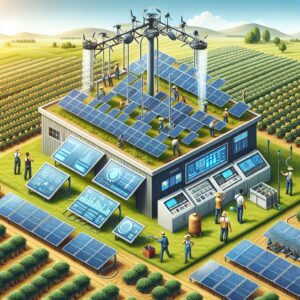
Understanding how solar energy integrates with irrigation systems helps farmers appreciate the elegant simplicity behind this powerful technology. At its core, a solar drip irrigation system consists of three main components: the solar array that generates electricity, the pump system that creates water pressure, and the drip lines that deliver water to crops. The system may include additional elements like batteries for energy storage, controllers for automation, and filtration systems to prevent emitter clogging. For more information on different types and examples, explore solar-powered irrigation systems.
The Perfect Energy Match: Peak Sun Equals Peak Water Needs
The natural alignment between solar energy availability and crop water requirements creates an ideal pairing for agricultural production. During summer months when crops face maximum evapotranspiration stress, solar panels simultaneously produce their highest energy output. This synchronization means irrigation capacity automatically scales with environmental demand without requiring complex controls or monitoring systems.
Most agricultural regions receive 5-7 peak sun hours daily during growing seasons – precisely when crops need water most urgently. A properly sized solar array can generate sufficient power during these hours to meet 100% of irrigation requirements without grid connectivity. For farms with diverse crops having different watering schedules, this daytime energy production can be distributed across multiple irrigation zones to maximize system efficiency.
“The beauty of solar irrigation is its natural rhythm. On the hottest, sunniest days when my crops are most stressed, my system automatically runs at maximum capacity without any input from me. The technology essentially thinks like a farmer, giving plants extra care exactly when they need it most.” – Thomas Reynolds, Diversified Vegetable Farmer, Oregon
Battery Storage Options for Overnight Operation
While direct solar-to-pump systems work effectively for daytime irrigation, many crops benefit from predawn watering when evaporation rates are lowest. Battery storage systems capture excess solar energy during peak production hours for use during optimal irrigation windows, even when the sun isn’t shining. Modern lithium iron phosphate (LiFePO4) batteries designed specifically for agricultural applications provide reliable power storage with 3,000-7,000 cycle lifespans, sufficient for 8-15 years of daily use.
The economics of battery storage have improved dramatically in recent years, with costs declining approximately 85% since 2010. For high-value crops where precise irrigation timing significantly impacts quality and yield, the additional investment in energy storage typically pays for itself through improved crop performance. Some specialty operations, like greenhouse production or nurseries, find that battery backup systems allow for complete energy independence while maintaining precise growing conditions year-round.
For farms not requiring overnight irrigation, simpler and less expensive systems can operate solely during daylight hours. These direct-drive setups eliminate battery costs while still providing substantial benefits during peak growing periods. Many farmers begin with direct-drive systems and add battery storage incrementally as their operations expand or crop requirements change.
Sizing Your System Based on Acreage and Crop Type
Proper system sizing represents the most critical factor in solar irrigation success. Undersized systems fail to meet crop water requirements during peak demand periods, while oversized systems unnecessarily increase capital costs without providing proportional benefits. Accurate sizing requires calculating total water requirements based on crop type, climate conditions, soil characteristics, and irrigation frequency.
As a general guideline, vegetable crops typically require 1-2 kW of solar capacity per acre to power drip irrigation systems during peak season. Tree crops and vineyards with established root systems may require less capacity (0.7-1.2 kW per acre), while water-intensive crops like rice may need substantially more. These figures assume direct-drive systems operating during daylight hours; farms requiring battery storage for overnight irrigation will need approximately 25-40% additional solar capacity to charge batteries while simultaneously powering daytime operations.
|
Crop Type |
Solar Capacity Needed (Per Acre) |
Typical Water Requirement |
Recommended System Components |
|---|---|---|---|
|
Vegetables |
1-2 kW |
1-2 acre-inches weekly |
High-efficiency panels, 1 HP pump per 3-5 acres |
|
Tree Fruits/Nuts |
0.7-1.2 kW |
0.8-1.5 acre-inches weekly |
Standard panels, pressure-compensating emitters |
|
Berries |
0.8-1.5 kW |
0.7-1.2 acre-inches weekly |
Battery backup recommended, dual-line drip |
|
Vineyards |
0.6-1.0 kW |
0.6-1.0 acre-inches weekly |
Standard panels, regulated deficit irrigation capability |
DC vs. AC Pump Options and When to Choose Each
The choice between DC (direct current) and AC (alternating current) pumps represents a critical decision in system design. DC pumps connect directly to solar panels without requiring inverters, offering greater energy efficiency and simpler installation. These pumps typically operate at 24-48 volts and can start functioning with minimal sunlight, gradually increasing output as solar intensity increases. For smaller operations under 5 acres, DC submersible or surface pumps often provide the most cost-effective solution, with water delivery beginning earlier in the morning and extending later into evening compared to AC alternatives.
AC pumps become advantageous for larger operations, especially those requiring higher flow rates or pressure for extensive irrigation zones. These systems incorporate inverters to convert solar DC power to AC electricity compatible with standard irrigation pumps. While slightly less efficient due to conversion losses, AC systems offer greater flexibility, higher capacity options, and compatibility with existing infrastructure. They also allow for easier grid integration in hybrid setups where backup power may occasionally be necessary during extended cloudy periods.
Some advanced systems now incorporate variable frequency drives (VFDs) that adjust pump speed based on available solar energy, maximizing water delivery throughout the day while preventing system shutdowns during cloudy periods. These intelligent controllers optimize water distribution by maintaining consistent pressure even as solar input fluctuates, ensuring even irrigation across all zones regardless of weather conditions.
Real Cost Breakdown and ROI Timeline
The economics of solar drip irrigation have improved dramatically in recent years as component costs have declined while water and energy prices continue rising. Understanding the true cost structure and return timeline helps farmers make informed investment decisions based on their specific circumstances and production systems. For more insights on how solar panels and drip irrigation systems are revolutionizing agriculture, check out this smart combination for farmers.
Initial Investment: What to Budget For
A complete solar drip irrigation system involves several component categories, each representing a portion of the total investment. Solar panels typically account for 25-35% of system costs, with current prices ranging from $0.70-$1.00 per watt for agricultural-grade panels. Mounting hardware, which must withstand decades of outdoor exposure and potential wind loads, represents another 10-15% of the budget. The pump system, including any necessary pressure tanks, controllers, and monitoring equipment, generally comprises 20-30% of total costs.
The irrigation components themselves—including main lines, distribution tubing, filters, valves, pressure regulators, and emitters—account for the remaining 25-40% of system expenses. These costs vary significantly based on field layout, crop spacing, and water quality considerations. For operations with particularly challenging water sources requiring extensive filtration or treatment, this portion may represent a larger percentage of the total investment. For more insights on irrigation systems, explore solar-powered irrigation systems and their benefits.
Installation labor represents an additional consideration, typically ranging from $2,000-$8,000 depending on system size and complexity. Many farmers reduce this expense through partial DIY installation, particularly for the irrigation components, while relying on professionals for the electrical work and solar mounting. USDA programs often cover a substantial portion of both equipment and installation costs, significantly reducing the farmer’s out-of-pocket expenses.
Comparing 1-Acre, 5-Acre, and 10-Acre Setups
System costs scale somewhat favorably with size, as certain fixed components like controllers, primary filtration systems, and installation labor are spread across more acreage. A complete 1-acre system typically requires $7,000-$12,000 before incentives, equivalent to $7,000-$12,000 per acre. By contrast, 5-acre systems generally range from $25,000-$45,000 ($5,000-$9,000 per acre), while 10-acre installations cost $45,000-$80,000 ($4,500-$8,000 per acre).
These economies of scale make solar drip irrigation particularly attractive for mid-sized operations where the per-acre cost decreases substantially without requiring the more complex engineering and water distribution systems necessary for very large installations. For operations expanding incrementally, modular system designs allow for staged implementation that spreads capital costs over multiple seasons while still providing immediate benefits to portions of the farm.
- 1-acre system: $7,000-$12,000 total ($7,000-$12,000 per acre)
- 5-acre system: $25,000-$45,000 total ($5,000-$9,000 per acre)
- 10-acre system: $45,000-$80,000 total ($4,500-$8,000 per acre)
- 20+ acre systems: Typically $4,000-$7,000 per acre with custom engineering
Available Tax Credits and Agriculture Grants
The financial picture improves dramatically when available incentives are considered. The federal Investment Tax Credit (ITC) currently provides a 30% tax credit on qualified solar expenses through 2032 before gradually stepping down. This credit applies to the entire solar portion of the system, including panels, mounting, electrical components, and directly associated installation costs. For a typical system where solar components represent 50-60% of total costs, this translates to a 15-18% reduction in effective project cost.
USDA programs offer even more substantial support through initiatives specifically targeting agricultural sustainability. The Environmental Quality Incentives Program (EQIP) provides cost-share assistance covering 50-90% of qualified conservation practices, including water-efficient irrigation systems and renewable energy implementation. Payment rates vary by state and specific practice, with historically underserved producers often qualifying for higher reimbursement percentages. Additional programs like the Rural Energy for America Program (REAP) provide both grants and loan guarantees specifically for renewable energy projects on agricultural operations.
Many states supplement these federal incentives with additional programs targeting water conservation, energy efficiency, or agricultural sustainability. California’s State Water Efficiency and Enhancement Program (SWEEP) has provided grants up to $100,000 per operation for water-saving irrigation technologies, while similar programs exist in Arizona, Colorado, New Mexico, and other states facing water challenges. Even in regions without agriculture-specific programs, general renewable energy incentives often apply to farm-based solar installations.
Maintenance Costs Year by Year
One of solar drip irrigation’s most compelling advantages is its minimal maintenance requirements compared to conventional systems. Solar panels typically require just 1-2 cleanings annually to remove dust accumulation, a process many farmers handle themselves during regular field operations. Modern panels are designed to withstand decades of environmental exposure, with most manufacturers providing 25-year production warranties guaranteeing at least 80% of original output after a quarter century of use.
The drip irrigation components require somewhat more frequent attention, with filter cleaning needed weekly to monthly depending on water quality. Most systems incorporate automatic flush valves that minimize manual intervention. Drip lines and emitters typically last 5-10 years depending on water quality and system design, with replacement representing the most significant recurring expense. These costs generally range from $250-$500 annually per acre for typical vegetable operations, substantially less than the labor and equipment costs associated with traditional irrigation methods.
Pump systems and controllers represent the components most likely to require professional maintenance, though modern brushless DC pumps often operate 7-10 years without service. Setting aside $200-$400 annually for preventative maintenance and occasional repairs ensures system reliability throughout its operational life. This maintenance reserve represents just a fraction of the energy savings provided by solar power, making it an insignificant factor in the overall economic analysis.

Conclusion:
Solar drip irrigation represents a rare opportunity where environmental sustainability and economic advantage align perfectly. The technology simultaneously addresses the three most pressing challenges facing modern agriculture: water scarcity, rising energy costs, and climate resilience. By dramatically reducing resource inputs while improving crop outcomes, these systems demonstrate that ecological responsibility and farm profitability can be complementary rather than competing priorities.
Is Using a Solar Powered Drip Irrigation System a Win for the Farmer
The evidence overwhelmingly confirms that solar drip irrigation delivers substantial benefits across diverse farming operations and geographic regions. The technology provides immediate water conservation of 30-50% while eliminating irrigation-related energy costs – advantages that translate directly to improved bottom lines. Beyond these resource efficiencies, the systems consistently deliver agronomic benefits including healthier crops, reduced disease pressure, better nutrient utilization, and extended growing seasons. These improvements typically generate yield increases of 15-25% while simultaneously reducing input costs, creating multiple paths to enhanced profitability.
Perhaps most importantly, solar drip irrigation provides farmers with greater independence and resilience in the face of climate uncertainty. By generating their own energy and maximizing water efficiency, producers become less vulnerable to utility rate increases, water restrictions, and extreme weather events. This self-reliance represents a strategic advantage in an era of increasing resource constraints and environmental challenges. Learn more about solar-powered irrigation systems and their benefits for farmers.
With payback periods now typically ranging from 2-5 years – often shorter when available incentives are utilized – the financial case for these systems has become compelling for operations of all sizes. As one farmer succinctly stated: “My only regret about solar drip irrigation is that I didn’t install it five years earlier. Every season I delayed was a season of wasted resources and missed opportunities.”
Frequently Asked Questions
As solar drip irrigation continues gaining popularity across diverse agricultural regions, new adopters naturally have questions about system capabilities, limitations, and implementation considerations. The following responses address the most common inquiries from farmers evaluating this technology for their operations, including the types and options for solar-powered sprinkler irrigation systems.
Can Solar Drip Irrigation Work in Cloudy or Northern Regions?
Yes, solar drip irrigation systems operate effectively even in regions with less than ideal solar conditions, though design adaptations may be necessary. In cloudy or northern areas, system designers typically increase solar panel capacity by 20-40% compared to sunnier regions, ensuring sufficient energy production even during overcast periods. Battery storage becomes more important in these locations, allowing energy harvested during sunny intervals to power irrigation during cloudy periods.
Many successful installations operate in places like the Pacific Northwest, New England, and the Upper Midwest, where solar conditions are less than optimal. These systems often incorporate hybrid designs that allow for optional grid connection during extended cloudy periods, though they still operate independently most of the time. The economics remain favorable despite the additional components, especially as these regions typically have fewer competing demands for solar equipment, sometimes resulting in lower installation costs than in solar-heavy markets.
How Many Solar Panels Do I Need Per Acre of Crops?
Panel requirements vary based on crop water needs, local solar conditions, and system design, but most vegetable operations require 3-6 standard 400-watt panels per acre for direct-drive systems without battery storage. This translates to approximately 1.2-2.4 kilowatts of capacity per acre. Tree crops and vineyards with established root systems typically need 2-4 panels per acre (0.8-1.6 kW), while water-intensive crops may require 6-10 panels per acre (2.4-4 kW).
Will I Still Need to Hook Up to Grid Power as Backup?
While many solar drip systems operate completely off-grid, some farmers opt for hybrid designs that maintain grid connectivity as backup during extended cloudy periods or for supplemental power during peak demand. This decision depends primarily on crop sensitivity to irrigation interruptions and local weather patterns. High-value crops with minimal drought tolerance often justify the additional cost of grid backup or expanded battery storage, while more resilient crops may tolerate occasional watering delays during unusual weather events.
Grid connection adds approximately 5-10% to system costs but provides valuable insurance for operations where irrigation continuity is critical for crop survival or quality. Many farmers find that even hybrid systems operate independent of grid power 95-99% of the time during normal growing seasons, maintaining most of the energy savings while providing additional security during extreme conditions.
What Crops Benefit Most from Solar Drip Irrigation?
Nearly all crops show improved performance under drip irrigation, but certain categories demonstrate particularly dramatic responses that maximize return on investment. Fruiting vegetables like tomatoes, peppers, and eggplants typically show yield increases of 20-35% while developing superior flavor profiles and extended harvest windows. Tree fruits and nuts benefit from the precise moisture control that prevents stress during critical development periods, resulting in larger fruit size, better quality, and more consistent production year after year. Berries and other high-value specialty crops often show the most substantial economic improvement, as their premium price points magnify the value of both yield increases and quality enhancements.
How Does Weather Affect System Performance?
Solar drip irrigation systems naturally adapt to most weather variations without requiring manual adjustments. During cloudy periods, reduced solar input automatically decreases pump output, resulting in shorter or slower watering cycles that match the lower evapotranspiration demands typically associated with such conditions. This natural synchronization means the system effectively “thinks like a farmer,” providing more water during hot, sunny conditions and less during cool, cloudy periods.
For operations requiring precise irrigation scheduling regardless of weather conditions, battery storage systems ensure consistent performance during cloudy periods or allow for programmed irrigation timing independent of immediate solar conditions. Advanced weather-responsive controllers can further optimize system operation by integrating local weather data and forecasts into irrigation scheduling, automatically adjusting water delivery based on recent rainfall, humidity levels, and predicted conditions.
Growing Solar Mist provides comprehensive solar irrigation design and implementation services for farms of all sizes, helping producers maximize both sustainability and profitability. Contact us today for a customized assessment of how solar drip irrigation can transform your operation.

Leave a Reply