
Key Takeaways
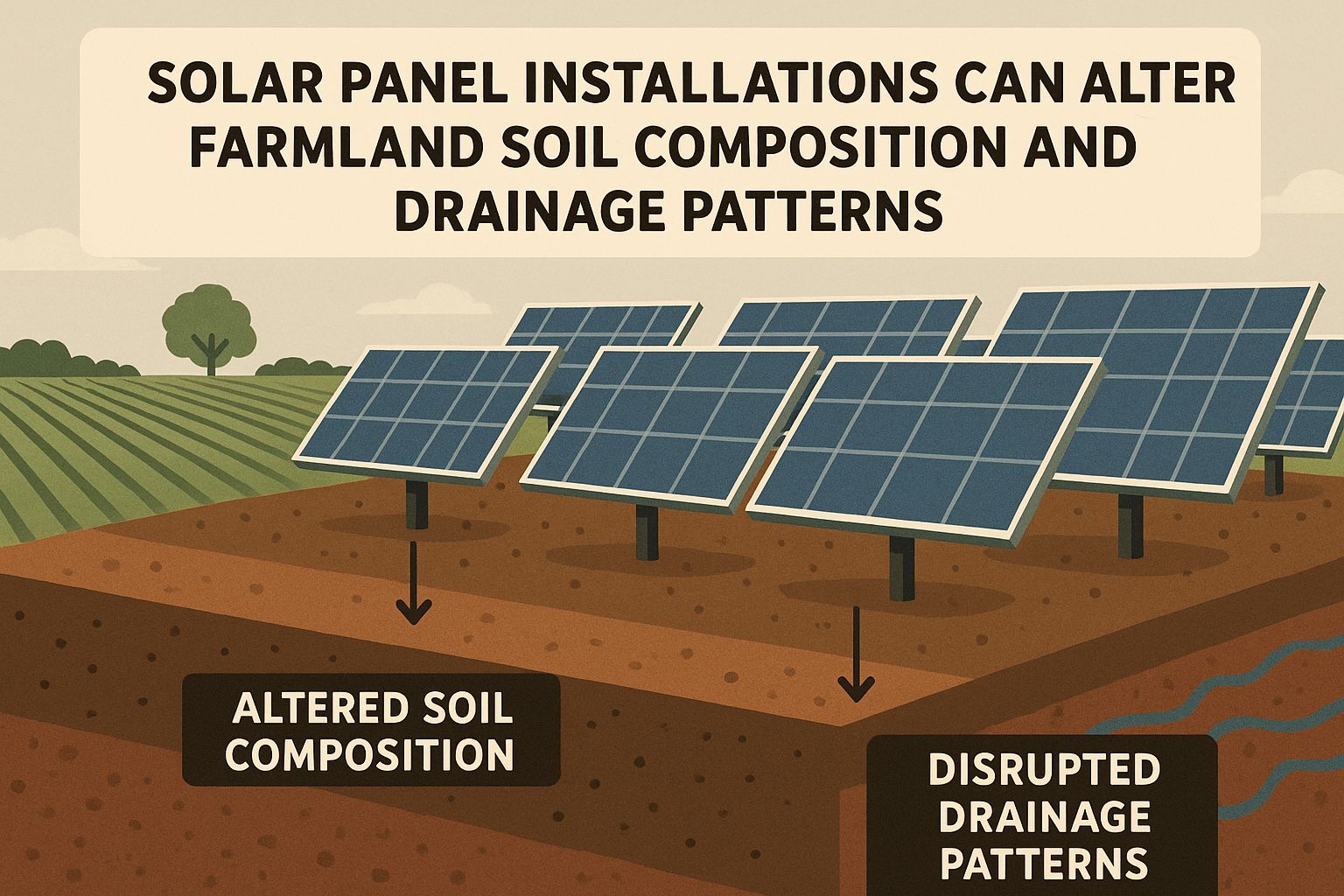
- Solar panel installations can permanently alter farmland soil composition and drainage patterns, potentially reducing agricultural productivity for decades.
- Standard solar lease agreements often contain decommissioning clauses that inadequately protect farmers from being left with unusable land after project completion.
- Strategic panel placement, proper setbacks, and buffer zones are essential for maintaining farm viability while incorporating solar energy production.
- Growing Solar Mist provides farmers with customized solar integration solutions that prioritize agricultural productivity alongside renewable energy generation.
- Agrivoltaics represents a promising middle ground, allowing farmers to maintain crop production or livestock grazing while generating solar income.
The solar revolution promises clean energy and additional revenue streams for farmers, but beneath the glossy sales pitches lurks a complex reality many agricultural producers discover too late. When solar developers come knocking with attractive lease offers, understanding both sides of the equation becomes critical for protecting your land’s long-term agricultural viability.
As solar installations accelerate across rural America, farmers report unexpected consequences ranging from permanent soil compaction to problematic lease terms that leave them vulnerable. Growing Solar Mist has documented hundreds of case studies where proper planning could have prevented significant agricultural losses while still capturing renewable energy benefits. Their farm-first approach to solar integration emphasizes maintaining agricultural productivity as the priority, rather than treating farming as an afterthought.
The decisions you make today about solar development will impact your land for generations. With solar lease terms typically spanning 25-40 years, these agreements effectively determine how your children and grandchildren will be able to use the property. This guide cuts through industry marketing to provide the balanced perspective farmers need before signing away their land rights.
Solar Panels on Farmland: The Hidden Challenges
Solar energy offers undeniable benefits, but large-scale installations fundamentally transform agricultural landscapes in ways many farmers don’t anticipate. Panel arrays covering acres of previously productive land create physical barriers, alter local environmental conditions, and potentially compromise generational farming practices.
Unlike traditional crops that can be changed seasonally, industrial solar installations represent semi-permanent infrastructure with concrete foundations, access roads, and extensive wiring systems. The construction phase alone often involves heavy equipment that compacts soil across large areas, creating lasting damage to soil structure and drainage patterns that persist long after panels are installed.
Most concerning for multi-generational family farms is the difficulty of returning land to full agricultural productivity once solar infrastructure is removed. Studies examining decommissioned solar sites reveal that even with remediation efforts, soil productivity can remain compromised for years following panel removal, creating a legacy issue that affects farm viability far beyond the initial lease period.
“Once a field has gone to solar panels, the chances of it returning to crops aren’t high. As the Essex County Conservation Alliance points out, farmland lost is farmland lost forever.” – Agricultural Land Conservation Study, 2022

How Solar Installations Affect Agricultural Productivity
The physical footprint of solar arrays directly removes land from production, but their influence extends far beyond the immediate panel locations. The shadows cast by panel rows create alternating bands of light and shade that move throughout the day, disrupting uniform growing conditions across fields. This variability makes consistent crop production challenging in nearby areas, especially for light-sensitive crops.
Soil Quality Changes Under Panels
Solar installations fundamentally alter soil dynamics through several mechanisms that compound over time. The concentrated rainfall runoff from panels can erode topsoil at connection points, while preventing normal rainfall distribution across covered areas. This creates wet and dry zones that stress soil microbial communities essential for nutrient cycling and plant health.
The reduced organic matter inputs under panels gradually deplete soil carbon levels, diminishing the soil’s water-holding capacity and fertility. Most solar sites use gravel or synthetic weed barriers beneath arrays, which further isolate the soil from natural processes. When measured against control plots, soil under long-term solar installations typically shows reduced biological activity, altered pH levels, and diminished nutrient availability – changes that can persist long after panel removal.
Water Runoff and Drainage Issues
Solar arrays significantly modify how water moves across agricultural landscapes, creating concentrated flow patterns that can overwhelm existing drainage systems. Standard panel arrangements create “drip lines” where rainwater accumulates after sheeting off panel surfaces, leading to soil erosion, nutrient leaching, and potentially flooding in low-lying areas.
These hydrological changes extend beyond the immediate installation area, potentially affecting neighboring fields through altered subsurface water movement patterns. In regions with heavy seasonal rainfall, these drainage complications can render previously manageable fields too wet for timely planting or harvest operations. Properly engineered water management systems specifically designed for solar installations are essential yet frequently overlooked in standard development plans.
Accessibility Problems for Farm Equipment
Standard solar arrays create physical barriers that severely restrict farm equipment movement, fragmenting once-contiguous fields into smaller, less efficient production units. The typical row spacing in commercial solar installations (12-20 feet) falls well below the turning radius needed for modern combine harvesters, sprayers, and planters, effectively eliminating mechanized agriculture within array boundaries.
Even in installations marketed as “ag-friendly,” the support structures, access roads, and electrical infrastructure create permanent obstacles that complicate normal farming operations. Equipment operators report significant productivity losses when navigating fields intersected by solar infrastructure, with increased fuel consumption, maintenance issues, and lost time adding to operational costs. These accessibility challenges often extend beyond the formal lease boundaries as equipment operators require additional maneuvering space adjacent to solar arrays.
Temperature and Microclimate Shifts
Large solar installations create measurable microclimate changes that extend beyond their physical footprints. Panels absorb solar radiation and reemit it as heat, raising localized temperatures by 3-7°F compared to surrounding cropland. This heat island effect alters growing conditions across adjacent fields, potentially accelerating evapotranspiration and increasing plant water stress during critical growth periods.
These thermal modifications can disrupt established pest and pollinator relationships, potentially requiring adjusted management practices for crops growing near solar installations. The shading patterns created by panel arrays also modify soil temperature profiles, affecting germination timing and root development in nearby planting zones. Farmers report that these microclimate shifts introduce new variability into field conditions that complicates consistent crop production.
Legal Traps in Solar Lease Agreements
Solar lease agreements frequently contain provisions that significantly disadvantage landowners while appearing reasonable at first glance. These contracts, typically drafted by developer legal teams, can contain terminology and commitments that restrict future land use options while placing disproportionate obligations on the farming operation. Without specialized legal review, farmers often miss critical details that only become problematic years into the agreement term.
Decommissioning Clauses: Will Your Land Be Restored?
Perhaps the most critical component of any solar lease is the decommissioning provision, which determines how thoroughly the developer must restore your land when the project ends. Inadequate decommissioning language can leave farmers responsible for removing concrete foundations, underground cabling, and damaged drainage systems—costs potentially reaching millions of dollars for large installations.
Standard industry contracts typically limit removal obligations to visible above-ground components while leaving subsurface infrastructure in place. True restoration requires complete removal of all project components to a depth of at least 4 feet, accompanied by comprehensive soil remediation, drainage system restoration, and reestablishment of original grade levels. Without explicit language covering these elements, farmers risk inheriting a compromised landscape that requires significant investment to return to agricultural production. For more information on maintaining solar installations, check out our solar panel efficiency maintenance tips.
Property Tax Implications
Solar installations frequently trigger property tax reclassifications that can dramatically increase a farm’s tax burden beyond what lease payments cover. When agricultural land is converted to industrial or commercial classification for tax purposes, the resulting assessment often applies to entire parcels rather than just the footprint of the solar array. This tax increase can persist even after the solar installation is decommissioned unless specific remedies are included in the original agreement.
Proper lease terms should explicitly address tax implications, including provisions requiring the developer to pay any increased property taxes resulting from the project. Additionally, farmers should secure written confirmation from local tax authorities regarding how their specific property will be assessed before finalizing any solar agreement. Without these protections, the actual economic benefit of solar leases can be substantially diminished by unexpected tax liabilities.
Duration of Commitment: 25+ Year Impacts
Standard solar leases commit farmland for 25-40 years—effectively an intergenerational decision that binds future farm operators. Most agreements include automatic renewal provisions and assignability clauses that allow developers to transfer the lease to other entities without farmer approval. These terms can complicate farm succession planning, limit financing options, and potentially interfere with family land transfer intentions.
The extended timeframe also exposes farmers to significant regulatory uncertainty, as agricultural policies, environmental requirements, and renewable energy incentives will inevitably change multiple times during the lease term. Protective contracts should include adjustment mechanisms that account for these evolving conditions while preserving the farm’s operational flexibility for future generations. Additionally, farmers should be aware of common efficiency killers on a farm’s solar panels to ensure optimal performance.

5 Proven Strategies for Protecting Your Farm
While solar development presents legitimate challenges, farmers can implement strategic approaches that maintain agricultural viability while capturing renewable energy benefits. These protective measures require proactive planning and sometimes involve declining standard industry offerings in favor of customized arrangements that prioritize long-term land stewardship alongside energy production efficiency.
1. Negotiate Better Solar Lease Terms
Standard solar contracts heavily favor developers, but nearly every clause remains negotiable for farmers willing to advocate for better terms. Start by securing right of first refusal on any lease transfer, ensuring you maintain some control over who operates the installation on your land. Demand specific performance standards for vegetation management, access road maintenance, and drainage system protection that include financial penalties for non-compliance.
Include detailed provisions addressing the potential for midterm project abandonment, requiring robust decommissioning bonds or escrow accounts that grow over time to match inflation and increasing removal costs. Most importantly, secure an attorney with specific experience in agricultural solar leases to review your agreement—the few thousand dollars in legal fees can protect millions in long-term land value.
2. Implement Strategic Panel Placement
Not all farmland carries equal agricultural value, and thoughtful solar placement can minimize productivity impacts while maintaining operational viability. Focus solar development on marginal land sections with existing production limitations such as irregular field shapes, poor drainage areas, or zones with documented yield deficits.
- Prioritize field edges and corners where equipment already operates inefficiently
- Utilize natural landscape breaks where production is already compromised
- Consider north-facing slopes where crop productivity is typically lower
- Keep installations away from irrigation infrastructure and primary drainage systems
- Maintain contiguous farming blocks that preserve efficient equipment operation
Incorporate setbacks from field roads and operational areas that maintain full equipment access to remaining production zones. Map your seasonal field operations before finalizing panel locations to ensure solar infrastructure doesn’t interfere with critical movement patterns during planting, spraying, and harvest periods. For more insights on enhancing solar efficiency, explore how solar panel efficiency can be increased for farm irrigation systems.
Elevation considerations play a crucial role in minimizing agricultural impacts, as panels mounted higher above ground level allow for more production options underneath, including possible equipment passage. While higher mounting systems cost developers more initially, they dramatically increase the land’s continued agricultural utility and should be a non-negotiable requirement for prime farmland.
Consider phased development approaches that allow you to evaluate impacts on a smaller scale before committing additional acreage. This incremental strategy provides practical experience with specific site conditions and gives you leverage to adjust future installations based on observed effects on your operation.
3. Demand Proper Setbacks and Buffer Zones
Adequate spacing between solar installations and productive farmland creates crucial transition zones that protect agricultural operations. Industry-standard setbacks of just 10-15 feet typically prove insufficient for managing the edge effects created by panel arrays. Insist on minimum 50-foot buffers from field boundaries to maintain equipment access and prevent shading impacts on adjacent crops.
These buffer zones serve multiple purposes beyond operational convenience. They provide space for managing altered water flow patterns, reduce microclimate impacts on neighboring crops, and allow for the establishment of beneficial insect habitat that can support pollination in adjacent fields. When properly vegetated, these transition areas also reduce visual impacts and help maintain the agricultural character of the landscape.
4. Secure Water Management Systems
Comprehensive water management represents one of the most overlooked aspects of agricultural solar installations. Standard stormwater plans typically focus on preventing erosion immediately around panels rather than maintaining field-scale drainage functionality. Require detailed hydrological modeling that accounts for concentrated runoff from panel surfaces and demonstrates how existing drainage systems will accommodate altered flow patterns.
Insist that developers install and maintain dedicated drainage infrastructure specifically designed to handle the unique patterns created by panel arrays. This should include diversion channels around array perimeters, infiltration basins at drip line concentrations, and possibly subsurface drainage modifications beneath panel rows. The goal is maintaining pre-installation drainage performance across your entire operation, not just meeting minimum erosion control standards. For more insights on solar impacts, you might find this article on solar impacts on rural landscapes helpful.
5. Get Everything in Writing
Verbal assurances from developers carry no weight once contracts are signed. Document every commitment regarding construction methods, soil protection measures, drainage maintenance, and decommissioning standards in legally binding contract language. Include specific performance metrics with financial penalties for non-compliance rather than vague promises to follow “best practices.”
Photograph and document pre-construction soil conditions, drainage performance, and field access points to establish a clear baseline for future comparison. This documentation proves invaluable if disputes arise regarding restoration requirements or operational impacts. Remember that project managers and company representatives will change multiple times during a 25+ year lease, making written agreements your only reliable protection.
Agrivoltaics: Making Solar Work For Your Farm
Agrivoltaics—the intentional integration of solar production with active agriculture—represents a promising middle path between traditional farming and complete land conversion. These dual-use systems maintain agricultural productivity beneath and between panel rows while generating renewable energy, potentially offering better overall land utilization than either approach alone.
Early research from the National Renewable Energy Laboratory shows properly designed agrivoltaic systems can maintain 60-90% of conventional crop yields while producing significant energy, creating combined revenue that exceeds single-use approaches. Growing Solar Mist specializes in designing custom agrivoltaic systems that prioritize continued agricultural production while capturing renewable energy benefits.
Crop Selection for Partial Shade Conditions
Successful agrivoltaics requires matching crops to the modified light conditions created by panel arrays. Certain vegetable crops—particularly leafy greens, brassicas, and root vegetables—demonstrate productivity gains under the partial shade conditions created by elevated panels. These crops benefit from reduced heat stress and water loss during summer months, potentially extending growing seasons in hot climates.
Berry production shows particular promise in agrivoltaic systems, with research demonstrating increased fruit quality and extended harvest periods under partial shading. Other viable options include herbs, mushrooms, certain flowers, and shade-tolerant specialty crops that command premium prices in local markets. The key is selecting crops that metabolically benefit from reduced direct sunlight rather than simply tolerating shade.
Livestock Integration with Solar Arrays
Grazing livestock beneath elevated solar panels creates symbiotic relationships that benefit both energy production and animal husbandry. Sheep have proven particularly well-suited for solar grazing, effectively managing vegetation without damaging infrastructure while benefiting from the shade panels provide during hot weather. This integration reduces or eliminates mechanical mowing costs for the solar operator while providing grazing land for the farmer.
Proper design for livestock integration requires panels mounted at least 3 feet above maximum snow depth, appropriate fencing, livestock-safe wiring protection, and adequate space for animal movement between rows. Small ruminants like sheep and goats work best, though some operations successfully integrate poultry systems with solar arrays, creating multi-income enterprises on the same acreage.
Dual Revenue Streams Without Sacrificing Productivity
The economic case for agrivoltaics strengthens as designs improve and markets develop for specialty crops grown in these systems. Instead of choosing between agricultural or energy production, farmers can capture both revenue streams from the same acreage. This diversification provides financial resilience against weather events or market fluctuations that might impact either individual enterprise.
Properly structured agreements for agrivoltaic installations should reflect the dual-use nature of the land, with lease rates appropriately adjusted to account for continued agricultural activity. Some innovative arrangements include revenue-sharing provisions where farmers receive payments based on both energy production and maintained agricultural output, creating aligned incentives for optimizing both systems. For farmers looking to enhance energy efficiency, exploring ways to increase solar panels’ efficiency can be beneficial.
When to Say No to Solar Developers
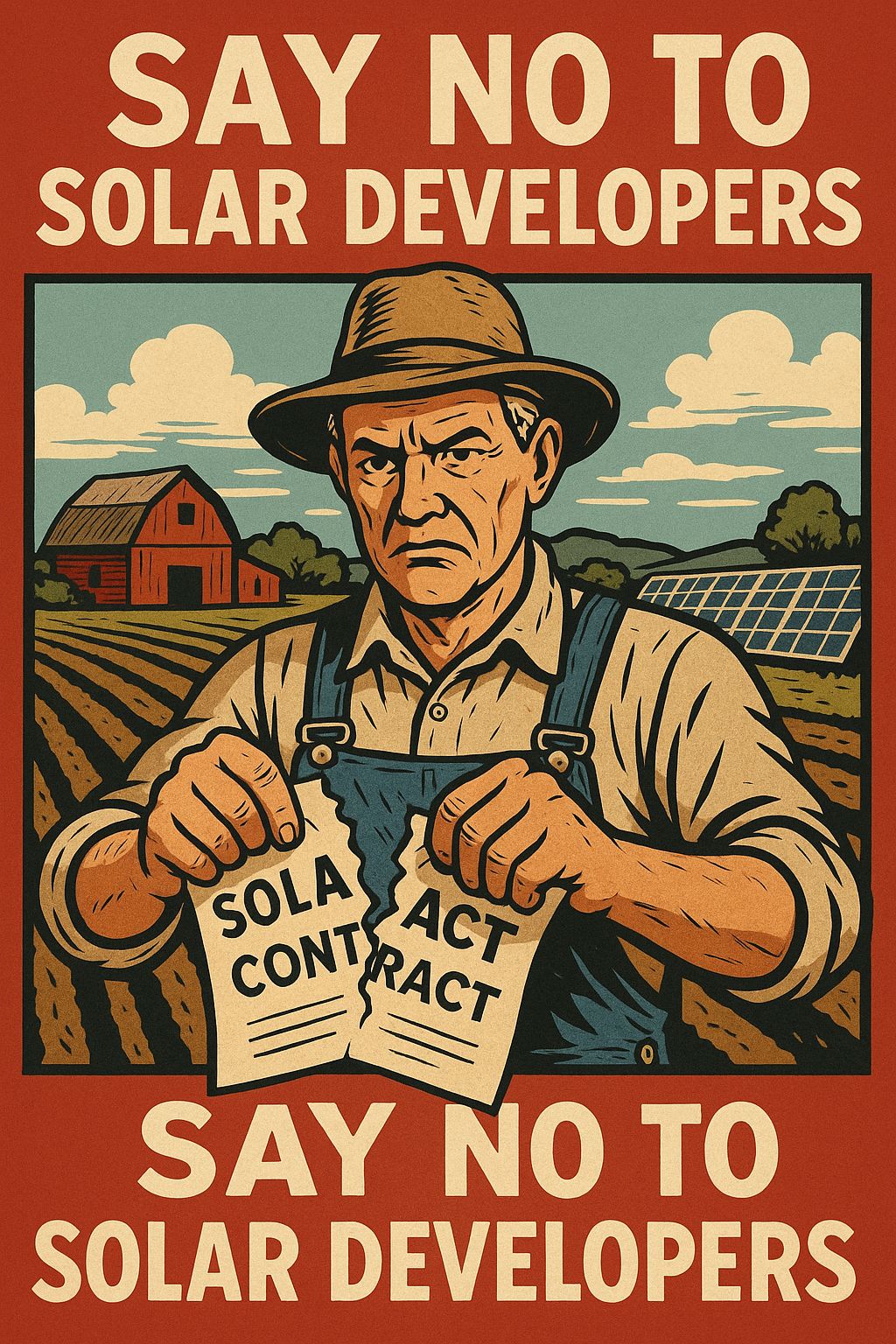
Despite the potential benefits, some agricultural land should remain dedicated to food production without solar development. Recognizing when to decline solar proposals requires honest assessment of your farm’s productive capacity, ecosystem services, and generational legacy value. The highest quality agricultural soils represent an irreplaceable resource that warrants preservation for future food security.
Red Flags in Developer Proposals
Certain developer approaches signal problematic projects that warrant immediate rejection. Be wary of representatives who minimize agricultural impacts, dismiss drainage concerns, or can’t clearly explain decommissioning provisions. Developers pushing for rapid signatures without allowing thorough legal review often rely on information asymmetry to secure favorable terms.
Walk away from any proposal that doesn’t allow for site-specific engineering or customization to your farm’s unique characteristics. Cookie-cutter approaches that treat all agricultural land identically demonstrate a fundamental lack of understanding about farming operations. Similarly, reject agreements that prohibit you from discussing terms with neighboring landowners, as this secrecy often masks predatory pricing or terms. For those interested in improving their solar setups, consider exploring solar panel efficiency maintenance tips to ensure your farm’s energy needs are met efficiently.
Protecting Prime Agricultural Land
The highest quality farmland represents a strategic national resource that transcends individual property rights considerations. Class I and II soils with established productivity records warrant preservation for food security reasons, particularly irrigated land with reliable water access. Before converting such high-value agricultural land to energy production, consider both the economic and ethical implications of removing it from food systems.
If your farm contains significant acreage of prime farmland, consider agricultural conservation easements that provide tax benefits while ensuring continued agricultural use. These legal instruments can often generate comparable financial returns to solar leases while preserving agricultural heritage and productivity for future generations. Organizations like American Farmland Trust provide resources for evaluating these alternatives.
Community-Based Approaches to Solar Development
Collaborative approaches to solar development can create better outcomes than individual farmers negotiating separately with developers. Community-based strategies allow for strategic placement of solar infrastructure across multiple properties, potentially concentrating panels on marginal lands while maintaining prime soils in production. This landscape-scale planning creates more coherent agricultural communities while still capturing renewable energy benefits.
Engaging with county planning processes gives agricultural communities influence over how and where solar development occurs. Many jurisdictions are developing specific solar ordinances that can include agricultural protection provisions when farmers actively participate in their creation. Without this engagement, regulations often emerge that inadequately address farming’s unique considerations.
Combining collective bargaining power through landowner associations allows negotiation of standardized favorable terms that individual farmers might struggle to secure. These associations can establish minimum standards for decommissioning, drainage protection, and agricultural compatibility that all developers must meet to operate in the community.
- Form agricultural solar cooperatives to negotiate collective agreements
- Participate in county-level solar ordinance development
- Create community benefit agreements requiring local investment
- Establish shared standards for agricultural protection measures
- Consider community-owned solar with direct farmer governance
These collaborative approaches shift power dynamics away from developers and toward agricultural communities, creating more balanced partnerships that respect farming’s centrality to rural landscapes.
Farmer Cooperatives for Shared Solar
Farmer-owned energy cooperatives represent a promising alternative to corporate solar development. These structures allow agricultural producers to capture both the energy generation value and the tax incentives that typically flow to external investors. Such cooperatives can prioritize agricultural compatibility in system design while keeping more project benefits within the farming community. For those interested in maximizing efficiency, exploring solar panel efficiency maintenance tips can be beneficial.
Successful agricultural energy cooperatives typically start small, with pilot installations that allow members to gain experience before scaling up. The shared ownership structure distributes both risks and benefits while creating governance mechanisms that prioritize agricultural values alongside energy production goals. Resources for establishing such cooperatives are available through the USDA Rural Energy for America Program and various state agricultural extension services.
Working with Local Government on Smart Zoning
Proactive engagement with county and township officials can shape solar zoning that protects agricultural interests while accommodating renewable energy development. Push for agricultural impact statements as mandatory components of solar permit applications, requiring developers to quantify expected effects on drainage, microclimate, and operational access before approval. These assessments create accountability for claims regarding agricultural compatibility.
Advocate for tiered approval processes that impose stricter requirements on projects targeting prime farmland while streamlining permits for marginal land installations. Such frameworks create market incentives directing solar development toward lower-value agricultural areas while maintaining higher protective standards where soil quality warrants preservation. The most effective ordinances include ongoing compliance monitoring rather than one-time permitting requirements.
Conclusion
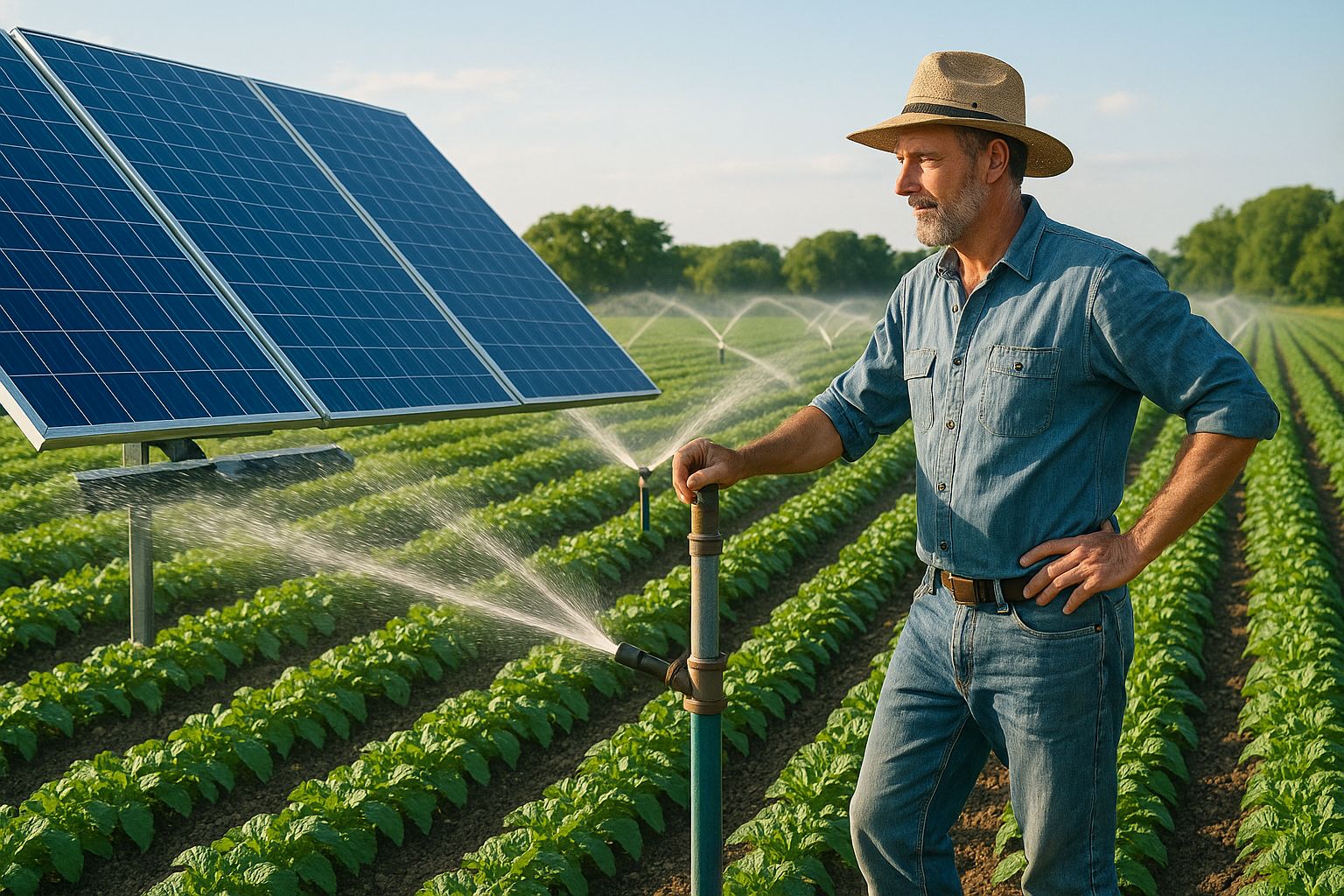
Navigating the intersection of agriculture and solar development requires balancing today’s energy transition with preserving farmland for future generations. By understanding the full implications of solar installations on agricultural operations, farmers can make informed decisions that maintain their land’s productivity while potentially benefiting from renewable energy production. Growing Solar Mist remains committed to helping farmers navigate these complex choices with agricultural viability as the priority.
Knowing About the Dark Side of Using Solar Panels on a Farm, is it a Good Investment for Farmers Still
Solar energy can represent a valuable component of a diversified farm operation when implemented with agricultural priorities at the forefront. The key distinction lies between viewing solar as a complete land conversion versus an integrated component of a working farm. Agrivoltaic approaches that maintain agricultural production while adding energy generation typically create better long-term outcomes than wholesale conversion to solar fields.
For farmers facing economic pressure or managing marginal lands with limited productivity, thoughtfully designed solar integration can provide financial stability while maintaining agricultural identity. The most successful projects start with clear-eyed assessment of specific farm conditions rather than generic development templates. By demanding agricultural compatibility, securing comprehensive protections, and carefully evaluating long-term implications, farmers can potentially harness solar benefits while preserving their operation’s core agricultural mission. For more insights, you can explore how solar impacts on rural landscapes and the family farm.
Frequently Asked Questions
Below are answers to the most common questions farmers ask when considering solar development on their land, based on experiences from hundreds of agricultural solar installations across diverse regions. For additional insights, explore how efficiency killers on a farm’s solar panels can impact your solar investment.
How do solar panels affect soil fertility over time?
Soil under solar panels typically experiences reduced organic matter inputs, altered moisture patterns, and diminished microbial activity over time. Studies show 10-30% reductions in soil carbon after 5+ years under panels, with greater impacts in installations using gravel or synthetic ground covers. These changes can persist after panel removal, requiring extensive remediation including deep tillage, cover cropping, and organic matter incorporation to restore productivity. The best mitigation strategy involves maintaining active vegetation beneath panels through grazing or shade-tolerant cropping rather than bare soil or gravel approaches.
Can I continue farming around ground-mounted solar arrays?
Yes, but with significant operational adjustments. Equipment access is the primary challenge, requiring careful planning of panel layout to maintain functional field dimensions for machinery. Standard solar configurations often create irregularly shaped remnant fields that reduce operational efficiency and increase production costs.
Most successful integrations maintain large contiguous farming blocks separated from solar arrays by adequately sized headlands for equipment turns. Field operations adjacent to solar installations typically require additional time due to maneuvering constraints, and farmers report 15-25% productivity reductions in areas immediately adjacent to arrays due to access limitations, shading effects, and drainage modifications.
What happens if the solar company goes bankrupt during my lease period?
Solar leases typically include assignment clauses allowing transfer to other entities if the original developer fails, meaning the lease obligations continue even through bankruptcy. Without specific protective language, farmers may find themselves dealing with unfamiliar new operators who didn’t make the original commitments. Proper contracts should include performance bonds or escrow accounts for decommissioning that remain separate from company assets and survive bankruptcy proceedings. The most protective approach includes requiring periodic financial assurance updates throughout the lease term and securing first position liens on the solar equipment itself as security for decommissioning obligations.
Are there tax incentives for farmers who install their own solar systems?
Yes, substantial incentives exist for farmer-owned solar installations. The federal Investment Tax Credit currently offers a 30% credit against installation costs, while accelerated depreciation provides additional tax benefits. Many states offer additional agricultural solar incentives, including property tax exemptions, sales tax exemptions on equipment, and specialized grant programs through USDA’s Rural Energy for America Program.
Farmer-owned systems typically target on-farm energy use rather than large-scale power generation, creating more agricultural compatibility while reducing energy costs. These installations usually require significantly less land than commercial solar farms, minimizing disruption to farming operations while still providing meaningful energy independence and cost savings. Consult with an agricultural tax specialist familiar with renewable energy incentives to maximize available benefits for your specific situation.
How do I evaluate if my farmland is suitable for solar panels?
Comprehensive evaluation requires assessing both technical solar factors and agricultural considerations. Technical suitability includes southern exposure, proximity to three-phase power lines (ideally within 1/2 mile), minimal shading, and appropriate zoning. The highest-value solar land typically features gentle south-facing slopes, existing access roads, and proximity to substations with available interconnection capacity.
Agricultural assessment should classify your land according to soil quality, current productivity, and operational importance. Prime farmland with consistent high yields generally warrants preservation for agricultural use, while marginal areas with production challenges may be appropriate for solar conversion. The ideal approach involves mapping both solar potential and agricultural value across your property to identify zones where solar development creates the least agricultural disruption while maximizing energy generation potential.
Remember that the most sustainable path forward preserves the highest quality agricultural land for food production while potentially integrating renewable energy on less productive portions of the farm. By thoughtfully evaluating both energy and agricultural potential, you can make decisions that benefit both your operation and the broader transition to renewable energy sources. For instance, understanding how solar tracking systems increase solar panel efficiency can be crucial in maximizing energy output on less productive land.


Leave a Reply