

Key Takeaways
- Solar panels can reduce farm carbon emissions by up to 30%, creating more sustainable agricultural operations while cutting operational costs by up to 70%.
- Beyond emissions reduction, solar panels provide multiple environmental benefits including water conservation, ecosystem protection, and enhanced climate resilience for farms.
- Agrivoltaics—the practice of growing crops under solar panels—optimizes land use by producing both food and clean energy simultaneously.
- Solar installations typically pay for themselves within 3-7 years while offering 25-30 years of environmentally friendly power generation.
- Growing Solar Mist helps farmers implement solar solutions that transform farm operations while significantly reducing environmental impact.
The future of sustainable farming is being rewritten by the sun. As climate pressures mount and energy costs soar, farmers are discovering that solar power offers far more than just electricity savings. Solar panels are transforming agricultural operations into environmental powerhouses that protect natural resources while boosting bottom lines.
Farm operations represent one of the most logical applications for solar technology, with ample roof space, open land, and consistent energy demands. By harnessing the sun’s energy, farmers can reduce their carbon footprint by up to 30% compared to traditional energy sources. Growing Solar Mist specializes in helping farmers access these solar panels’ benefits for farming operations, designing systems that optimize both environmental advantages and power efficiency.
“The transition to solar represents the single most impactful environmental investment most farms can make. Not only does it reduce emissions, but it creates resilience against climate change—the very thing threatening agricultural sustainability.”
How Solar Panels Cut Greenhouse Gases on Farms
Agricultural operations consume significant energy for irrigation, climate control, processing, and equipment operation. When powered by conventional electricity or diesel generators, these activities generate substantial greenhouse gas emissions. Solar panels eliminate these emissions at the source, producing clean electricity with zero carbon output during operation.
The numbers tell a compelling story—solar installations can slash farm-related emissions by up to 30% compared to conventional energy sources. This reduction comes primarily from replacing fossil fuel-powered equipment, heating systems, and grid electricity with solar alternatives. For livestock operations with high electricity demands for ventilation and temperature control, the impact can be even more dramatic.
Beyond direct emissions reductions, solar panels help farms decrease their overall environmental footprint by reducing reliance on energy sources that contribute to climate change, air pollution, and habitat destruction. This comprehensive approach to sustainability makes solar power an essential component of environmentally responsible farming.

Solar Power Slashes Farm Energy Costs While Saving the Planet
The environmental and economic benefits of solar power create a powerful synergy for agricultural operations. Farms typically see a 60-90% reduction in electricity costs after installing appropriately sized solar systems. This dramatic saving protects operations from volatile energy markets while simultaneously reducing environmental impact.
Typical Farm Energy Expenses Before Solar Installation
Before converting to solar, the average commercial farm spends between $2,000-$5,000 monthly on electricity alone. Dairy operations often face even higher bills due to constant refrigeration needs, while greenhouse operations require significant energy for climate control. These expenses represent not just financial costs but environmental ones—with traditional power sources generating substantial emissions and pollution.
These ongoing expenses create vulnerability to utility rate increases that can dramatically impact farm profitability. Many agricultural operations operate on thin margins, making unpredictable energy costs a significant risk factor for business sustainability.
Average Cost Reduction After Converting to Solar
With solar installations, farms regularly reduce their electricity expenses by 70% or more. A properly designed system can often eliminate utility bills entirely during peak production months, with net metering allowing excess energy to be credited against consumption during less sunny periods. For operations with high daytime energy usage like dairy farms or processing facilities, the alignment between peak solar production and peak energy demand creates ideal efficiency.
These savings translate directly into improved profitability and operational resilience. Most agricultural solar installations achieve complete return on investment within 3-7 years, while continuing to generate power for 25-30 years. The long-term economics make solar a compelling investment even before considering the substantial environmental benefits.
Protection Against Rising Utility Rates
Solar power effectively locks in energy costs for decades, creating predictability that’s otherwise impossible in today’s volatile energy markets. While conventional electricity rates typically increase 2-5% annually, solar-powered farms maintain stable energy expenses throughout the system’s lifetime. This price stability allows for more accurate long-term planning and budgeting, reducing financial stress during market downturns.
By generating their own power, farms gain energy independence that protects against grid reliability issues and regional energy price spikes. This resilience becomes increasingly valuable as climate change creates more frequent weather extremes that can disrupt traditional power supplies. For farms considering this shift, understanding the benefits of off-grid solar panels can be crucial.
5 Environmental Benefits Solar Panels Bring to Farming Operations
Solar energy delivers multiple environmental advantages that extend far beyond carbon reduction. Modern solar installations are transforming how farms function at every level, creating more resilient and sustainable operations across diverse agricultural sectors. The environmental benefits reach from local ecosystems to global climate systems.
1. Zero-Emission Energy Production
Unlike fossil fuels that release carbon dioxide, nitrogen oxides, sulfur dioxide, and particulate matter during combustion, solar panels generate electricity with zero operational emissions. This clean production eliminates a major source of air pollutants that harm both human health and agricultural productivity. For farms located in regions with air quality challenges, this benefit can directly improve crop yields and worker health.
The life-cycle emissions of solar panels (including manufacturing and installation) are minimal compared to fossil fuel alternatives, typically generating just 6% of the carbon footprint of coal-powered electricity when measured over the full system lifespan. This dramatic difference makes solar power one of the most environmentally friendly energy options available to farmers today.
2. Reduced Water Pollution from Traditional Power Sources
Conventional electricity generation consumes enormous quantities of water for cooling and processing, often returning heated or contaminated water to natural systems. Coal and natural gas power plants also create waste products that can leach into groundwater and waterways. Solar panels require virtually no water during operation, eliminating these pollution pathways entirely.
For farmers concerned about water quality—whether for irrigation, livestock, or ecosystem health—solar power offers a significant environmental advantage. By reducing dependency on water-intensive energy sources, farms help preserve this increasingly scarce resource for agricultural and ecological needs. Learn more about the environmental benefits of solar energy for farmers.
3. Lower Air Pollution and Improved Crop Health
Air pollutants from conventional power generation can directly damage crops by interfering with photosynthesis, reducing growth rates, and increasing susceptibility to pests and diseases. Studies have shown that ozone pollution alone causes billions in agricultural yield losses annually. Solar power eliminates these pollution sources, potentially improving crop health and yields.
The reduction in smog-forming compounds also benefits pollinator populations that are essential for many agricultural crops. Healthier air means healthier ecosystems surrounding the farm, creating positive ripple effects throughout the agricultural system.
4. Decreased Land Impact Compared to Fossil Fuels
While solar installations do require space, their land-use impact is significantly lower than fossil fuel production when the entire supply chain is considered. Coal, oil, and natural gas extraction involve extensive land disruption through mining, drilling, and processing facilities. Solar panels, by contrast, can be installed on existing structures or marginally productive land, minimizing new disturbance.
Advanced mounting systems now allow for raised solar arrays that permit grazing, cropping, or habitat preservation beneath the panels. This dual-use approach maximizes land productivity while minimizing environmental disruption. For farms with limited acreage, this efficiency is both an environmental and economic advantage.
5. Carbon Footprint Reduction Across Farm Operations
Agricultural operations face increasing pressure to reduce carbon emissions throughout their supply chains. Solar power offers a straightforward way to dramatically cut Scope 2 emissions (those associated with purchased electricity) while potentially reducing Scope 1 emissions by electrifying equipment and processes previously powered by fossil fuels. This comprehensive carbon reduction creates environmental benefits while positioning farms favorably in markets that increasingly value sustainable production.
The carbon benefits extend beyond the farm itself, as clean energy production reduces emissions from the broader electrical grid. By feeding excess production back into the grid through net metering programs, solar-powered farms become net climate positive, generating more environmental benefits than they consume.
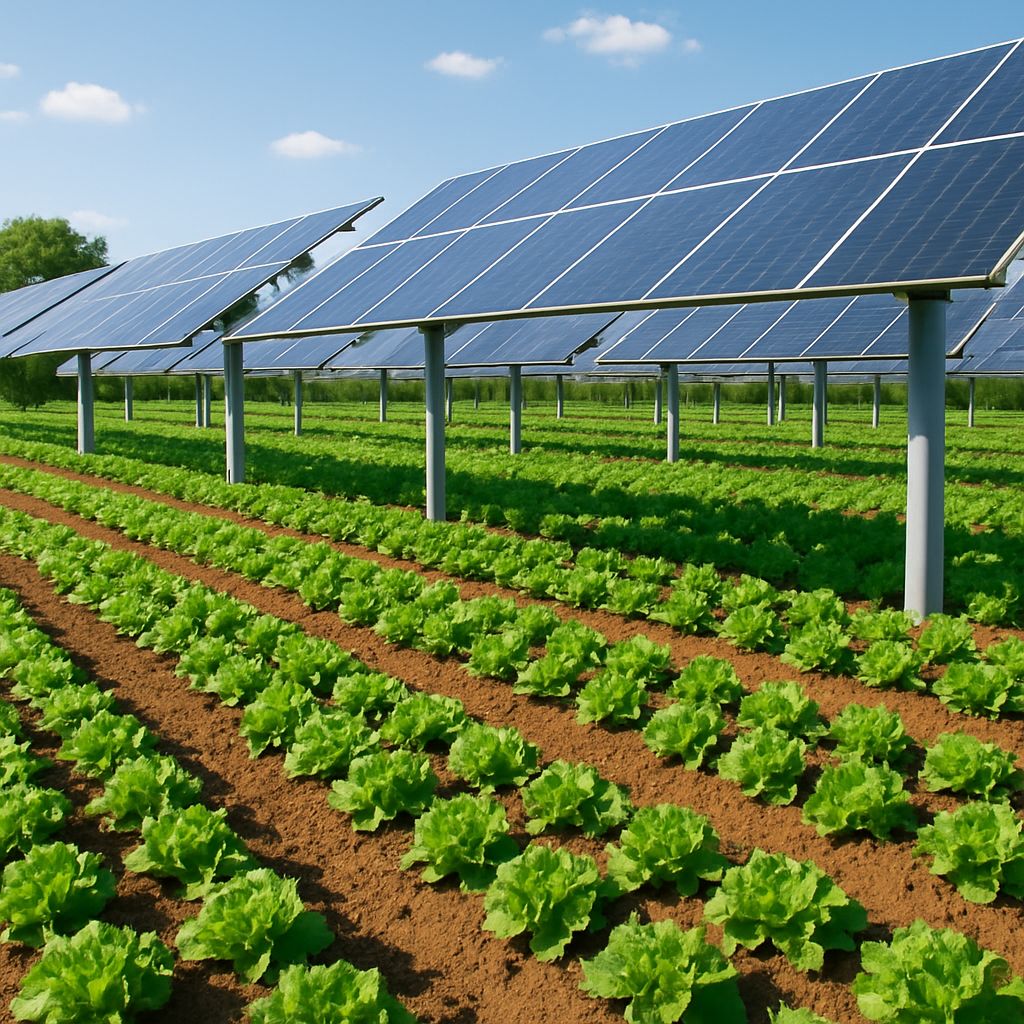
Agrivoltaics: Growing Crops While Generating Clean Energy
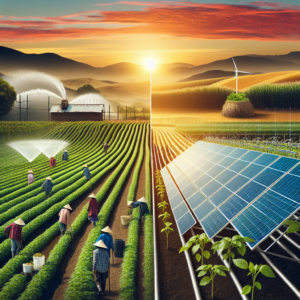
Agrivoltaics represents one of the most innovative approaches to sustainable agriculture, combining solar energy production with traditional farming activities. By mounting solar panels above crop areas, farmers can produce both food and energy from the same land, maximizing productivity while minimizing environmental impact. This dual-use approach addresses concerns about solar installations competing with food production for limited agricultural land. For more insights on enhancing solar panel efficiency in agriculture, check out how drones boost farm solar panel efficiency.
Research studies show that certain crops actually thrive under the partial shade provided by solar arrays, especially in regions with intense sunlight or heat stress. The panels create microclimate conditions that can reduce water evaporation by up to 30%, creating more efficient growing conditions while simultaneously generating renewable energy.
The integration of solar and agriculture creates powerful synergies that benefit both systems. Plants growing beneath panels help cool the solar equipment, improving energy production efficiency by up to 10%. Meanwhile, the shading and wind protection from panels can extend growing seasons and reduce stress on heat-sensitive crops.
Crop Types That Thrive Under Solar Panels
Not all crops respond equally to the partial shade conditions created by overhead solar panels. Leafy greens like lettuce, spinach, and kale have shown excellent production in agrivoltaic systems, often demonstrating improved quality and extended harvest seasons compared to full-sun conditions. These crops typically struggle in intense heat, making the moderated microclimate beneath panels particularly beneficial.
Root vegetables and many berries also perform well in these systems, with research showing potentially higher sugar content in some shade-grown fruits. Certain varieties of tomatoes, peppers, and herbs have demonstrated increased drought resistance when grown in the protected environment beneath solar arrays. The key to success is matching appropriate crop varieties with specific panel arrangements to optimize both energy and food production.
How Partial Shade Benefits Certain Plants
The dappled shade created by solar panels mimics natural forest-edge conditions where many plants evolved to thrive. This partial shading reduces plant stress during peak daytime temperatures, allowing stomata to remain open longer for continued photosynthesis rather than closing to prevent water loss. The result is more efficient plant growth despite receiving somewhat less direct sunlight.
The shade pattern changes throughout the day as the sun moves, ensuring most plants receive adequate light for photosynthesis while protecting them during the most intense midday hours. Modern agrivoltaic systems can be designed with adjustable panels that optimize this light/shade balance based on specific crop needs and seasonal conditions.
Additionally, the microclimate created beneath panels shows reduced soil temperature fluctuations, helping maintain more consistent growing conditions and supporting healthier soil microbial communities. These biological benefits further enhance the sustainability of the integrated system.
Land Efficiency Improvements Through Dual Use
The Land Equivalent Ratio (LER) for well-designed agrivoltaic systems typically exceeds 1.5, meaning that the combined productivity of the integrated system is 50% greater than what would be achieved by separate solar and agricultural installations. This efficiency multiplier makes agrivoltaics particularly valuable in regions with limited available farmland or high land costs.
Beyond direct productivity measures, agrivoltaic systems preserve soil health and structure by maintaining active agricultural use rather than converting to single-purpose solar installations. This preservation of agricultural capacity maintains future food production options while immediately reducing environmental impact through clean energy generation.
Solar-Powered Farm Equipment Transforming Agricultural Practices
The environmental benefits of solar extend beyond static panel installations to include the electrification of farm equipment and operations. Modern solar systems can power everything from irrigation pumps to electric tractors, eliminating diesel emissions while reducing operational costs. This transition to solar-powered equipment represents one of the most significant opportunities for farms to reduce their overall environmental footprint.
Irrigation Systems Running on Solar Power
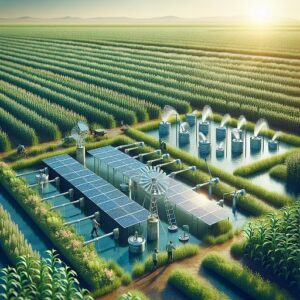
Water pumping typically constitutes 20-30% of farm energy consumption, making it an ideal application for solar power. Direct solar-powered pumping systems eliminate the need for grid electricity or diesel generators, reducing both emissions and operating costs. Modern systems can include battery storage or grid connections to ensure reliable operation regardless of weather conditions or time of day.
The integration of solar pumping with precision irrigation technologies creates powerful environmental synergies. Sensors and automated controls powered by solar electricity optimize water application, reducing overall water usage while improving crop outcomes. This water conservation represents an important additional environmental benefit beyond emissions reduction.
Electric Tractors and Tools Charged by On-Farm Solar
The emergence of commercial electric tractors and farm equipment creates new opportunities for comprehensive environmental improvement through solar integration. These electric alternatives eliminate the local emissions and noise pollution associated with diesel equipment while potentially reducing maintenance requirements. When charged with on-farm solar power, these electric vehicles complete a truly sustainable operational loop.
Beyond tractors, smaller electric tools like UTVs, chainsaws, and portable equipment can all be powered through farm solar systems. This transition to electric tools improves worker health by eliminating exposure to exhaust fumes while reducing the farm’s fossil fuel consumption and associated environmental impacts.
Cold Storage and Processing Facilities Powered by the Sun
Post-harvest operations represent a significant energy demand on many farms, particularly those producing perishable crops requiring refrigeration. Solar power combined with modern energy storage can maintain critical cooling systems, reducing food waste while eliminating the emissions associated with conventional power sources. The alignment between peak solar production and peak cooling demand (during hot, sunny periods) creates natural efficiency. For optimal efficiency, farmers can explore solar panel backup solutions that ensure continuous power supply.
Processing equipment from mills to sorting lines can similarly be powered through farm solar systems. This integration of renewable energy throughout the value chain maximizes environmental benefits while creating multiple points of operational cost reduction. For farms selling value-added products, solar-powered processing creates marketable sustainability credentials that many consumers now seek.

Financial Incentives That Make Farm Solar Projects Affordable
The environmental benefits of solar are complemented by substantial financial incentives designed specifically for agricultural applications. These programs dramatically improve project economics, accelerating both financial returns and environmental benefits. Understanding and accessing these incentives is critical for maximizing the value of farm solar investments.
Federal Tax Credits for Agricultural Solar Installations
The federal Investment Tax Credit (ITC) remains one of the most significant financial incentives for farm solar projects. Currently offering a 30% credit against installed system costs, this incentive substantially reduces the effective price of solar installations. Farms structured as businesses can apply this credit against their federal tax obligations, potentially carrying forward unused portions to future tax years if immediate tax liability is insufficient. For farms considering off-grid solutions, understanding if batteries are needed with solar panels can be crucial.
Beyond the ITC, federal programs like Modified Accelerated Cost Recovery System (MACRS) depreciation allow for favorable tax treatment of solar assets, further improving project economics. These combined federal incentives typically reduce effective system costs by 40-50% for qualifying agricultural operations.
State-Level Rebates Available to Farmers
Many states offer additional incentives specifically designed for agricultural solar applications, ranging from direct rebates to performance-based incentives. These programs vary significantly by location but can provide substantial additional financial benefits beyond federal incentives. Some states offer specialized agricultural solar programs that recognize the unique needs and opportunities of farm installations.
State-level net metering policies also significantly impact project economics by determining compensation rates for excess electricity fed back to the grid. The most favorable policies credit farm generators at retail rates, effectively allowing the grid to serve as free energy storage for solar production that exceeds immediate on-farm needs.
USDA REAP Grants for Rural Energy Projects
The Rural Energy for America Program (REAP) offers both grants and loan guarantees specifically designed for agricultural energy projects. REAP grants can cover up to 25% of eligible project costs, while loan guarantees can facilitate financing for up to 75% of total project costs. These programs are specifically targeted to agricultural producers and rural small businesses, making them ideal for farm solar applications.
REAP applications are competitive, with projects evaluated based on technical merit, readiness, and environmental benefits among other factors. Successful applications typically demonstrate comprehensive planning and clear alignment with program objectives of promoting rural renewable energy development and agricultural sustainability.
Accelerated Depreciation Benefits
Agricultural businesses can utilize accelerated depreciation schedules for solar equipment, allowing them to recover investment costs more quickly through tax deductions. This acceleration improves cash flow during the early years of the system’s operation when financial returns are most critical. When combined with other incentives, these depreciation benefits can make solar projects cash-flow positive from the first year of operation for many farm businesses.
Real Farms Seeing Real Results of Environmental Benefits with Solar Power
The environmental and financial benefits of solar power are not theoretical—they’re being demonstrated daily on farms across the country. These real-world implementations show how solar technology is transforming agricultural operations while delivering measurable sustainability improvements. From small family operations to large commercial enterprises, the pattern of success is consistent.
Solar adoption in agriculture has grown exponentially over the past decade, with installed capacity increasing by more than 300% since 2015. This growth reflects both improving technology economics and increasing farmer recognition of the multiple benefits these systems deliver. As more successful implementations demonstrate the value proposition, adoption continues to accelerate.
The most successful farm solar projects typically involve careful planning that integrates renewable energy into broader farm sustainability and business planning. Rather than viewing solar as an isolated technology addition, these farms incorporate it as part of comprehensive approaches to reducing environmental impact while improving operational resilience and profitability.
“Our solar system paid for itself in just 4.5 years, and now we’re essentially operating with free electricity while preventing over 120 tons of CO2 emissions annually. It’s hard to imagine running our operation any other way now.” – Richard Peterson, Dairy Farmer, Wisconsin
Small Family Farm Case Study: 75% Energy Cost Reduction
The Jacobson family farm, a 60-acre diversified operation producing vegetables and small fruits, installed a 25kW solar system to power their irrigation, cold storage, and processing facility. The system eliminated 75% of their previous electricity expenses while reducing their carbon footprint by approximately 35 tons annually. Beyond these direct benefits, they’ve experienced improved crop quality due to more reliable irrigation and cooling, reducing produce losses during summer heat waves when grid power occasionally faltered.
Large Commercial Operation: Complete Energy Independence
Horizon Orchards, a 500-acre tree fruit operation, implemented a comprehensive 350kW solar plus storage system that achieved complete energy independence for their packing and cold storage facilities. The system includes 950kWh of battery storage that maintains critical refrigeration systems overnight and during grid outages. Beyond eliminating over $8,000 in monthly electricity costs, the system prevents approximately 450 tons of carbon emissions annually while providing crucial resilience against increasingly common weather-related power disruptions that previously caused significant produce losses.
The operation has leveraged their renewable energy investment as a marketing advantage, highlighting their carbon-neutral cold chain when selling to environmentally conscious retailers. This market differentiation has helped secure premium placement and pricing that further enhances the return on their solar investment.
Solar Power Creates Green Power to Run the Future for Farms
The agricultural sector faces twin challenges of increasing production to feed a growing global population while simultaneously reducing environmental impact. Solar power represents one of the most promising technologies for addressing both challenges simultaneously. By providing clean, affordable energy that reduces both emissions and operating costs, solar installations help create more sustainable and resilient farm operations prepared for future challenges.
The evolution of solar technology continues to improve both performance and economics. Newer bifacial panels that capture reflected light from both sides can increase energy production by 5-20% in agricultural settings, while declining battery costs are making energy storage increasingly viable for farm applications. These technological improvements further enhance both the environmental and financial benefits of agricultural solar adoption.
Does the Environmental Benefits Make the Investment worthwhile for the Farmer
When all factors are considered—direct energy savings, available incentives, equipment longevity, and environmental benefits—solar power represents one of the most compelling investments available to modern farmers. The typical project delivers returns exceeding 15% annually while simultaneously reducing environmental impact and creating operational resilience. Few other farm investments can match this combination of financial return and sustainability improvement. For farmers looking to position their operations for long-term success in an increasingly climate-conscious market, solar power offers a proven pathway to both economic and environmental sustainability.
Frequently Asked Questions
As farmers consider solar investments, certain questions consistently arise regarding system performance, economics, and implementation. Addressing these common concerns helps agricultural producers make informed decisions about incorporating solar power into their operations. Each farm’s specific circumstances will influence the optimal approach to solar adoption.
The economics of farm solar projects vary based on multiple factors including current energy usage patterns, available incentives, installation costs, and financing options. Most agricultural installations achieve positive returns within the first year when all incentives are considered, with complete payback of initial investment typically occurring in 3-7 years depending on specific circumstances.
System design considerations should account for both current and anticipated future energy needs, as well as site-specific factors like available space, shading considerations, and structural capacity of existing buildings. Professional assessment is recommended to determine the optimal system configuration for specific farm operations.
How long do solar panels typically last on farm buildings?
Modern solar panels installed on farm buildings typically carry 25-year manufacturer warranties but can continue producing electricity at gradually declining efficiency for 30-40 years. The most significant efficiency losses occur during the first few years (approximately 2-3%), with subsequent annual degradation of about 0.5-0.7%. This means that even after 25 years, quality panels still produce about 80-85% of their original rated output. Most farm solar installations include replacement inverters in their financial projections, as these components typically require replacement after 10-15 years of operation. Learn more about the benefits of solar panels for farmers.
Can solar panels work effectively in cloudy or cold farming regions?
Solar panels operate effectively in most agricultural regions, even those with significant cloud cover or cold temperatures. Modern panels generate electricity from both direct and diffuse sunlight, allowing them to produce power even on overcast days, though at reduced output. Cold temperatures actually improve solar panel efficiency, as semiconductor performance increases in cooler conditions. Germany, which receives similar sunlight to Alaska, leads Europe in solar adoption, demonstrating that climate is rarely a limiting factor for agricultural solar implementations when systems are properly designed for local conditions.
What maintenance do solar systems require on a working farm?
Farm solar systems require minimal maintenance, typically limited to occasional panel cleaning and routine electrical inspection. In most agricultural environments, natural rainfall provides sufficient cleaning for tilted panels, though systems in extremely dusty operations may benefit from periodic washing. Snow generally melts and slides off tilted panels without intervention, though extreme accumulation may occasionally require clearing.
Annual inspections by qualified technicians can identify any developing issues with electrical connections or mounting systems before they become significant problems. Many installers offer monitoring systems that automatically alert owners to performance issues, further reducing maintenance concerns while maximizing system output and return on investment.
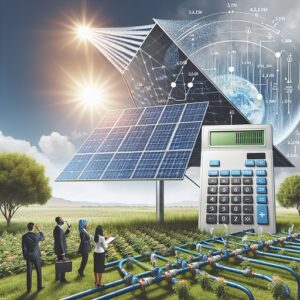
How do I calculate the right system size for my farm’s energy needs?
Determining optimal system size begins with analyzing at least 12 months of electricity usage data to understand consumption patterns throughout the agricultural cycle. Most farms benefit from sizing systems to offset 70-100% of annual electricity consumption, depending on net metering policies and future expansion plans. Working with an agricultural solar specialist ensures proper system sizing that maximizes both environmental benefits and financial returns while avoiding unnecessary over-building that could reduce project economics.
Can I still qualify for organic certification with solar panels on my property?
Solar panel installations are fully compatible with organic certification under USDA National Organic Program standards. Panels mounted on buildings have no impact on organic status, while ground-mounted systems on certified organic land typically require only that the specific footprint of mounting posts be removed from organic production records. The National Organic Program specifically encourages renewable energy as aligned with organic principles of environmental stewardship.
In fact, many certified organic operations find that solar power enhances their sustainability credentials and marketing story. The elimination of fossil fuel use aligns perfectly with organic agriculture’s focus on reducing synthetic inputs and environmental impacts. Some organic certifiers even highlight renewable energy adoption in producer profiles and marketing materials.
For farms practicing regenerative agriculture or participating in carbon markets, solar installations provide additional environmental benefits that complement land management practices. These combined approaches create powerful sustainability synergies that position agricultural operations at the forefront of climate-friendly food production.


Leave a Reply